Play equipment |
Swimming pools |
Cycling |
Grills |
Gardening and outdoor equipmentAs the sun-splashed summer days of playing, swimming, biking, and barbecuing arrive, outdoor-related accidents, unfortunately,
do not lag far behind.
Each year about 280 children under age 5 die from drowning in swimming pools, according to the Consumer Product Safety Commission.
And several children per year die from home playground injuries. While pools, home playgrounds, and other outdoor hazards
abound, some precautions can avert disaster.
To protect yourself and your family, follow the tips below for
play equipment, swimming pools,
cycling,
grills, and
gardening and outdoor equipment.
PLAY EQUIPMENT A trampoline is an accident waiting to happen: Since trampolines are difficult to store, kids can easily access them without
adult supervision. They are especially dangerous when placed near trees or other objects. In 2003 some 98,000 Americans were
treated in emergency rooms because of trampoline use. The American Academy of Pediatrics recommends banning trampolines for
home use.
Each year an estimated 50,000 home playground injuries send U.S. children to emergency rooms. Many of these injuries are preventable
by following these guidelines:
- Don't let children wear clothing with drawstrings, which can get caught in equipment.
- Lay shock-absorbing material at least 6 feet in all directions. Depth depends on the material and equipment height: a 7-foot
play center requires at least 9 inches of wood chips or 12 inches of fine sand, for example. (See Publication No. 325 at www.cpsc.gov for more information.)
- Cover protruding bolts and other sharp edges.
- Fit platforms, ramps, and slides with guardrails.
- Seal equipment made of wood treated with chromated copper arsenate, or CCA, with a penetrating sealer once a year to prevent
those dangerous chemicals from leaching out of the wood.
For more information on problematic toys and play equipment, see
eight products not to buy for kids.
SWIMMING POOLS You need to place a fence around any pool bigger than a kiddie pool, including inflatable pools that stand 18 inches to 4
feet high. These inflatables hold hundreds to thousands of gallons of water, which means you're unlikely to drain yours every
day, and since they cost as little as $50, most people won't consider installing a fence. Nevertheless, they are a drowning
hazard. If you have one, take the same precautions as those with regular pools and create layers of protection.
- Surround the pool with a fence that has a self-closing and self-locking gate. Check the local building codes in your area,
and call the CPSC hotline at 800-638-2772 or check www.cpsc.gov for guidelines.
- Check the pool first if a child is missing. Watch the area when anyone is swimming.
- Use a pool cover and alarm when the pool is not being used. Pool alarms are designed to raise an alert if someone enters the
water when he or she is not supposed to. In our recent tests, however, only two of seven alarms worked well. Three--the Pool
S.O.S., PoolEye PE21, and Pool Patrol--were rated Not Acceptable. Each failed to sound an alarm within 20 seconds. If you
want further information on which alarms met the ASTM International's voluntary standards and how those standards are defined,
see our June 2006 report on pool alarms.
- Keep life preservers, rescue hooks, and a cordless phone with emergency numbers near the pool.
- Drain wading and kiddie pools when not in use; turn them upside down.
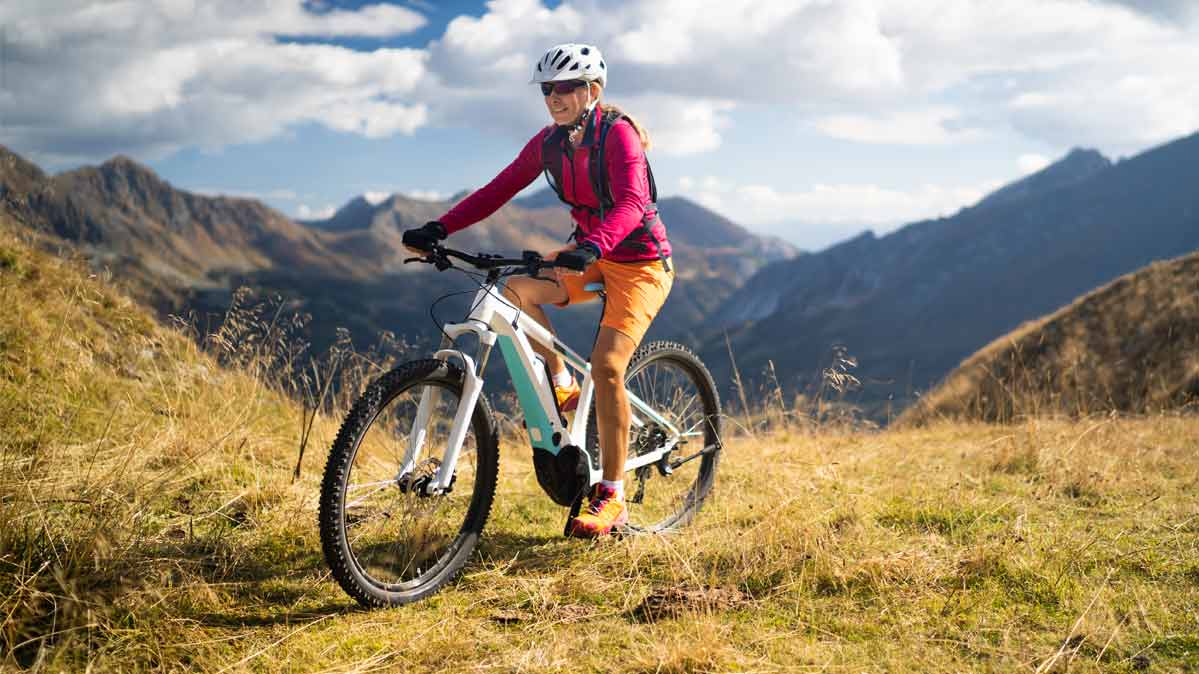
CYCLING A well-designed and properly fitting bike helmet can prevent up to 88 percent of bicycle-related brain injuries, according
to an industry estimate. Make sure you buy a helmet that carries a label stating it meets current Consumer Product Safety
Commission standards.
Two helmets to avoid: The Trek Anthem C Elite and Anthem C Elite WSD were rated Not Acceptable.
Consumer Reports informed the manufacturer and the CPSC of our findings. Within three days of receiving notice from
Consumer Reports, Trek and the CPSC announced a recall of both helmets. According to the CPSC, if you own one of these helmets, stop using
it immediately and return it to an authorized Trek dealer for a full refund. For more information, contact Trek at 800-373-4594.
For more on getting the correct helmet and comparing what helmets scored well in our Ratings, see our June 2006 report on
bike helmets. To ensure proper fit, follow these tips from the report:
- Make sure the helmet fits snugly and does not obstruct your field of vision.
- Be sure the chin strap fits securely and that the buckle stays fastened.
- Wear the helmet flat atop your head, not tilted back at an angle.
For information on the latest Ratings of road, fitness, and comfort bikes, see our June 2006 report on
bikes
(available to subscribers)
.
GRILLS Each year people are burned using grills and injured in liquid-propane (LP) and natural-gas fires and explosions associated
with gas grills. Many of these fires and explosions occur when consumers first use a grill that has been left idle for a period
of time or just after refilling and reattaching the gas container to the grill. Defective grills can also pose a danger. See
information on recalls at
www.recalls.gov to see if your model been recalled.
All LP tanks must now comply with upgraded National Fire Protection Association standards for overfill protection. Noncompliant
tanks have a circular or five-lobed valve and aren't refillable, although they can be retrofitted with a three-lobed valve
or swapped for a new tank at a hardware store or other refilling facility.
To reduce the risk of fire or explosion, you should routinely perform the following safety checks:
- Replace cracked or brittle propane hoses.
- Check hoses for gas leaks by applying dishwashing soap and water; bubbles indicate a leak. Replace as needed.
- Regularly empty grease pans, trays, or receptacles to minimize fire hazards.
- Never start a charcoal fire with gasoline.
- Never add lighter fluid to a charcoal fire after the fire has started; the flame can follow the stream of fluid to its source.
- Never use an outdoor grill indoors or in a garage, breezeway, carport, porch, or under a surface that can catch fire. Also,
keep the grill at least 10 feet away from your house or other structure.
- Do not attempt to repair the valve on a gas tank or the grill yourself. See an LP dealer or a qualified appliance-repair service.
If you're in the market for a new grill, our June 2006 report on
gas grills
(available to subscribers)
offers information on grilling methods, grill design, and our latest ongoing Ratings and model recommendations. Also keep
these safety checks in mind when shopping:
Case the cart. Give the grill a gentle bump from several angles to see if it tips. The more stable the grill, the safer. Carts with a sliding
drawer to hold the fuel tank make it easier to use and change the tank. Also inspect the cart, firebox, and shelves for sharp
edges and corners.
Beware of burns. If the curve of a handle places fingers or knuckles too close to the lid, you can get burned. Also, keep in mind that metal
handles usually get hotter than wooden or plastic ones.
Check grease-drainage design. Although some flaring is to be expected, the more distance the drainage design puts between the fire and collected grease,
the less the chance of sustained flare-ups when you cook fatty foods.
Opt for free assembly. It's easy to cut yourself while assembling a grill. But, remember, an assembled grill is bulkier than one in a box. So unless
you have a large vehicle, you'll also have to pay for delivery.
GARDENING AND OUTDOOR EQUIPMENT Ah, nature. Green and fragrant--and filled with bugs. Once you've made yourself a less-appealing target to natural pests,
follow these tips to keep yourself and your family safe around man-made equipment and hazards:
- Use ground-fault circuit interrupters on outdoor outlets; you'll find them at hardware stores and home centers.
- Use an extension cord rated for outdoor use, and make sure yours is in good condition. Keep cords safely looped behind you.
- Wear safety glasses or goggles, ear protection, work gloves, nonslip shoes, and long pants and boots to protect legs and feet
from kicked-up debris. Avoid loose clothing that could catch in equipment.
- Keep children and pets away from the work area until you've finished the job.
- Handle gas carefully. Fill up before you start, while the engine is cold. Don't spill when you fill. Store gas in an approved
container in a cool, ventilated area outside of living areas and out of the reach of children. Never smoke around gasoline.
For more information on gas containers, see our latest tests in our June 2006 report on no-spill gas cans.
- Carry aluminum ladders horizontally, not upright; you could electrocute yourself if your ladder touches an overhead power
line.
- Don't overreach when you're working on a ladder.
- Always follow manufacturers' guidelines on setting up an extension ladder to prevent the ladder from slipping out.
- Never use electric equipment in the rain, on wet grass or shrubs, or near water.
- Keep both hands on your hedge trimmer and fingers and other parts of your body away from the blades when trimming.
- Shut off the engine or turn off the power on the mower, hedge trimmer, or string trimmer before adding fuel or removing debris
when trimming.
- Use a blade cover (often sold separately) when carrying and storing a hedge trimmer.
- Pressure washers provide you with an affordable, easy-to-use tool that makes quick work of outdoor-cleaning projects. But these powerful devices
can be an injury risk, as our exclusive safety alert video shows.
For more information about child safety, see our reports on garden-hose safety for kids and sign up for our free
RSS feeds and
monthly e-mail updates.
(available to subscribers)
.