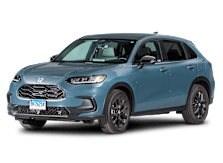
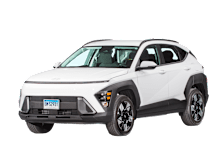
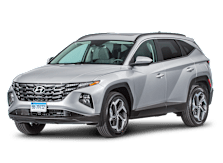
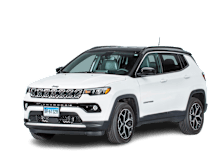
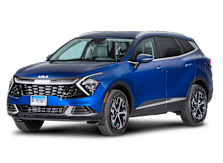
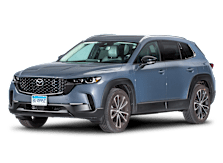
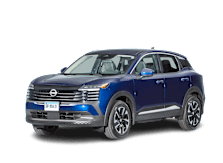
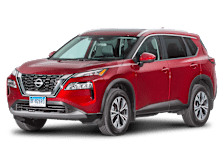
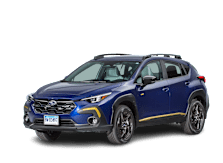
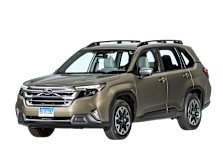
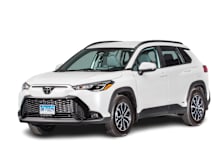
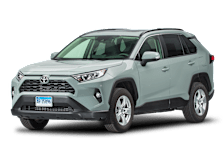
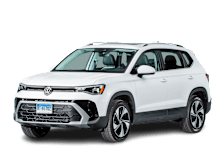
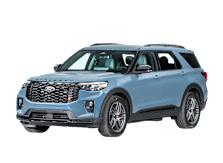
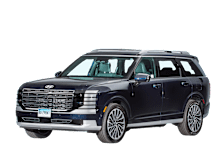
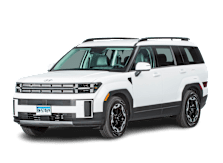
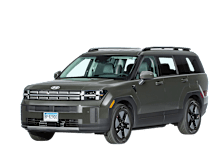
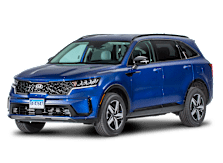
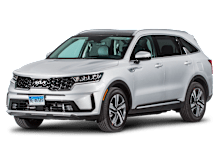
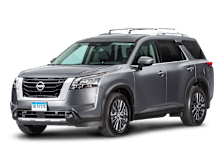
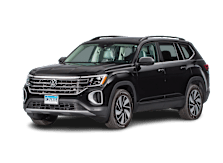
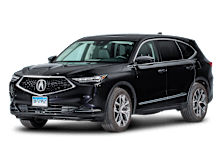
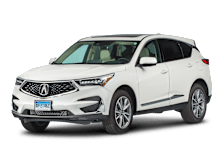
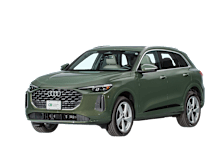
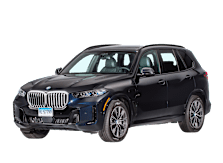
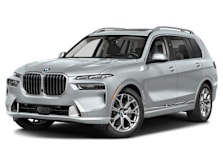
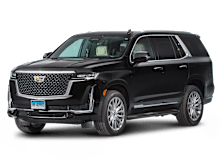
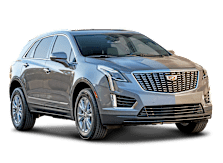
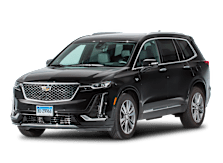
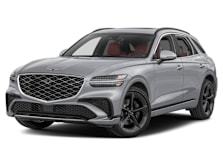
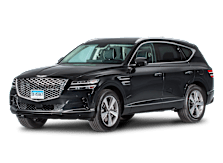
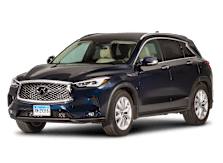
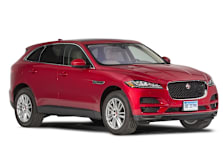
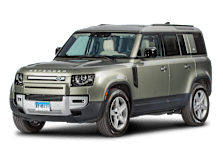
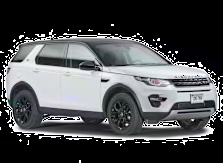
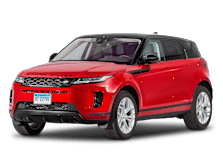
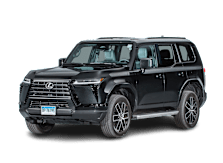
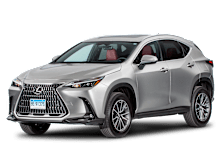
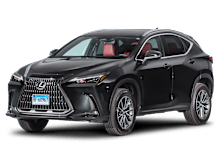
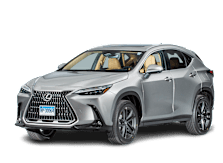
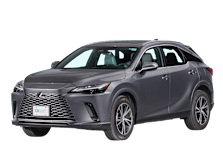
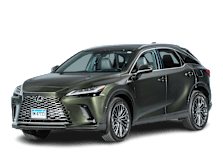
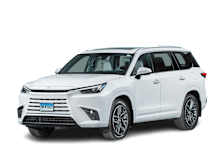
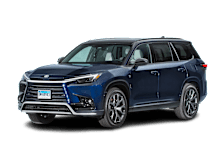
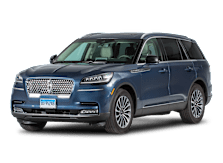
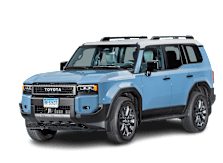
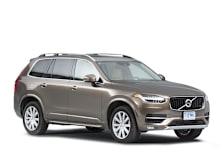
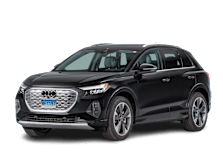
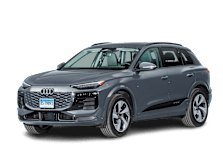
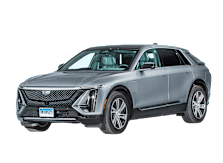
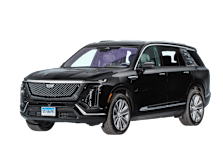
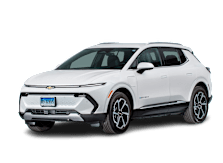
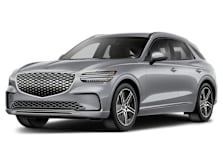
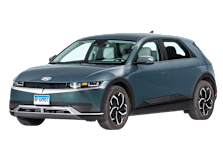
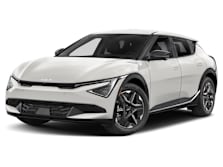
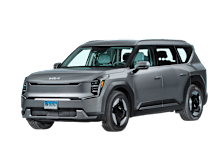
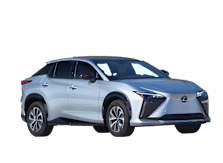
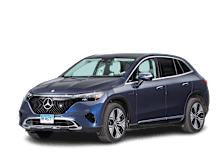
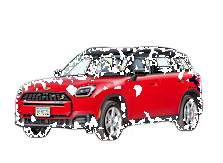
Sport-utility vehicles blend expansive cargo space, affordability, and performance into a versatile, all-weather machine. View our ratings and reviews, and browse our buying guide to learn more about SUVs.
Most SUVs today are car-based, meaning they share some platform and suspension elements with cars and/or minivans. Truck-based SUVs have a body sitting on a separate frame, akin to pickup trucks. The frame makes these SUVs better suited to going off road and towing, but this design can sacrifice rid...
Most SUVs today are car-based, meaning they share some platform and suspension elements with cars and/or minivans. Truck-based SUVs have a body sitting on a separate frame, akin to pickup trucks. The frame makes these SUVs better suited to going off road and towing, but this design can sacrifice ride quality, interior space, and/or fuel economy.
All SUVs can leave the pavement. How far they can go and what terrain challenges they can traverse varies. A car-based model with all-wheel drive is typically less capable than truck-based models with a more robust four-wheel-drive system. Many SUVs now have off-road packages or trims that add some...
All SUVs can leave the pavement. How far they can go and what terrain challenges they can traverse varies. A car-based model with all-wheel drive is typically less capable than truck-based models with a more robust four-wheel-drive system. Many SUVs now have off-road packages or trims that add some underbody protection, increased ride height, and all-terrain tires.
Most car-based SUVs are front-wheel drive, whereas truck-based models are rear-wheel drive. In either case, they can handle most on-road driving challenges when shod with the appropriate tires. All-wheel drive adds grip for accelerating in low-traction situations, such as on an icy or snow-covered r...
Most car-based SUVs are front-wheel drive, whereas truck-based models are rear-wheel drive. In either case, they can handle most on-road driving challenges when shod with the appropriate tires. All-wheel drive adds grip for accelerating in low-traction situations, such as on an icy or snow-covered road. They do not help when braking. Most drivers do not need AWD, but the peace of mind, especially in snow and mountainous regions, is worth the cost and potential fuel economy penalty for many buyers.
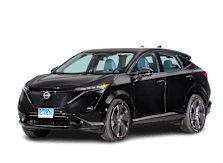
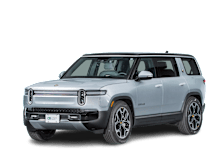
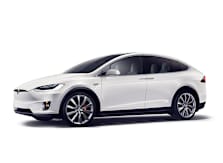
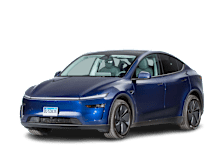
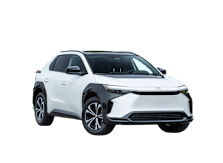
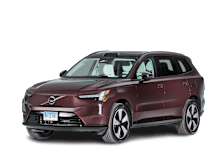
There are a growing number of electric SUVs. If charging is convenient for you, and your commute is less than 100 miles each way, these can be quite appealing. Some full hybrid SUVs deliver outstanding fuel economy, like the Toyota Highlander. Mild hybrid SUVs are designed to take advantage of engin...
There are a growing number of electric SUVs. If charging is convenient for you, and your commute is less than 100 miles each way, these can be quite appealing. Some full hybrid SUVs deliver outstanding fuel economy, like the Toyota Highlander. Mild hybrid SUVs are designed to take advantage of engine stop/start systems, and they are not as efficient.
You will get digital access to reviews and ratings for over 8,500 products and services
to help you make better choices for life’s big moments and the everyday ones in between.
If you feel you have received this message in error, please view our customer care
FAQs or access your
account information here.