Getting sick over the winter holidays is common—and dangerous—for several reasons. First, Thanksgiving, Christmas, Hannukah, and New Years all come smack in the middle of flu and cold season. And with so many people traveling, it's easy for the germs to get passed around. Second, getting sick when you're away from home poses special challenges, in part because you may not have access to your regular doctor or pharmacy. Finally, hospitals are often understaffed, so if you have an emergency, you might not receive optimal care. Here's what you need to do avoid health crises over the holidays, and what to do in case you do get sick.
1. Outsmart germs
Whether it's old standbys such as the cold and flu or this year's surprise scourge, enterovirus D68, infections spread easily where people congregate—shopping malls, holiday parties, theaters, family dinners. So practice scrupulous hygiene throughout the holiday season. Your best defense is to wash your hands with soap and water for at least 20 seconds frequently throughout the day, especially before you eat. If soap and water aren't available, use a hand sanitizer that contains at least 60 percent alcohol. Don't bother with antibacterial soaps. They don't work better than regular soap, and may pose risks. Of course, you should be vaccinated. But do it now, since it takes two weeks for protection to kick in.
2. Pack your meds
In the hubbub of packing gifts and food for holiday travels, it's easy to leave your prescription medications behind. And not having your blood pressure or antidepressant medication with you is not just inconvenient but risky, if your condition worsens. So double check that your meds are packed and you have enough to make it through your travels. If you're flying, keep your mediations with you instead of in your checked bags, in case the luggage is lost. Be sure to pack enough of any prescription medication to last the entire trip, plus a little extra.
3. Download your health records
If your doctor has a patient portal, you can access portions of your medical record, such as medications, allergies, and other vital pieces of information. Download it to a thumb drive and take it with you to give doctors instant access in case of an emergency.
4. Check your insurance coverage
Emergencies such as broken bones or heart attacks are usually covered outside of your network or area, but doctor visits may not be. So check your health insurance policy ahead of time, and make sure you bring your insurance card with you, too.
5. Take symptoms seriously
Fatal heart attacks spike during the holidays, in part because people on vacation often delay getting care. If you think you're having a heart attack, stroke, or any other serious health problem, get to an emergency room right away.
6. Know where to go if you get sick
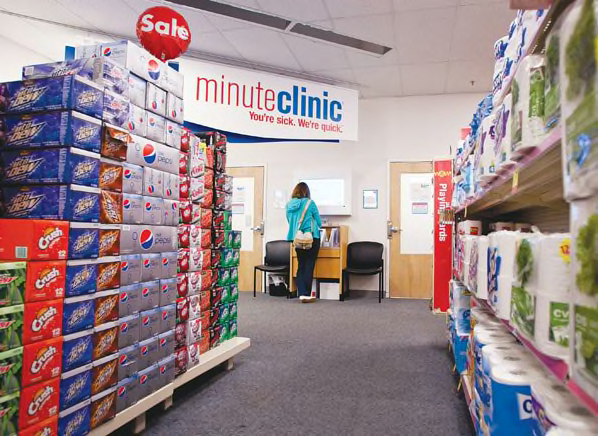
Retail health clinics and urgent-care centers are now common, and usually fine for nonemergencies when you're traveling. Walk-in health clinics, which are usually housed in retail stores such as CVS, Target, Walgreens, and Walmart, are fine for ailments that are bothersome but not life-threatening, including bronchitis, ear infections, minor sprains, sore throat, and urinary tract infections. Urgent-care centers, which are usually owned by a hospital or group of doctors, can handle problems that are more serious but don't always warrant a trip to the ER, such as a fracture or cut that may need stitches.
—Joel Keehn