Advanced meters, commonly called smart meters, stand a chance to achieve widespread use in the U.S. marketplace, and they
have even greater potential to generate energy savings. The devices are currently offered by very few of the 3,170 utility
companies nationwide, but that number is expected to increase significantly in the next few years.
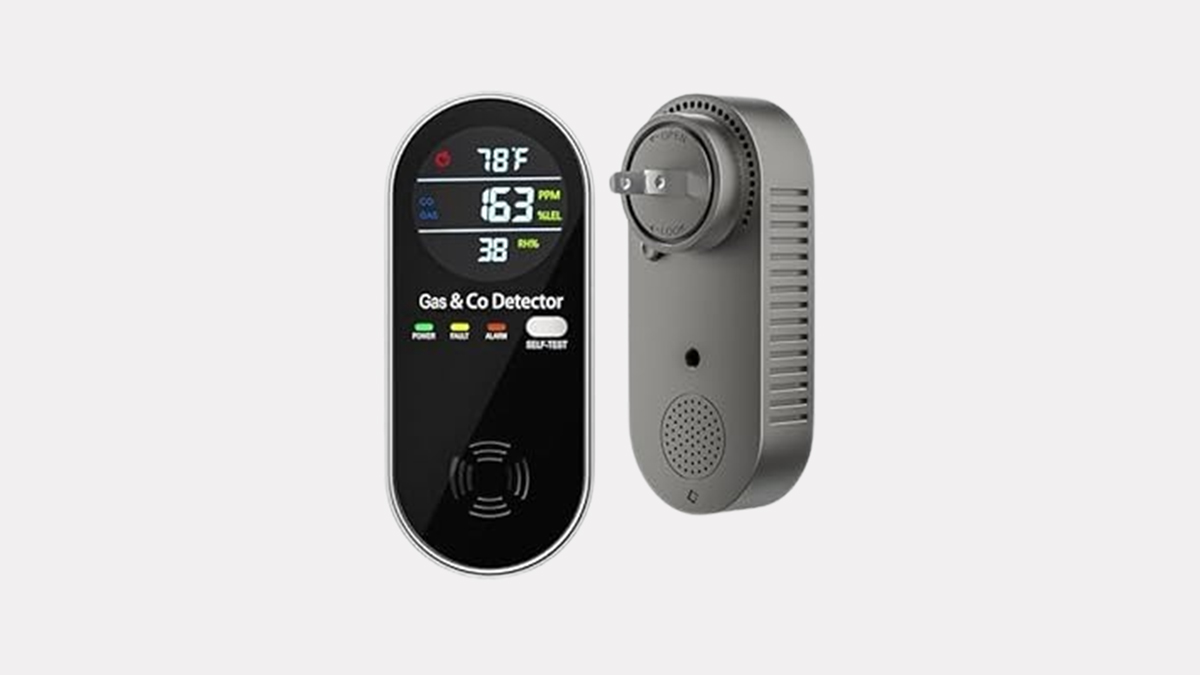
Smart meters also take the place of standard electrical meters and can send consumption data by radio signal directly to the
utility company. That two-way capability eliminates monthly visits from a meter reader. More important, it also means power
companies will be able to monitor consumption as it rises and drops throughout the day, which in turn will let them introduce
dynamic pricing based on simple supply and demand economics. "There's no point in having smart meters if you're going to have
dumb rates," says Rick Morgan, a commissioner with the Public Service Commission of the District of Columbia. Customers will
be able to track those variable rates and their daily consumption on their utility company's Web site or by requesting a display
unit.
Demand-response pricing, also known as time-based or dynamic pricing, is common in the industrial sector, but it's only now
reaching residential and commercial markets. That's due largely to the Federal Energy Policy Act of 2005, which directed state
utility commissions to consider implementing demand-response pricing programs. Utilities are planning to deploy more than
40 million smart meters throughout the country from 2007 through 2010, according to a report published by Federal Energy Regulatory
Commission.
The hope is that smart meters will encourage homeowners to use less electricity during peak periods. "Utility bills used to
come 30 days after the fact," says Lynda Ziegler, a senior vice president of customer service at Southern California Edison,
which is currently testing smart meters in 5,000 homes. "Now customers can access a Web site to track usage and pricing. If
prices are high, they can turn up the thermostat on their air conditioner. If all the lights are on in their house, they can
see how much that's costing them."
Still, not everyone is gung-ho about smart meters paving the way for demand-response pricing. "Customers have to foot the
bill for these meters, but the broad benefits aren't clear, since they're about shifting loads during peak periods, and not
conservation," says Mindy Spatt, communications director the California-based consumer advocacy group TURN. Spatt prefers
clear-cut conservation programs--offering incentives for air-conditioner cycling, for example--coupled with tiered pricing,
whereby consumers pay the lowest price for what's deemed an essential amount of electricity.
But for now, smart-meter technology seems to be moving forward, with companies like SCE leading the way. By 2012, SCE hopes
to have 5 million customers using smart meters. That level of deployment would reduce consumption by 1,000 megawatts each
year, equal to the total annual output of a major power plant.
You don't have to be Al Gore to appreciate how that's good for the planet.