In recent years, Ford has been a model of American reliability. The brand ranked 10th in our predicted reliability ranking last year and competed well with Japanese makes. This year, however, the Ford brand has slipped 10 spots, to 20th out of 28 makes. That was the biggest drop for any major nameplate, according to our 2011 Annual Auto Survey, which is based on subscribers' experiences with 1.3 million vehicles.
What changed? Three new or redesigned models-the Explorer, Fiesta, and Focus-had below-average reliability in their first year. We have often found that new or revamped models have more problems in their first year than in subsequent model years. Ford's problems underscore our advice to hold off buying a new car in its first year.
Other highlights from our survey:

Even with Chrysler's improvement, Detroit models still have reliability problems. Of the 97 domestic models and versions for which we have sufficient data, 62 (64 percent) rated average or better in our new-car reliability ratings.
General Motors has stumbled after edging up last year. The Buick and Cadillac brands, in particular, appear to have taken a step backward; Chevrolet held steady and GMC dropped one spot. The new Buick Regal and Chevrolet Cruze did well in our road tests but were below par in reliability. The Buick La-Crosse, an all-wheel-drive version of the Buick Enclave, and the Cadillac SRX were all deemed reliable last year but dropped to below average and are no longer recommended. General Motors' bright spots include the above-average Chevrolet Avalanche and the Cadillac CTS, which has improved to average.
The gas/electric Chevrolet Volt, with much better than average predicted reliability, ranks as GM's most reliable car but with a caveat: The sample size was just a little more than our minimum threshold of 100 cars, and most respondents had owned theirs for only a few months.
Ford's drop can also be attributed to problems with new technologies: the new MyFord Touch infotainment system and the new automated-manual transmission used in the Fiesta and Focus. Lincoln finished above Ford, although the freshened MKX, a cousin of the Edge, suffered from the MyLincoln Touch system. On the bright side, the Ford Fusion Hybrid sedan remained outstanding, and other Fusion versions were above average.
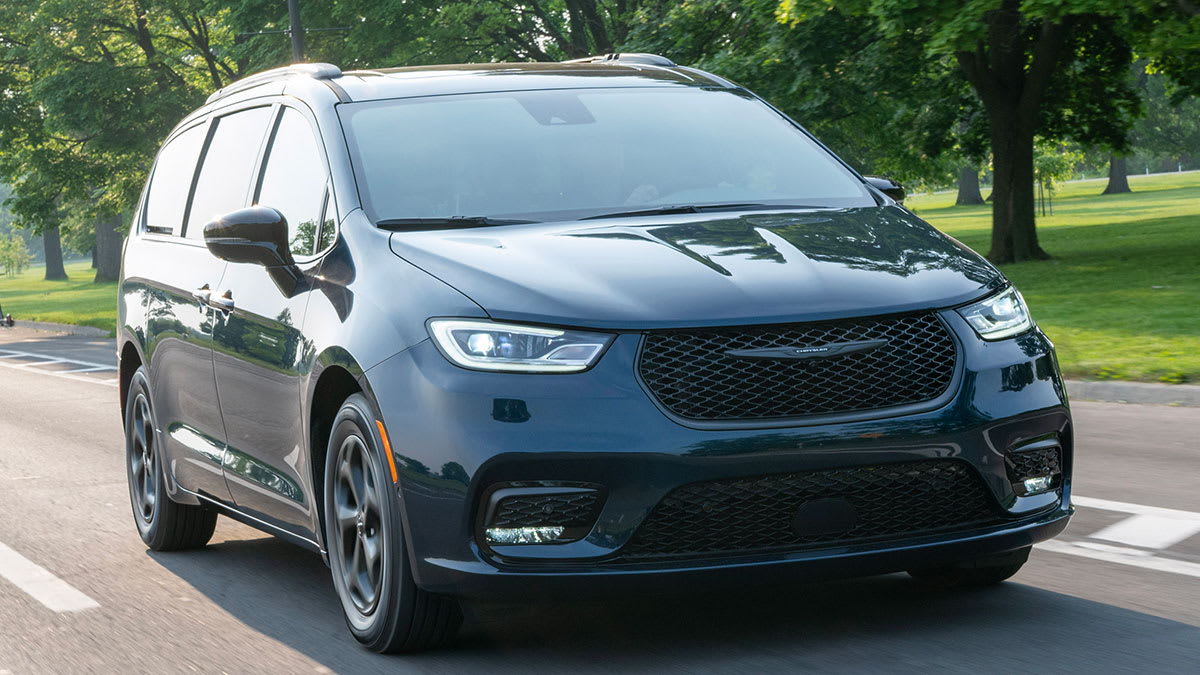
Chrysler had better results with its new models, including the freshened Chrysler 200 (formerly Sebring) sedan and the redesigned Dodge Durango and Jeep Grand Cherokee SUVs. The Chrysler brand moved up in the survey, but its rank is based on just two models: the 200, which was well above average, and the freshened Town & Country minivan, which tanked. The remaining model, the 300, is too new for us to have sufficient data.
ConsumerReports.org Cars Best Deals Plus subscribers have access to more details about specific trouble areas on thousands of cars one to 10 years old. Both owners and prospective purchasers can delve deeper.
Each of the 17 problem areas we survey covers a host of possible faults. For instance, "Power Equipment" includes keyless entry, dashboard warning lights, tire-pressure monitor, and other things. "Body integrity" includes squeaks and rattles, seals and weather stripping, and air or water leaks, among other things. "Major Engine" problems include cylinder head and timing belt besides replacing the engine itself, while "Minor Engine" includes oil leaks, accessory belts and engine mounts.
To access the finer level of detail, choose any car, new or used, and go to its model-overview page. Click on the tab labeled "Reliability" and that will call up the reliability history, a grid of our familiar red and black scoring icons covering 17 trouble areas and however many model years we have data for.
Some of those individual colored "blobs" are flagged with a gold corner triangle with a "+" sign that indicate when more specific details are available. Click on that triangular corner tab to see more information on the problems owners have experienced.
As an example, looking at the Ford F-150 pickup, we can see multiple years of brake problems. However, in some years the problems were mainly attributed to pulsation or vibration, while in other years it was premature wear. Further, we note that the 2008 model had climate system problems. Now subscribers can see that the major gripe was the automatic climate system control rather than, say, a problem with the air conditioner itself.
Not all trouble spots are flagged. That's because either no or very few specific problems were reported, or because nothing stood out enough in the sub-categories to warrant special mention.