Below, the categories are presented in the order of importance to new-car buyers.SAFETY
| Brand |
Percent |
| Volvo |
77% |
| Toyota |
21 |
| Subaru |
18 |
| Ford |
17 |
| Honda |
17 |
No other category is so unilaterally dominated by one brand. With a score of 77 percent, Volvo is clearly first in consumers’
minds when it comes to safety. Volvo developed a reputation for safety based on its many technical innovations and consistent
marketing theme. Volvos were the first mass-production cars to offer a laminated windshield, three-point front seat belts,
rear seat belts, child-proof door locks, antilock brakes, and side air bags. Similarly, current Volvos offer many of today’s
most advanced safety systems, including blind-spot detection and collision warning systems. But in our testing, Volvos have
often earned mediocre scores within their class. And responses from our latest reliability survey show that Volvo is only
midpack in our predicted reliability ratings for new cars.
Most of the automotive world has caught up to Volvo in terms of safety. Honda, for example, stands out with the highest crash-test
scores and consistently good accident avoidance performances at our track. Likewise, Mercedes-Benz has historically been on
the forefront of automotive safety and typically performs well.
Subaru’s high rank might be attributed to the perceived benefits of all-wheel drive, which is standard in all of its vehicles.
But many lower-trim Subarus don’t include electronic stability control, a highly recommended safety feature. Even Subarus
with ESC have posted modest results at our track.
QUALITY
| Brand |
Percent |
| Toyota |
33% |
| Honda |
24 |
| Lexus |
23 |
| Mercedes-Benz |
19 |
| Chevrolet |
17 |
Quality can be interpreted in many ways. But whether seen as reliability, interior fit and finish, or perhaps the design of
controls and gauges, the top three brands in this area—Toyota, Honda, and Lexus—have consistently performed well in our testing
and have mostly been reliable. In
Consumer Reports’ latest Annual Car Reliability Survey, Honda ranked first in predicted reliability. But Toyota slipped from first place last
year to fifth, due in part to below-average reliability for the Camry V6 and four-wheel-drive Tundra. Still, Toyota’s strong
brand image earned it a top spot in this survey.
While the interior craftsmanship of Mercedes-Benz vehicles has consistently been top notch, the brand’s reliability has been
poor for several years, with the brand placing 33rd of 36 in our latest rankings for predicted reliability. Similarly, the
reliability of the Chevrolet brand is below average, ranking 30th. On the positive side, we have seen the interior quality
of some GM vehicles improve in recent years. (Get reliability information on your favorite brands at
ConsumerReports.org.)
VALUE
| Brand |
Percent |
| Honda |
30% |
| Saturn |
24 |
| Toyota |
24 |
| Kia |
23 |
| Ford |
20 |
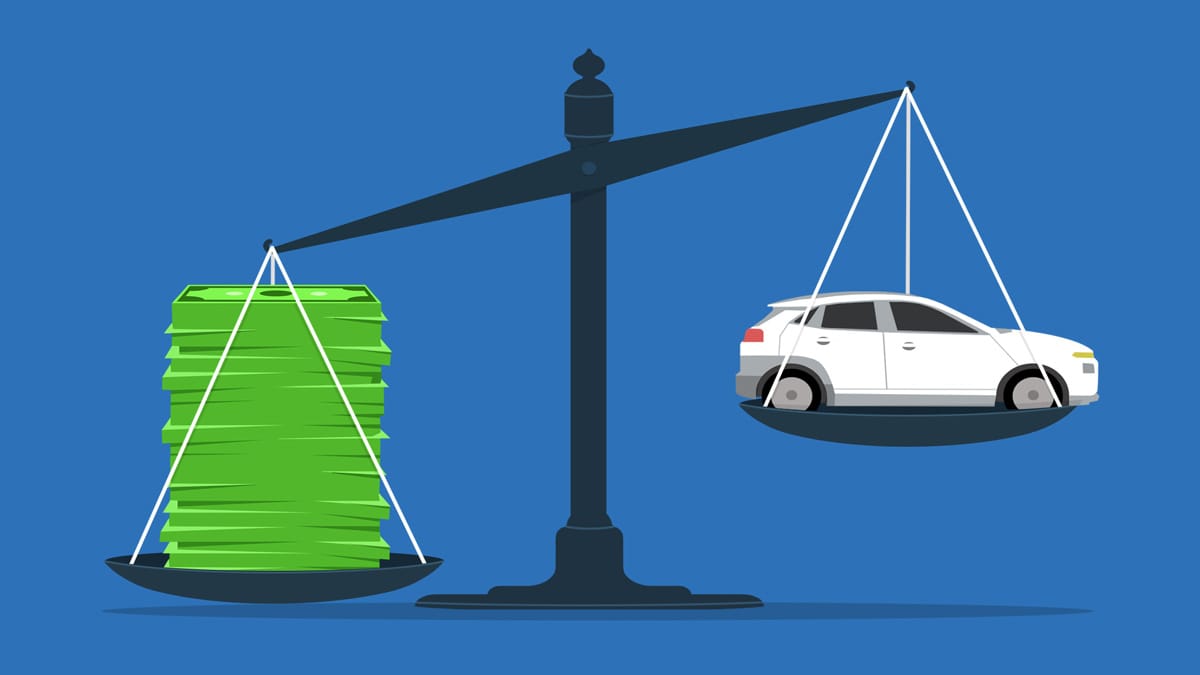
The term “value” can refer to what you get for your money, and to the expected trade-in value. On both counts, top-ranked
Honda earns its place. Honda vehicles typically score well in our testing and are competitively priced and well equipped.
They also score well in depreciation. Saturn’s second-place rank might speak to the appeal of its highly touted no-haggle
pricing policy. In addition, Saturn’s newest models, including the Aura, Outlook and Vue, are well executed and generously
outfitted. Kia’s fourth-place ranking is probably a reflection of its line of low-cost models with often generous amenities
and its long 5-year/60,000-mile basic warranty. But predicted depreciation for some Kia models is poor.
PERFORMANCE
| Brand |
Percent |
| BMW |
28% |
| Porsche |
25 |
| Chevrolet |
21 |
| Toyota |
20 |
| Honda |
20 |
It’s not surprising to see BMW and Porsche at the top of this category. The vehicles from both brands have consistently earned
high ratings in performance in our testing. BMW has long been seen as the standard for sport sedans, and has emphasized that
in advertising with its “ultimate driving machine” tagline. Similarly, Porsche has developed a reputation for building world-class
sports cars. Chevrolet’s high performance ranking is probably a reflection of the venerable Corvette, and of its wide selection
of V8-powered cars, trucks, and SUVs. Although not generally known for powerful or ultra-sporty cars, Toyota and Honda typically
provide a good balance of power and efficiency throughout their product ranges. And they have earned kudos for such well-executed
sports cars as the Honda S2000 and discontinued Toyota MR2 and Supra. (Research the performance of cars, SUVs, and trucks
in
Consumer Reports testing.)
ENVIRONMENTALLY FRIENDLY/GREEN
| Brand |
Percent |
| Toyota |
49% |
| Honda |
26 |
| Ford |
16 |
| Chevrolet |
11 |
| GMC |
11 |
Green is how you define it, from fuel economy to emissions to "recyclability." But Toyota clearly has a green halo in consumer
perception, resulting in a dominant first-place ranking in this area. Twice as many car-shoppers associate Toyota with being
environmentally friendly as second-ranked Honda. That image is probably due to Toyota’s role as a pioneer in hybrid technology
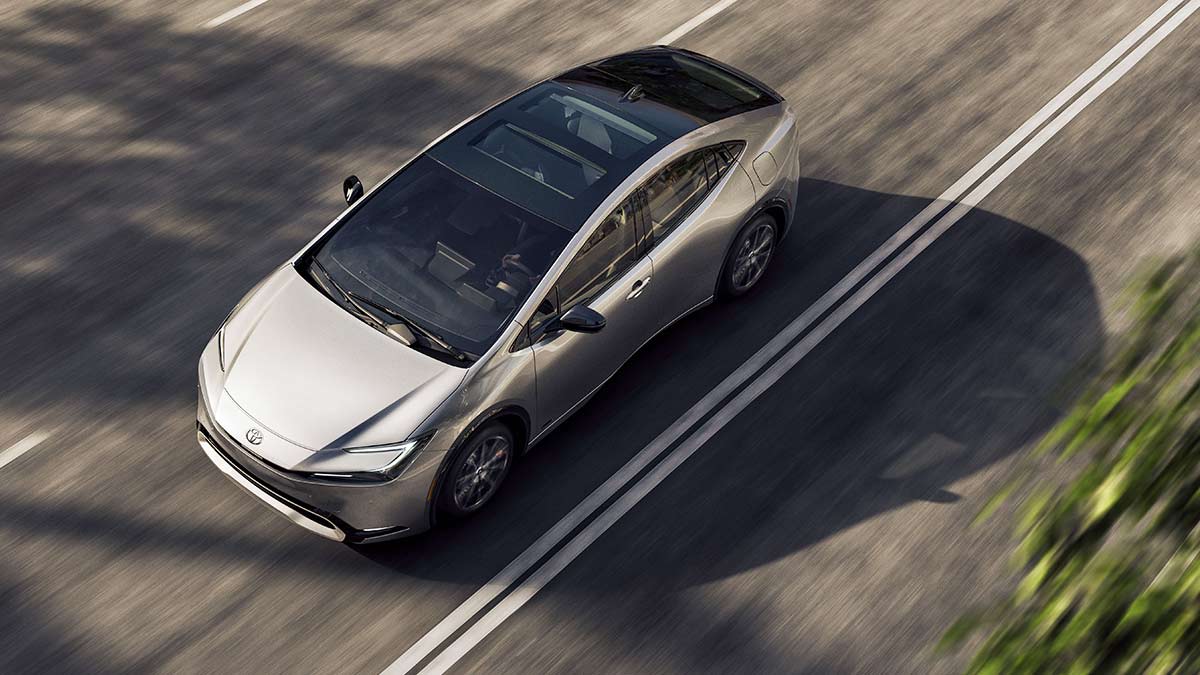
and its strong-selling Prius hybrid. The Prius is not only the most popular hybrid on the market, but it achieved the best
real-world fuel economy—44 mpg—that we’ve recorded in any five-passenger vehicle. Toyota has also released hybrid versions
of the Camry and Highlander SUV, and it has announced plans for more. On the other hand, Toyota also sells many V8-powered
SUVs and trucks that are decidedly less environmentally friendly. Again, you must look at perception vs. reality.
Honda is another hybrid pioneer, having released the first hybrid in the U.S., the two-seat Insight, and hybrid versions of
the Civic and Accord. Even more significant, Honda’s gasoline engines are among the most efficient on the market, often ranking
among the best in class in our real-world fuel economy tests. Honda is also set to introduce a diesel for the North American
market.
Although far behind Toyota and Honda in this ranking, Ford generated buzz when it released the Escape Hybrid, which was the
first hybrid SUV. Ford could also benefit from William Clay Ford Jr.’s public focus on environmental issues. Rounding out
the top five are Chevrolet and GMC, two brands that have been a part of GM’s heavy marketing of flex-fuel vehicles that can
run on E85 ethanol. E85 produces cleaner emissions than gasoline, but our tests of a flex-fuel Chevrolet Tahoe showed that
it got 27 percent lower fuel economy while running on E85 vs. gasoline. GM has also stepped up its hybrid efforts, with recently
introduced Chevrolet Tahoe, GMC Yukon, and Saturn Aura and Vue, plus others coming to market soon.
DESIGN/STYLE
| Brand |
Percent |
| Mercedes-Benz |
24% |
| Lexus |
24 |
| Cadillac |
23 |
| BMW |
20 |
| Jaguar |
18 |
Luxury brands dominate the car-buyer’s awareness for design and styling, probably buoyed by the associated prestige of those
marques. Mercedes-Benz and Lexus virtually tied in this area, with both holding a slim margin over Cadillac. Each of the top
three has a distinctive design identity, ranging from Mercedes’ artful elegance to Lexus’ smooth simplicity, to Cadillac’s
contemporary sharp-edged treatment. Jaguar made the cut here, probably fueled as much by its design heritage as its current
product line. In general, car buyers in this survey rated styling low among purchase considerations, but it’s easy to underestimate
the sales potential of head-turning styling.
TECHNOLOGY/INNOVATION
| Brand |
Percent |
| Toyota |
30% |
| Lexus |
29 |
| Honda |
20 |
| Cadillac |
18 |
| BMW |
17 |
As in the green-car category, Toyota’s and Honda’s high brand-awareness scores for technology and innovation could reflect
their efforts in getting the first hybrid vehicles on the road. Likewise, Lexus introduced the first luxury SUV hybrid—the
RX400h—and the performance-oriented GS Hybrid. Lexus might have also earned points for the much-publicized self-parking system
that was introduced last year in the top-of-the-line LS.
Cadillac’s high ranking could be a result of its tech-loaded models, as well as such heavily promoted technologies as the
OnStar driver-assistance system, Northstar V8, StabiliTrak electronic stability control system, and MagneRide continuously
variable suspension system.
BMW has consistently been a technological innovator, but with mixed results. Like Lexus and Cadillac, its cars are loaded
with advanced electronic systems. But its efforts at reinventing the automotive control system, as exemplified by the complicated
iDrive system, only added complexity and distraction to the driving experience.
Just missing a top-five spot was Mercedes-Benz, which fell just .3 percent behind BMW, before the scores were rounded. Like
BMW, Mercedes has introduced a range of technological innovations to the auto market over the years, but has struggled lately
with finding an integrated control system that is easy to use.
CONCLUSIONThe
Consumer Reports Car Brand Perceptions survey shows that a few brands rank high in consumer perception, with several proving to be leaders
in more than one category. But sometimes, perception doesn’t equal reality. In many cases, consumers’ view does not accurately
reflect the automaker’s recent track record. Clearly, it is well worth researching factors such as depreciation, reliability,
safety test results, and test performance before making a purchase to ensure that you buy the best vehicle for your needs
and budget.