Find the Best Generator for You
We rate and review more than 95 models to help you find a generator that suits your lifestyle.
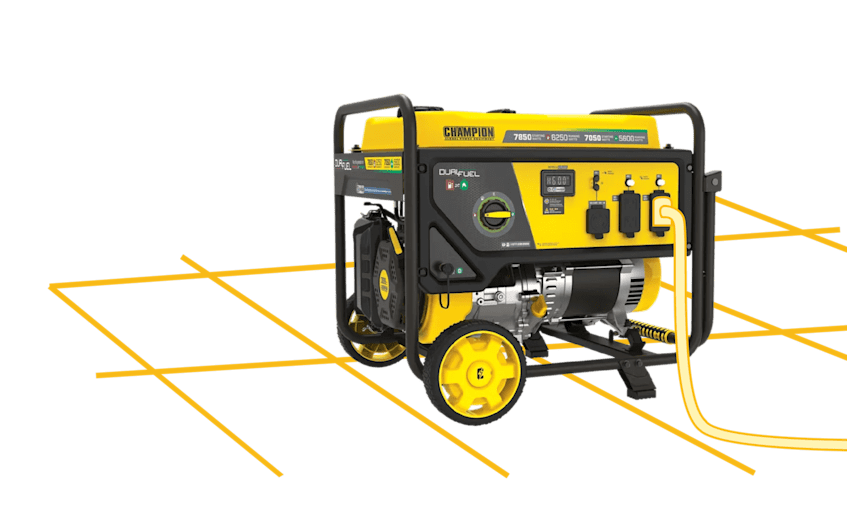
Generator Ratings
Keep your house fully powered and your family safe during emergencies with a standby generator you can rely on.
View our ratings and reviews and browse our buying guide to find the best generators.
Portable Generators (39)
These units tend to cost less than home standby generators. They typically run on gasoline that you may need to store in large quantities. Stabilizer must be added to your fuel for prolonged storage.
. . .Inverter Generators (46)
Because their engines are more complex, these models generally cost more than portable generators of a comparable output.
. . .Home Standby Generators (9)
These units cost more money and should be installed by a pro (so factor in labor costs). An experienced electrician can help with town or municipal permits, noise restrictions, and proper location.
. . .Portable Power Stations (6)
These are powered by an included solar panel or a battery that you can charge by plugging into an electrical outlet. As with a small inverter generator, these are best for cases in which you know you won’t need power for long.
. . .
Recently Tested Generators


More From Consumer Reports
What Home Lead Test Kits Can Tell You and What They Can’t
CR evaluated kits like D-Lead, LeadCheck, and Safe Home. Most DIY kits can detect high levels of lead, but miss lower levels that could still be harmful.
Best Deals on Grills, Lawn Care Tools, and More Outdoor Essentials
Take advantage of these discounts to enjoy your backyard as the weather heats up
9 Things You Should Never Clean With Vinegar
This natural cleaner may damage certain appliances—like irons and dishwashers—if used improperly
Surprisingly Dirty Places in Your Home
Our experts share the best ways to clean areas in the kitchen, bathroom, and bedroom that get dirty easily
Can This Surface Be Pressure-Washed?
Sometimes, a pressure washer is too much of a good thing. Here's how using one might help or harm your deck, roof, car, and more.