In this Article
Text Label
Text minus
Text plus

How to get a good night's sleep

Last reviewed: February 2011
sheep
Illustration by Carl Wiens

Even a half-hour of lost sleep is enough to blunt your problem-solving and verbal skills, reaction time, and stamina, and the evidence of sleep's importance is only growing.

Sleeping less than 7 hours a night can increase the risk of cardiovascular disease, high blood pressure, obesity, and type 2 diabetes, according to a 2010 analysis involving more than 56,000 adults. A small study published in October 2010 in the Annals of Internal Medicine found that a lack of sleep undermined dieters' efforts to lose body fat. (A lack of sleep may alter levels of a sugar- and appetite-regulating hormone.) And sleep helps people remember a newly learned word, according to a study published in November 2010 in the Journal of Neuroscience.

That's not all. In a study last March by the National Sleep Foundation, about one in four Americans married or living with someone said sleep deprivation often leaves them too tired for sex.

What you can do

  • Avoid big meals and caffeine late in the day.
  • Avoid exercise in the 4 hours before bedtime, but regular aerobic exercise earlier in the day can aid sleep.
  • Curb napping if it keeps you awake at night.
  • Go to sleep and wake up at the same times each day.
  • Keep the bedroom cool, dark, and quiet, and use it mostly for sleep or sex.
  • Set a cutoff time for watching TV, texting, and using the computer.
  • Before bedtime, imagine a peaceful setting, meditate, hold deep breaths, or tense and relax large muscle groups.
  • If you wake up during the night and can't fall back asleep within about 20 minutes, go to another room and read until you feel sleepy.
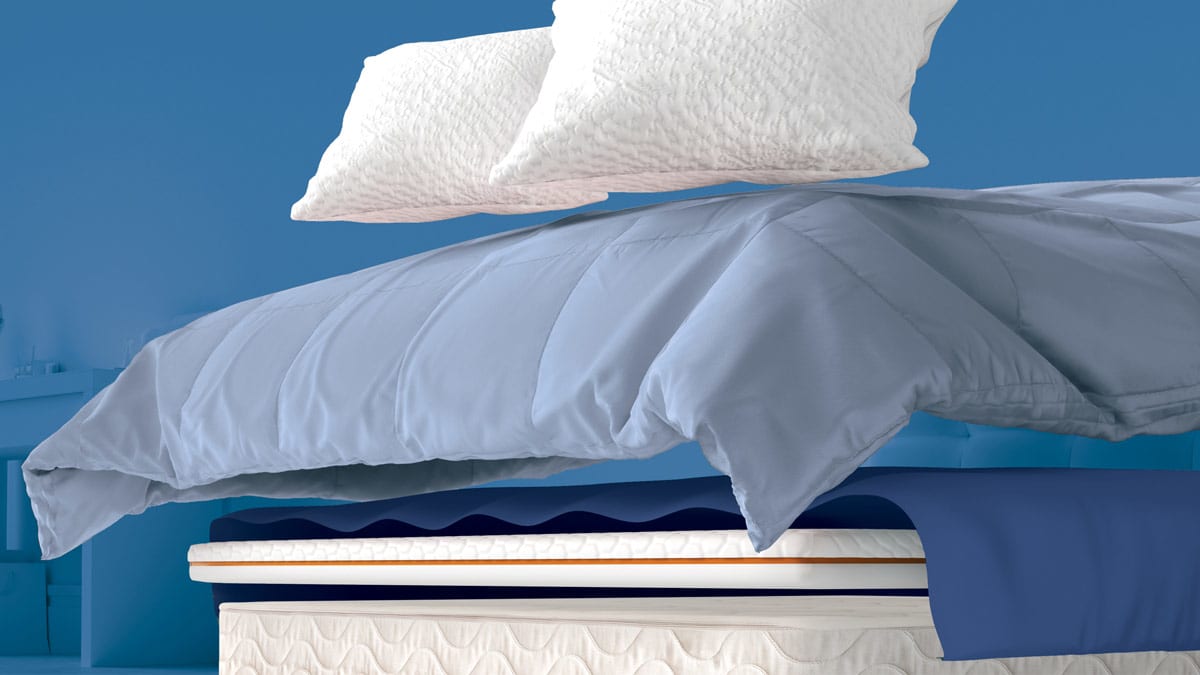
  • Try a new mattress. Seventy-eight percent of problem sleepers said that a new bed helped them get a good night's sleep, according to our 2009 survey of online subscribers.

4 myths about sleep

You need less as you age

Older people need as much as other adults but often get less deep, restful sleep.

Extra sleep prevents daytime fatigue

Some people sleep 8 hours or more but don't feel rested because of poor-quality sleep.

You can make up for lost sleep on weekends

That won't completely compensate—and won't improve impaired weekday performance.

Snoring is OK

It could make you sleepy during the day, more susceptible to heart disease and type 2 diabetes, or indicate sleep apnea, a serious condition.


FREE Email newsletters
Sign up now or click here to manage your email newsletters.