Stroke, emergency care
print Print


News and Hot Topics
Text Label
Text minus
Text plus
Risk factors for stroke

There are many things that can increase your chance of having a stroke. Doctors call them risk factors. Some are things that you can't change.

Yourself
The older you are, the more likely you are to have a stroke. In one study, the average age of people who had a stroke was 72.


Source:
Williams GR, Jiang JG, Matchar DB, et al.
Incidence and occurrence of total (first-ever and recurrent) stroke.
Stroke. 1999; 30: 2523-2528.


1 After the age of 55, your risk of having a stroke doubles every 10 years.

Men are slightly more likely than women to have a stroke (about seven men have a stroke for every six women), although women are more likely to die from a stroke (six women die of a stroke for every four men).

Up to the age of 85, black people are two or three times more likely to have a stroke than white men and women. After that age, their risk drops below that of white men and women.


Source:
Rosamond WD, Folsom AR, Chambless LE, et al.
Stroke incidence and survival among middle-aged adults: 9-year follow-up of the Atherosclerosis Risk in Communities (ARIC) cohort.
Stroke. 1999; 30: 736-743.


2 Mexican Americans are also more likely to have a stroke and are more likely to have hemorrhagic strokes.


Source:
American Heart Association.
Heart disease and stroke statistics: 2007 update.
Circulation. 2007; 115: 69-171. Also available at http://circ.ahajournals.org/cgi/content/full/CIRCULATIONAHA.106.179918 (accessed on 13 August 2008).


3 These differences are due to genes and lifestyle.

If either of your parents has had a stroke, your risk of having one is increased. The reasons for this aren't clear, but they may have to do with similarities in your lifestyle or the genes you have inherited.


Source:
Tegos TJ, Kalodiki E, Sabetai MM, et al.
Stroke: pathogenesis, investigations, and prognosis: Part II of III.
Angiology. 2000; 51: 885-894.


4

A previous stroke
If you've already had a stroke, your chance of having another is higher. The risk of having another stroke is shown in the table below.


Source:
Tegos TJ, Kalodiki E, Sabetai MM, et al.
Stroke: pathogenesis, investigations, and prognosis: Part II of III.
Angiology. 2000; 51: 885-894.


4

Time since your stroke Risk of having another stroke
One month 3% (About 3 people in 100 will have another stroke one month after their first one)
16 months 5% to 14%
20 months 13%
2 years 6% to 14%
5 years 30%
15 years 27%
23 years 32%

Other conditions
High blood pressure
Your blood pressure is a measurement of how much force your blood puts on the walls of your blood vessels. Blood pressure is measured in millimeters of mercury (written as mm Hg). When your blood pressure is taken, the measurement is given as two numbers (120/80 mm Hg, for example). The first, higher number is called the systolic pressure, and the second, lower number is the diastolic pressure. Systolic pressure is when your heart is pumping blood around your body. Diastolic pressure is when your heart is relaxing between beats. You'll hear the numbers described like this: "one-hundred-and-twenty over eighty."

Normal blood pressure varies with age, but


high blood pressure
Your blood pressure is considered to be high when it is above the accepted normal range. The usual limit for normal blood pressure is 140/90. If either the first (systolic) number is above 140 or the lower (diastolic) number is above 90, a person is considered to have high blood pressure. Doctors sometimes call high blood pressure "hypertension."


high blood pressure (hypertension) is an important risk factor for strokes. The higher your blood pressure, the higher your risk of having a stroke. But most people with high blood pressure don't know they have it.

About 40 percent of strokes are linked to high blood pressure. Normal systolic blood pressure is about 120 mm Hg, but blood pressure that is linked with strokes is usually over 140 mm Hg.


Source:
Rutan GH, Kuller LH, Neaton JD, et al.
Mortality associated with diastolic hypertension and isolated systolic hypertension among men screened for the Multiple Risk Factor Intervention Trial.
Circulation. 1988; 77: 504-514.


5 People with blood pressure higher than 120/80 mm Hg are twice as likely to get a stroke as people with lower blood pressure.


Source:
American Heart Association.
Heart disease and stroke statistics: 2007 update.
Circulation. 2007; 115: 69-171. Also available at http://circ.ahajournals.org/cgi/content/full/CIRCULATIONAHA.106.179918 (accessed on 13 August 2008).


3

High blood pressure damages the blood vessels and causes hardening of the arteries (


atherosclerosis
Atherosclerosis is also called "hardening of the arteries." It happens when fatty material attaches to the inner wall of the arteries. Over time, cholesterol, fats and other blood components stick to the same area and the artery wall becomes thick and narrow, making it progressively more difficult for blood to flow through the affected vessels.


atherosclerosis). When this happens, fatty deposits build up in your blood vessels and provide the right conditions for clots to form. This makes an ischemic stroke more likely.

Lowering your blood pressure (usually with pills) can lower your chance of having a stroke.

To learn more, see our information on high blood pressure.

Heart disease
Some types of heart disease can increase your chance of having a stroke. These include:

  •  


    atrial fibrillation
    Atrial fibrillation happens when your heart beats in an uneven or irregular way. Normally the beating of your heart is controlled by electrical signals. The signals make the upper parts of your heart (the atria) squeeze blood into the lower parts which then squeeze blood out into your blood vessels. If you have atrial fibrillation, the electrical signal doesn't work well, so the upper parts of the heart don't beat at the right time.


    Atrial fibrillation
  •  


    heart failure
    When the heart loses its ability to push enough blood through the circulation, it is called heart failure.


    Heart failure
  • A recent heart attack
  • Some types of problems with the heart valves.
If you have atrial fibrillation, your heart beats irregularly because of a problem with the electrical signals in your heart. Atrial fibrillation can cause symptoms such as palpitations (when you feel your heart beating more strongly than usual) or shortness of breath, but people often don't know that they have atrial fibrillation.

If your heart isn't beating regularly, blood isn't pumped out of your heart as well as it should be. So some of the blood may stay in your heart and form small clots. These clots can travel to your brain and cause a stroke.

If you have atrial fibrillation, your chance of having a stroke is 4 percent to 6 percent higher. Many people who have long-term atrial fibrillation are treated with a drug called warfarin (brand name Coumadin). This helps stop blood clots forming.

High cholesterol


cholesterol
Cholesterol is made by your liver or absorbed from food. It is used by your body to make bile acids (which help your intestines absorb nutrients) and steroid hormones (like testosterone or estrogen). Cholesterol is also an important part of cell membranes, which are the structures that surround cells. "Good cholesterol" is called HDL; "bad cholesterol" is LDL.


Cholesterol is a fatty substance found in your body. If you have high levels of a type of cholesterol called LDL cholesterol ("bad" cholesterol), you're more likely to have a stroke or a heart attack.

Large amounts of LDL cholesterol can cause hardening of the arteries (a condition called


atherosclerosis
Atherosclerosis is also called "hardening of the arteries." It happens when fatty material attaches to the inner wall of the arteries. Over time, cholesterol, fats and other blood components stick to the same area and the artery wall becomes thick and narrow, making it progressively more difficult for blood to flow through the affected vessels.


atherosclerosis). Your blood vessels may become clogged with fats, making it more difficult for blood to get through. If blood vessels in your brain become blocked, you may have a stroke.

Reducing your levels of LDL cholesterol, usually with drug treatment, lowers your risk of having a stroke by about a third.


Source:
Sacks FM, Pfeffer MA, Moye LA, et al.
The effect of pravastatin on coronary events after myocardial infarction in patients with average cholesterol levels.
New England Journal of Medicine. 1996; 335: 1001-1009.


6

High levels of other fatty substances called


triglycerides
Triglycerides are the form in which fat is stored in your body. Triglycerides are made from the fat found in food. They can be used by your body for energy.


triglycerides can also increase your risk of having a stroke.

To read more, see our information on high cholesterol.

Diabetes
If you have


diabetes
Diabetes is a condition that causes too much sugar to circulate in your blood. It happens when your body stops making a hormone called insulin (type 1 diabetes) or when insulin stops working (type 2 diabetes).


diabetes, your body doesn't control the level of sugar in your blood properly. Diabetes makes you two or three times more likely to have a stroke.

This is because people with diabetes are more likely to have hardening of the arteries (atherosclerosis), which can cause a stroke and high blood pressure.

To learn more, see our information on diabetes.

Obesity
If you are very overweight (obese) you are more likely to have high blood pressure, high cholesterol and diabetes. All of these are risk factors for a stroke.

Even being a little bit overweight increases your chance of having a stroke, especially if you carry the extra weight around your stomach rather than on your hips and thighs. We don't know why the place your extra weight is carried makes a difference.

To learn more, see our information on obesity.

Lifestyle
Smoking
People who smoke are one-and-a-half times more likely to have a stroke.


Source:
Tegos TJ, Kalodiki E, Sabetai MM, et al.
Stroke: pathogenesis, investigations, and prognosis: Part II of III.
Angiology. 2000; 51: 885-894.


4

Smoking damages the delicate lining of your blood vessels, making your arteries harder and causing them to clog up.

Stopping smoking really helps. Smokers who stop for five years are no more likely to have a stroke than people who have never smoked.


Source:
American Heart Association.
Heart disease and stroke statistics: 2007 update.
Circulation. 2007; 115: 69-171. Also available at http://circ.ahajournals.org/cgi/content/full/CIRCULATIONAHA.106.179918 (accessed on 13 August 2008).


3

Staying active
If you stay active, your chance of having a stroke is reduced, probably because physical activity helps control blood pressure, keeps your weight down and helps keep your levels of "bad" (LDL) cholesterol down.

Exercising also helps keep your heart in good shape so that it's able to pump more blood around your body and cope with any extra stress put on it.

Diet
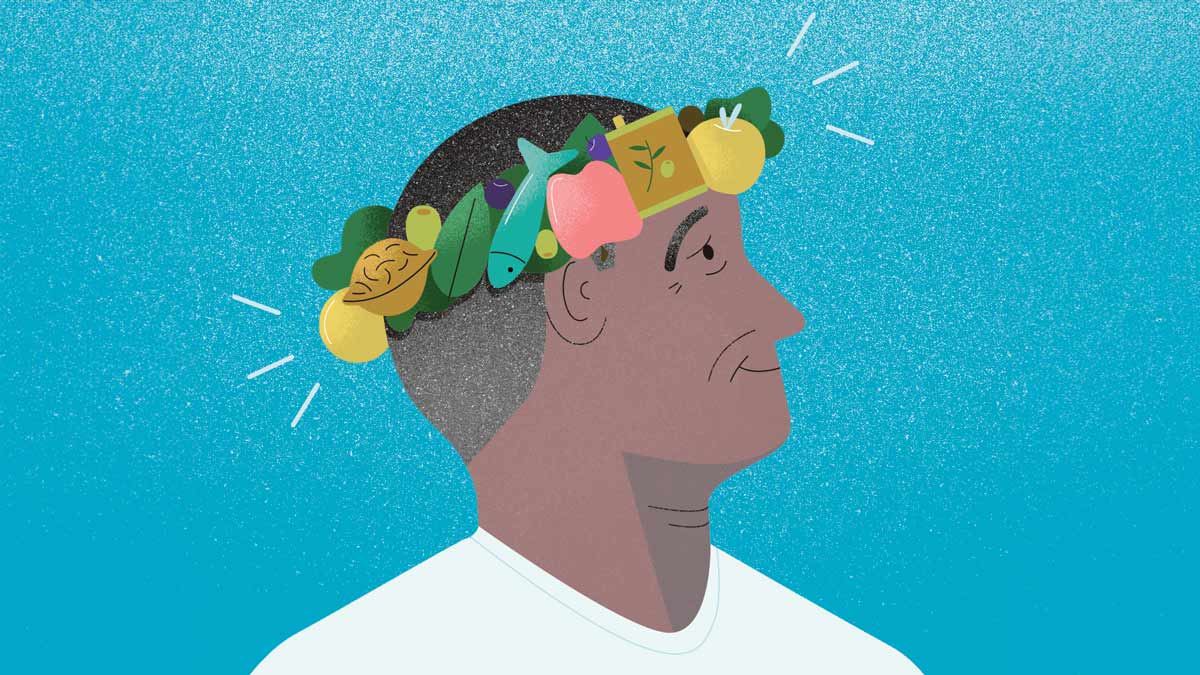
Eating lots of salt increases the risk of having a stroke because it increases your blood pressure. But eating a balanced diet rich in fruit and vegetables and low in


saturated fats
Fat is one of the three nutrients (along with protein and carbohydrate) that supply calories to your body. Fats that we eat can be saturated or unsaturated. Eating too much saturated fat is one of the major risk factors (things that make you likely to get it) of heart disease because it increases the amount of cholesterol in your blood.


saturated fats reduces your blood pressure. Saturated fats are found in dairy products and meat. Eating less fat helps bring down the amount of cholesterol and other fatty substances called triglycerides in your blood.

Alcohol
Drinking a moderate amount of alcohol (one to two glasses of wine or beer a day, and not drinking extra at weekends) can help protect you against having a stroke.

But people who drink more than 30 standard drinks a week are four times more likely to have a stroke than moderate drinkers.


Source:
Gill JS, Zezulka AV, Shipley MJ, et al.
Stroke and alcohol consumption.
New England Journal of Medicine. 1986; 315: 1041-1046.


7 Too much alcohol can raise your blood pressure and increase the risk of a hemorrhagic stroke. One drink means a 12-ounce glass of beer, a five-ounce glass of wine or one-and-a-half ounces of spirits (such as whiskey or gin).

Drugs
People who take cocaine, amphetamines (speed), cannabis (marijuana), ecstasy or heroin are more likely to have a stroke than those who don't. Some of this risk is probably because of the effect these drugs can have on your blood pressure. And some drugs damage your blood vessels.

Medications
Birth-control pills
Older types of birth-control pill (with more than 50 micrograms of estradiol, a form of the hormone


estrogen
Estrogen is the name given to three female sex hormones: oestradiol, oestrone and oestriol. Estrogen causes women's sexual development during puberty: it is needed to develop breasts, have periods and get pregnant. Estrogen is also thought to affect women's health in other ways. It may influence their mood, cholesterol levels and how their bones grow. Men have very low levels of estrogen in their bodies, but doctors aren't completely sure what it does. Estrogen is an important ingredient in most types of contraceptive pill and hormone replacement therapy.


estrogen) were linked with a small increase in the risk of having a stroke.


Source:
Rosamond WD, Folsom AR, Chambless LE, et al.
Stroke incidence and survival among middle-aged adults: 9-year follow-up of the Atherosclerosis Risk in Communities (ARIC) cohort.
Stroke. 1999; 30: 736-743.


2


Source:
Tegos TJ, Kalodiki E, Sabetai MM, et al.
Stroke: pathogenesis, investigations, and prognosis: Part II of III.
Angiology. 2000; 51: 885-894.


4 This may be because the pill can raise your blood pressure and make your blood more likely to clot.

Newer, low-dose birth-control pills (that contain less than 50 micrograms of estradiol) are much safer.


Source:
Rosamond WD, Folsom AR, Chambless LE, et al.
Stroke incidence and survival among middle-aged adults: 9-year follow-up of the Atherosclerosis Risk in Communities (ARIC) cohort.
Stroke. 1999; 30: 736-743.


2


Source:
Tegos TJ, Kalodiki E, Sabetai MM, et al.
Stroke: pathogenesis, investigations, and prognosis: Part II of III.
Angiology. 2000; 51: 885-894.


4

If you smoke and take a birth-control pill or if you have diabetes and take a birth-control pill, you may have an increased risk of having a stroke. But this risk is very small. When you stop taking a birth-control pill this increase in risk disappears.


Source:
Goldstein LB, Adams R, Becker K, et al.
Primary prevention of ischemic stroke: a statement for healthcare professionals from the Stroke Council of the American Heart Association.
Circulation. 2001; 103: 163-182.


8

Hormone replacement therapy (HRT)
Before they go through the menopause women are less likely to have a stroke than men. Women's natural sex hormones (called estrogen and


progesterone
Progesterone is a hormone that plays a part in a woman's menstrual cycle and in pregnancy. A form of this hormone made in the laboratory, called progestagen, is often added to contraceptive pills and hormone replacement therapy (HRT).


progesterone) are thought to protect them from strokes and other conditions that affect the circulation.

But after menopause (when the amount of these hormones in women's bodies falls), a woman's chance of having a stroke increases.

  • Doctors used to think that taking HRT would protect women from strokes because it gives women back some of the hormones they stop making after menopause. But this doesn't seem to be the case. In fact the opposite is true.
  • A large review of the research looked at the results of more than 28 studies that involved nearly 40,000 women who took HRT.


    Source:
    Bath PMW, Gray LJ.
    Association between hormone replacement therapy and subsequent stroke: a meta-analysis.
    BMJ. 2005; 330: 342.


    9 It found that women who took HRT were more likely to have a stroke than those not taking HRT. Researchers followed women for between six months and seven years. The risk of a stroke was about 2 in 100 for women not taking HRT and about 3 in 100 for women who took it.
  • HRT increased the risk of the type of stroke caused when a blood clot stops blood reaching your brain (called an ischemic stroke).
  • After a stroke women who were taking HRT didn't recover as much as women who weren't taking HRT.


    Source:
    Bath PMW, Gray LJ.
    Association between hormone replacement therapy and subsequent stroke: a meta-analysis.
    BMJ. 2005; 330: 342.


    9

Sources for the information on this page:
  1. Williams GR, Jiang JG, Matchar DB, et al.Incidence and occurrence of total (first-ever and recurrent) stroke.Stroke. 1999; 30: 2523-2528.
  2. Rosamond WD, Folsom AR, Chambless LE, et al.Stroke incidence and survival among middle-aged adults: 9-year follow-up of the Atherosclerosis Risk in Communities (ARIC) cohort.Stroke. 1999; 30: 736-743.
  3. American Heart Association.Heart disease and stroke statistics: 2007 update.Circulation. 2007; 115: 69-171. Also available at http://circ.ahajournals.org/cgi/content/full/CIRCULATIONAHA.106.179918 (accessed on 13 August 2008).
  4. Tegos TJ, Kalodiki E, Sabetai MM, et al.Stroke: pathogenesis, investigations, and prognosis: Part II of III.Angiology. 2000; 51: 885-894.
  5. Rutan GH, Kuller LH, Neaton JD, et al.Mortality associated with diastolic hypertension and isolated systolic hypertension among men screened for the Multiple Risk Factor Intervention Trial.Circulation. 1988; 77: 504-514.
  6. Sacks FM, Pfeffer MA, Moye LA, et al.The effect of pravastatin on coronary events after myocardial infarction in patients with average cholesterol levels.New England Journal of Medicine. 1996; 335: 1001-1009.
  7. Gill JS, Zezulka AV, Shipley MJ, et al.Stroke and alcohol consumption.New England Journal of Medicine. 1986; 315: 1041-1046.
  8. Goldstein LB, Adams R, Becker K, et al.Primary prevention of ischemic stroke: a statement for healthcare professionals from the Stroke Council of the American Heart Association.Circulation. 2001; 103: 163-182.
  9. Bath PMW, Gray LJ.Association between hormone replacement therapy and subsequent stroke: a meta-analysis.BMJ. 2005; 330: 342.
This information was last updated on Sep 01, 2008
BMJ Group
This information is for educational use only, and is not a substitute for prompt professional medical advice. Readers should always consult a physician or other professional for advice and treatment.
© BMJ Publishing Group Limited 2009. All rights reserved.