Babyproofing at Home: Your Baby Safety Checklist
From CR’s child safety experts: An age-by-age and room-by-room guide to making your home safer for babies and toddlers


Babyproofing tools need to withstand some heavy use in order to protect little hands, heads, and feet from potential hazards around the house. CR tested dozens of babyproofing products, including doorknob covers, cabinet locks, corner guards, edge protectors, stove knob covers and locks, and safety gates to find the ones that work best. We also consulted with some of the country’s leading experts on babyproofing to put together a comprehensive babyproofing checklist that should cover every corner of your home.
Inside Our Labs
How we test babyproofing products
In our lab, we tested 32 different babyproofing products across four categories, from stove knob covers to corner guards, doorknob covers to cabinet locks. We put each product through rigorous durability testing and also looked at how easy (or complicated) it was to install, use, and remove. We also interviewed four child safety experts about which products you actually need for babyproofing—and which ones you don’t.
Of course, even the best babyproofing should never be considered a substitute for a caregiver’s supervision: “A false sense of security can be problematic in some cases,” Amézquita says. Even after installing a babyproofing product, you’ll want to check it regularly to ensure it hasn’t peeled, cracked, or otherwise failed due to repeated use.
Ready to get started? See our expert tips for making your home a safer place for babies and young children, below.

Photo: Getty Images Photo: Getty Images
Babyproofing Guide by Age
It’s easy to get overwhelmed by the mere idea of babyproofing—especially while you’re also caring for a baby. That’s why breaking up the project into smaller to-dos can be so helpful. “I teach parents to ‘triage’ babyproofing,” says Darria Long Gillespie, MD, a pediatric emergency medicine physician, clinical assistant professor at the University of Tennessee College of Medicine, and founder of No-Panic Parenting.
She explains that there are certain steps you’ll want to take before baby arrives, like making sure you have a safe sleeping space for your infant, such as a crib or a bassinet, as well as a safe child car seat and a safe way to bathe your baby.
“As an ER doctor, I’m constantly evaluating risk, and so I want to help parents to know what is riskiest and start there first,” says Long Gillespie. “Statistically, sleep, vehicles, and drowning account for around 79 percent of accidental infant mortality in the first year, which is why I have parents start” their babyproofing efforts in those areas, she says.
As for the later stages of babyproofing, like securing furniture and electrical outlets, “you have a little more time,” according to Long Gillespie. Just make sure they’re done by the time your baby is more mobile, around six months.
Here’s how to tackle babyproofing stage by stage, based on your baby’s age:
Before Baby's Birth
At this stage: Parents are getting prepped.
- Set up a separate safe sleeping space in your bedroom: The American Academy of Pediatrics (AAP) recommends room-sharing with a caregiver (but not bed-sharing) for the baby's first six months. Make space in your bedroom for a crib, bassinet, or play yard that has a firm, flat sleep surface. Cover your baby's mattress with a fitted sheet only, and don't add any additional blankets, pillows, or toys. Baby loungers or pillows should never be used for sleep, and always place your baby down on their back to sleep.
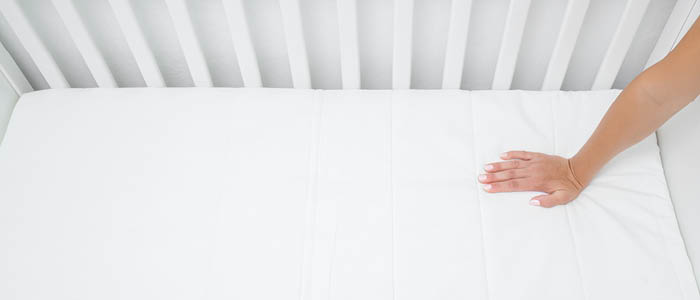 Photo: Getty Images Photo: Getty Images
- Get a car seat and make sure it's securely installed: If you're planning to transport your baby in a car, you'll need an appropriate car seat to secure them. Infant car seats are designed for the smallest passengers and include caregiver conveniences like a carry handle, and many can be connected to a compatible stroller to create a whole travel system for your baby. As an alternative, all-in-one car seats are a versatile option that can grow with your baby through booster age, but these seats tend to stay installed in the vehicle and are big and bulky, making it more difficult to move them between cars or bring a sleeping baby indoors. If your baby is asleep in their car seat, be sure to move them to a flat, safe sleep environment once inside. You can access a certified passenger safety technician to install your car seat through Safe Kids Worldwide.
- Have a baby bathtub ready: You'll need a dedicated baby bathtub that can fit inside your regular tub, and that has a built-in sling or inclined seat to support your little one's head and neck before they're able to sit up and splash on their own. If you're able, set your home's water heater temperature to 120º F to avoid accidental scalds and burns during bathtime, too.
- Prepare your pets: Welcoming a baby can prove stressful for some pets. Make sure to make slow introductions and "don't forget to provide a way to separate babies and pets for times when the caregiver isn't within arms' reach," says Cowles. That could be with a safety gate to block off your baby's room, or a crate for your pet to sleep in.
Best and Worst Furniture Tip-Over Kits From Our Tests
Babyproofing for Age 0 to 6 Months
At this stage: Baby is reaching and rolling.
- Anchor furniture and TVs: Even if your little one's not rolling over just yet, they may be exploring their environment by reaching. Heavy furniture, TVs, mirrors, and appliances could present a tip-over risk if not properly anchored to a wall. "Furniture in the playroom or kids bedrooms are a must, but I'd also consider items in other rooms where the kids might spend some time," says Cathy Pedrayes, CPST, Child Safety Advocate, and author of "The Mom Friend Guide to Everyday Safety and Security".
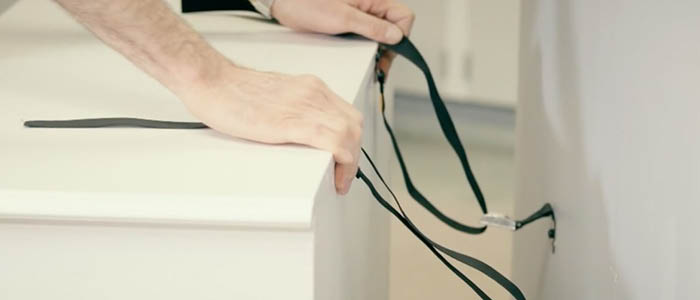 Photo: Consumer Reports Photo: Consumer Reports
- Secure any cords: Electrical cords, like those from a baby monitor or sound machine, can be a strangulation hazard. You can use a cord cover to affix an electrical cord to a wall or along a corner. Also check for cords from window coverings like blinds and shades: Cowles recommends changing window coverings to cordless window blinds and shades if you can. If you can't convert to cordless window coverings, run the cord down the back of the blinds so it isn't visible to your child. If the cord is still visible when you pull the blinds up, use a clip to pin them behind the blinds.
- Cover outlets: To prevent a tiny finger from poking into an electrical outlet, outlet covers can be a useful precaution.
- Remove small objects: Do a sweep to remove any small objects that could present a choking risk, like coins, or toys from an older sibling, like marbles, small balls, or other small objects, that a baby might grasp and put in their mouth. Small magnets or button batteries can be especially dangerous to internal organs and tissues if ingested or inserted. To help determine what's a hazard, remove any items that can fit through a toilet paper tube.
- Place houseplants up high: Some plants can be toxic if your baby decides to taste-test a leaf or a bloom—and some potted houseplants can be a surprisingly heavy tip-over hazard if your little one pulls on a leaf or branch. Place houseplants out of reach and in a place where they can't be pulled over.
Best and Worst Safety Gates From Our Tests
Babyproofing for Age 6 to 9 Months
At this stage: Baby is scooting, rolling, and/or crawling.
- Consider installing safety gates: Block access to high-risk areas like stairs, fireplaces, pet spaces, or even the kitchen to keep your newly mobile baby safer while they explore.
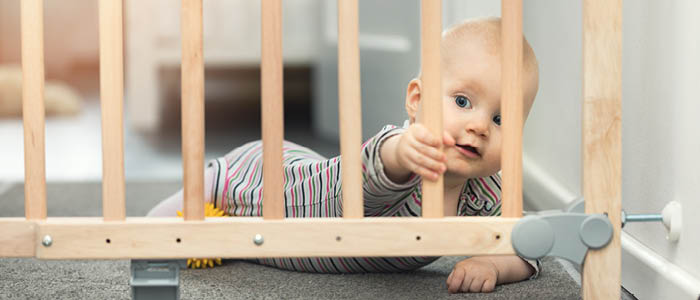 Photo: Getty Images Photo: Getty Images
- Lock cabinets: Cabinets that house cleaning supplies, medications, or sharp items should be locked with a cabinet lock or strap. It's even better if you can place these items high up and out of reach.
- Keep a keen eye out for problem areas: "My approach is to walk around my house as if I were a baby or toddler and envision what could be a risk from their level," says Pedrayes. "[Look out for] what is accessible to them, whether that be cords, outlets, coats, cabinets, or shelves, etc., and then I go from there," she says.
- Cover sharp corners and edges: As your little one starts to move around the house more, they may bump into low tables or edges. A little padding from corner guards and edge protectors can cushion any accidental falls.
- Keep their sleep space safe: If your baby now sleeps in their own room, make sure it's safe from any dangling objects, cords, or wires—check to make sure they can't reach the baby monitor, nightlight, or mobile. Also ensure that dressers and bookshelves are anchored to the wall, and that your baby has a crib or play yard with a firm, flat mattress to sleep on.
Best and Worst Cabinet Locks From Our Tests
Our testers found that some cabinet locks were surprisingly easy to break open
Babyproofing for Age 9-12 Months
At this stage: Cruising, pulling up, and/or walking.
- Install gates at the top and bottom of stairs: Your baby is likely moving a lot faster now, and stairs can present a serious fall risk. Keep climbers and curious tots safer by placing a hardware-mounted gate at both ends of the staircase.
- Add doorknob covers: You may want to add doorknob covers or lever handle locks to rooms you don't want your child to enter without an adult, like the bathroom or your bedroom. Doorknob covers are not a great solution for exterior doors, because they can hinder a quick exit in an emergency. For exterior doors, try installing a separate latch lock near the top of the door.
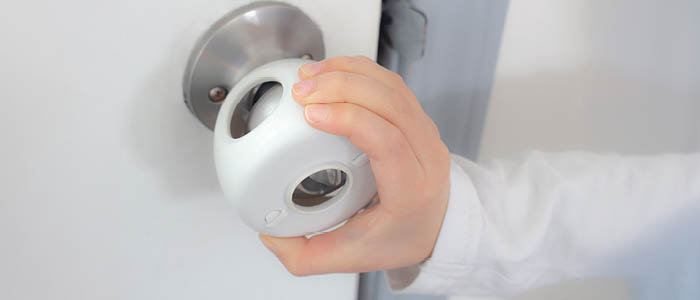 Photo: Getty Images Photo: Getty Images
- Install stove knob covers: Those big, shiny dials on the front of your stove are all too tempting for tiny hands. Stove knob covers can be a helpful deterrent.
- Consider appliance locks: Strap locks can be useful for making sure your tiny explorer doesn't get into the toilet or try to open the oven.
- Place breakable items up higher: Now that your little one might be trying to scale the couch or the bookshelf (remember to anchor big furniture!), it may be wise to store breakable or delicate items or place them even further out of reach. If they're tempted by an item, just don't let them see where you put it, says Long Gillespie. "I see parents who did this and put it on a bookshelf—and guess what, 2 hours later, the child comes in [to the ER] because they tried to climb that bookshelf. Kids are danger ninjas, and they will try anything when you're not looking," she says.
Best and Worst Stove Knob Covers From Our Tests
Prevent little explorers from accidentally creating a fire hazard in the kitchen
Babyproofing for the Toddler Years and Beyond
At this stage: Gaining independence—and testing limits.
- Store purses and coats out of reach: "Purses especially can contain coins, batteries, medicines, self-defense tools like pepper spray, pocket knives, so I have guests put them on high hooks or in a closet where [they're] less accessible," says Pedrayes.
- Raise up corner and edge guards: As your little one becomes more upright, some countertops and table edges might now be at head height, which means more edge and corner covers may be warranted.
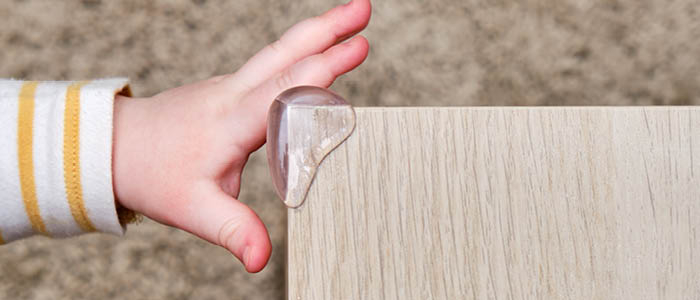 Photo: Getty Images Photo: Getty Images
- Lock higher cabinets as needed: As your tiny tot gets taller, you may need to add cabinet locks to higher cabinets or drawers for extra safety.
- Reinforce safety gates: Once your little one's walk turns into an all-out run, check any safety gates you've installed to make sure they can withstand a stronger force if pushed or knocked into.
- Keep up with pool safety: "If you have a pool, layered safety measures are essential," says Pedrayes. Tall fencing with a lock on the gate, a pool cover, and a pool alarm can all help prevent a child from accidentally accessing a pool unsupervised, according to the National Drowning Prevention Alliance. Be sure to set family pool rules that you follow every time you swim, such as waiting for an adult before entering the water, always having an adult supervise swim time, and incorporating regular swim breaks.
- Take steps for outdoor safety: Your kiddo might start to become more adventurous outside as they start to walk and run. Safely stow gardening and lawn care tools, outdoor chemicals like pesticides or herbicides, and other potential hazards so their play space stays safe.
- Practice essential gun safety: If you keep a gun in your home, store it unloaded in a locked gun safe and be sure to store ammunition separately. Studies show that teaching kids about gun safety or not to touch a gun if they find one is not enough to prevent unintentional gun injuries or suicide when a gun is stored in the home, according to the AAP.
- Have frequent safety conversations: As your child grows, it's helpful to have regular conversations about your family's safety rules both in and out of the home, like staying away from the hot stove, how to safely use a knife for chopping food, how to use scissors, as well as where to play safely outside and what to do before crossing the street.
- Consider other caregivers' homes: If your child regularly visits grandparents' or other caregivers' homes, it's a good idea to remind your child's caregivers of important safety tasks like anchoring heavy furniture with anti-tip kits, covering easily accessible outlets, and keeping small objects like loose change and batteries out of reach. Also, make sure your child has a safe sleeping arrangement if they'll be taking naps or spending the night.
Best and Worst Corner and Edge Guards From Our Tests

Photo: Getty Images Photo: Getty Images
Babyproofing Guide by Room
Looking to babyproof a few key rooms in your home? It can be helpful to have an overview of what to look for in each space. “That said, you don’t have to babyproof every room in the house, but you should have at least one room where the kids can play safely without you being in high-alert mode,” says Pedrayes.
One of the biggest misconceptions parents tend to have around child safety at home is that parental supervision is enough, says Pedrayes. “Accidents can happen in seconds, and while we can’t protect our babies from ever getting hurt, we can protect them from most of the big accidents,” she says. Taking steps to anchor furniture and install doorknob covers, locks, or safety gates can go a long way in prevention.
Babyproofing Your Kitchen
- Install stove knob covers.
- Consider appliance locks on refrigerators, ovens, or other kitchen appliances.
- Keep small-appliance cords out of reach.
- Lock high-risk cabinets and drawers, especially those that contain dishwasher. or laundry pods, or cleaning supplies.
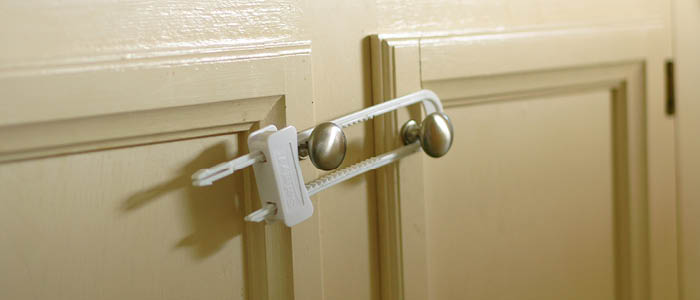 Photo: Getty Images Photo: Getty Images
- Watch for hot surfaces and appliances.
- Avoid hanging towels on the oven bar.
- Choose a secure toddler tower, if using one.
- Check your smoke alarm and carbon monoxide detector.
Babyproofing Your Bathroom
- Install a doorknob cover.
- Use a baby bathtub that’s appropriate for your child’s age and development. stage, and always supervise bathtime, staying within arm’s reach.
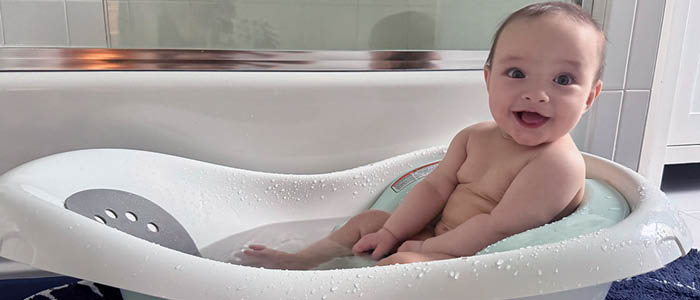 Photo: Laura Murphy, Consumer Reports Photo: Laura Murphy, Consumer Reports
- Use a toilet lid lock.
- Place anti-slip mats in the tub or on the floor.
- Lock up medication or cleaning supplies.
- Adjust your water heater’s temperature to 120º F.
- Do not use infant neck floats.
Babyproofing Your Child's Room
- Replace corded window blinds or curtains with cordless versions, or secure any window or blind cords safely out of reach.
- Secure cords from baby monitors, white noise machines, lamps, nightlights, or other devices.
- Use outlet covers for any outlets that may be easily accessible.
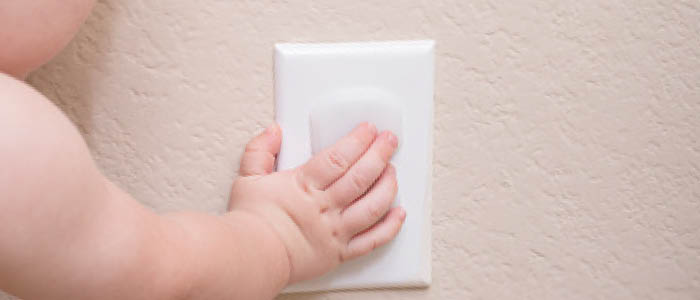 Photo: Getty Images Photo: Getty Images
- Ensure any baby mobiles are out of reach of little arms.
- Anchor big furniture, like dressers, changing tables, and bookshelves.
- Set up a safe sleep space for your baby, which includes a crib, bassinet, or play yard with a firm, flat mattress covered only with a fitted sheet. No other objects should be placed in your baby’s sleeping space.
- Regularly check for broken toys, button batteries, or other small objects that could pose a choking hazard.
- Check your smoke alarm and carbon monoxide detector.
Babyproofing Your Living Room or Play Area
- Replace corded window blinds or curtains with cordless versions, or secure any window or blind cords safely out of reach.
- Anchor big furniture, like cabinets, hutches, bookshelves, credenzas, and freestanding TVs.
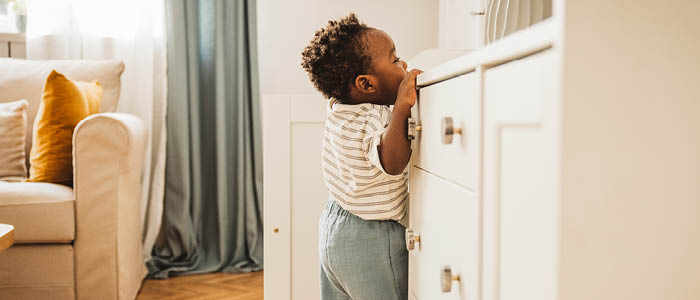 Photo: Getty Images Photo: Getty Images
- Secure loose cords from electronics and use outlet covers for any outlets that may be easily accessible. Store any remotes or other electronic devices with batteries out of reach.
- If you have a working fireplace, set up a safety gate around the fireplace.
- Remove breakable or delicate items and store small objects high out of reach (ideally where a baby can’t climb to reach them).
- Install edge guards and corner protectors around sharp edges, such as on a coffee table, window ledge, or fireplace hearth.
- Place any houseplants out of reach—and in a spot where they can’t be pulled over.
- Check your smoke alarm and carbon monoxide detector.
Babyproofing Your Bedroom
- Install a doorknob cover.
- Secure loose cords from electronics and use outlet covers for any outlets that may be easily accessible.
- Replace corded window blinds or curtains with cordless versions, or secure any window or blind cords safely out of reach.
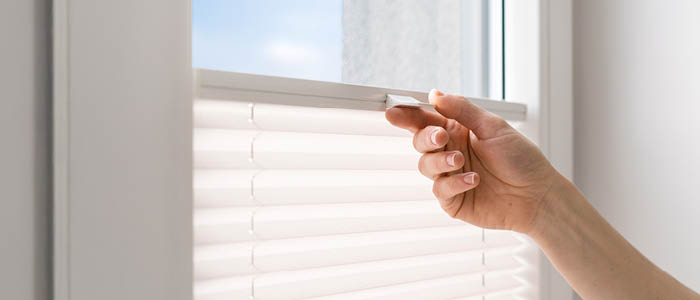 Photo: Getty Images Photo: Getty Images
- Anchor big furniture, like dressers, cabinets, bookshelves, and freestanding TVs.
- Lock up any medication.
- Place any houseplants out of reach—and in a spot where they can’t be pulled over.
- Safely store small objects like loose coins, buttons, batteries, and jewelry.
- Check your smoke alarm and carbon monoxide detector.
Other Areas Not to Overlook When Babyproofing
While you’re babyproofing, it’s also a good time to check up on these other home safety to-dos.
Chipping paint: Take steps to cover or safely remove chipping paint. But take note that if your home was built before 1978, it’s more likely to have lead paint. The best way to make sure is to have your paint tested for lead by an EPA-certified lead professional. Consider painting over any cracked, damaged, or peeling paint to seal it in, as well as dusting and cleaning your home frequently, and following the additional steps the EPA recommends to reduce lead exposure.
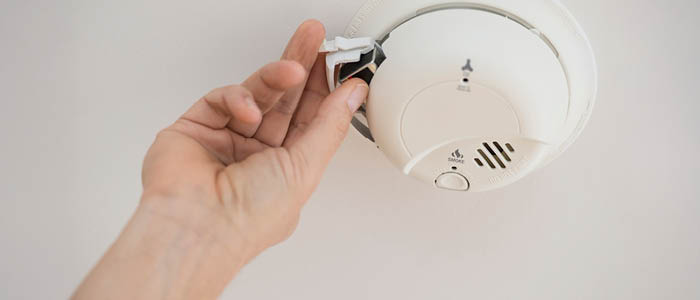
Photo: Getty Images Photo: Getty Images
Smoke detectors: Regularly check smoke detectors and carbon monoxide detectors for proper functionality and battery levels, as needed. CR offers advice on the best ones.
Water testing: Consider testing your tap water, and if you’re on city water, requesting your annual water quality report to see if a water filter is warranted.
Indoor air quality: Consider testing indoor air quality for contaminants such as mold, radon, and other harmful substances, changing your HVAC filter, and installing an air quality monitor and/or an air purifier.
FAQs About Babyproofing Products
When Should You Start Babyproofing?
The best time to start babyproofing your home is before baby is born, starting with a few simple tasks like creating a safe sleeping environment and a safe place to give your baby a bath. After your baby is born, you can tackle babyproofing tasks as your baby grows.
Remember that babies develop quickly in their first year, and your little one may surprise you by hitting developmental milestones like reaching, rolling, and crawling before you expect it. As exciting as these parenting moments are, they also serve as a reminder to think ahead to the next stage as you babyproof your home. Every child safety expert we spoke to recommended babyproofing before you need to.
You don’t necessarily have to babyproof your entire home, but it’s helpful to have at least one room where your baby can play safely without you being on high alert for potential safety risks. “I think it’s super stressful to think you’ll keep an eagle eye on your child every single second,” says Long Gillespie, the pediatric ER doctor. She recommends creating “safe zones” where you’ll know your child is safe—and you can breathe a little easier.
Are Whole-Household Babyproofing Kits Worthwhile?
CR hasn’t tested whole-home babyproofing kits, but based on our evaluations of separate babyproofing product categories, you might want to consider purchasing individual products to suit your babyproofing needs rather than purchasing a kit. We didn’t find a single brand that topped our list for all the categories we tested, which suggests that combination kits may not offer the best value.
When Can You Stop Babyproofing?
Deciding on the right time to stop babyproofing will depend on the child—there’s no official age when childproofing ends. Once your child can start to defeat the babyproofing products you’ve installed to protect them, it might be time to phase them out. But some steps, like safe gun storage, should be followed no matter the age of the child. It’s a good idea to have regular conversations with your little one about your home safety rules so they can start to gain more independence and keep themselves safe.
More Babyproofing Resources
Looking for more support around babyproofing, or help with installation? The nonprofit Charlie’s House offers an interactive virtual home tour to walk you through childproofing needs in every room of the house. The AAP, Child Injury Prevention Alliance, and the International Association for Child Safety (a professional childproofing organization) also offer additional resources and checklists to address more specific babyproofing needs.


