 GREEN CHOICE
The EPA has certified this vehicle as among the 20 percent lowest-emitting passenger vehicles for its model year, based on government greenhouse gas and smog ratings.
The EPA has certified this vehicle as among the 20 percent lowest-emitting passenger vehicles for its model year, based on government greenhouse gas and smog ratings.
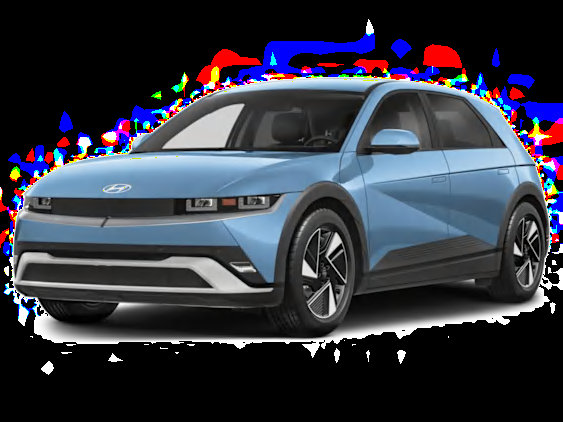
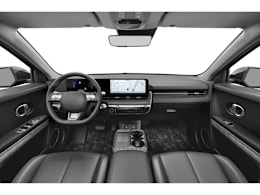
Hyundai Ioniq 5

EPA Range:
290 miles
EPA Range:
290 miles
Reliability
Predicted Reliability
We expect the 2026 Ioniq 5 will be less reliable than the average new car. This prediction is based on data from 2023, 2024 and 2025 models.
The 2026 Hyundai Ioniq 5 has been recalled 2 times by NHTSA.
View Recalls
The 2026 Hyundai Ioniq 5 has been recalled 2 times by NHTSA.
View Recalls
New Models Predicted Reliability
This Car
0
100
0 - 100
Hyundai Ioniq 5
Hyundai Ioniq 5
vs. Similar Cars
Chevrolet Blazer ...
Chevrolet Blazer EV
Chevrolet Equinox...
Chevrolet Equinox EV
Ford Mustang Mach...
Ford Mustang Mach-E
Honda Prologue
Honda Prologue
Jeep Wagoneer S
Jeep Wagoneer S
Kia EV6
Kia EV6
Mini Countryman E...
Mini Countryman EV
Nissan Ariya
Nissan Ariya
Subaru Solterra
Subaru Solterra
Tesla Model Y
Tesla Model Y
Toyota bZ
Toyota bZ
Toyota bZ4X
Toyota bZ4X
Volkswagen ID4
Volkswagen ID4
Hyundai vs. Other New Car Brands Reliability
Reliability History
*
Redesign year
Overall Reliability Verdict
POTENTIAL TROUBLE SPOTS
Overall Reliability Verdict
Potential Trouble Spots
2000
2001
2002
2003
2004
2005
2006
2007
2008
2009
2010
2011
2012
2013
2014
2015
2016
2017
2018
2019
2020
2021
2022*
2023
2024
2025
Powertrain
2000
2001
2002
2003
2004
2005
2006
2007
2008
2009
2010
2011
2012
2013
2014
2015
2016
2017
2018
2019
2020
2021
2022*
2023
2024
2025
Electric Motor
2000
2001
2002
2003
2004
2005
2006
2007
2008
2009
2010
2011
2012
2013
2014
2015
2016
2017
2018
2019
2020
2021
2022*
2023
2024
2025
EV Battery
2000
2001
2002
2003
2004
2005
2006
2007
2008
2009
2010
2011
2012
2013
2014
2015
2016
2017
2018
2019
2020
2021
2022*
2023
2024
2025
EV Charging
2000
2001
2002
2003
2004
2005
2006
2007
2008
2009
2010
2011
2012
2013
2014
2015
2016
2017
2018
2019
2020
2021
2022*
2023
2024
2025
Drive System
2000
2001
2002
2003
2004
2005
2006
2007
2008
2009
2010
2011
2012
2013
2014
2015
2016
2017
2018
2019
2020
2021
2022*
2023
2024
2025
Show all Powertrain Trouble Spots
Suspension/Steering
2000
2001
2002
2003
2004
2005
2006
2007
2008
2009
2010
2011
2012
2013
2014
2015
2016
2017
2018
2019
2020
2021
2022*
2023
2024
2025
Brakes
2000
2001
2002
2003
2004
2005
2006
2007
2008
2009
2010
2011
2012
2013
2014
2015
2016
2017
2018
2019
2020
2021
2022*
2023
2024
2025
Climate System
2000
2001
2002
2003
2004
2005
2006
2007
2008
2009
2010
2011
2012
2013
2014
2015
2016
2017
2018
2019
2020
2021
2022*
2023
2024
2025
Build Quality
2000
2001
2002
2003
2004
2005
2006
2007
2008
2009
2010
2011
2012
2013
2014
2015
2016
2017
2018
2019
2020
2021
2022*
2023
2024
2025
Electrical Accessories
2000
2001
2002
2003
2004
2005
2006
2007
2008
2009
2010
2011
2012
2013
2014
2015
2016
2017
2018
2019
2020
2021
2022*
2023
2024
2025
Body Hardware
2000
2001
2002
2003
2004
2005
2006
2007
2008
2009
2010
2011
2012
2013
2014
2015
2016
2017
2018
2019
2020
2021
2022*
2023
2024
2025
Paint/Trim
2000
2001
2002
2003
2004
2005
2006
2007
2008
2009
2010
2011
2012
2013
2014
2015
2016
2017
2018
2019
2020
2021
2022*
2023
2024
2025
Noises/Leaks
2000
2001
2002
2003
2004
2005
2006
2007
2008
2009
2010
2011
2012
2013
2014
2015
2016
2017
2018
2019
2020
2021
2022*
2023
2024
2025
Show all Build Quality Trouble Spots
In-car Electronics
2000
2001
2002
2003
2004
2005
2006
2007
2008
2009
2010
2011
2012
2013
2014
2015
2016
2017
2018
2019
2020
2021
2022*
2023
2024
2025
Reliability indicates how models have performed in the past, providing the basis for predicting
how the vehicles will hold up in the year ahead. These charts provide the most comprehensive reliability
information available to consumers. Based on information received from our latest subscriber survey for
about 380,000 vehicles, our reliability history charts give
you a rundown on how 2000 through 2025 vehicles are holding up in 20 potential
trouble spots, ranging from the engine, transmission, electric motor, EV charging, and brakes,
to power equipment and the electrical accessories.
Recalls
PROVIDED BY

ELECTRICAL SYSTEM
Feb 05, 2026
An electrical short in the high voltage battery system increases the risk of a fire.
Summary:
Hyundai Motor America (Hyundai) is recalling certain 2025-2026 IONIQ 5 and 2026 IONIQ 9 vehicles. The high voltage battery system may contain an improperly tightened bus bar, which can cause a short-circuit.
What should you do:
Dealers will inspect and tighten the bus bar retention bolts and replace the battery system assembly, as necessary, free of charge. Owner notification letters were mailed April 3, 2026. Owners may contact Hyundai customer service at 1-855-371-9460. Hyundai's number for this recall is 294. Vehicle Identification Numbers (VINs) involved in this recall became searchable on NHTSA.gov on February 7, 2026.
For more information:
NHTSA CAMPAIGN ID Number:
26V068000
Potential Number of Units Affected:
27
ELECTRICAL SYSTEM
Jan 26, 2026
An instrument panel display that fails to show critical safety information, such as the speedometer or warning lights, increases the risk of a crash.
Summary:
Hyundai Motor America (Hyundai) is recalling certain 2025-2026 Tucson Hybrid, Tucson Plug-In Hybrid Electric (PHEV), 2026 IONIQ 5, Santa Cruz, Kona, Palisade, Palisade Hybrid, Santa Fe, Santa Fe Hybrid, Sonata, Sonata Hybrid, and Tucson vehicles. Due to a software error, the instrument panel display may fail. As such, these vehicles fail to comply with the requirements of Federal Motor Vehicle Safety Standard (FMVSS) number 101, "Controls and Displays."
What should you do:
The instrument panel display software will be updated over-the-air (OTA) or by a dealer, free of charge. Owner notification letters were mailed March 24, 2026. Owners may contact Hyundai's customer service at 855-371-9460. Hyundai's number for this recall is 293. Vehicle Identification Numbers (VINs) involved in this recall became searchable on NHTSA.gov on January 28, 2026.
For more information:
NHTSA CAMPAIGN ID Number:
26V047000
Potential Number of Units Affected:
41651
Check Vehicle for Unrepaired Recalls
Enter a valid 17-character VIN
Enter a valid 17-character VIN