The redesign year indicates that the car is either introduced for the first time or an existing model has been
significantly re-engineered. The more extensive or complicated the redesign, the higher the risk of reliability problems.
2019 Model Redesign Year
The redesign year indicates that the car is either introduced for the first time or an existing model has been
significantly re-engineered. The more extensive or complicated the redesign, the higher the risk of reliability problems.
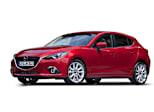
The Mazda3 is offered in sedan and hatchback forms.
In our tests the standard 2.5-liter four-cylinder and six-speed automatic delivered responsive and predictable acceleration.
The uplevel engine is a more powerful 2.5-liter turbo four-cylinder.
All-wheel drive is also available and comes standard with the turbo.
Handling is nimble in corners and secure even when pushed to its limits on our track.
The ride is firm but steady, and the suspension absorbs impacts well, though the turbo version is stiffer.
The cabin is relatively quiet and nicely finished, but the rear seat is snug.
The infotainment system is controlled by a rotary knob unless Android Auto or Apple CarPlay is in use, in which case it has some touchscreen functionality; we found this setup distracting.
The hatchback adds versatility, but rear visibility is compromised due to the chunky rear pillars.
Road test score is a composite based on more than 50 tests and evaluations at our 327-acre test facility in
Colchester, Conn., on cars that Consumer Reports has purchased. Among the many tests are assessments of emergency-handling, braking capabilities,
fuel economy, ride, seat comfort, headlights, and controls.
Road Test Score
Road test score is a composite based on more than 50 tests and evaluations at our 327-acre test facility in
Colchester, Conn., on cars that Consumer Reports has purchased. Among the many tests are assessments of emergency-handling, braking capabilities,
fuel economy, ride, seat comfort, headlights, and controls.
Predicted Reliability
Predicted Reliability
Our extensive survey data, combined with our technical knowledge, allows us to expertly predict the reliability of new and redesigned models.
Predicted Reliability
Our extensive survey data, combined with our technical knowledge, allows us to expertly predict the reliability of new and redesigned models.
Predicted Owner Satisfaction
Predicted Owner Satisfaction
Our extensive survey data, combined with our technical knowledge, allows us to expertly predict the owner satisfaction of new and redesigned models.
Predicted Owner Satisfaction
Our extensive survey data, combined with our technical knowledge, allows us to expertly predict the owner satisfaction of new and redesigned models.
Base MSRP Range
$24,650 - $38,090
Destination Charge: $1235
Destination Charge
This charge covers the cost of transporting a vehicle from a carmaker’s U.S. factory or port of entry to its dealerships. Destination charges are typically not negotiable. Occasionally some select model trims will have a slightly higher fee than others.
Destination Charge
This charge covers the cost of transporting a vehicle from a carmaker’s U.S. factory or port of entry to its dealerships. Destination charges are typically not negotiable. Occasionally some select model trims will have a slightly higher fee than others.
This charge covers the cost of transporting a vehicle from a carmaker’s U.S. factory or port of entry to its dealerships. Destination charges are typically not negotiable. Occasionally some select model trims will have a slightly higher fee than others.
Destination Charge
This charge covers the cost of transporting a vehicle from a carmaker’s U.S. factory or port of entry to its dealerships. Destination charges are typically not negotiable. Occasionally some select model trims will have a slightly higher fee than others.
Road test score is a composite based on more than 50 tests and evaluations at our 327-acre test facility in
Colchester, Conn., on cars that Consumer Reports has purchased. Among the many tests are assessments of emergency-handling, braking capabilities,
fuel economy, ride, seat comfort, headlights, and controls.
Road Test Score
Road test score is a composite based on more than 50 tests and evaluations at our 327-acre test facility in
Colchester, Conn., on cars that Consumer Reports has purchased. Among the many tests are assessments of emergency-handling, braking capabilities,
fuel economy, ride, seat comfort, headlights, and controls.
Predicted Reliability
Predicted Reliability
Our extensive survey data, combined with our technical knowledge, allows us to expertly predict the reliability of new and redesigned models.
Predicted Reliability
Our extensive survey data, combined with our technical knowledge, allows us to expertly predict the reliability of new and redesigned models.
Predicted Owner Satisfaction
Predicted Owner Satisfaction
Our extensive survey data, combined with our technical knowledge, allows us to expertly predict the owner satisfaction of new and redesigned models.
Predicted Owner Satisfaction
Our extensive survey data, combined with our technical knowledge, allows us to expertly predict the owner satisfaction of new and redesigned models.
Road test score is a composite based on more than 50 tests and evaluations at our 327-acre test facility in
Colchester, Conn., on cars that Consumer Reports has purchased. Among the many tests are assessments of emergency-handling, braking capabilities,
fuel economy, ride, seat comfort, headlights, and controls.
Road Test Score
Road test score is a composite based on more than 50 tests and evaluations at our 327-acre test facility in
Colchester, Conn., on cars that Consumer Reports has purchased. Among the many tests are assessments of emergency-handling, braking capabilities,
fuel economy, ride, seat comfort, headlights, and controls.
/ 100
Predicted Reliability
Predicted Reliability
Our extensive survey data, combined with our technical knowledge, allows us to expertly predict the reliability of new and redesigned models.
Predicted Reliability
Our extensive survey data, combined with our technical knowledge, allows us to expertly predict the reliability of new and redesigned models.
/ 100
Predicted Owner Satisfaction
Predicted Owner Satisfaction
Our extensive survey data, combined with our technical knowledge, allows us to expertly predict the owner satisfaction of new and redesigned models.
Predicted Owner Satisfaction
Our extensive survey data, combined with our technical knowledge, allows us to expertly predict the owner satisfaction of new and redesigned models.
The redesign year indicates that the car is either introduced for the first time or an existing model has been
significantly re-engineered. The more extensive or complicated the redesign, the higher the risk of reliability problems.
2019 Model Redesign Year
The redesign year indicates that the car is either introduced for the first time or an existing model has been
significantly re-engineered. The more extensive or complicated the redesign, the higher the risk of reliability problems.
The redesigned Mazda3 is offered in sedan or hatchback forms.
The sole engine is a carryover 2.5-liter four-cylinder engine mated to a six-speed manual or automatic transmission.
All-wheel drive is now available.
The interior is nicely furnished and features a new infotainment system that drivers interact with by using a screen exclusively through a rotary knob.
Handling is still nimble but less sporty than in the previous 3.
Mazda has improved the ride; it’s firm, but absorbs impacts well.
The cabin is relatively quiet and nicely finished.
There is an available Driver Monitoring System that watches the driver's face and sounds an alert to warn of fatigue. For 2021 a new 2.0-liter became the base engine, and a much more powerful 2.5-liter turbo is optional.
The latter is coupled to all-wheel-drive.
The 2.0-liter engine was dropped in 2023.
ACC is standard for 2025.
The redesign year indicates that the car is either introduced for the first time or an existing model has been
significantly re-engineered. The more extensive or complicated the redesign, the higher the risk of reliability problems.
2014 Model Redesign Year
The redesign year indicates that the car is either introduced for the first time or an existing model has been
significantly re-engineered. The more extensive or complicated the redesign, the higher the risk of reliability problems.
Available as a four-door sedan or five-door hatchback, the Mazda3 is a joy to drive, thanks to super-sharp handling, sprightly yet efficient engines, and smooth transmissions.
Mazda's entry-level car also offers a number of features normally found on luxury cars, including a modern infotainment system; it is controlled by a console-mounted knob and can be somewhat frustrating.
Optional active safety features include forward collision warning and automatic emergency braking.
Blind-spot monitoring and cross-traffic alert are standard on Touring and Grand Touring trims, a nice touch.
Ride comfort takes a back seat to sporty handling and interior noise levels are a bit high.
A 2017 update brought some improvement, as well as more features.
The four-door hatchback has a good sized trunk, while the hatchback offers more flexibility; both have a somewhat cramped rear seat for the class.
The redesign year indicates that the car is either introduced for the first time or an existing model has been
significantly re-engineered. The more extensive or complicated the redesign, the higher the risk of reliability problems.
2010 Model Redesign Year
The redesign year indicates that the car is either introduced for the first time or an existing model has been
significantly re-engineered. The more extensive or complicated the redesign, the higher the risk of reliability problems.
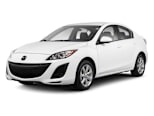
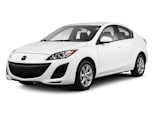
With its 2010 reboot, Mazda3 remained one of our top-scoring small cars.
Just as with its predecessors, this version of the Mazda3 is gifted with agile handling and a well laid out passenger compartment hosting quality materials.
Still, while the interior is upgraded, the rear seating area remains a bit tight and road noise is somewhat pronounced.
Stability control became standard for all trim lines beginning with the 2011 model year.
For 2012, Mazda added a new 2.0-liter SKYACTIV engine and that boosted fuel economy to an impressive 32 mpg with the six-speed automatic transmission.
A blind-spot detection system was made available for 2012.
The redesign year indicates that the car is either introduced for the first time or an existing model has been
significantly re-engineered. The more extensive or complicated the redesign, the higher the risk of reliability problems.
2004 Model Redesign Year
The redesign year indicates that the car is either introduced for the first time or an existing model has been
significantly re-engineered. The more extensive or complicated the redesign, the higher the risk of reliability problems.
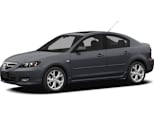
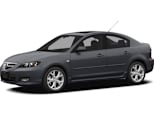
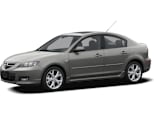
Available in sedan and hatchback body styles, the Mazda3 holds the distinction of being one of the better small car choices.
Introduced for 2004 to replace the Protege, it features strong and refined four-cylinder engines, along with precise, responsive handling and a firm, but comfortable ride.
Interior quality is very good, though the cabin is noisy and the rear seat somewhat tight.
If you're shopping in this model year range look for one with the available curtain airbags, as the Mazda3 received a Poor rating in the IIHS side-crash test without them.
These were added as a standard feature for the 2009 model year, along with side airbags.
Uplevel Touring and Grand Touring models have standard stability control, starting in 2007; these are the versions to get.
You will get digital access to reviews and ratings for over 8,500 products and services
to help you make better choices for life’s big moments and the everyday ones in between.
If you feel you have received this message in error, please view our customer care
FAQs or access your
account information here.