Prenatal Vitamin Nutrient Levels May Differ From Labeled Amounts, CR's Tests Show
CR tested prenatal vitamins from Nature Made, Needed, One A Day, and others, and found wide variations in nutrient levels—including in key nutrients like folate


The first thing many people do when they start trying to conceive or find out they’re pregnant? Begin taking prenatal vitamins. A whopping 78 percent of pregnant individuals in the U.S. use a dietary supplement during pregnancy, according to a 2024 estimate.
Prenatal vitamins fill an important gap, helping ensure you’re getting the additional amount of nutrients required for pregnancy, including folic acid, iron, iodine, and other vitamins and minerals shown to be critical for fetal development. Without supplementation, your blood levels of most vitamins will decrease during pregnancy, and round-the-clock nausea, food aversions, and pregnancy fatigue can make it even harder to meet your increased nutritional needs from food alone.
Why Label Accuracy Is Especially Important for Prenatal Vitamins
“Prenatal vitamins aren’t just another dietary supplement—they’re part of routine prenatal care for millions of pregnancies each year,” says Amy R. Nichols, PhD, RDN, spokesperson for the Academy of Nutrition and Dietetics and an assistant professor in the department of nutrition at the University of California, Davis.
Unlike your everyday multivitamins, “[prenatals] are specifically formulated to meet the increased nutritional demands of pregnancy, support maternal and fetal development, and reduce the risk of adverse outcomes associated with inadequate nutrient intake,” Nichols says.
As dietary supplements, prenatal vitamins are regulated by the Food and Drug Administration similarly to food, and they can be sold without prior safety or effectiveness checks by the FDA—unlike prescription medications, which undergo rigorous quality checks and must be proven safe before being sold. Supplement manufacturers must follow Current Good Manufacturing Practices (cGMPs) to ensure quality, but ultimately, the safety and efficacy of supplements is up to each maker.
Given the importance placed on prenatal supplements, consumers might be surprised to learn that there’s no regulated definition in the U.S. around what a prenatal vitamin is and what it should contain.
“[M]any patients assume all prenatal supplements contain the same nutrients and have all of the nutrients that are important for pregnancy, and thus may not closely examine the label,” wrote the authors of a 2023 report from the Government Accountability Office (GAO).
That’s why the Supplement Facts label on the back of a prenatal vitamin bottle matters so much: It tells consumers—and their healthcare providers—how much of each nutrient the product is intended to provide, helping them determine whether it can meet a person’s needs during pregnancy. “Pregnancy has narrow developmental windows, and you can’t go back and redo them,” says Manaker.
Some manufacturing variability is expected, says Nichols. But consumers should be able to trust that a prenatal supplement contains the nutrients in the approximate amounts listed on the label, she says.
That trust is also key to general public health. “We emphasize to communities, especially mothers, how necessary it is to read the food, drink, and vitamin labels before consumption,” says Vanessa Nicholson-Robinson, DrPH, MPH, an assistant professor of public health and community medicine at Tufts University School of Medicine in Boston, and the director for the Collaboration for Research, Effectiveness, Sustainability, and Trust (CREST) Coalition at the Tufts Clinical and Translational Science Institute. “When label information is inaccurate, consumers are left without a reliable way to know what they’re taking.”
How We Tested Prenatal Vitamins for Label Accuracy and Safety
To find out what’s really inside your prenatal supplement, CR tested 17 popular prenatal vitamins, including capsules, tablets, softgels, and gummy formats, analyzing nine vitamins and minerals from each.
For each nutrient we tested, we compared our results with the amounts listed on the label. We also compared them with potency thresholds outlined by the United States Pharmacopeia (USP), which are often upheld as industry standards. The 2023 GAO report states that most manufacturers in the supplement industry abide by them.
These USP tolerance thresholds specify the allowable range for a nutrient in a multivitamin relative to the amount stated on the label. The minimum is typically 90 percent, but the upper limit differs based on the type of nutrient and the supplement form (whether it’s a capsule, tablet, gummy, or softgel). These thresholds are voluntary, however: Manufacturers aren’t required to follow them unless a product is USP Verified, which means it has undergone third-party compliance testing by USP.
We also tested each product for arsenic, as well as the heavy metals lead, cadmium, and mercury.
Our testing, in detail:
- Using secret shoppers, we purchased one to three lots of each prenatal vitamin for our tests and sent them to an outside laboratory for nutrient testing.
- Each product was analyzed for the amounts of calcium; iron; zinc; vitamins A, C, D, and E; folate (vitamin B9); and riboflavin (vitamin B2) it contained. In a few cases, there was one form of riboflavin that we were unable to verify against label claims. Note: We did not test for DHA because many of the products we evaluated didn’t contain these essential fatty acids.
- The average of the tested amounts was compared with the amount on the Supplement Facts label for each product and with the USP tolerance range for each nutrient.
- For any amounts over the USP threshold, we then determined whether it exceeded the tolerable upper intake level (UL) for that nutrient, if one exists. The UL is the maximum daily dose of a supplemented nutrient that’s unlikely to cause adverse health effects, and was determined by an international group of health research organizations and published by the Institute of Medicine. An amount taken above the UL could cause harm when taken over a long period of time.
- We also tested each product for heavy metal contamination, including arsenic, cadmium, lead, and mercury, and compared our results with evidence-based protective limits calculated specifically for the prenatal period.
- Our results are a snapshot in time, and manufacturers may update their formulations at any time. Any changes would affect the nutrient levels of the products we tested. That said, our testing highlights that there are variations between label claims and nutrient amounts in many products in this category, underscoring the need for more oversight.
Inside Our Tests: Prenatal Vitamins

Graphic: Consumer Reports Graphic: Consumer Reports
You can view our test methodology and full results.
CR’s Prenatal Vitamin Test Results
The supplements in our test results are arranged according to label accuracy to help you identify a product that’s more likely to contain the nutrients it says it does.
in CR's tests
in CR's tests
in CR's tests
Prenatal Capsules, Tablets, and Softgels
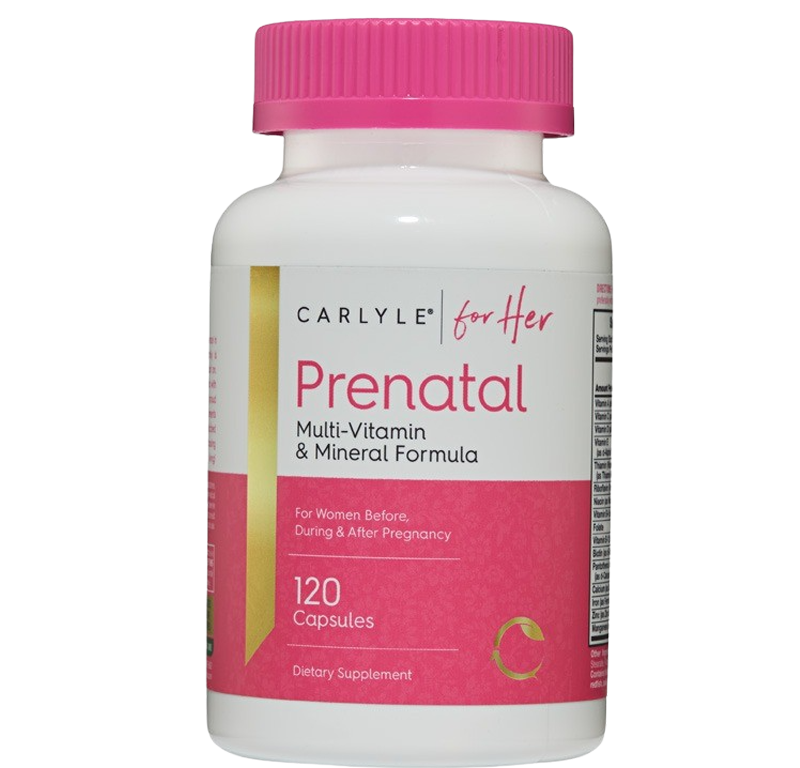
Carlyle For Her Prenatal Multi-Vitamin & Mineral Formula
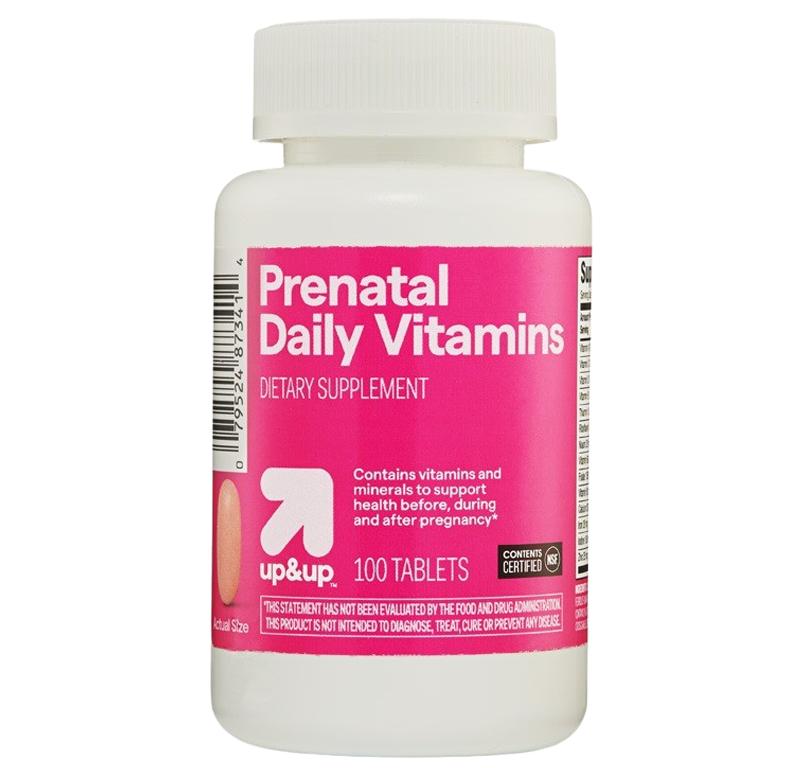
Up&Up (Target) Prenatal Daily Vitamins
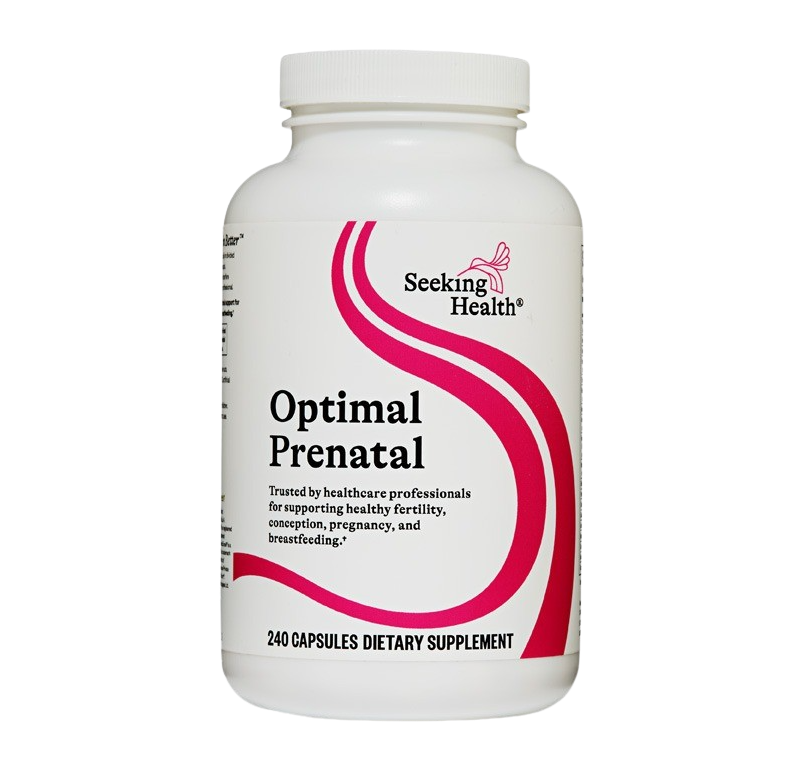
Seeking Health Optimal Prenatal
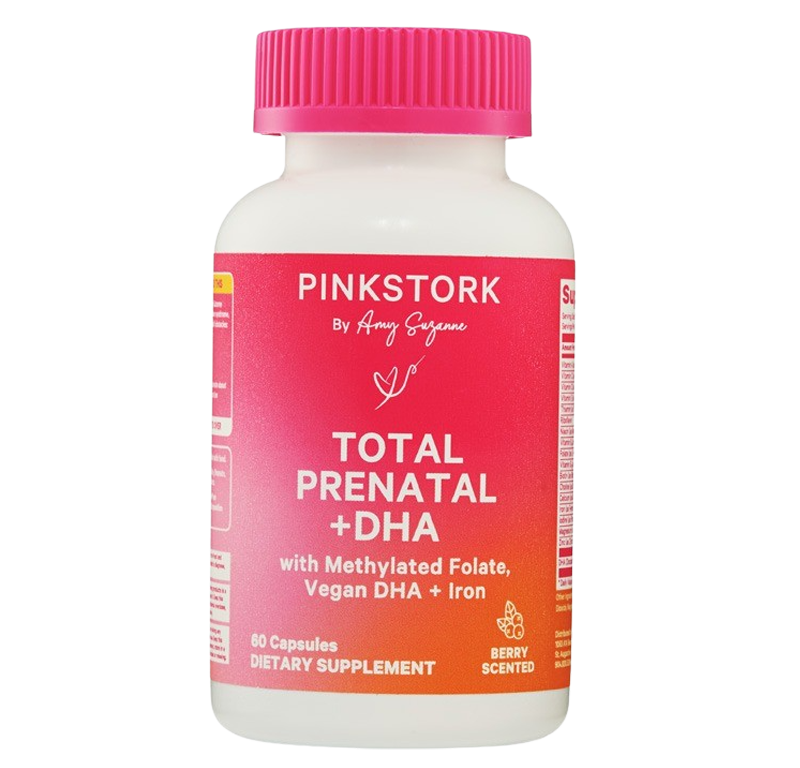
Pink Stork Total Prenatal + DHA
Prenatal Gummies
in CR's tests
in CR's tests
in CR's tests
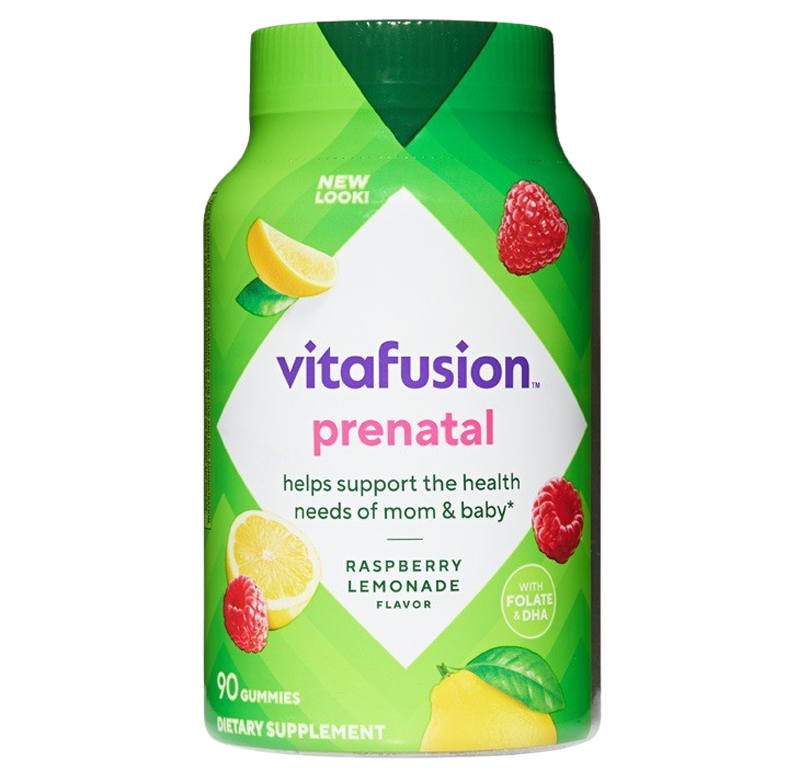
Vitafusion Prenatal
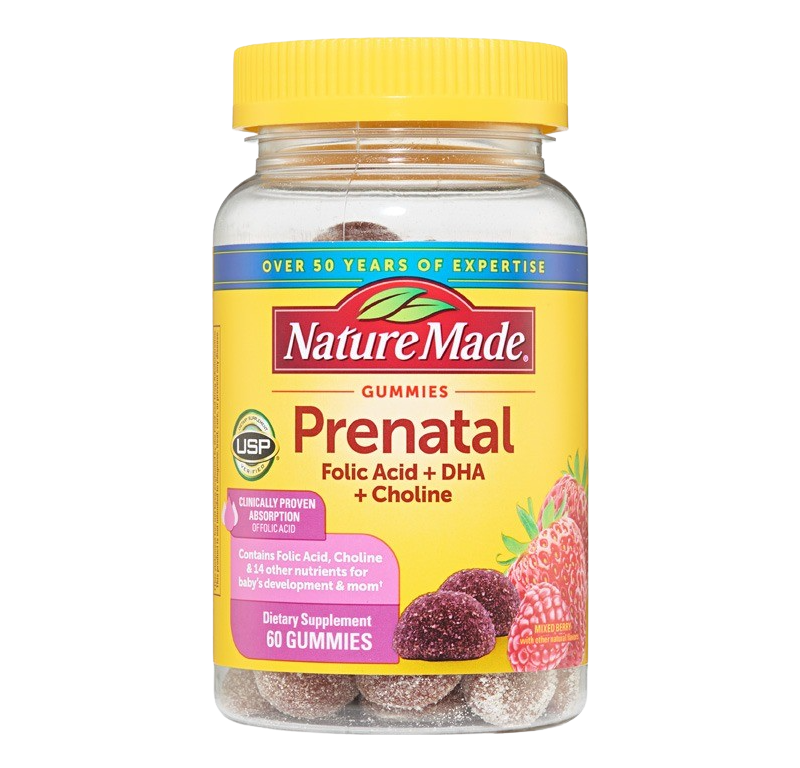
Nature Made* Prenatal Folic Acid + DHA + Choline Gummies
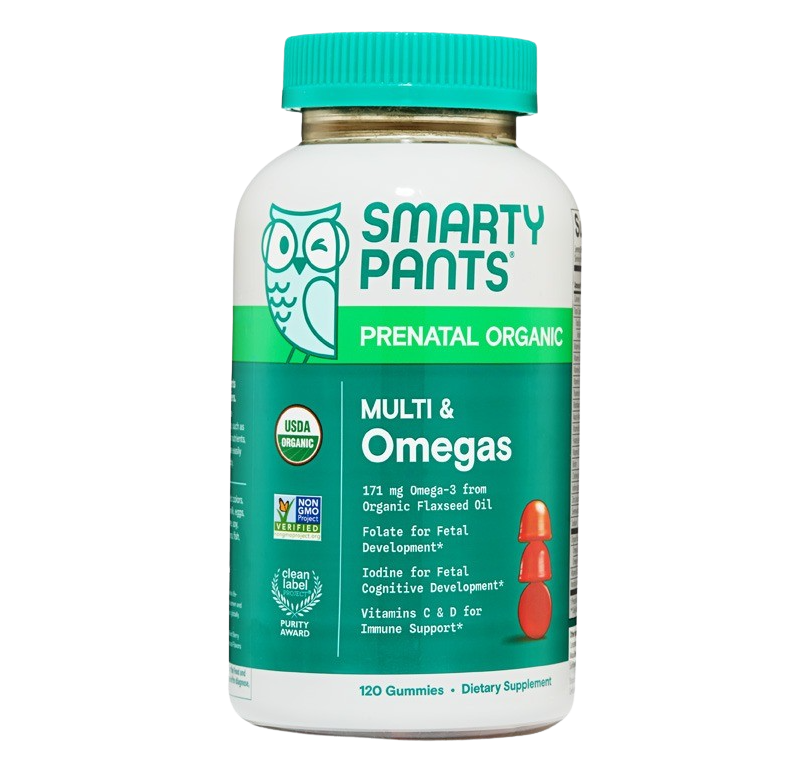
SmartyPants* Prenatal Organic Multi & Omegas
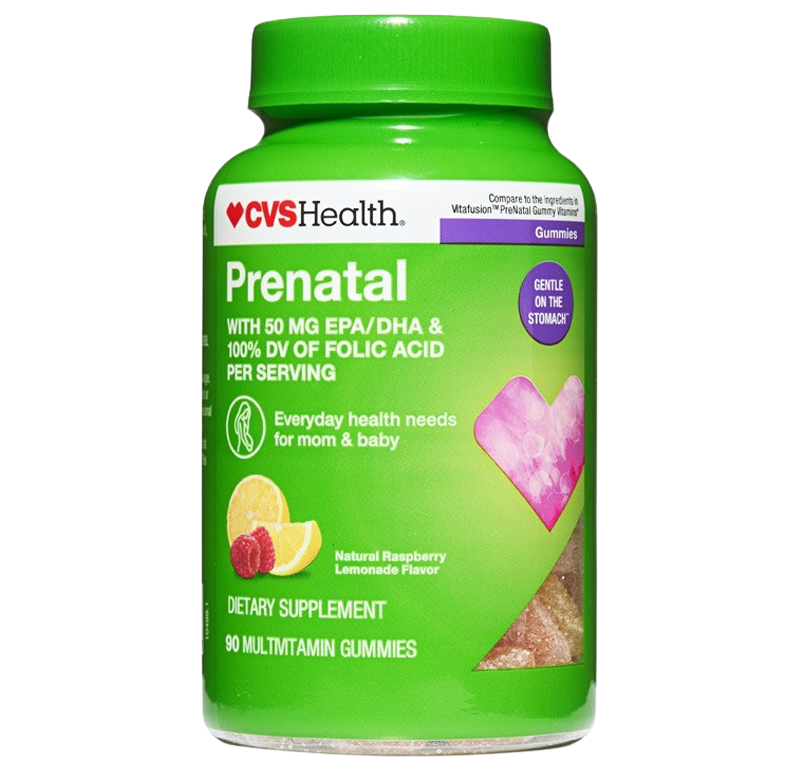
CVS Health Prenatal Gummies
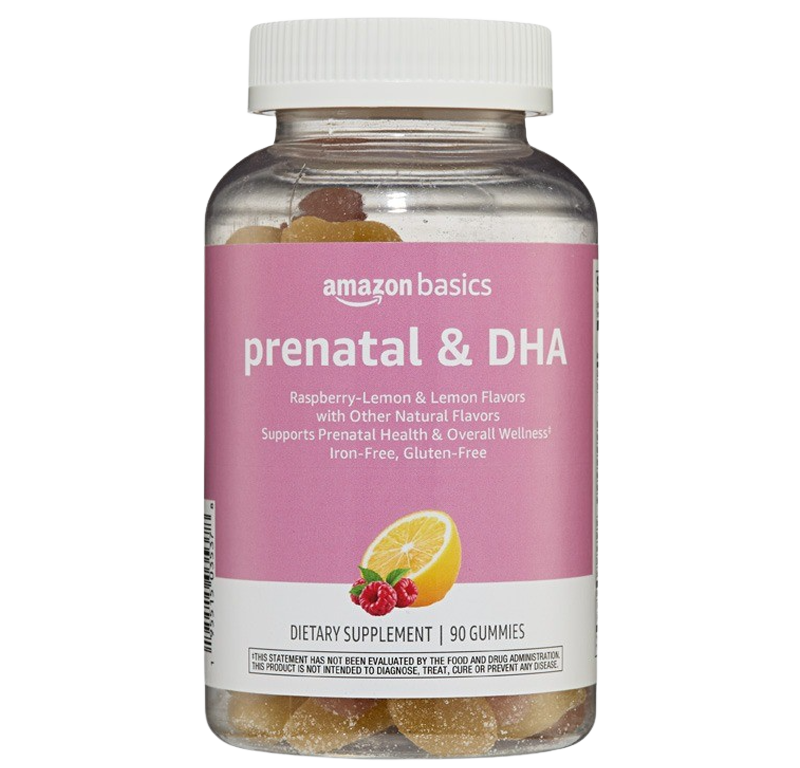
Amazon Basics Prenatal & DHA
What Our Prenatal Vitamin Testing Found
Widespread Label Inaccuracies
Nearly all of the prenatal supplements we analyzed contained at least one vitamin or mineral outside the USP tolerance range, including one product that was USP Verified: Nature Made’s Prenatal Folic Acid + DHA + Choline Gummies. (Note that Consumer Reports is not a compliance or regulatory body, and our testing is intended only to offer information for consumers to make informed decisions. No legal judgments can be made from our findings.)
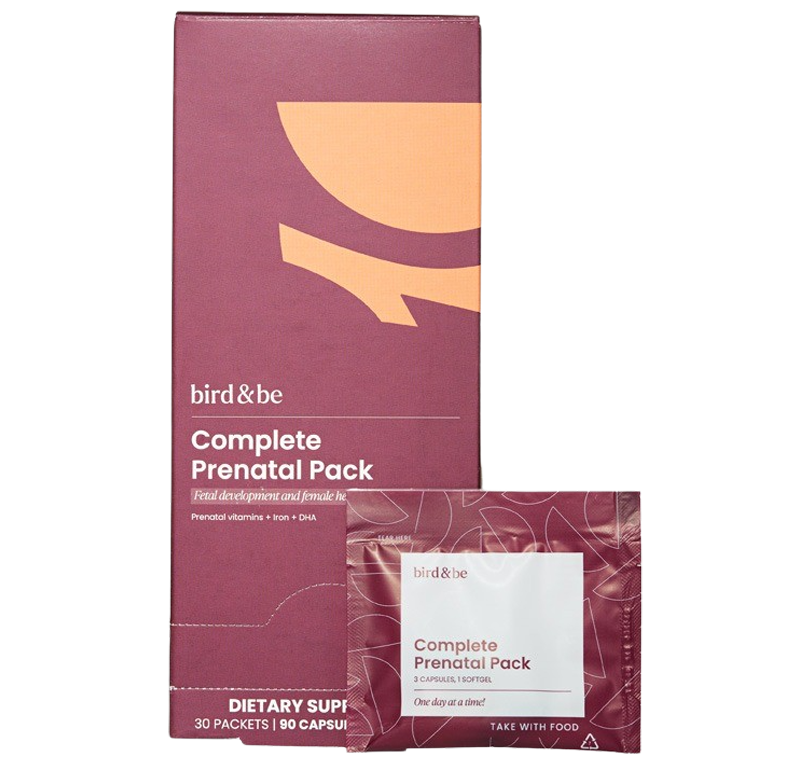
Carlyle For Her Prenatal Multi-Vitamin & Mineral Formula and Bird&Be’s Complete Prenatal Pack were the only products in our tests to meet all USP tolerance ranges for all tested nutrients. A spokesperson for Carlyle shared that the company conducts “extensive testing at the raw material level to confirm ingredient potency,” and it also tests finished products on a regular basis to “verify vitamin and mineral label claims and amounts.” A spokesperson for Bird&Be shared that its prenatals are manufactured in GMP-certified facilities and that every batch is lab-tested at multiple stages of production. “[O]ur extensive stability program ensures our best-in-class formulations maintain their potency for the duration of their shelf-life.”
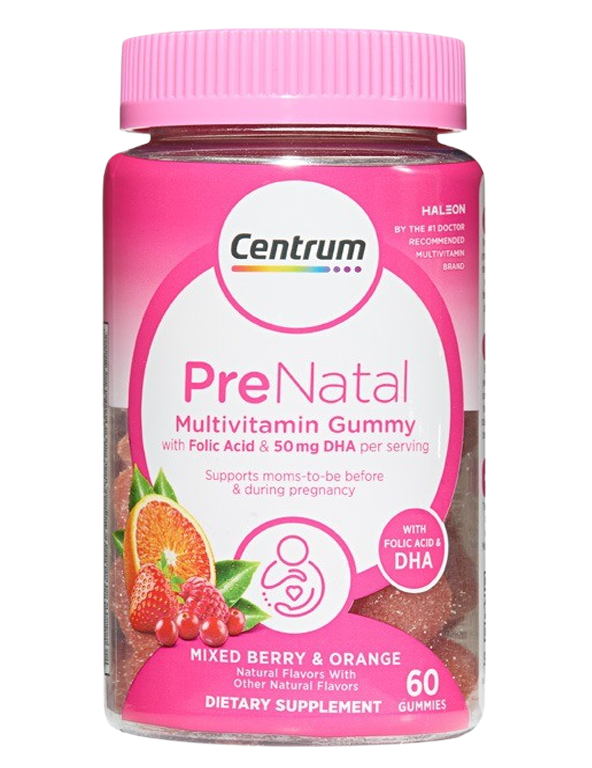
Centrum’s PreNatal Multivitamin Gummy had all but one nutrient outside the USP thresholds—in most cases, well above the thresholds (but below the UL). Centrum did not respond to multiple requests for comment.
Of the 124 nutrients analyzed across all 17 products (accounting for the fact that not all products contained each of the nine vitamins and minerals we evaluated), 38 were outside the acceptable threshold, or 31 percent. That signals a significant and widespread issue in which many supplements don’t contain the nutrient potency they say they do. Our findings echo previous research reported by GAO to the U.S. Senate in 2023, which found that 11 of 12 prenatal supplements tested do not contain the nutrient amounts listed on their labels.
Some Nutrients Were in Excess of the Tolerable Upper Intake Level
Though we found many nutrients below the USP tolerance threshold, we also found several that were well above it, sometimes exceeding 350 percent of the labeled amount. This excess was more common in the gummy prenatals in our tests.
According to USP, gummy vitamins are more susceptible to stability issues, and to account for this, several manufacturers told us they intentionally add higher amounts of certain vitamins and minerals to their products in accordance with industry standards to counteract this nutrient loss over time. These “overages” help ensure that nutrients remain potent throughout a product’s shelf life.
Overages of certain vitamins, especially water-soluble ones, like vitamin C and the B vitamins, are generally not a health concern because the body naturally excretes excess amounts it can’t use. The USP tolerance thresholds for some water-soluble vitamins in gummies are quite high: Vitamin C can go up to 250 percent above the labeled amount, and vitamin B9 (folic acid) can go up to 245 percent.
High overages for minerals like iron and zinc and fat-soluble vitamins, like vitamin A and D, could be more of an issue because they can build up in the body over time. Generally speaking, nutrient overages are, in most cases, invisible to consumers—there’s usually nothing printed on the label to suggest there’s an excess. “Nutrient overage not reported on the product label can mislead consumers about the amount of nutrient consumed,” a USP presentation states.
Our testing also found overages that exceeded the tolerable upper intake level (UL) for some nutrients. While USP guidance specifically warns against this, it’s not always a safety issue. The UL is a conservative benchmark, says Nichols. “Exceeding the UL in a prenatal supplement doesn’t automatically mean a product is unsafe, because the potential health implications depend on the nutrient, the degree of excess, and a person’s total intake from foods, fortified products, and other supplements,” she says. “However, prenatal vitamins should provide nutrient amounts that are both appropriate and accurately labeled. Products that consistently exceed labeled amounts reduce the margin of safety and may lead to unintended excessive intake, underscoring the importance of rigorous quality control.”
In our tests, one product exceeded the UL for vitamin D. Another product exceeded the UL for both iron and vitamin B9 (folic acid)—more on that below.
Seeking Health’s Optimal Prenatal reaches the UL for vitamin D even before accounting for any overages: The label says it contains 100 mcg per serving (the same as the UL for adults in pregnancy). Our results found, on average, it contains 113.7 mcg per serving: within the USP tolerance range but over the UL. There are side effects of consuming vitamin D beyond the UL, which can include nausea and vomiting, depending on the amounts.
When we reached out to Seeking Health about this, the company acknowledged that the UL for vitamin D is 100 mcg but said that “more recent studies support a shift in vitamin D recommendations for pregnancy,” and that this shift is due to a “widespread vitamin D insufficiency in pregnancy.” A spokesperson said Seeking Health Optimal Prenatal “was intentionally formulated by a qualified medical professional” and that there’s “additional clinical evidence that 100 mcg is both safe and effective and essential for optimal fetal skeletal growth and reduced risk of adverse pregnancy outcomes.”
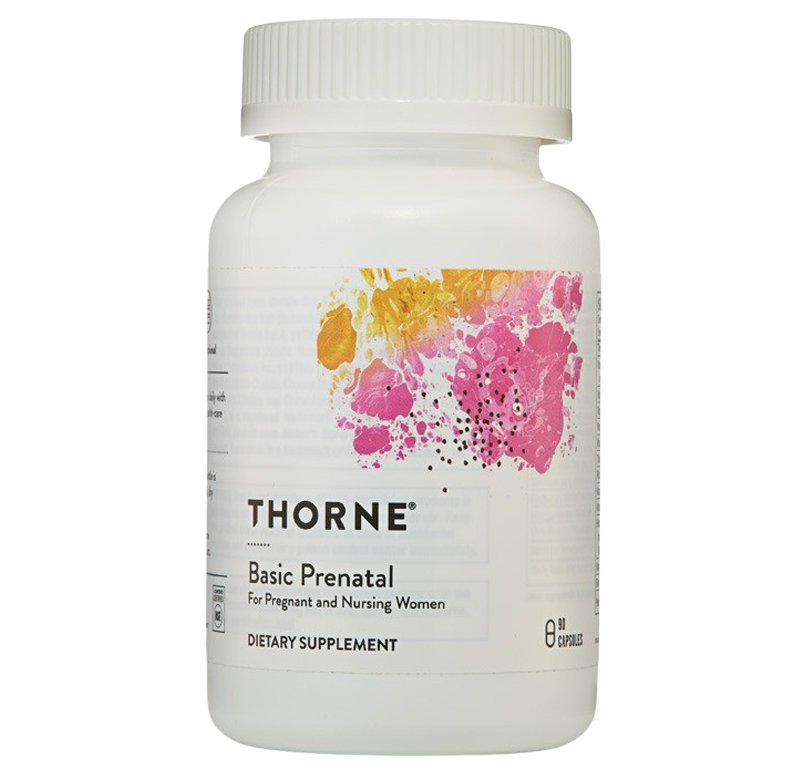
According to the label on Thorne’s Basic Prenatal, the product contains 45 mg of iron, a level that reaches the UL. But CR’s testing found that it contained 54.5 mg of iron, on average, in the samples we tested, an overage that was within the USP range but exceeds the UL, at 121 percent. Iron needs increase in pregnancy, but consuming too much iron without first checking your iron status with your practitioner could have health risks. Supplementing with excess iron can hinder zinc absorption, and could lead to nausea, vomiting, and abdominal pain. ”The levels reported in your testing are consistent with our scientifically justified stability overages, which are designed to help maintain labeled potency throughout the product’s shelf life,” said a spokesperson for Thorne. “We stand behind the safety of our Basic Prenatal formulation, including the formulated levels of iron and calcium.” In our tests, Thorne’s calcium levels were over the USP threshold but under the UL limit.
Inconsistent Folic Acid Levels
Nearly one-third (five of 17) of the prenatal supplements we tested were below the USP tolerance limits for folic acid/folate, aka vitamin B9. This means they fall short—in some cases by a wide margin—of the labeled amount. This was especially true for gummy prenatals: Half of the gummies we tested (4 out of 8) contained less B9 than the labeled amount.
If you’re relying on a prenatal supplement to supply a certain amount of a specific nutrient, like folic acid, this might give you pause. “Adequate folic acid intake before conception and in early pregnancy is important for reducing the risk of neural tube defects,” says Danielle Prentice, DO, an assistant professor of obstetrics and gynecology in the maternal fetal medicine division, and the co-director of the diabetes and pregnancy program at Oregon Health & Science University in Portland. Prentice is also a member of ACOG’s Nutrition Expert Working Group. She says that “[f]olic acid is one of the clearest examples of why label accuracy matters.”
In CR’s testing, there were also examples of overages for folic acid/folate: Two products we tested were found to be above the USP for vitamin B9, and one was above the UL. These inconsistencies were found across both forms of vitamin B9 tested: folic acid and methylated folate, or 5-MTHF.
Taking a dose above the UL for folic acid in pregnancy has been associated with some health risks. Studies have suggested that large amounts of folic acid may also mask a form of anemia caused by vitamin B12 deficiency—talk to your doctor if you have a high risk of this form of anemia. There’s some evidence that 5-MTHF does not present the same risk of masking B12 deficiency.
Complicating matters further, some prenatals may include the folic acid form of B9, which is the form ACOG and the Centers for Disease Control and Prevention recommend, while others include a methylated form, such as 5-MTHF. But if you’re looking at a prenatal vitamin’s Supplement Facts panel, you might see something else entirely: dietary folate equivalents, or DFE. To account for differences in bioavailability across various forms of folate, the FDA changed its guidance in 2016 to require supplement manufacturers to report folate amounts in terms of DFE.
There’s a difference of opinion in the scientific community around how to calculate DFE when using 5-MTHF. The FDA says manufacturers can calculate DFE using their own conversion factor—a number between 1 and 1.7—“as long as it is truthful and not misleading.” But the lack of an established conversion factor results in discrepancies in calculations. CR’s scientists use the conversion factor of 1.7 to calculate the DFE from both folic acid and synthetic methylated folate, as expressly illustrated through examples in FDA guidance and based on research from the European Food Safety Authority (EFSA).
Prenatal Supplements That Contained More Folic Acid/Folate Than Claimed on the Label
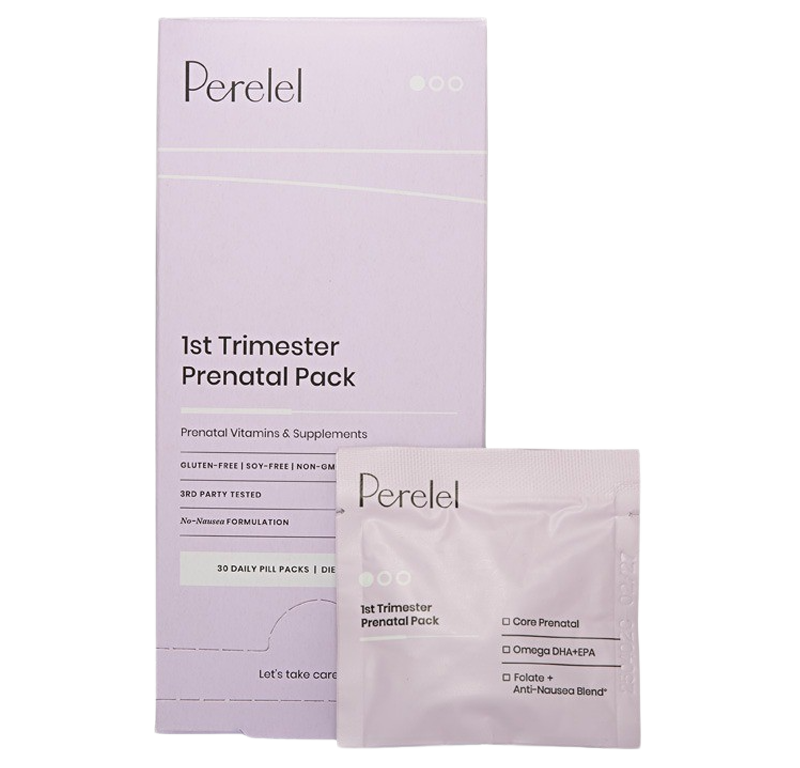
Perelel’s Core Prenatal capsules within its 1st Trimester Prenatal Pack contained levels of vitamin B9 that exceeded the USP for folic acid in our tests, at 187 percent of the labeled amount. (The USP limit for vitamin B9 for tablets/capsules is 150 percent.) When CR’s scientists asked Perelel about our results, the company conducted its own retesting of products within the same lot, and concluded that their own test results for B9 fell within the acceptable range of label claims established by USP. “Our result was calculated using the 1.7x DFE conversion factor required under FDA labeling regulations for 5-MTHF, and falls within USP’s compendial acceptance range for folate,” said a Perelel spokesperson. “We recognize that independent testing can produce different results depending on a number of technical factors, including laboratory methodology, sample preparation, storage conditions, extraction efficiency, and calculation approaches.”
Pink Stork’s Total Prenatal + DHA capsules had vitamin B9 levels (in the form of 5-MTHF) that were at almost 200 percent of the USP tolerance threshold, according to our tests. The Supplement Facts label says the product contains 600 micrograms DFE per serving. In the three samples we tested, on average, we found it contained 1,180 mcg DFE, according to our calculation (CR uses the conversion factor 1.7). Pink Stork told CR that the company uses a conversion factor of 1, which the FDA permits. Though our test results show B9 levels at nearly double what the label claims, it doesn’t exceed the UL for folic acid, set at 1,000 mcg of elemental folic acid (equivalent to 1,700 mcg DFE) per day for pregnancy.
However, our testing found that Thorne’s Basic Prenatal reached 107 percent of the UL for folate, though it was within the USP threshold for that nutrient. But because it offers 1,700 mcg DFE of folate per serving, according to the label, it already reaches the UL of 1,000 mcg (up to 1,700 mcg DFE). Our results found that it offered, on average, 1,808 mcg DFE per serving. “Basic Prenatal is formulated to provide a label claim of 1 mg [1,000 mcg] of 5-MTHF. The levels reported in your testing are consistent with our scientifically justified stability overages, which are designed to help maintain labeled potency throughout the product’s shelf life. We stand behind the safety of our Basic Prenatal formulation, including the formulated level of folate,” a Thorne spokesperson said.
Both Thorne and Pink Stork told CR that the UL of 1,000 mcg per day for B9 is based on the use of folic acid, not 5-MTHF. “Because Basic Prenatal contains 5-MTHF rather than folic acid, a direct comparison to the folic acid UL is not scientifically equivalent. Based on the available evidence and our formulation review process, we remain confident that the folate level in Basic Prenatal is appropriate for its intended use and population,” said a Thorne spokesperson.
CR’s scientists agree that daily use levels equating to 1,000 mcg of 5-MTHF pose no safety concerns, but, to our knowledge, the safety of higher usage levels of 5-MTHF has not been fully determined. Major health agencies like the European Food Safety Authority and the National Institutes of Health have not established a tolerable upper intake limit for 5-MTHF. Using the standard vitamin B9 UL of 1,000 mcg per day for adults in pregnancy for 5-MTHF is supported by EFSA and Consumer Reports’ scientists.
Prenatal Supplements That Contained Less Folic Acid/Folate Than Claimed on the Label
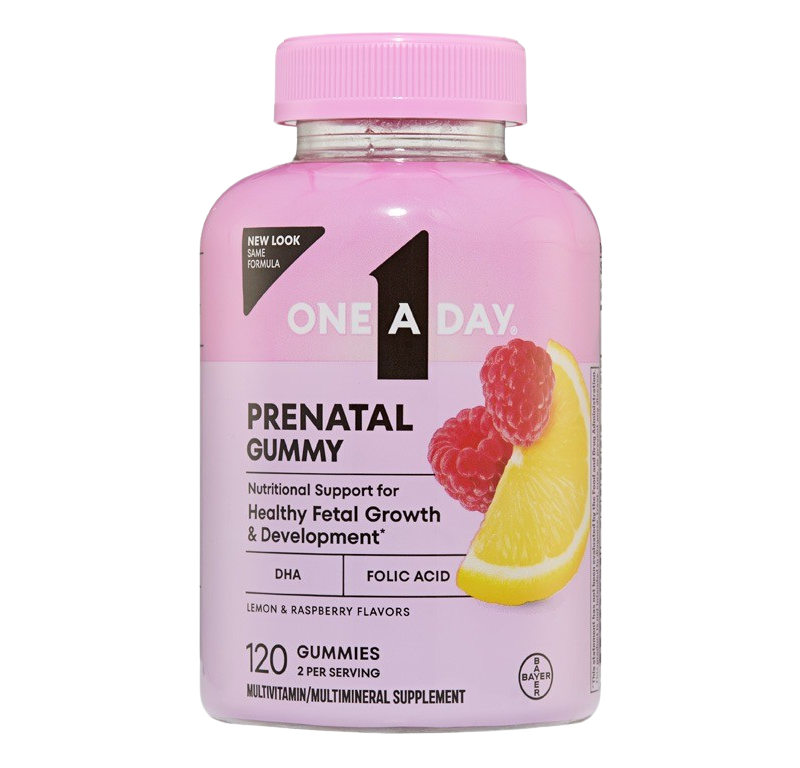
Several products in our tests were found to offer much less vitamin B9 than their labels claimed, including half of the prenatal gummies we tested. One A Day’s Prenatal Multi Gummy had just 28 percent of the labeled amount of folic acid. The Supplement Facts label says it contains 800 mcg of folic acid per serving, or 1,330 mcg DFE. In the three samples we tested, on average, we found it contained just 221 mcg, or 376 when using the 1.7 conversion factor in terms of DFE.
When we asked One A Day about our finding that vitamin B9 levels were substantially lower than the labeled amount, a company spokesperson said, “We take quality control very seriously and utilize testing and manufacturing methods that follow FDA and industry standards. Our rigorous internal processes—and those employed by our retail partners—have confirmed folic acid at the levels listed on the label for our prenatal gummies.”
After publication, One A Day reached out to CR to say that they had tested the same batches of gummies as CR and "confirmed the level of folic acid meets the level that is stated on the label."
CVS Health Prenatal Gummies, Amazon Basics Prenatal & DHA, and Centrum PreNatal Multivitamin Gummies were the other gummy prenatals with vitamin B9 below the USP range. Needed Prenatal Vitamin was the only capsule-format prenatal we tested whose results showed vitamin B9 below the labeled amount and below USP. Centrum did not respond to multiple requests for comment. CVS Health and Amazon told CR that their prenatal vitamins are manufactured by independent suppliers and that products are tested for quality and to ensure potency. More details about CVS and Amazon’s responses to our questions are below (see “Additional Prenatal Vitamin Company Responses”).
Only Trace Amounts of Heavy Metals and Toxic Elements
Our testing found that all the prenatal supplements we tested meet our highly protective safety limits for arsenic and the heavy metals lead, cadmium, and mercury. However, we did find trace amounts of heavy metals in some products, and our experts recommend caution with three prenatal supplements because their lead levels approach 50 percent of CR’s level of concern.
In the three samples we tested of Target’s Up&Up Prenatal Daily Vitamins, we found an average of 219 parts per billion of lead. In Thorne’s Basic Prenatal, we found an average of 91.7 ppb. And in Seeking Health’s Optimal Prenatal, we found an average of 33.9 ppb.
Consumer Reports’ level of concern for lead is based on the maximum allowable daily level (MADL) established by the California Office of Environmental Health Hazard Assessment under Proposition 65. A lead level above 100 percent of the MADL means that consuming 1 serving per day of the product could pose a health risk.
Unlike Prop 65, which takes into consideration consumers’ average exposure over time and dietary frequency to calculate whether a product exceeds the MADL and requires a warning label, Consumer Reports assumes one serving a day of the product in its risk assessment calculations. This difference in methodology means no Prop 65 judgments can be made from CR’s findings.
None of the products we tested had lead levels above CR’s level of concern, and it’s important to note that the serving size for these products is small: one or two pills, in many cases. But levels below our threshold—even 50 percent below—still deserve attention, and CR’s experts emphasize that there is no safe amount of lead exposure at any life stage—and pregnancy is an especially important time to reduce exposure whenever possible.
Unfortunately, toxic elements like lead are commonly found in our environment and the food supply, arising from both natural and artificial sources. Limiting avoidable sources is one way to help reduce your overall risk.
When we asked Thorne about our findings, a spokesperson said: “The minerals used in Thorne products are obtained from naturally occurring sources and, like many natural ingredients, may contain trace amounts of other naturally occurring elements, including lead. Thorne routinely tests every lot of Basic Prenatal for heavy metals, including lead, cadmium, mercury, and arsenic, and each lot is evaluated against established quality specifications and applicable California Proposition 65 requirements prior to release.” Thorne’s Basic Prenatal meets Thorne’s internal heavy metal specifications and complies with both USP and CA Proposition 65 requirements, the spokesperson stated.
Seeking Health shared that the company tests all raw materials for heavy metals before use, and that every finished product lot is also tested for heavy metals. “Finished goods . . . are expected to either be under Prop 65 limits for heavy metals or bear labeling disclosing levels that exceed Prop 65 levels,” a spokesperson said.
Target, which sells Up&Up Prenatal Daily Vitamins, did not respond to our multiple requests for comment.
Additional Prenatal Vitamin Company Responses
We contacted all 17 prenatal vitamin companies in our tests. We asked about factors that might explain why our testing found label discrepancies and certain nutrients outside of the USP tolerance range for the supplement format, whether they test both raw materials and finished products for toxic elements, whether they test finished products to verify nutrient levels, and whether they use a specific potency range for quality control. We heard back from most of the companies.
In addition to the findings and responses already noted above, we found vitamin C levels at 315 percent of the labeled amount for Vitafusion Prenatal Gummies, in excess of the USP threshold (250 percent for gummies). A spokesperson for Piping Rock, which manufactures both Vitafusion and Carlyle, said that, as shown by CR’s test results, vitamin C, especially in gummy form, naturally loses potency over time. “Therefore, on the basis of literally thousands [of] test results with this nutrient in various delivery forms . . . we include sufficient level[s] of vitamin C to guarantee 100 percent of label claim for the entire shelf life of the product, as stated on the label.” The spokesperson also said that the company reviews overage levels “to ensure that they do not come even close to established upper limit levels for the intended demographic as indicated on the product label.” The Vitafusion Prenatal Gummies packaging does include language advising consumers that “to ensure quality and potency this product is made with higher dietary ingredient levels than labeled,” and not to exceed the listed dosage.
Piping Rock also told CR that the company tests both raw materials and finished products to verify vitamin and mineral claims and amounts, referencing “USP, NIH, FDA guidance and FAQs, applicable international guidelines (i.e., Health Canada, EFSA, etc.) for quality control and related decision making.” It also shared that it has invested “millions of dollars in analytical instrumentation,” allowing it to use in-house capabilities to test both raw materials and finished products for heavy metals.
In Thorne’s Basic Prenatal, in addition to the findings already cited, we found vitamin A levels above the USP threshold. We also noted calcium levels above the USP threshold and iron levels above the UL. A spokesperson for Thorne noted the company’s “commitment to delivering labeled potency throughout shelf life” and that “certain nutrients may be formulated with scientifically justified overages,” in reference to our results for vitamin A. It also shared that the product is third-party verified by NSF International, a testing and certification organization.
For Pink Stork’s Total Prenatal + DHA capsules, we found that vitamins A, D, and B2 were all below the USP thresholds and did not match label claims, in addition to our finding that vitamin B9 was above the USP threshold, as noted above. A spokesperson for the company said that for vitamins A, D, and B2, its own testing with an independent lab found that the nutrient amounts met 100 percent of label claims. “The variation between our findings and the Consumer Reports results may reflect differences in analytical methodology or other testing conditions rather than the product’s formulation or quality.”
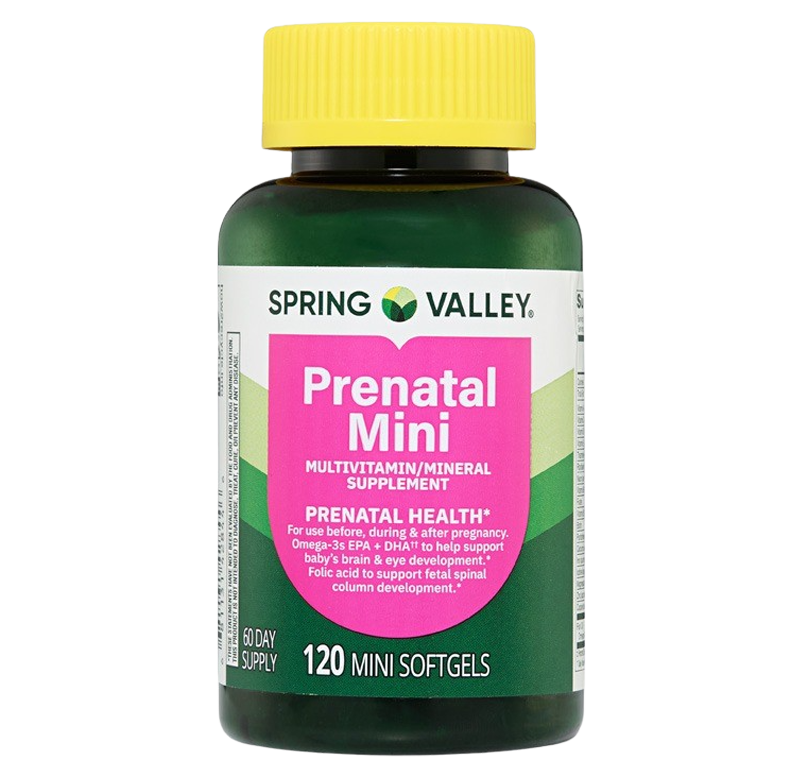
Walmart’s Spring Valley Prenatal Mini Multivitamin/Mineral Supplement had levels below the USP threshold for both vitamin C and vitamin E in our tests. A Walmart spokesperson told CR, “We are committed to providing safe, high-quality products, and work continuously with our suppliers to review and ensure standards are met.”
We found vitamin C levels above the USP threshold and vitamin D levels below the USP threshold in the SmartyPants Prenatal Organic Multi & Omegas gummies we tested. “At SmartyPants, product quality and safety are our highest priorities, particularly for products intended for pregnant women,” a company spokesperson said. “Our Organic Prenatal gummies use organic acerola cherry extract as the source of vitamin C. Because this is a natural botanical ingredient, some variability in vitamin C content is expected. Like many dietary supplement manufacturers, we formulate with carefully controlled overages where scientifically justified to ensure products continue to meet labeled potency throughout their shelf life, as required under FDA regulations.”
The SmartyPants spokesperson also said that “Vitamin D presents unique analytical challenges in gummy products due to the complexity of the gummy matrix,” and that “[w]hile we cannot comment on or independently interpret Consumer Reports’ testing methodology or analytical results, we remain confident in the quality, safety, and manufacturing controls behind our prenatal products.”
The Prenatal Gummies from CVS Health were found to have vitamin E levels and zinc levels above the USP threshold, and vitamin B9 (folate) levels below the threshold, at 82 percent of the label claim. “Our store brands are designed to maximize quality and safety, work as intended, and satisfy customers. While we don’t manufacture these prenatal vitamins directly, our suppliers are required to adhere to all laws and regulations. We also regularly coordinate with suppliers to ensure our products comply with state and federal requirements. While our store brand products are tested regularly by independent third parties, we’ll evaluate the results and take action if needed,” a company spokesperson said. At the time of publication, this product was no longer available at cvs.com.
We found levels of vitamins A and C above the USP threshold and vitamin B9 (folate) levels below the USP range (at 77 percent) in Amazon Basics Prenatal & DHA. “Amazon Private Brands requires all dietary supplement suppliers to manufacture products in compliance with FDA Current Good Manufacturing Practices (cGMPs). Finished products undergo rigorous quality control testing to ensure they meet labeled potency specifications throughout their shelf life. Based on our review, Consumer Reports’ test methodology is not appropriately calibrated for gummy vitamin formulations and therefore does not accurately reflect the Amazon Basics Prenatal & DHA Gummy,” an Amazon spokesperson said. CR’s scientists remain confident that the testing methodology used is appropriate for gummy formulations.
In One A Day’s Prenatal Multi Gummy, we found vitamin E levels above the USP range (at 179 percent of the labeled amount) and vitamin B9 (folate) levels below the USP range, at 28 percent, as discussed above. “For vitamin E, we intentionally apply a controlled overage at manufacture, consistent with industry standards, to help ensure that levels are maintained through the end of shelf life. As a result, tested levels may be modestly higher than the labeled amount, but they remain within levels considered acceptable from a health and safety perspective,” a One A Day spokesperson said.
Perelel’s 1st Trimester Prenatal Pack contained vitamin B9/folate at levels that exceed the USP threshold, and three other nutrients (vitamins A, E, and B2) in levels lower than the labeled amount. Perelel’s vitamin C levels were just under the USP tolerance threshold at 89 percent.
On the B2 results, the company said, “Our retest confirmed a below-label-claim result for vitamin B2 (riboflavin). This is a valid finding that we previously identified as part of our standard corrective and preventive action process under 21 CFR 111, including review of raw material lot data, formulation, and manufacturing records. Perelel has since made formulation adjustments to vitamin B2 levels in current production as part of our ongoing quality improvement practices.”
In regards to the other nutrients, the company stated that its results for vitamins A and E and B9 were within the USP range, noting that differences in testing factors can produce different results (for example, the company pointed out that we used a different validated method than their own third-party testing for vitamins A and E). “We stand behind the quality and safety of our prenatal products and remain committed to meeting or exceeding applicable FDA and USP standards. We continually evaluate opportunities to strengthen our formulations, testing protocols, and quality systems,” the spokesperson said.
Regarding vitamin C, after publication, the company reached out and told CR that “Without sufficient replicate testing and appropriate statistical analysis to distinguish a true deficiency from ordinary variation, CR’s reported value of 89.2% does not support a definitive conclusion that the product’s vitamin C level falls outside USP tolerance.” As noted above, CR’s tests are a snapshot in time, and we report what we find in our evaluations. We used the USP benchmark of 90 percent to 160 percent to determine whether a prenatal vitamin was within the range of meeting its label claim for vitamin C.
Bird&Be’s Complete Prenatal Pack contained nutrients in levels that aligned with the labeled amounts, one of only two products for which CR found that to be the case. A Bird&Be spokesperson told CR, “Safety, quality, and trust guide everything we do at Bird&Be, which is why our products are made to meet or exceed rigorous safety standards. Every Bird&Be formula is developed by fertility doctors and OB-GYNs and is licensed by Health Canada, meaning it has been assessed by a federally regulated authority for safety, quality, and efficacy.” You can read more about how Health Canada regulates natural health products here.
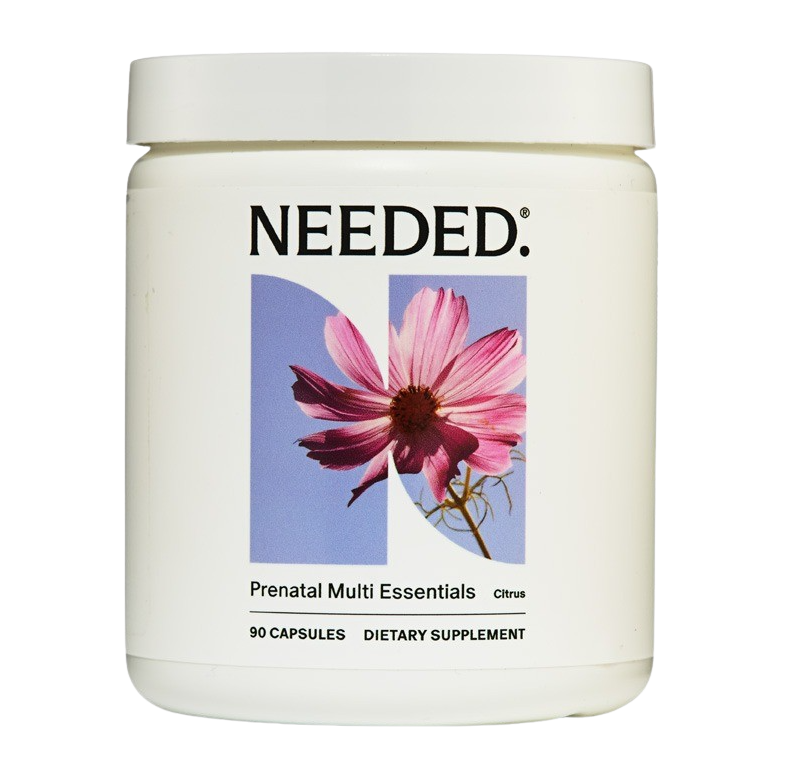
Our testing of Needed’s Prenatal Multivitamin found that the product was below the USP threshold for vitamin C and vitamin B9 (folate). A spokesperson for Needed told CR, “Needed has a rigorous quality program, including independent third-party testing of finished goods and ongoing stability testing throughout shelf life. Our Prenatal Multi is formulated by our team of experts and manufactured in an NSF-certified facility operating under FDA cGMP. We take Consumer Reports’ findings seriously, but our own data does not show the same results, and we believe differences in analytical methodology may be a factor.”
We also reached out to Centrum, Target (Up&Up), Nature Made, and Olly about our test results but didn’t hear back after multiple requests for comment. Note: CR also tested Ritual Essential for Women Prenatal Multivitamin, but after discussion with the company, we removed it from our testing, given the complexity of the product’s capsule-within-a-capsule format.
Some manufacturers may use an independent laboratory to ensure potency or rely on in-house testing to verify label claims, rather than pursuing a third-party certification. Just four products in our tests have visible third-party certifications. According to a spokesperson for the Council for Responsible Nutrition, a trade group that represents many members of the supplement industry, “Third-party certification can be a valuable indicator of quality, but it is not the only one. Many companies choose to invest extensively in their own quality systems, supplier qualification programs, testing protocols, and brand reputation rather than pursue external certifications.”
Internal quality control systems are important, but they’re not always visible to consumers. Manufacturers aren’t required to disclose the results from their in-house testing, which can make it difficult for shoppers to assess products. “Transparency can be a problem when manufacturers handle their own verification and consumers are left trying to figure it all out,” says Eric Boring, PhD, the CR chemist who led this testing project.
What to Know About Choosing a Prenatal Supplement
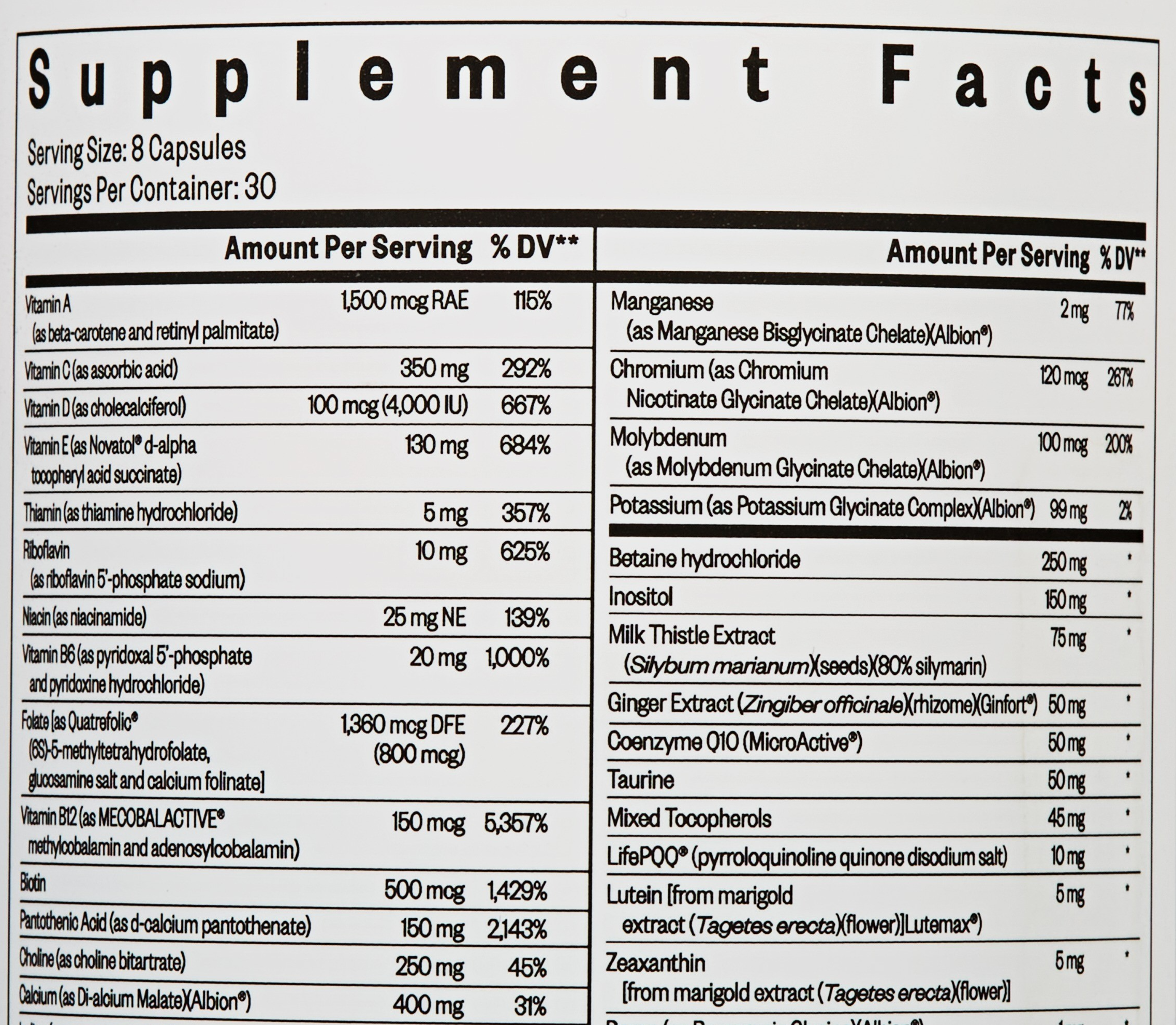
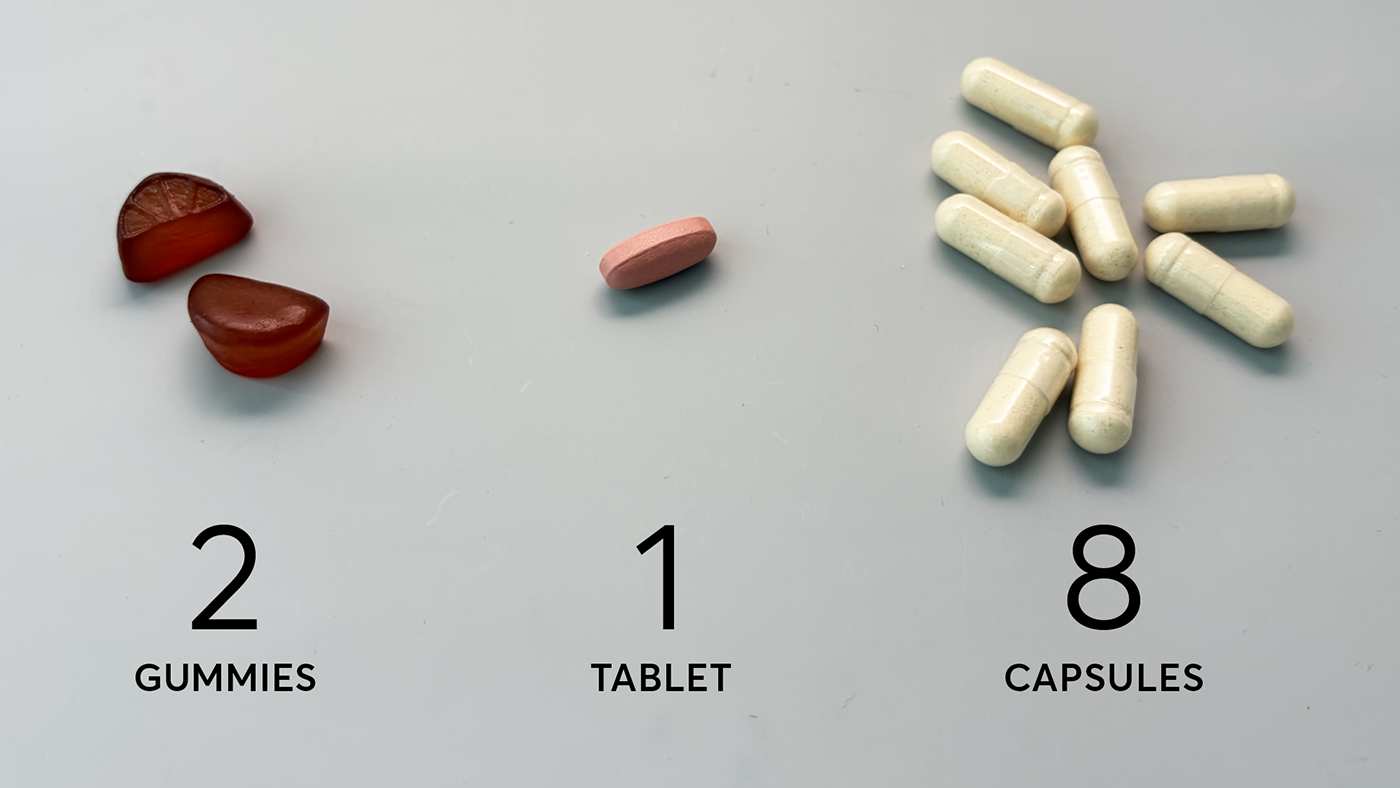
When comparing prenatal supplements, things can get confusing quickly. There’s no standardization when it comes to the number of nutrients a prenatal supplement should provide, what amounts they offer, or what types of nutrients are used. As a result, product formulations can vary drastically. In our tests, one supplement we analyzed contained just 14 nutrients, while another had at least 35. Dosage can vary greatly, too: Some formulas deliver their nutrients in just one tablet or two gummies; one we tested requires eight capsules per day.
ACOG provides recommendations for 10 micronutrients during pregnancy, but a previous analysis by CR found that many prenatal supplements on the market don’t meet 100 percent of ACOG’s guidelines. None of the prenatals in our previous analysis supplied sufficient calcium or choline to meet ACOG’s recommendations. A 2023 study examining 48 prenatal supplements found similar results: None met ACOG’s recommended levels for five key nutrients. And a 2023 study found that out of 20,457 supplements, including 421 prenatal supplements, just one supplement contained amounts of vitamin A, vitamin D, folate, calcium, iron, and omega-3 fatty acids at levels high enough to support the increased needs of pregnant women—and it wasn’t specifically a prenatal vitamin.
Other studies have shown that even when accounting for prenatal supplement use, many pregnant people still aren’t getting enough magnesium, vitamin D, and choline, despite robust evidence of their importance in pregnancy. Same with omega-3 fatty acids like docosahexaenoic acid (DHA) and eicosapentaenoic acid (EPA): An oft-cited study found that even among those taking a prenatal, 95 percent of pregnant women aren’t getting enough of these essential fatty acids, which research shows can help reduce the risk of preterm birth. Many prenatals don’t contain omega-3s—five products in our 2025 analysis (reflecting about 30 percent) do not.
Prenatals are an important complement to a nutrient-dense diet. (Nichols says she considers them “nutritional insurance, not nutritional replacement.”) A diet that’s rich in whole grains, lean protein, plant-based fats, and plenty of fruits and vegetables should be your foundation, “but prenatal vitamins help provide key nutrients—such as folic acid, iron, and vitamin D—that can be difficult to obtain in adequate amounts from food alone during pregnancy,” says Nichols.
Here’s what to keep in mind when choosing a prenatal:
- Talk to your provider. If your prenatal is significantly below the USP tolerance threshold or above the UL, especially for an essential nutrient like folic acid (vitamin B9), it’s worth talking to your provider about considering a different product that may better suit your needs in pregnancy. Keep in consultation with your provider and stay flexible, says Mathew, the OB-GYN and co-chair of ACOG’s California legislative branch. “There are plenty of pathways to achieve a healthy pregnancy,” she says.
- Watch out for megadoses. If a supplement provides significantly more than 100 percent of the Daily Value of a nutrient (you’ll see this as “% DV” on the Supplement Facts panel), that should be a red flag, especially for fat-soluble vitamins (vitamins A, D, E, K) and minerals. (Water-soluble vitamins are less of a concern because the body excretes excess amounts.) An overage above a labeled amount that’s already well over the 100 percent Daily Value could be nearing the UL for some nutrients, which may signal a safety concern. “You can overdose on vitamins, especially those that are fat-soluble,” says Mathew. The effects can be compounded, she says, “because we’re also getting vitamins from fortified foods, our diet, and so people can unknowingly consume levels above what’s intended.” If you have concerns, bring any vitamins you’re taking to your next prenatal appointment so that your provider can review them.
- Look for third-party verification. Prentice recommends using a prenatal vitamin that’s verified by a reputable third party for quality assurance. When you’re reading labels, look for a symbol or marker from USP, NSF International, Underwriters Laboratories (UL), or ConsumerLab.com. These third-party agencies test and certify supplements for quality and good manufacturing practices. It’s important to note that third-party certification does not mean the supplement has been tested for safety or effectiveness—and each agency has its own testing approach for supplements. “Third-party testing is not a 100 percent guarantee of label accuracy; however, it is better than no testing at all,” says Boring.
- Know that prescription prenatals aren’t that different from OTC options. The primary difference between prescription and over-the-counter prenatal supplements is that some insurance plans will cover the cost of a prescription prenatal. But prescription prenatals are regulated as dietary supplements in the same way as OTC prenatal supplements, “which means the FDA does not need to approve them for safety or effectiveness before they are marketed,” wrote the authors of one study. Similar to OTC supplements, prescription prenatals are not necessarily manufactured according to pharmaceutical standards, and there’s no regulation requiring the specific amounts or types of nutrients included.
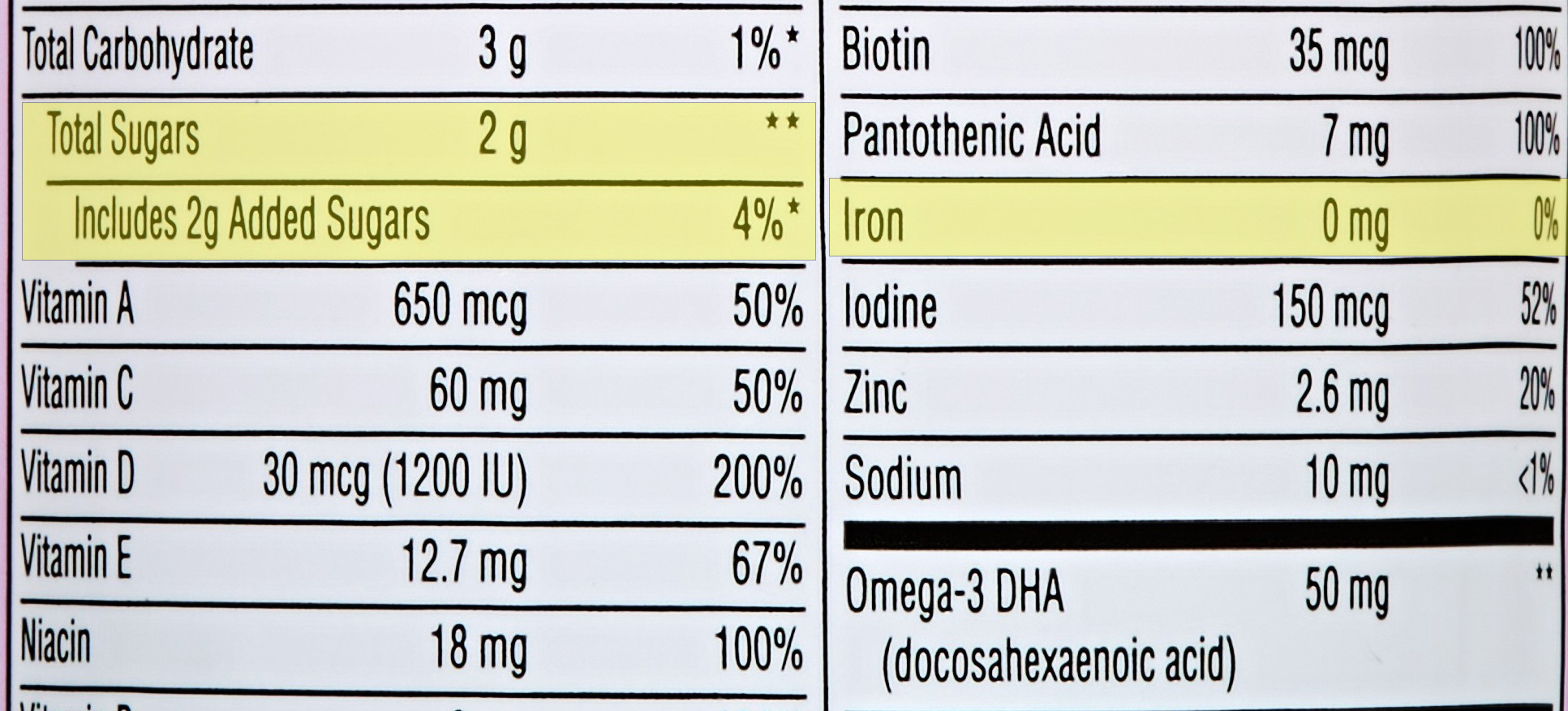
- Consider the trade-offs of gummy vitamins. Gummy vitamins have grown in popularity in recent years as a more palatable alternative to chalky prenatal tablets and hard-to-swallow capsules. In her practice as an OB-GYN, Mathew says she thinks more of her patients may be relying on gummy prenatal vitamins than traditional prenatals. Nausea and vomiting in early pregnancy can make it hard to swallow prenatal pills, Mathew says, “which are often in horse-pill form. They’re huge.” In our tests, gummy vitamins had more nutrients that exceeded the USP tolerance range than capsules or tablets, and half did not contain the labeled amount of Vitamin B9, or folic acid. None of the gummies we tested included iron or calcium, and some do not include DHA. If you’re having trouble stomaching a prenatal tablet or capsule in early pregnancy, talk to your doctor about using a gummy formulation temporarily until your nausea subsides. You’ll also want to talk to your doctor about supplementing with an additional form of iron and calcium if your prenatal doesn’t supply them.
- Watch the expiration date (if one exists). Dietary supplements are expected to meet 100 percent of the claimed amount through the product’s shelf life, but the Food and Drug Administration does not require manufacturers to conduct stability testing or use expiration dates on their products, so whether the supplement amounts listed are accurate beyond the date of manufacture is not guaranteed. In our tests, we found that vitamins that were closer to their expiration date were more likely to have lower vitamin levels than those that were further from expiry. Ideally, a product should “maintain its safety and ability to deliver the labeled nutritional ingredients for potential absorption throughout its expected shelf life,” USP guidance says. But because the FDA doesn’t require manufacturers to list the expiration date on the product, this is hard to enforce. If the product you’re using has an expiration or “use by” date, only use it up until that date, and then toss it out.
- Store your vitamins properly. Keep supplements in a cool, dark location, like a kitchen cabinet or a breadbox, to help them last throughout their full shelf life. For gummy vitamins, you could consider storing them in the refrigerator, especially during the warmer months.
The Bottom Line: More Transparency and Oversight Are Needed for Prenatal Supplements
Consumers place a lot of trust in prenatal vitamins—they deserve to know that their prenatal contains the nutrients needed to support a healthy pregnancy, and that the labels accurately reflect what’s inside.
“Strong manufacturing standards, independent quality testing, and transparent labeling are essential to ensure pregnant people and healthcare providers can trust these products,” says Nichols.
Increased Transparency Around Contaminants
Efforts to improve transparency around contaminants in prenatal vitamins are underway. California recently passed Senate Bill 646 (SB 646), the first law in the nation to require manufacturers to undergo routine heavy metal testing for prenatal vitamins and to publicly disclose their results. Supported by ACOG, the Environmental Working Group, and Unleaded Kids, and with input from the Council for Responsible Nutrition (which ultimately opposed the bill and wrote a letter requesting that the governor veto it, over concerns that the transparency requirements will alarm consumers and cause them to avoid taking prenatals), the law takes effect on Jan. 1, 2027.
SB 646 follows the vein of California Assembly Bill 899, which requires transparency around heavy metals in baby food, with the public disclosure of heavy metal test results. As we’ve seen with similar state-level regulations requiring ingredient transparency, when one state mandates ingredient transparency, it can help families everywhere make more informed decisions. Once SB 646 takes effect, you can look up a prenatal vitamin brand’s heavy metal test results online first before shopping—even if you don’t live in California.
Mathew, part of the ACOG California team who worked on SB 646, says that the law is a “good step in giving patients more informed choices so that they can make the best decision possible for their families.”
Stronger Regulatory Oversight
Beyond transparency, experts say there’s still a need for stricter regulation around prenatals.
“Regulations for dietary supplements are fairly loose, and only a very small percentage of manufacturing facilities get audited each year (and about half are found to be out of compliance),” the third-party verification group ConsumerLabs states on its site, linking to a report from 2020. Product safety and efficacy is up to the manufacturer, “who should do a better job of ensuring its products contain all vitamins and minerals within the USP tolerance limits,” says Boring. “The FDA should [also] do a better job of ensuring that vitamins and minerals in multivitamin and multimineral preparations meet label claims and remain within safe intake levels throughout their shelf lives.” Under the current regulatory approach, the GAO says, “it is possible for supplements to reach the market with amounts of nutrients that do not match the amounts on the label or containing potentially harmful substances, such as heavy metals.”
“Overall, manufacturers are responsible for ensuring their dietary supplements are safe and meet label claims,” says the Council for Responsible Nutrition spokesperson, who also says that all dietary supplements, including prenatals, are already subject to comprehensive FDA regulations and rigorous quality standards. “At the same time, we recognize that women who are pregnant, trying to become pregnant, or postpartum represent an especially important population with unique nutritional needs.”
“Pregnancy is not the time for uncertainty about nutrient intake,” says Nichols. “While modest deviations from label claims do not necessarily translate into clinically meaningful effects, accurate labeling is essential for appropriate supplementation, informed clinical decision-making, and maintaining public confidence in prenatal nutrition.”
Take Action
Sign our petition to the FDA for stronger standards for prenatal vitamins.
Standardization of Prenatal Vitamin Formulations
Given the huge variety in prenatal vitamin formulations across the market and the different forms of nutrients used, Boring, the chemist who led CR’s testing of prenatal vitamins, said that this testing “was one of the more complex projects” he’s worked on.
This lack of ingredient standardization across prenatals means consumers also might struggle to compare them and choose the one that’s right for their needs. No U.S. recommendations specify the optimal number of nutrients in a prenatal supplement, though U.S. health organizations do recommend an adequate intake of key nutrients during pregnancy. Internationally, however, a standardized formulation does exist. In 1999, UNICEF, the United Nations University, and the World Health Organization agreed on the composition of a multiple-micronutrient tablet to be distributed to pregnant women in low- and middle-income countries where micronutrient deficiencies are common. The tablet provides specific amounts of 15 vitamins and minerals, and was found to be largely successful in reducing low birth weight in its designated populations. The formulation has since been added to the WHO’s List of Essential Medicines.
A standard formulation for prenatal supplements could help establish a baseline for meeting nutritional needs during pregnancy. It would also help reduce the burden on consumers by determining whether the product they’re considering even has the nutrients they need—and, further, whether those nutrients are present in adequate amounts, not excessive ones.
Editor’s Note: This article, originally published on Aug. 19, 2026, has been updated to include comments from companies received after publication. The article has also been updated to reflect that certain prenatal vitamins could not be fully tested for riboflavin.