We Found Heavy Metals and VOCs in CR's Follow-Up Braiding Hair Investigation
New tests show that human hair contains the highest amounts of lead, and some companies can reach lower levels. Brands like Gyal and Rebundle were tested in this round.


When Consumer Reports published findings from tests conducted on several synthetic braiding hair products in 2025, we detected heavy metals like lead in 90 percent and volatile organic compounds (VOCs), potentially dangerous chemicals, in 100 percent of the samples.
On social media, Black women—the primary users of these products—expressed a mix of anger, disbelief, indifference, and, mostly, frustration with the results. For so many who switched to wearing braids after learning that chemicals in relaxers may be linked to cancer, this news was like a gut punch.
“You try to leave the chemicals of the creamy crack [relaxers] only to be exposed to something more sinister,” one Instagram user wrote on a repost. Another shared on Consumer Reports’ TikTok, “This hair needs to be taken off the shelves immediately,” while another commented on The Shade Room’s TikTok, “If they are this bad how are they allowed to be sold?”
These comments were among a litany of horror stories from Black women about rashes, sores, excessive itching, swelling, burning, and even suspected hair loss from wearing braids done with braiding hair. Another striking response was consumer-to-consumer recommendations to switch to human hair (and, in some cases, vegan or plant-based braiding hair). That’s what Kay W., a commercial leasing consultant in North Carolina, did.
“I noticed every time that my hair was braided with Kanekalon hair, by day one the itch was so bad,” she says. “Most times I would experience red bumps . . . it would be more like a chemical burn. I used to blame the [hair care] product, but once I reverted back to just grease the problem was still there.” She went on to say that once she switched to human hair, her scalp had “no reaction at all.”
Hairstylist Sinurae Trippett took down her “cute braids” after seeing the test results on social media, and, “though tempted,” has not gone back since. “Now I just twist and plait my own hair and put it up or do twistouts,” she tells CR.
In early 2025 readers asked CR to test human hair and braiding hair brands that claim to be safer, such as Gyal and Rebundle.
And that’s just what CR did. In late 2025, CR tested 30 products, including human hair, popular plant-based hair, and additional synthetic braiding hair products that we hadn’t tested previously.
Top Findings
All but one sample contained heavy metals. Lead was detected in 29 of the 30 products we tested, and human hair was by far the worst offender.
One hundred percent of the products also contained VOCs, including acetone, a respiratory irritant, and low levels of carcinogens (toxins that may be linked to cancer).
Brands that make claims about safety or quality of ingredients contained contaminants, too, although at sometimes lower levels than many other products tested.
How CR Tested Braiding Hair
So, how did CR come to choose this topic in the first place? We went straight to the source: Black women. We spoke with multiple Black-led organizations to understand which products are cause for concern in their everyday lives. Braiding hair was high on the list for many women, and CR has continued partnering with these organizations from the first investigation and now this one.
To help identify products to test for both investigations, we held listening sessions with several Black-led organizations and their members. For this second investigation, CR also reviewed thousands of social media comments requesting testing for specific products after the first investigation was published.
After collecting product names from organizations and social media, CR identified other products that came with claims, either on the label or on the website, that they were safer or less irritating. We chose 30 braiding hair products, representing a cross-section of popular, nationally available brands that were in stock at the time of purchase, including human, plant-based, and synthetic hair. (For the purpose of this story, any hair type that is not human hair will be referred to as artificial or synthetic.)
Rogers and his team of scientists tested three samples each of the 30 braiding hair products from 29 brands (90 samples total). All of the products, which were purchased across several popular online retailers, were shades of black or dark brown. The team analyzed the samples for heavy metals—arsenic, cadmium, and lead—VOCs, and microbiological contamination. The reported results are the average of all three samples.
“The response from consumers included questions as to whether or not alternative products had the same issues with heavy metals or VOCs as the first study,” says Rogers, explaining why his team decided to test human hair and plant-based braiding hair options. “Also, we included some products that made claims on their label, such as being organic, in order to determine if that made a difference.”
The test assessed whether the chemicals were present and how much of each was present—many of the products didn’t meet their label claims of being nontoxic or chemical-free. Similar to the earlier investigation, Rogers’ team used a hand-to-mouth transfer route/exposure model evaluation (rather than inhalation or absorption) for several reasons:
One of the reasons for choosing this pathway lies in the hair braiding salons. If you’ve ever gotten your hair braided, you may also be aware of how often braiders go from handling braiding hair to touching their face, wiping their mouth, or, as my stylists in the past have done, putting “something in their stomachs,” aka eating a snack, between clients or while one is under the dryer. Although it’s unhygienic, some braiders sometimes also put the clients’ braids in their mouths to help hold up longer braids, enabling them to complete the braid more easily.
Also, babies and infants, who put pretty much anything they can grab into their mouths at some point, love to grab hair—say, while being held—to give it a taste, too. Further, as more toddlers and younger children are getting their hair braided with these products, the likelihood that a segment of the consumer population is putting the hair directly in their mouths increases. Because the toxins in these products—such as lead and arsenic—are especially harmful to children, it’s of utmost importance to ensure cleaner ingredients.
Let’s not forget the people who braid their own hair. Again, the longer the braids, the more challenging it becomes to complete the braid down to the ends of the hair. To mitigate this, people sometimes hold their hair in their mouths while braiding the bottom portion.
Finally, for continuity from the first investigation to this one, we repeated the same model evaluation.
See the full breakdown of our methodology (PDF).
Braiding Hair Lab Tests
Lab technicians work on tests for braiding hair.
Multiple Pathways to Exposure
Christina Chapman, a radiation oncologist and assistant professor at Baylor College of Medicine in Houston, previously told CR that finding a “safe” option for braiding hair is not that simple. To date, we’ve tested 40 out of thousands of products available and have yet to uncover one that’s contaminant-free.
It’s important because, in addition to the hand-to-mouth transfer, which CR’s tests focused on, braid wearers and even braiders can be exposed through the skin, as was the experience of hairstylist Niani B., owner of Beauté Anthologie the Natural Hair Salon in Southfield, Mich., and creator of A Safe Space for Black Girls That Never Learned How to Braid. She recalls a time early in her career when she didn’t think to wear protective gear. “I’m a braider, I’m new, [it’s] very normal for a client to come in and I just start braiding,” she says. After contracting an infection in her finger, she wears gloves when she braids.
Angela Lamb, MD, associate professor in the department of dermatology at the Icahn School of Medicine at Mount Sinai in New York City, agrees. She notices that the allergic reactions or irritation patients have to braids tend to be around the neck where the braids rest.

Artificial hair is often treated with chemicals of some sort, whether synthetic or real, that some people cannot tolerate.
Associate dermatology professor at the Icahn School of Medicine at Mount Sinai
“Sadly, it’s very difficult to test how much these may be getting absorbed through the scalp or through contact with the skin that the hair touches,” Lamb adds.
Though, she says, if absorption through the skin is happening, “any break in the barrier would increase risk.” In other words, if those braids are so tight that your eyebrows are in that forever-raised position (almost anyone who’s gotten braids has been there at least once), your braids are too tight. Wearing too-tight braids can cause microtears and lesions that affect the skin barrier, which theoretically could allow contaminants to enter the bloodstream. It’s why Bridgette Hill, a Florida-based trichologist who specializes in hair loss and hair health, wants manufacturers to be on the hook for responding to these issues with changes in their production, mainly testing.
“I try not to be alarmist, but I think when you’re talking about health and wellness, endocrine, our hormonal systems, there’s a health component that Black women’s bodies need to be considered in Black women’s approach to beauty,” she says. “The testing, the dollars, the clinicals from the brands that are producing this, that’s where accountability should lie—the people putting this on the market. We deserve to be protected as a beauty consumer as well.”
Elissia Franklin, PhD, a research scientist at Silent Spring Institute, says exposure via braiding hair is not a one-time incident. “When you’re thinking about these exposures, you have to remind yourself it’s not a one-off thing, but it’s cumulative,” she says.

So you ask yourself, ‘Why should I care about the fact that it has this little amount of X chemical in it?’ It’s because it’s not the only way you’re exposed to that chemical.
Research scientist at Silent Spring Institute
"If you’re introducing all these different products and it’s all compounding and you’re using them consistently every day, that increases your risk of these harmful outcomes,” Franklin adds.
Rogers agrees. He says hand-to-mouth is just one possible pathway through which people can be exposed to the contaminants in braiding hair. “Our results are based only on this pathway, so this is just a portion of total exposure,” he says.
In other words, because braid wearers are exposed to the hair 24 hours a day—often for as long as three months at a time—it also means they are exposed to the toxicants 24 hours a day on the skin and scalp.
For Black people, braided hairstyles are stylish, fun, and convenient. They shouldn’t be a source of potential health issues, especially for those who wear braids exclusively. And despite the 2025 report and this new one, no experts we spoke with suggested that people stop wearing braids entirely. Rather, they should be installed and worn with care.
“Our beauty is a healthcare component first and foremost . . . and our hair is a communicator about things happening in our bodies,” says Hill, the trichologist. “I think braids and protective styles are great options and can be very positive aspects of the scalp microbiome and to the hair fiber when performed the right way, taken care of the right way.”
Heavy Metals and VOCs Detected in Braiding Hair
Only one of the 30 products contained no detectable levels of the three heavy metals we tested for—lead, arsenic, and cadmium. There were no detectable levels in Dosso Beauty Hypoallergenic Kanekalon Fiber Braiding Hair. Rogers says this example shows that braiding hair can be manufactured without detectable heavy metals. Seven products contained detectable levels of lead but not arsenic or cadmium. The remaining 22 products contained all three heavy metals or a combination of lead and another metal. The responses from the manufacturers we heard back from are below.
Arsenic
We’ve previously reported that inorganic arsenic, a human carcinogen, is a naturally occurring heavy metal. It is also the most toxic substance in the environment, according to the Agency for Toxic Substances and Disease Registry. Arsenic is found in some foods, including rice. The ATSDR says arsenic is associated with pulmonary disease, cardiovascular disease, and several forms of cancer, and can affect human reproductive systems.
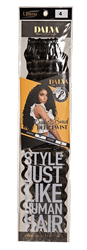
The product with the highest arsenic level was Dalva Collagen Protein Crochet Braid Deep Twist, a synthetic product.
Sixteen products contained no detectable levels of arsenic.
Lead
CR has reported that with prolonged exposure, lead can cause significant health issues and has been linked to immune system suppression, reproductive issues, kidney damage, and hypertension, as well as neurological, circulatory, digestive, and renal dysfunction. CR has detected lead in several foods during tests, including chocolate bars, protein powders, and even baby formulas. "There is no safe amount of lead exposure, and we believe your exposure to it should be as low as possible,” Rogers says.
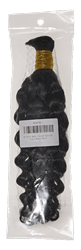
Ywigs Water Wave Bulk, a human hair product, contained the highest amount of lead of all products, exponentially more above the level CR considers concerning.
Hair by Shake-N-Go and Sensationnel, both of which had other products tested in the 2025 investigation, had the fifth- and sixth-highest lead levels, respectively.
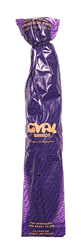
The Gyal Braids website claims that its product is free of lead. The product did contain lead and trace amounts of arsenic and cadmium. In response to this finding, Gyal said that this claim meant, “No lead is intentionally added at any stage of our product or manufacturing process,” but that as a result the company has “proactively updated our product language to state that no lead is intentionally added to our product or manufacturing process, which we believe is more scientifically precise.” The company said that two of three Consumer Reports samples showed no detectable lead.
Rebundle makes hair with banana plant fibers that it claims on its website are nontoxic and free of heavy metals and carcinogens. It, too, was found to contain lead, the 10th-lowest of the 30 products. It did not contain detectable arsenic or cadmium. In response, Rebundle’s CEO Ciara Imani May acknowledged CR’s findings in a statement and said, “Lead is an environmental metal that can occur at low levels in soil and plant-derived materials. We are actively reviewing the findings and investigating potential sources, including raw material inputs and environmental exposure.”
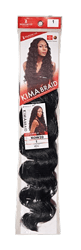
Dosso Beauty claims on its website that its synthetic hair product is free of lead, and its lab testing showed no detectable levels of heavy metals, the only product to achieve this. Another synthetic product, Model Model Glance Braid Beach Curl, contained a comparatively low amount of lead.
Cadmium
Cadmium is a heavy metal that has also been detected in foods CR has tested, including chocolate and kids’ lunch kits. Ywigs Water Wave Bulk was the worst offender for cadmium, along with lead. Ten products showed no detectable cadmium, and several contained trace amounts, including those from Alitress, Gyal Braids, Lillian Augusta Beauty, and Urban Beauty.
The ubiquity of these heavy metals means that people should identify where they are being exposed, such as in foods, and try to limit exposure, in foods and other areas, such as braiding hair.
Lead in Human Hair
The nine human hair products tested contained the highest lead levels by far. “I was surprised that there was so much lead in all nine samples of human hair because we had no indication that that was ever an issue,” says Rogers.
All the human hair samples contained lead concentrations far above CR’s level of concern.
So how does lead get into human braiding hair? Lead is easily absorbed into hair due to its structural fibers, through both blood and external contamination, according to a study in the journal Hygiene and Environmental Health Advances. Prolonged occupational exposure (such as in people who handle heavy metals in factories, mines, welding facilities, and refineries) can cause elevated lead concentrations in the hair and below the scalp.
Much of the human hair sold at retail comes from places like Brazil, China, India, Peru, and Southeast Asia, where lead exposure can also come from food, water, cookware, and even cosmetics. It makes sense that if products are not being tested and contaminants intentionally removed, they would unintentionally show up in human braiding hair in high levels. A small study published in the International Journal of Medical Toxicology and Legal Medicine found that some commercial hair dyes used by people in India contained lead.
VOCs Detected
When human and artificial hair are heated during styling, VOCs may be released, leaving the hairstylist and the client susceptible to inhalation. According to the Environmental Protection Agency, VOCs are chemicals that can cause skin irritation, nausea, headache, and damage to the liver, kidneys, and central nervous system. Some are carcinogenic to humans.
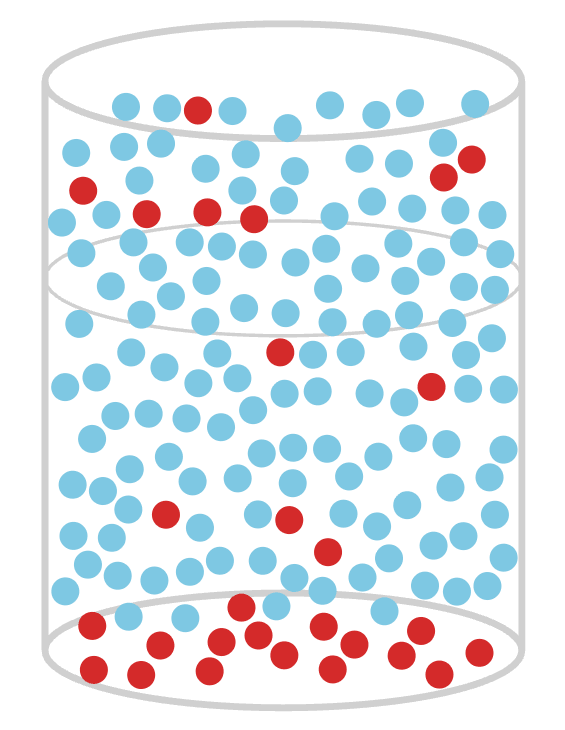
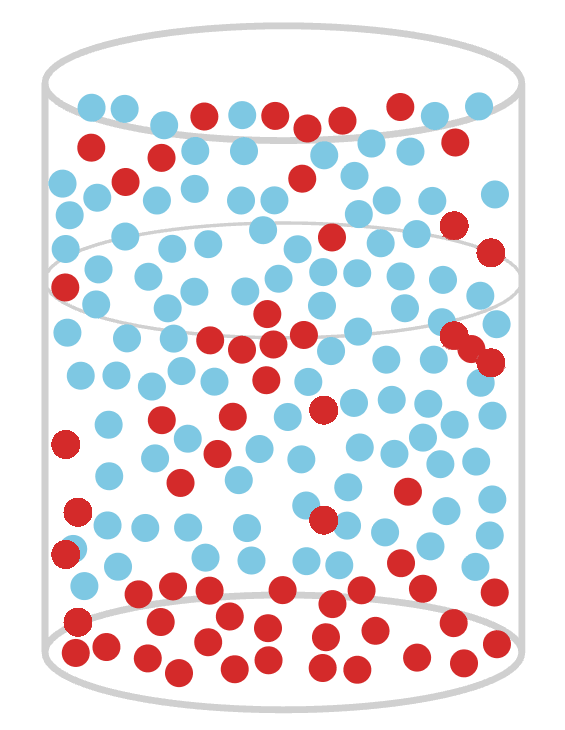
CR tested for 65 VOCs, and 50 were detected in the entire test. Every sample tested had low but detectable levels of at least eight, and the highest number of VOCs detected in any of the samples tested was 40. The lab results show that all products contained, at a minimum, the following VOCs: dichloromethane (methylene chloride), a likely carcinogen; acetone, a respiratory irritant that can cause adverse neurological effects; and benzene, a known carcinogen. All but one product, Rebundle, contained toluene, a pulmonary irritant and a central nervous system toxin.
In addition, all but four products contained ethyl benzene, a reproductive and neurological toxicant; and all but two contained m,p-Xylenes, a pulmonary irritant and toxin to the central nervous system. All hair products contained additional VOCs, as listed in the full VOC and heavy metal data report (PDF).
For this test, we tested for VOCs and estimated a braiding hair user’s daily exposure from the maximum measured levels of the individual VOCs detected based on the oral exposure scenario described above, and compared the exposure estimates to the EPA reference dosage for those VOCs.
Except for the average acetone estimates for two products, the exposure estimates for the other VOCs were well below the reference doses. This means all other VOC levels were low.
Gyal Braids and Slayyy Hair were the worst offenders for VOCs and contained the highest total levels. For both products, the vast majority was acetone.
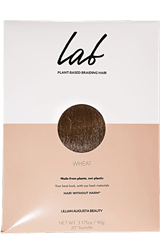
The five products with the lowest total VOC levels detected were Bobbi Boss Nu Locs Crochet Braids, Lillian Augusta Beauty Plant-Based Braiding Hair Wheat, Amore Mio Stretch Braid, Mane Concept A Fri-Naptural Knotless Braid, and Model Model Glance Braid Beach Curl.
Notes: In this chart, some bar graphs contain slashes. These indicate that CR had to truncate the bars to ensure that they fit on the screen. “ND” means “not detected.” The products are listed in alphabetical order by category. To see the benchmarks CR used for its evaluations to determine its levels of concern, please see the methodology (PDF).
Our results indicate which products had comparatively higher levels and are not assessments of whether a product exceeds a legal standard.

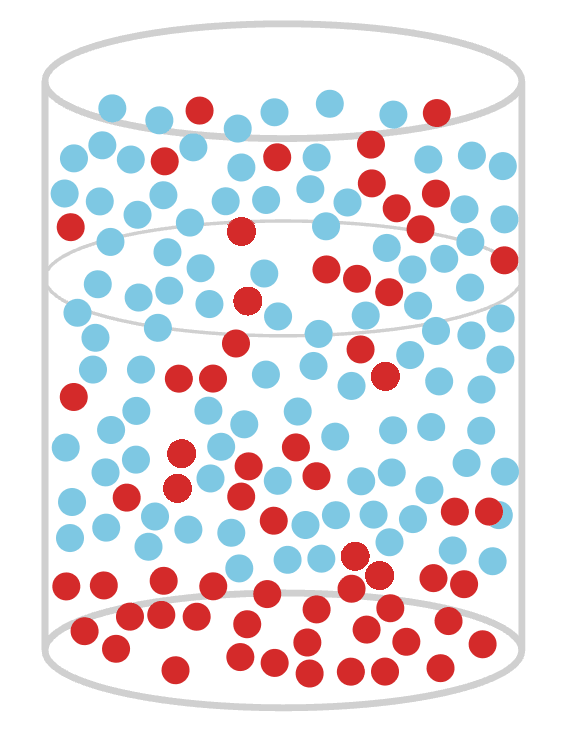
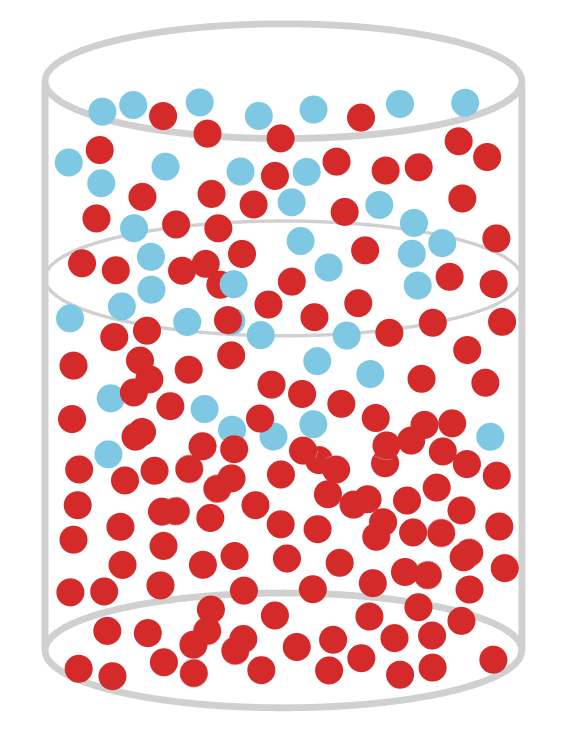

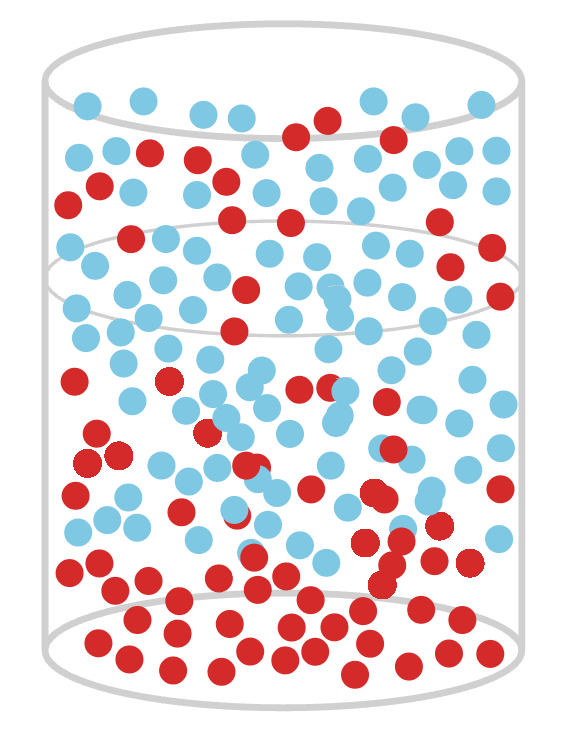
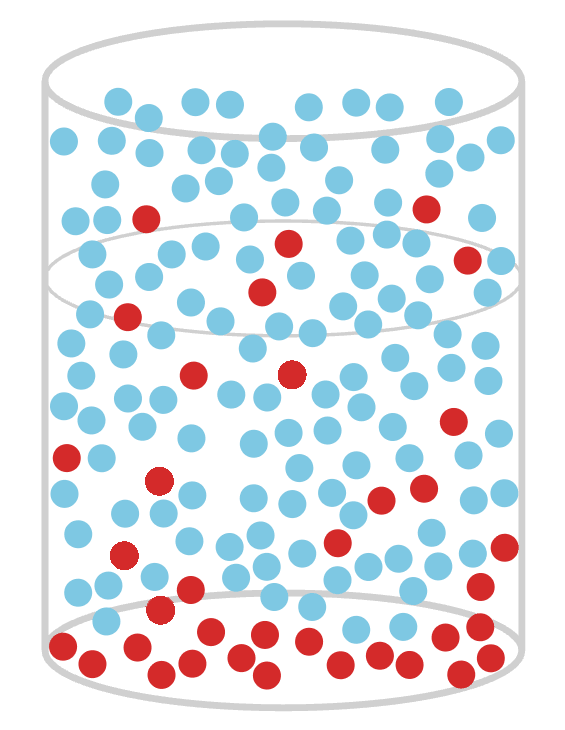
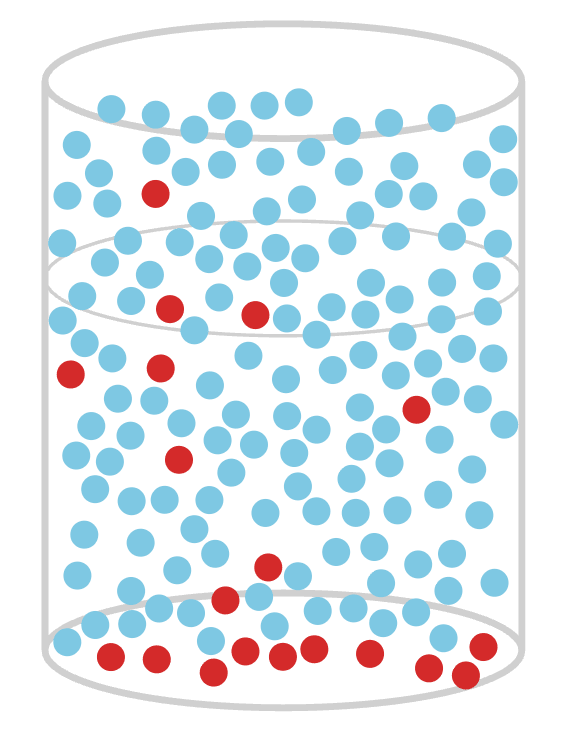
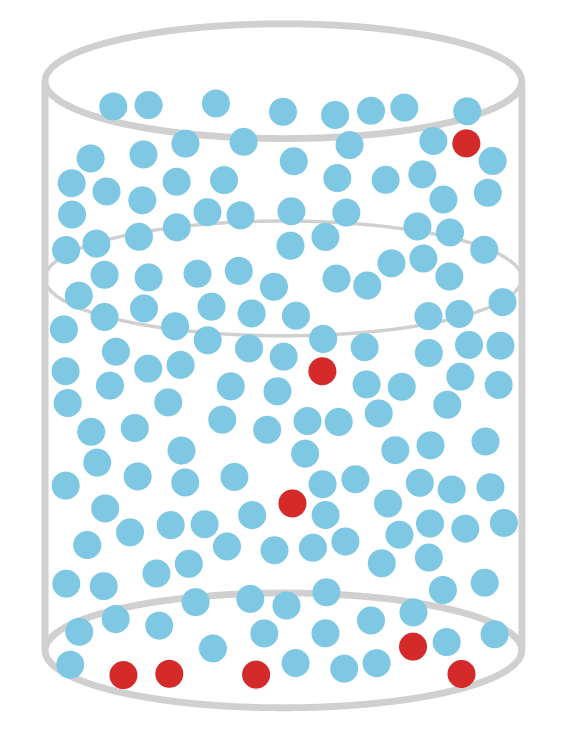
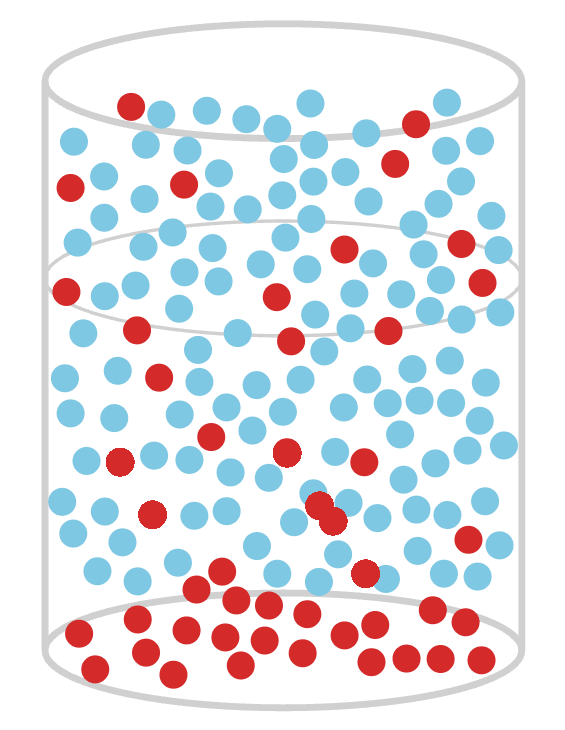
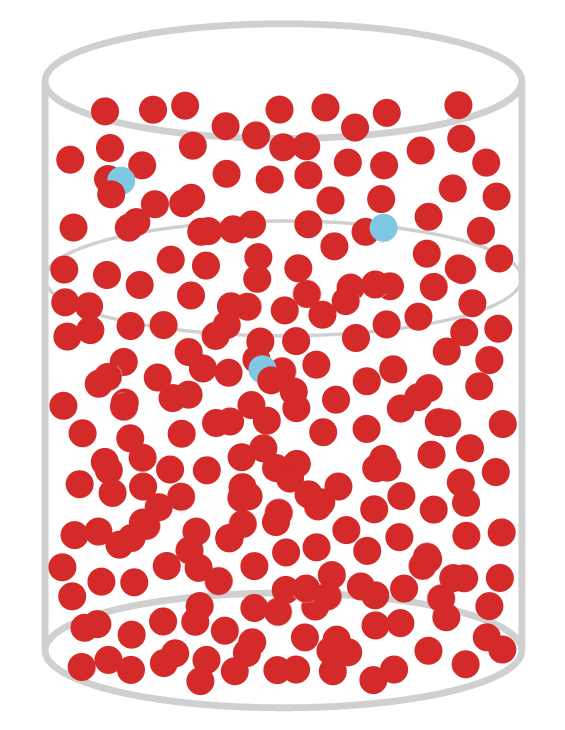
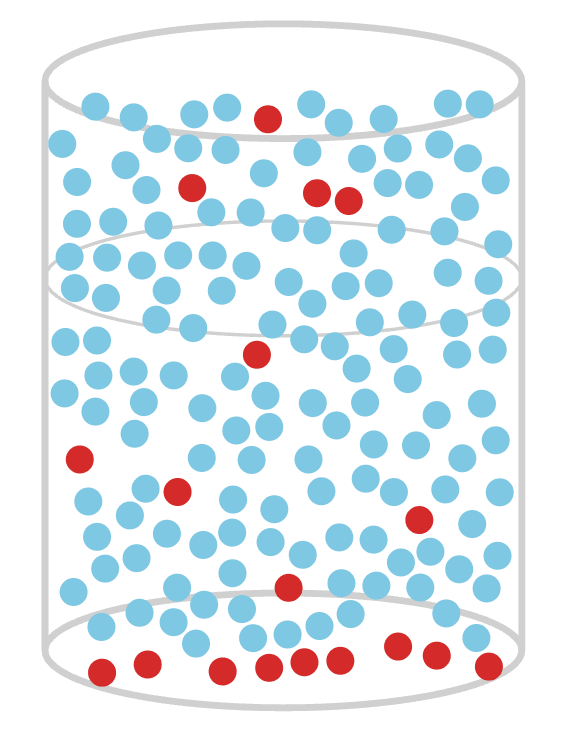
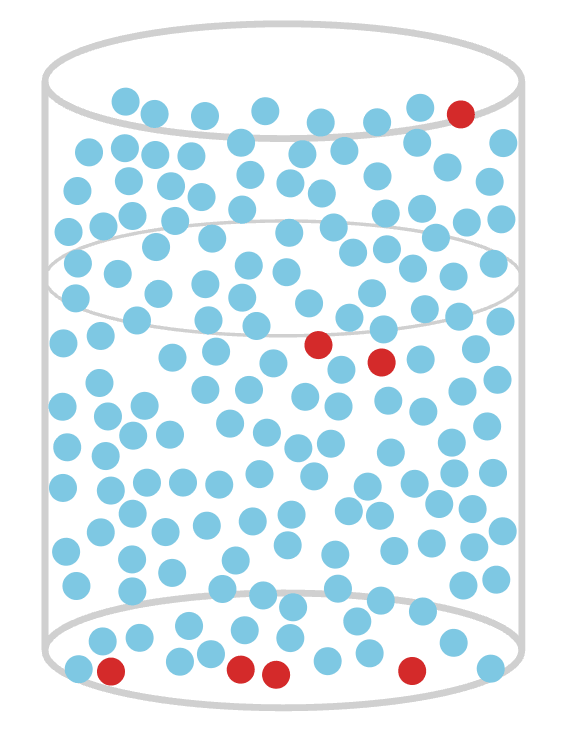
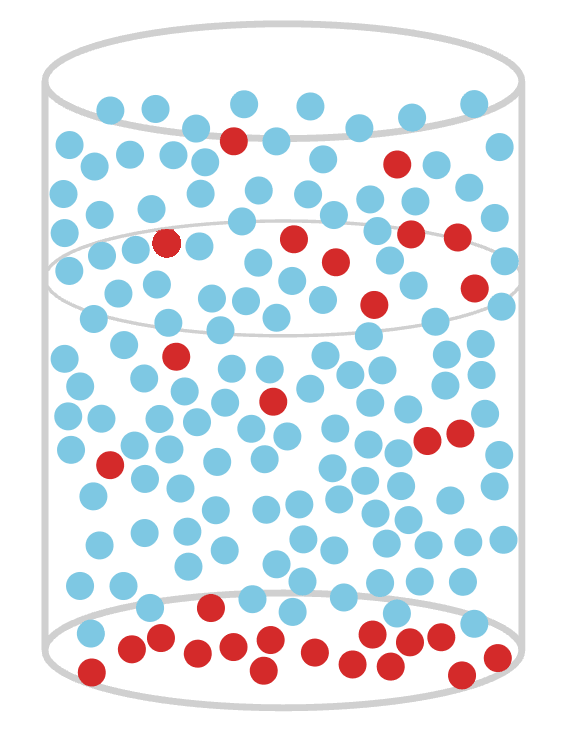
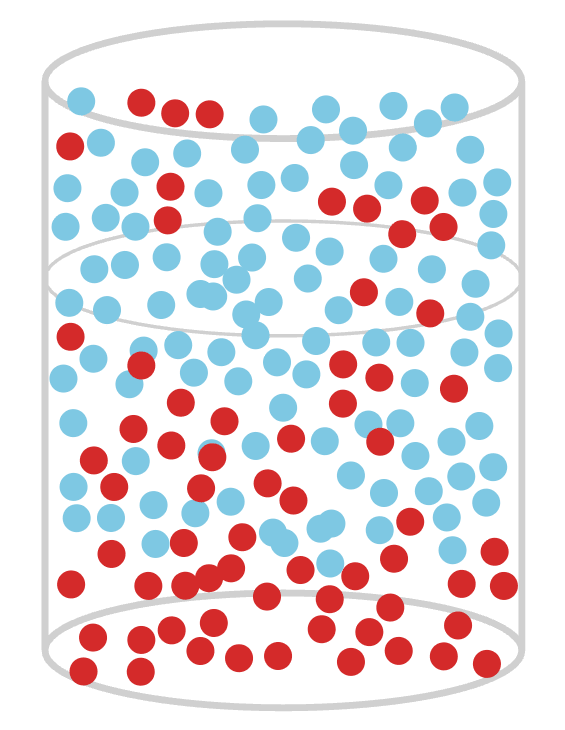
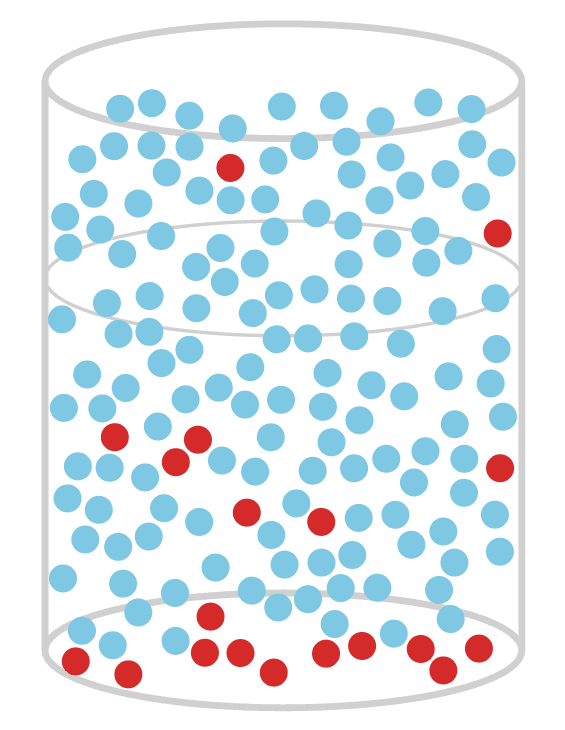
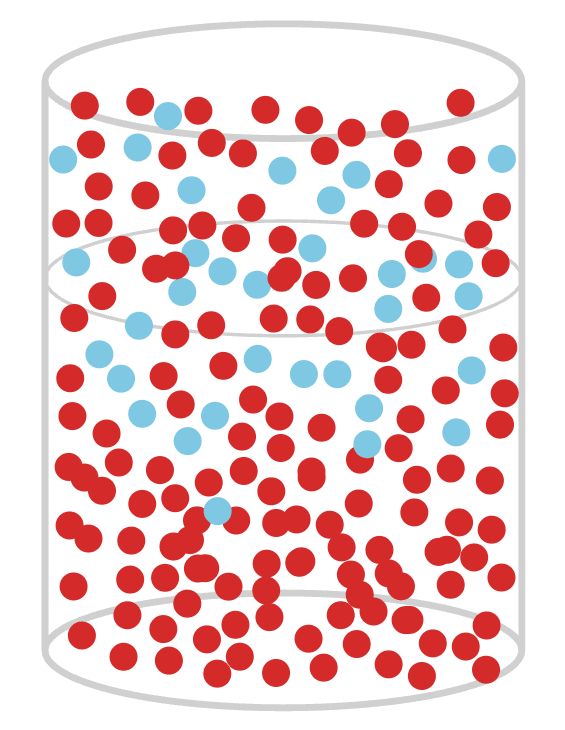
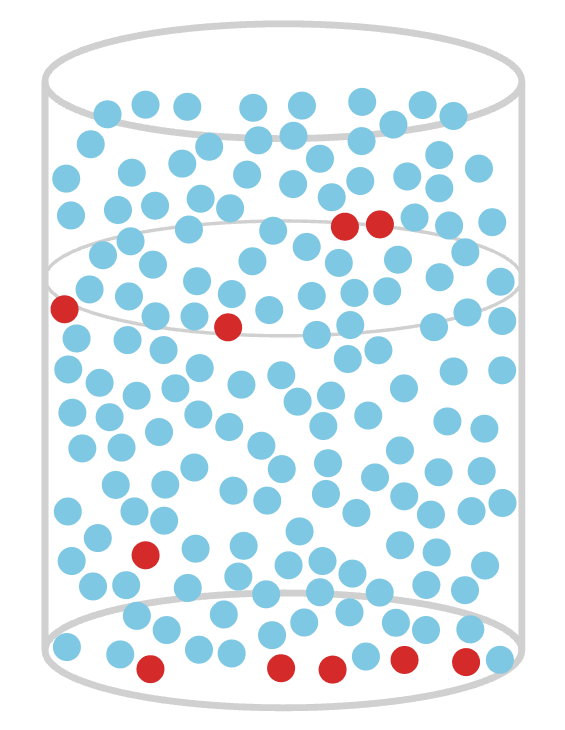
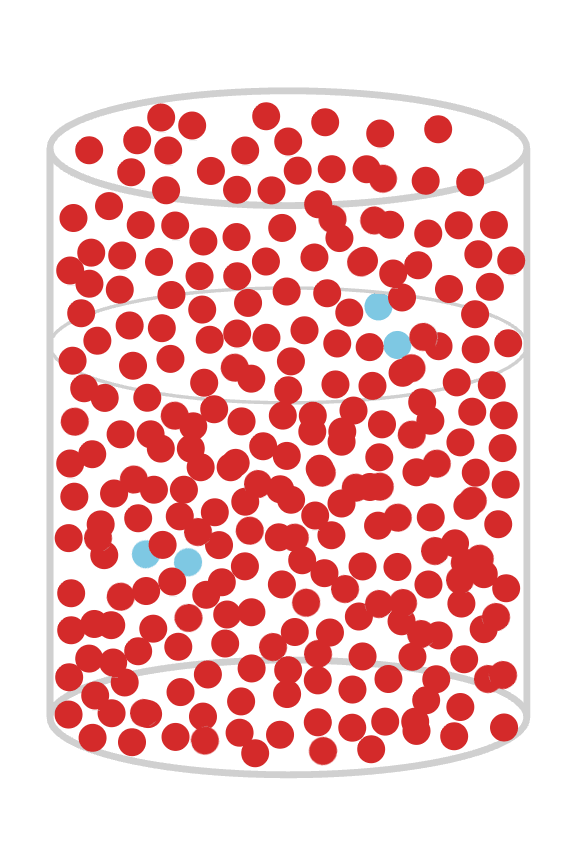
is not a carcinogen, it can be a respiratory irritant.
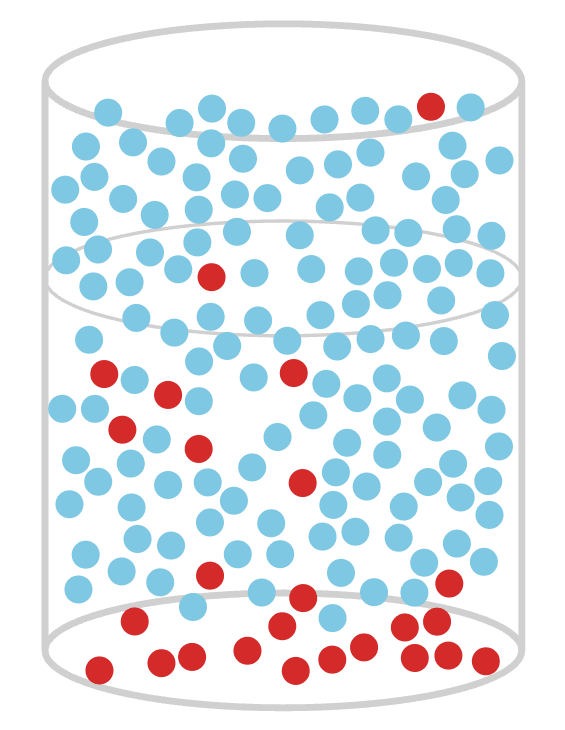
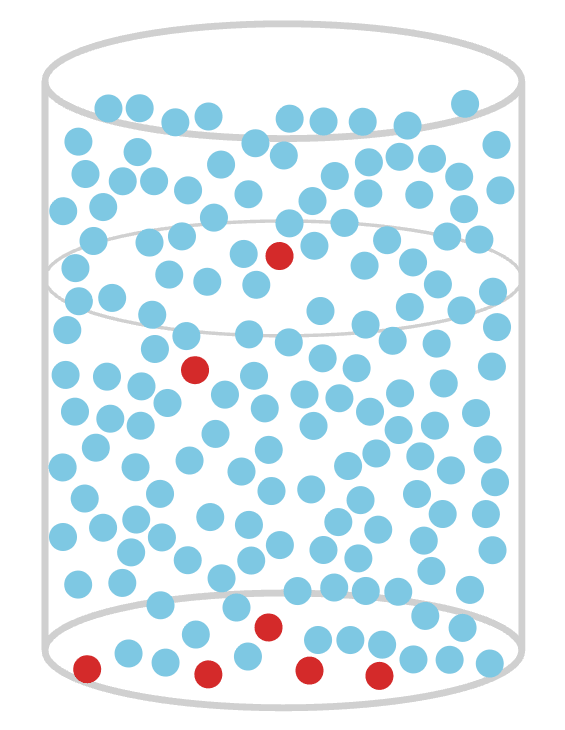
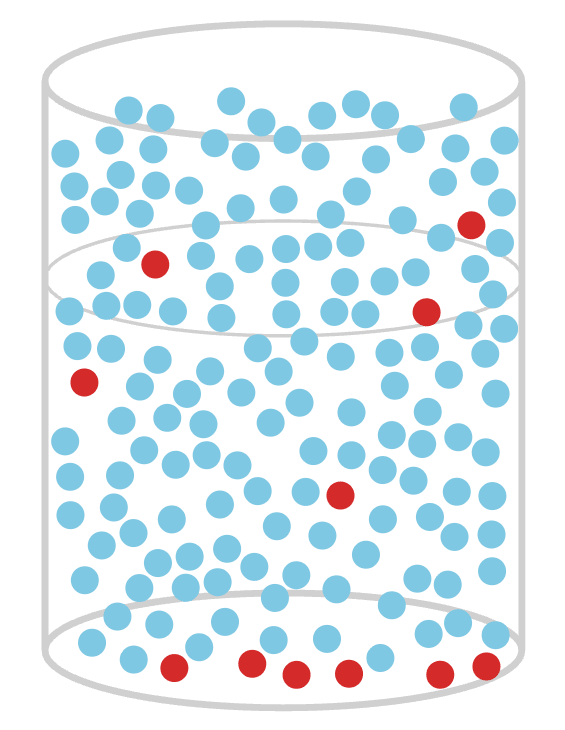
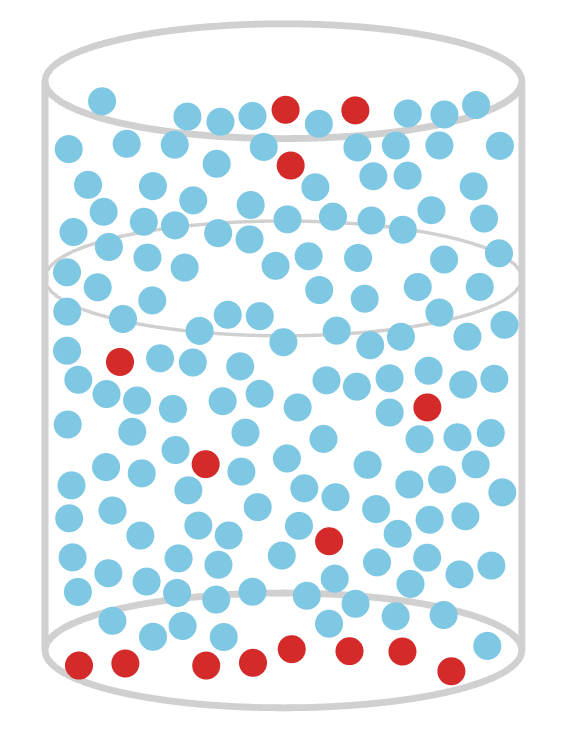
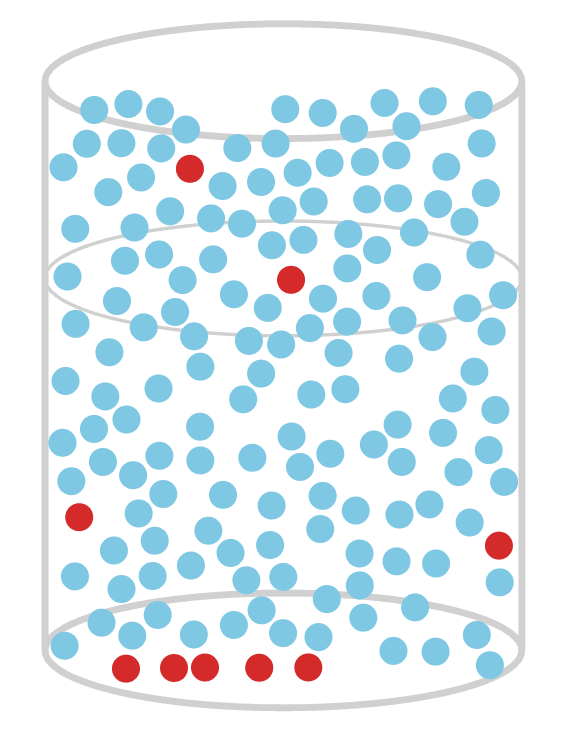
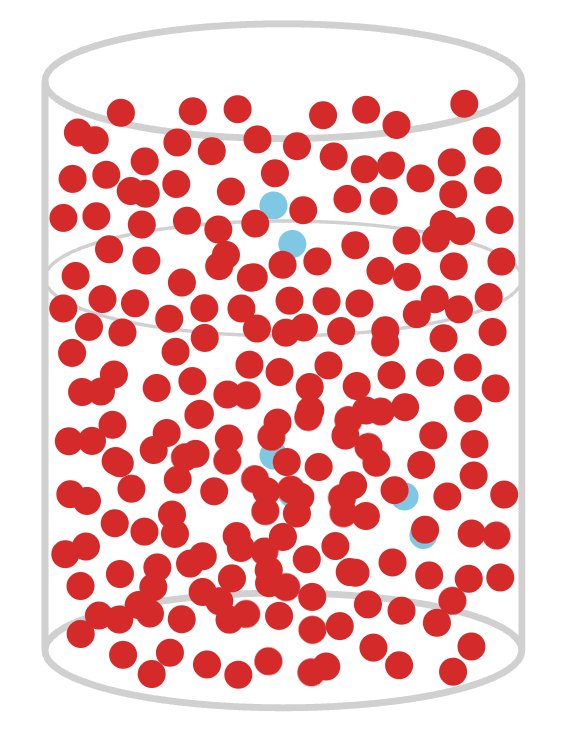
is not a carcinogen, it can be a respiratory irritant.
Microbiological Testing
Because this test included products made from plants or that contained collagen protein, and organically treated hair, we analyzed for potential pathogens and bacteria that can cause irritation, spoilage, and infection. The good news is none of these contaminants were detected in any of the hair and, though one plant-based brand had a high aerobic plate count, it didn’t imply an immediate risk of infection, according to Rogers. See the full microbial testing report (PDF).
A Separate New Test of Braiding Hair
Franklin, the scientist at Silent Spring Institute, recently conducted a study published in the Journal of the American Chemical Society that found several chemicals linked with cancer, birth defects, reproductive harm, and hormone disruption present in hair extensions.
Franklin’s study, which tested 43 commercially available synthetic and bio-based hair extension products, found a total of 48 toxic chemicals, such as phthalates, pesticides, flame retardants, styrene, and other toxic substances in all but two samples. When you consider that nearly 72 percent of Black women will wear some sort of extension in their hair at least once a year, the presence of this many hazardous chemicals in a beauty product begins to feel like a public health concern for the community.

Photo: Shalwah Evans Photo: Shalwah Evans
“We have to remind ourselves that there are health disparities that Black women in particular face,” Franklin says. “We’re disproportionately exposed to a lot of these harmful chemicals.”
This is key because for some women, itching, burning, and other types of irritation may never occur. It could also seem like a diminutive level of danger if you only use braiding hair once a year. But Franklin doesn’t think that it’s an area where Black women should settle.
"My biggest suggestion until there is better regulation is for buyers to use their buying power to promote change,” she says.
Invest in companies that aim for transparency and actively work to produce safer products for their customers. Change can be made by people requiring better.
“The chemicals that we found in these products are known to cause cancer, birth defects, reproductive harm, and hormone disruption. These are not outcomes that you always see with the naked eye or feel immediately,” she says.
“Our exposures are not a one-off, where there is one chemical in one product that we use only one day. We are constantly using multiple products that contain multiple chemicals, some associated with health risks, and these exposures add up and [contribute] to our overall exposure. This is not to say that people should never wear their favorite style, but to inform people that they can consider ways of mitigating overall risk by considering their overall exposures.”
Why More Regulation Is Needed
Consumers are inundated with ads whenever they open an app, turn on their computers, or turn on their televisions. The onus shouldn’t be on them to suss out which products are safe, especially for minors, who have access to smartphones and may use them to buy potentially unsafe products. Clear warning labels and full ingredients lists are necessary. Franklin says that Silent Spring has seen progress with regulation through Proposition 65, a California law that requires businesses to provide warnings if their products expose people to cancer-causing chemicals. (The state’s website has a list.)
“At Silent Spring we actually found that upon a chemical being listed on the Prop 65 list, that the overall exposure to that chemical reduced not only in California but across the country,” she says. “That’s because companies are not going to make a new product and only sell it in California. So they now have that new product which is being sold across the country; everyone benefits from this.”
Alexandra Grose, CR’s senior counsel for sustainability policy, is also hoping that tests like ours and Silent Spring Institute’s can bring big changes to consumer protection laws. She’s been working with business leaders and public health experts to push the Beauty Justice Act (S.2057/A.2054), a New York bill that would ban many of the most toxic chemicals from personal care and beauty products sold in the state.
“We’re hoping that this testing spurs the industry to do better,” she says.

In 2009, the European Union banned over 1,300 toxic ingredients from cosmetics and personal care products, and continues to update its list as science uncovers new harms. Meanwhile, the U.S. has banned 11.
Senior counsel for sustainability policy at Consumer Reports
“The EU ban includes heavy metals such as lead, mercury, arsenic, and cadmium, as well as thousands of other contaminants like benzene, parabens, formaldehyde, PFAS, and PFOA. Since manufacturers are already making products that comply with European regulations, when they say it can’t be done in the U.S., we just don’t buy it—literally and figuratively,” Grose says.
When asked about the agency’s oversight, the Food and Drug Administration said in an email that “Some skin or personal care products (such as synthetic hair, wigs and hair extensions) are cosmetics under the Federal Food, Drug, and Cosmetic Act (FD&C Act) . . .”
In the 2025 investigation, the FDA suggested that “other federal agencies also may have jurisdiction over hair extension and wig products sold in the United States,” but it did not say which agencies might have jurisdiction. CR asked the FDA for advice for consumers using these products but did not hear back by the time the article was published.
Braiding hair brands Dosso Beauty, New Village Braid, and Rebundle have been allies in these efforts, supporting and championing the introduction of more policy into this highly unregulated market, and proving that brands with products that contain traces of these contaminants are committed to reducing them.
“I do think a lot of times, too, with the Black-women-owned brands they have the goal of reducing harm in their communities, but also you have to consider . . . [what am I] focused on avoiding in these products,” says Franklin. “If the goal is to eliminate skin irritation because that’s been the biggest thing—the itching—then you have all these brands that focus on eliminating itching, and we forget about the extremely harmful stuff.”
“I hope that coming out of this, consumers are able to find cleaner, healthier options in the marketplace,” Grose adds.
Braiding Hair Must Be Safe
Tell companies to ensure their products are safe. Sign the petition.
What the Companies Had to Say
CR contacted all the brands for comment about the test results. Thirteen responded, including Dosso Beauty, New Village Braid, and Rebundle, three companies that support more regulation in this space.
In an email, New Village Braid wrote, in part, “New Village Braid takes a risk-based, quality-focused approach to product safety. We work with established suppliers, review material documentation, and use independent third-party testing to screen for heavy metals, VOCs, and other restricted substances, with reference to California Proposition 65 and EU and regulatory guidance. While no material can be guaranteed to contain zero substances at absolute levels, we focus on evaluating results against health-protective benchmarks and communicating clearly with consumers.”
A representative for Model Model and Shake-N-Go responded that it strengthened its internal controls and supplier oversight following Consumer Reports’ prior coverage and testing related to braiding hair products. Their statement read, in part, “We shared those findings with our suppliers and have consistently emphasized that hazardous or harmful substances must not be used in our products,” the brand states. “We work with established manufacturing partners and maintain quality-assurance processes designed to help ensure that our products meet applicable safety standards and retailer requirements prior to distribution. As part of these efforts, we conduct periodic internal reviews and independent third-party testing, informed by evolving industry practices and available scientific guidance.”
They continued, “Our testing approach is multi-layered. Initial random testing is conducted in the country of production, and we are also preparing to conduct secondary testing through U.S.-based laboratories to further evaluate product safety and material composition.”
Braid Miracle Founder and CEO LaTonia Oyeniran, said, in part: “Braid Miracle is a Black woman-owned brand founded by and for the braiding community, and safety and quality are central to why we exist. We understand the intent of Consumer Reports’ testing and appreciate the broader conversation it brings to product safety within this category. The trace levels identified in our product were detected using highly sensitive testing methods and precautionary exposure assumptions, and we take these findings seriously as part of our ongoing commitment to learning, transparency, and continuous improvement.
“We encourage consumers to follow general good practices when handling braiding hair, including washing hands after installation and keeping products away from young children’s mouths. As members of the same community we serve, we believe consumers deserve clear, balanced information, and we remain committed to prioritizing their well-being as we continue to develop and refine our products.”
Curlkalon’s lengthy email response said, in part:
“Curlkalon is one of the few truly 100% Black-owned, women-led hair extension small businesses in this category. The brand was founded in 2014 with scalp health as a first priority. Over a decade later, we still operate with a health-conscious, better-for-you ethos. We are also customers of our own products. We wear them, and so do our mothers, sisters, aunts, grandmothers, and friends. That lived accountability is a major reason we take safety and quality seriously.
“We are reviewing the Consumer Reports results with our laboratory partner to ensure we are interpreting the findings appropriately and in the context of intended conditions of use. We also note that the methodology and exposure assumptions underlying your results differ from the approach used by our laboratory partners.”
The brand went on to say that “as practical guidance, consumers should follow normal handling hygiene during installation and styling, including washing hands after prolonged handling, using ventilation when applying heat, and discontinuing use if they experience irritation or sensitivity.”
In response to the levels of VOCs we found, namely acetone, Slayyy Hair said, in part, “We respectfully note that your test modeling is not representative of how braiding hair is used (i.e., worn externally, not consumed). We remain confident that our finished product poses no demonstrated health risk when used as intended.”
On whether the company conducts premarket testing, the company said, “Yes. These tests screen for heavy metals, volatile organic compounds (VOCs), pesticides, phthalates, formaldehyde and other known toxins. We carefully vet and verify all materials before they reach consumers, using natural ingredients that avoid exposure to harmful chemicals. We also continuously enhance oversight of our supply chain to ensure every product aligns with our safety and wellness standard . . .
“As a brand, Slayyy is committed to safe, non-toxic hair and scalp care solutions.
“We welcome continued dialogue with Consumer Reports and other stakeholders seeking to uplift safer standards across the beauty and haircare industry.”
A representative from Gyal Braids said the company appreciates that Consumer Reports is bringing scientific attention to this product category. In response to the acetone levels found in the hair CR tested, they wrote, in part, “Our product is pre-washed in apple cider vinegar, a food-grade product used widely in food preparation and home care. Acetone is a documented volatile component in vinegar vapors. We note that our acetone levels are higher than other Kanekalon-based products in your study. Because our ACV pre-wash is the primary process differentiating our product from competitors, and because that process uniquely introduces vinegar contact with the fiber, vinegar contact is a plausible contributor to the elevated acetone detected under your testing conditions.”
The detailed response also went on to say the “chemical-free” description on the brand’s website “refers to the absence of harsh chemical treatments (such as alkaline lye baths or formaldehyde-based coatings) that are commonly used in the processing of conventional braiding hair.”
They also wrote, “Our product has been purchased by over 50,000 unique customers over the lifetime of our business, and we have received zero reports of respiratory irritation, adverse health reactions, or any symptoms consistent with VOC or heavy metal exposure across all customer service channels, product reviews, and direct communications.”
In response to questions about safety and testing, the company said: “As a small brand born out of the braiding community, getting this right matters deeply to us.”
Lillian Augusta Beauty asserts that product safety is its highest priority. A representative wrote in an email to CR that said, in part, “At Lillian Augusta Beauty, Co., we remain dedicated to transparency and the science-based safety of our products. We have reviewed the reported levels of heavy metals and volatile organic compounds as referenced in Consumer Reports. The levels reported are extremely low and technically unavoidable at such low levels.” The company challenged CR’s methodology and risk assessment.
It also said it conducts dermatologist-supervised RIPT studies, [patch tests used to identify allergic reactions to ingredients] on all products to ensure there is no allergic reaction. “We carefully review material chemistry for potential contaminants and use our due diligence in collecting as much information as possible from suppliers on chemicals of concern. We use this information to ensure these are below any regulatory limit, if applicable, and conduct a thorough risk assessment based on foreseeable use conditions.”
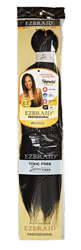
Hyun Han, CEO of I&I Hair Corporation, which produces EZbraid, was detailed in their response. “We do not intentionally add lead, arsenic, cadmium, or other heavy metals in production,” it wrote in part. “Our raw materials are sourced from established petrochemical suppliers and manufactured under controlled extrusion conditions. Historically, given that heavy metals are not intended ingredients for PP/PET-based [food-grade plastics] yarn systems, not every lot has been subjected to the same broad heavy-metal panel. However, due to heightened public attention and the importance of independent verification, we are actively reviewing expanded third-party testing in the United States as part of strengthening our QC program.”
It also wrote, “We respectfully request that any future discussion clearly distinguish between trace background-level findings and materially elevated concentrations. The mere fact of analytical detection should not be interpreted as indicating equivalent risk profiles across products with substantially different quantitative magnitudes.”
Amour was brief, stating, “We require our vendors to use the safest materials possible when manufacturing our items.” It finished, “Please rest assured that our products are and will continue to be safe and hygienic, in addition to being fashionable and of high quality.”
Similarly, a representative from Chade Fashions (producer of Alitress hair) kept it short: “We are happy it is confirmed that the Alitress item is overall safe and hygienic, as it shows our manufacturing vendors can be trusted,” they wrote via email. “It has caught our attention that there were low/trace amounts of certain metals found in this item. Thank you for alerting us. We will work with our vendors to eliminate this and will continue our efforts to make our products safe for all our consumers.”
Dosso Beauty founder and CEO Kadidja Dosso’s response to any testing procedures said, in part: “Yes, we’ve conducted 2 clinical trials on our braiding hair. The first clinical trial tested our non-toxicity and the other tested our hair to be hypoallergenic. Our test results are listed on our website (www.dossobeauty.com) for all consumers to have access to. It was critical to ensure that our braiding hair contained no detectable heavy metals. It was equally important to ensure our hair was hypoallergenic for consumers who suffer from skin sensitivities, including myself. We are preparing for a second test for our non-toxicity of our braiding hair through Princeton Consumer Reviews which is where we conducted our initial hypoallergenic test. This will be to ensure that the quality of our hair and its components have not changed over the past 2 years and to hold our manufacturers accountable to our high safety standards.”
Dosso continued: “We require all of our manufacturers to provide a comprehensive safety data sheet and to test hair products for heavy metals, VOCs and other carcinogens to ensure their safety. We receive those test results, and they are also listed publicly on our website.”
When asked about their participation in the Beauty Justice Act, Dosso said: “Being involved in the Beauty Justice Act was a no-brainer for me. Our brand exists because I myself had an allergic reaction to braiding hair that claimed to be pre-cleansed but was not safe. Prior to my involvement with the Beauty Justice Act we’ve already planned to conduct bi-annual clinical trials to stay up to date. Most consumers have no idea how expensive and demanding clinical trials are. Regardless of the sacrifices required to afford our bi-annual clinical trials amidst other expenses, it’s imperative that we know we are selling safe products to our consumers.”
In response to questions about the hair products’ VOC levels, Dosso responded: “I am grateful that Consumer Reports shared its results with us; this has motivated us to speed up our plan for our bi-annual clinical trials. We will conduct our second non-toxic clinical trial and ensure that all forms of Benzene is on that list of compounds to verify that our braiding hair is free of it and any other VOCs that may have appeared on Consumer Reports’ first test. I’m equally grateful that Consumer Reports’ test showed that our product did not reach a high level of concern and does not include heavy metals similar to our initial test.”
Rebundle founder and CEO Ciara Imani May’s response stated: “We’re glad this level of scrutiny has reached the hair extensions industry, an area that has long lacked rigorous, independent testing.
She also said: “Consumer Reports used a conservative oral exposure model based on assumed hand-to-mouth transfer. This differs from the dermal exposure models typically used in cosmetic safety assessments, which evaluate skin contact rather than ingestion. Even under CR’s conservative ingestion-based assumptions, Rebundle did not exceed their Level of Concern thresholds.
“Beyond this testing, Rebundle conducts microbiological safety testing, which our products have passed, and we have completed clinical testing on sensitive and eczema-prone skin to evaluate irritation and tolerability. Skin compatibility and microbiome safety remain central to our product development standards.
“Comprehensive chemical testing across all ingredients and finished goods can be complex and resource-intensive, particularly in a category that has historically lacked standardized oversight. Independent investigations like Consumer Reports help establish benchmarks and raise expectations across the industry, especially for smaller brands working to build safer alternatives.
“We remain committed to transparency, continuous improvement, and raising the standard for plant-based hair extensions.”
What You Can Do to Limit Exposure
Experts say there are easy steps that consumers can take while a fight for safer products is underway.
Look for products with fewer contaminants. Hairstylists and braiders can opt to work with only brands that contain comparatively lower overall levels of contaminants or fewer contaminants detected, according to Rogers.
Skip dipping braiding hair in boiling water or burning the ends. This will help avoid the inhalation of VOCs by the hairstylist and the client. Salon owner Niani B. says that most stylists don’t burn the ends anymore because it’s outdated and that dipping braids in boiling water is to reduce frizz—a step she says she skips when installing her own braids. If skipping it is not possible, make sure the room is well ventilated and/or use an air purifier. “Ventilation is important for exposure reduction,” says Franklin.
Wear protective gear. Because no amount of exposure is ideal, until a braiding hair product is found to be 100 percent contaminant-free, wear protective gear like gloves if you must handle it. That way, you limit skin contact, plus you’re more likely to remove your gloves before eating, thus possibly limiting hand-to-mouth transfer. And don’t hold braiding hair in your mouth as a means of keeping it handy while you braid.
Limit how long you wear braids and extend time between installs. Wearers of braiding hair should limit the length of wear and take breaks between braiding hair styles—no more going from take-down to installation in a 24-hour period.
Braid wearers and braiders should report adverse health effects. If a consumer experiences irritation or other adverse effects while using braiding hair, they should report these issues to a healthcare provider. Reports should also be submitted to the FDA through MedWatch and to the Consumer Product Safety Commission through SaferProducts.gov to help improve surveillance and consumer protection.

I hate that saying ‘beauty is pain.’ It shouldn’t be. It’s kind of instilled in us from a young age, and so we believe that we have to go through pain to get to the other side of feeling and looking great.
Owner of Beauté Anthologie the Natural Hair Salon
“I’m hoping that we don’t see the braid industry stop serving the community because of [these tests], but it opens the door for more opportunities, for better options when it comes to products, not just for the clients, but also the stylists who have to touch these things all day,” Niani B. says.