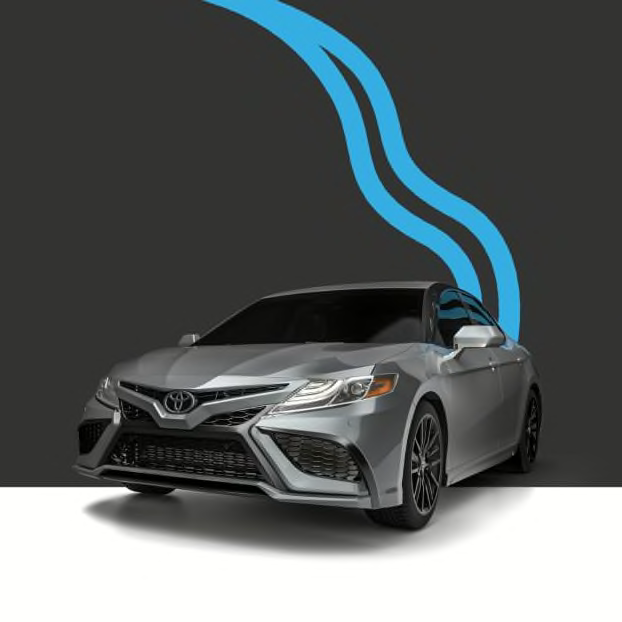
Coupes are two-door models, typically with sporty performance to match the looks. A hatchback has a liftgate akin to an SUV, rather than a trunk. Not all hatchbacks have a squared-off design. These make it easier to load large items. Sedans have four doors and a traditional three-box design (engine,...
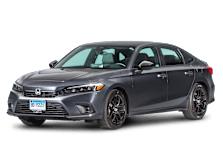
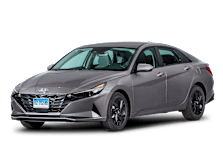
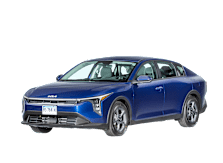
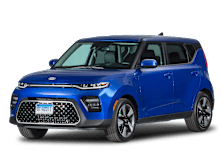
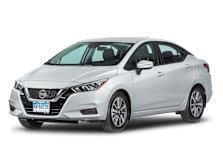
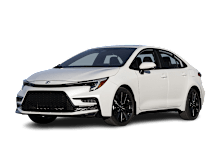
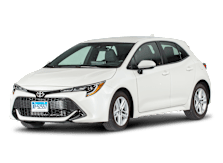
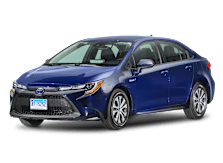
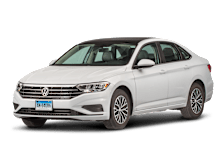
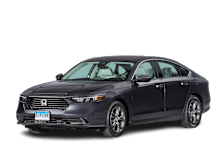
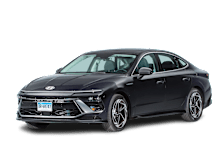
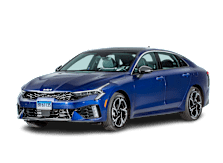
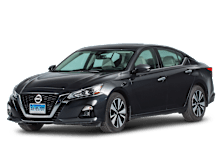
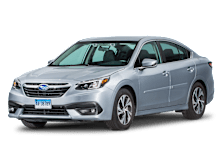
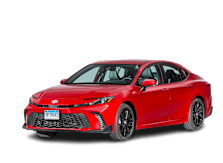
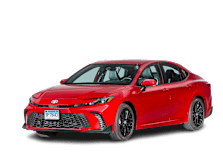
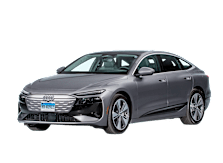
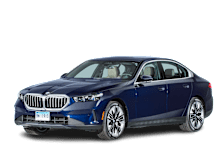
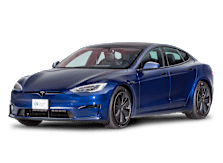
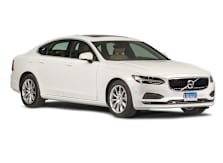
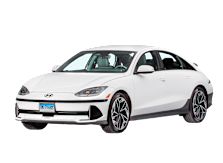
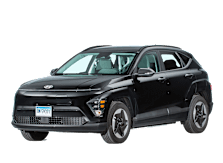
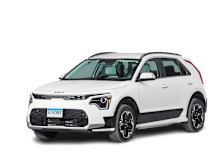
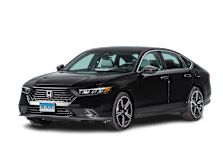
Coupes are two-door models, typically with sporty performance to match the looks. A hatchback has a liftgate akin to an SUV, rather than a trunk. Not all hatchbacks have a squared-off design. These make it easier to load large items. Sedans have four doors and a traditional three-box design (engine, passenger compartment, and trunk).
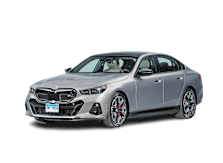
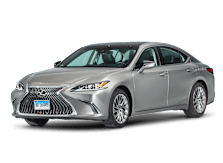
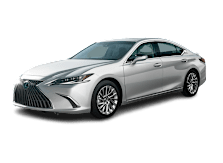
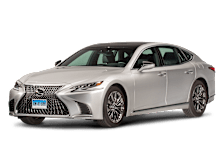
True luxury cars hail from premium brands, such as BMW, Lexus, and Mercedes-Benz. The prestige comes at a price, paid upfront and often later in maintenance and fuel costs, as gas models typically require premium. The reward tends to be the latest convenience and safety technology, and a quiet, comf...
True luxury cars hail from premium brands, such as BMW, Lexus, and Mercedes-Benz. The prestige comes at a price, paid upfront and often later in maintenance and fuel costs, as gas models typically require premium. The reward tends to be the latest convenience and safety technology, and a quiet, comfortable cabin. Many mainstream models can be richly appointed in top trims, providing more luxury for the money.
All-wheel drive systems power each tire for added grip in low-traction situations. Many can even vary the torque sent to each wheel for better performance. AWD does not help when braking. Most drivers do not need AWD, but it can bring peace of mind, especially in snowy and mountainous regions. A goo...
All-wheel drive systems power each tire for added grip in low-traction situations. Many can even vary the torque sent to each wheel for better performance. AWD does not help when braking. Most drivers do not need AWD, but it can bring peace of mind, especially in snowy and mountainous regions. A good set of all-season or winter/snow tires is often all most drivers need.
The industry is moving away from conventional V6 and V8 engines toward turbocharged four- and six-cylinder engines in the pursuit of fuel efficiency. Expect a smaller engine in your next car that produces similar power, though sometimes with a bit more noise. Being flexible on engine choice can pay...
The industry is moving away from conventional V6 and V8 engines toward turbocharged four- and six-cylinder engines in the pursuit of fuel efficiency. Expect a smaller engine in your next car that produces similar power, though sometimes with a bit more noise. Being flexible on engine choice can pay real dividends in fuel savings.
Most hybrids provide excellent fuel economy. The exceptions are mild hybrids and hybrid trucks designed to optimize power. Hybrid models also tend to be quite reliable. Plug-ins provide electric-only power for 20-50 miles; they are well suited to drivers whose daily driving is within that range, but...
Most hybrids provide excellent fuel economy. The exceptions are mild hybrids and hybrid trucks designed to optimize power. Hybrid models also tend to be quite reliable. Plug-ins provide electric-only power for 20-50 miles; they are well suited to drivers whose daily driving is within that range, but they may not be worth the added cost if owners don’t keep them charged.
Premium gas is much more expensive than regular. It is commonly required on luxury vehicles and sports cars. But if it is only “recommended,” as indicated on the fuel filler door, then it is optional. But choosing to not use it may impact peak horsepower.
Premium gas is much more expensive than regular. It is commonly required on luxury vehicles and sports cars. But if it is only “recommended,” as indicated on the fuel filler door, then it is optional. But choosing to not use it may impact peak horsepower.
Generally, interior space scales along with the size of the exterior, but not always. It is important to ensure the driver can easily enter the car, and that there is adequate leg, elbow, and headroom. With that established, check the back seat: Is there adequate space, headroom, and comfort for you...
Generally, interior space scales along with the size of the exterior, but not always. It is important to ensure the driver can easily enter the car, and that there is adequate leg, elbow, and headroom. With that established, check the back seat: Is there adequate space, headroom, and comfort for your passengers, with the driver’s seat in its typical position? The middle seat in most sedans is suitable for only short trips.
Cargo space, and how useful it is, varies among cars, even of the same size. For traditional sedans, look at the dimensions of the trunk, the size of the opening, and if the hinges will intrude on space when the lid is closed. With hatchbacks, pay attention to the angle at the rear. A sloped liftgat...
Cargo space, and how useful it is, varies among cars, even of the same size. For traditional sedans, look at the dimensions of the trunk, the size of the opening, and if the hinges will intrude on space when the lid is closed. With hatchbacks, pay attention to the angle at the rear. A sloped liftgate will limit the size of boxy items that will fit. And with all cars, check to see how flat the rear seat folds.
Simple answer: Any car that is CR Recommend is both good and safe. CRs’ safety ratings include assessments of crash-avoidance capabilities and crash-test results, based on tests performed by the federal government and insurance industry.
Simple answer: Any car that is CR Recommend is both good and safe. CRs’ safety ratings include assessments of crash-avoidance capabilities and crash-test results, based on tests performed by the federal government and insurance industry.
You will get digital access to reviews and ratings for over 8,500 products and services
to help you make better choices for life’s big moments and the everyday ones in between.
If you feel you have received this message in error, please view our customer care
FAQs or access your
account information here.