October 2008
send to a friend printable version
After the storm: Cleaning up mold
Mold growing on the ceiling and walls of a house after 2005's Hurricane Katrina.
Photo from National Centers for Disease Control & Prevention
Hurricanes and rainstorms often leave mold and mildew contamination in their wake, even in communities that aren't directly hit by hurricane-force, wind-driven rain and storm surges. Mold can grow out of control wherever buildings retain too much moisture for too long without drying out, even in arid climates.

Small, isolated patches of mold growing on and around your shower curtain or bathtub usually aren't a concern. But mold that covers a large area can aggravate asthma and other respiratory conditions. Excessive mold can also damage your home by weakening floors, walls, and ceilings as it feasts on decaying wood and wallboard, ceiling tiles, caulk, cellulose insulation, and other organic materials. That means finding and eliminating the moisture that feeds the mold to prevent it from coming back.

Homes that are severely contaminated or that are cross-contaminated by hazardous chemicals and bacteria from untreated sewage need to be stripped down to the framing, disinfected, and rebuilt. This may not be cost-effective. Some homes may be in such poor condition that they can never be made habitable and must be torn down.

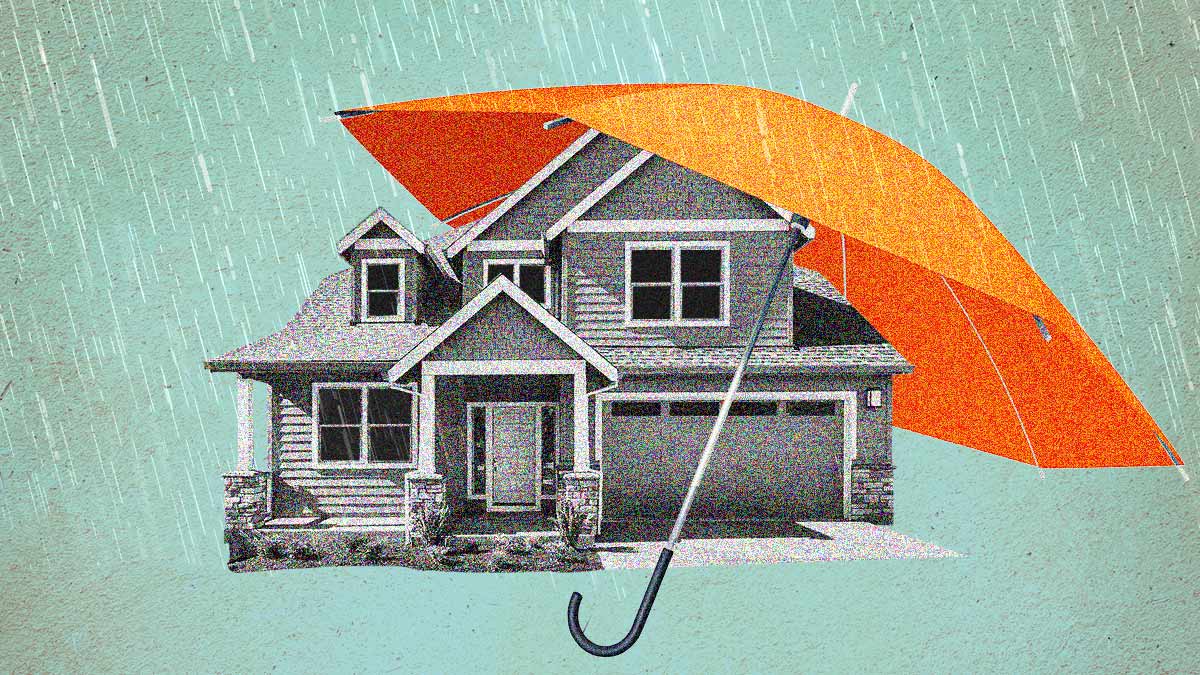
Insurers haven't made the financial burden any easier. Some companies sharply reduced or eliminated coverage for mold remediation in some states because of huge jury verdicts and millions of claims. While flood-related cleanup is included in most flood insurance, as well as in some standard policies if caused by a burst pipe or storm-damaged roof, coverage limits vary widely. Some states require a separate endorsement on your homeowner's policy.

Even if your home is covered for mold damage, you need to know how to spot mold contamination and the basics of cleanup to help you get the most-effective remediation possible. For extensive jobs, you also need to know how to find a qualified professional.

Suppose you aren't covered for mold damage. You may be able to handle or at least manage some of the cleanup yourself. In addition to the information given here, helpful sources of information include the U.S. Environmental Protection Agency mold fact sheet and the National Centers for Disease Control and Prevention mold prevention and remediation materials.