Sign In

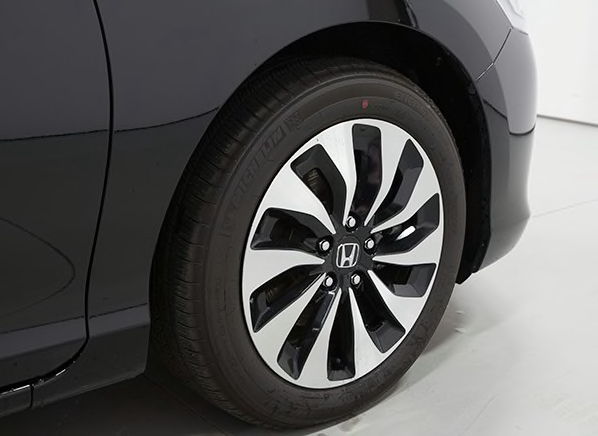
Car tire-pressure monitoring systems have been mandatory since September 2007, addressing the safety hazard, and wear concern, for underinflated tires. The goals were admirable, but the execution could frustrate owners with costly sensors and increased tire maintenance complications. But that is beginning to change.
When it was introduced, the best available technology was direct tire pressure monitor systems with an air pressure sensor in each wheel to detect pressure loss. Also available were indirect tire pressure monitoring systems, which, measured a tire's rolling radius, not pressure, using the car's existing antilock brake hardware. The idea here is that an underinflated tire rotates faster than a properly inflated tire. While indirect systems are far cheaper and less complex than direct systems, they weren't able to detect the loss of pressure in all four tires as stipulated by the federal regulation that can occur gradually over time.
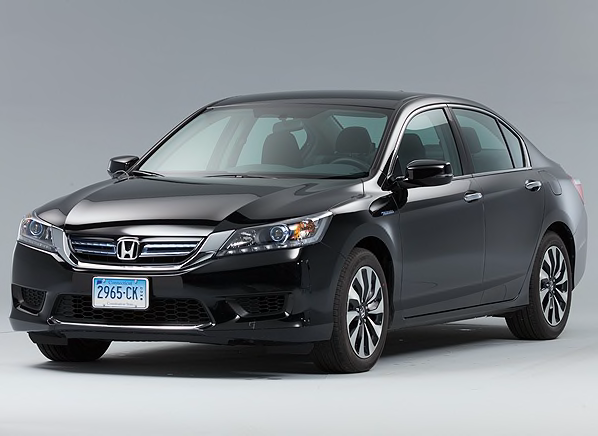
But now Sumitomo Rubber Group offers an indirect tire pressure monitor system that can detect pressure loss in one to four tires. It works by comparing the difference in the loaded radius of any one or more tires to settings collected in a calibration process when the tires were set to the normal pressure. The 2014 Honda Accord and Civic use the system, along with the Mazda6. Expect more vehicles to adopt the system or systems similar to it in the future.
We like the direct pressure systems used by many car manufacturers that display the actual tire pressure in the dash. On the downside, sensors can go bad or be broken when removing or installing a tire on the wheel, and they are costly to replace—about $30 or more each.
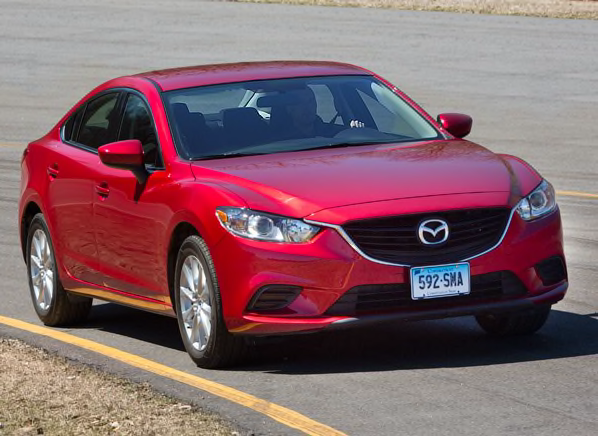
But with no sensors to worry about, indirect systems are very appealing. Beyond cost savings, they make it a breeze to use aftermarket wheels and dedicated winter tires without incurring the added expense of duplicate sensors.
The simplicity of this indirect system is definitely attractive and likely to grow in popularity. For our wish list, we are holding out for the best of both worlds: a direct readout of pressure without the cumbersome and expensive wheel sensors.
—Gene Petersen


 Build & Buy Car Buying Service
Save thousands off MSRP with upfront dealer pricing information and a transparent car buying experience.
 Get Ratings on the go and compare
while you shop


