How to prevent heart disease

Last reviewed: February 2011

What's really proven to prevent heart attacks? Listed below is our advice on the screening tests you need, as well as the most important steps you can take to protect your heart. The evidence is strongest for the first six: controlling blood pressure, cholesterol, and blood sugar levels, losing excess weight, stopping smoking, and taking low-dose aspirin if appropriate. Research suggests that more than 75 percent of U.S. adults could benefit from at least one of those steps.

Heart

Consider these screening tests

Not all screening tests are created equal. We identify the ones you are most likely to need—and those you can probably skip.


Lower your blood pressure

High blood pressure is the leading cause of heart attacks and strokes in the U.S., but about half of people with the condition get it under control. Here's what works.


Improve your cholesterol

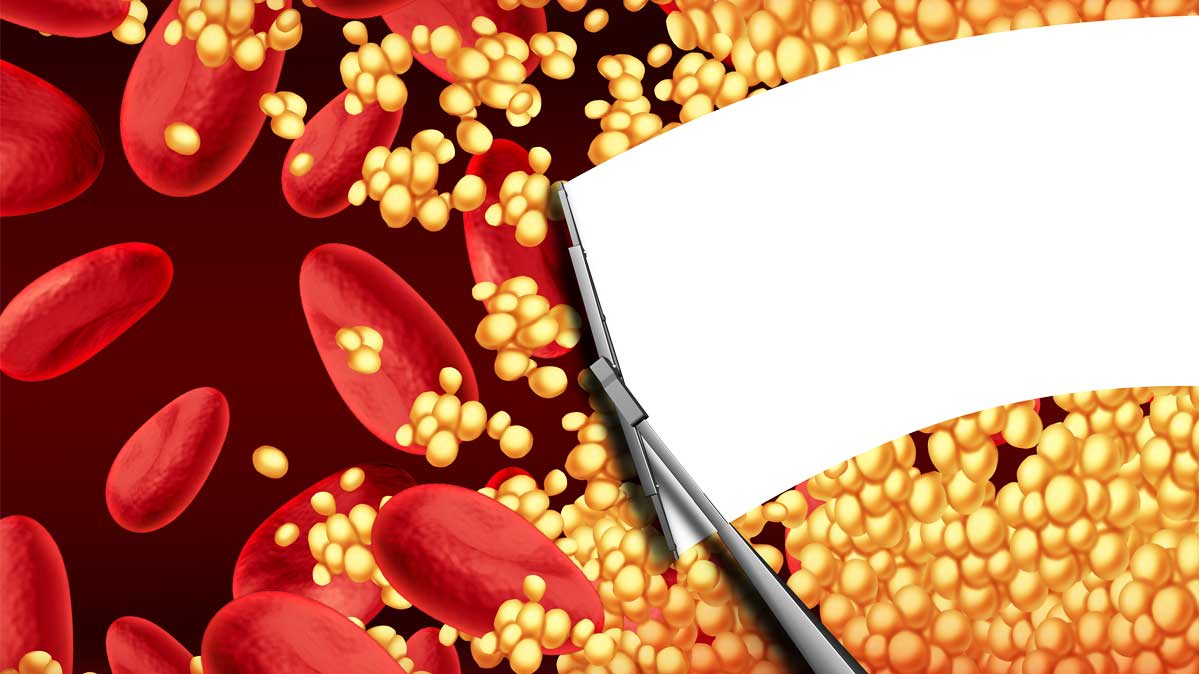
Many people with elevated cholesterol levels can reach the recommended levels with lifestyle changes and, if necessary, medications.


Control your blood sugar

It's important to control blood sugar even if you don't have diabetes, since even high-normal levels appear to increase the risk of heart attack.


Control your weight

America's obesity epidemic has slowed our progress against heart disease. But losing weight, and keeping it off, isn't as hard as you might think.


Quit smoking

Smokers are two to four times more likely to develop heart disease, and even secondhand smoke can damage blood vessels. But the risk drops dramatically soon after you stop.


Consider low-dose aspirin

Aspirin can prevent heart attacks and strokes. But it's not for everyone, since it can also cause gastrointestinal bleeding. Here's how to know if it's right for you.


Eat a heart-healthy diet

Consuming the right foods can help the heart by improving blood pressure and cholesterol levels, limiting inflammation of the arteries, warding off diabetes, and helping you lose weight.


Stay active

Physical activity is so vital because it strengthens the heart muscle as the same time that it help keep weight, cholesterol, and blood pressure at healthy levels.


Control sleep apnea

Snoring can indicate sleep apnea, which can trigger high blood pressure and type 2 diabetes. As many as one in four men and one in 10 women have it, but most people with the condition have not been diagnosed.


Manage stress

Curbing negative emotions may offer some of the same benefits as a heart-healthy diet and regular exercise, by blocking the release of certain hormones that can harm the heart.


Reduce chronic inflammation

Inflammation appears to contribute to heart disease by damaging the arteries and speeding the growth of artery-clogging deposits. So anything that fights chronic inflammation may help ward off heart disease.


FREE Email newsletters
Sign up now or click here to manage your email newsletters.