Here we look at low back pain, which is the type most people get. We call it "back pain" for short.
- Back pain is common but most people get better within six weeks.
- Your doctor probably won't be able to tell you exactly what is causing your pain. In most people, the cause is never found.
- Nonsteroidal anti-inflammatory drugs (NSAIDs), such as ibuprofen, can help relieve back pain.
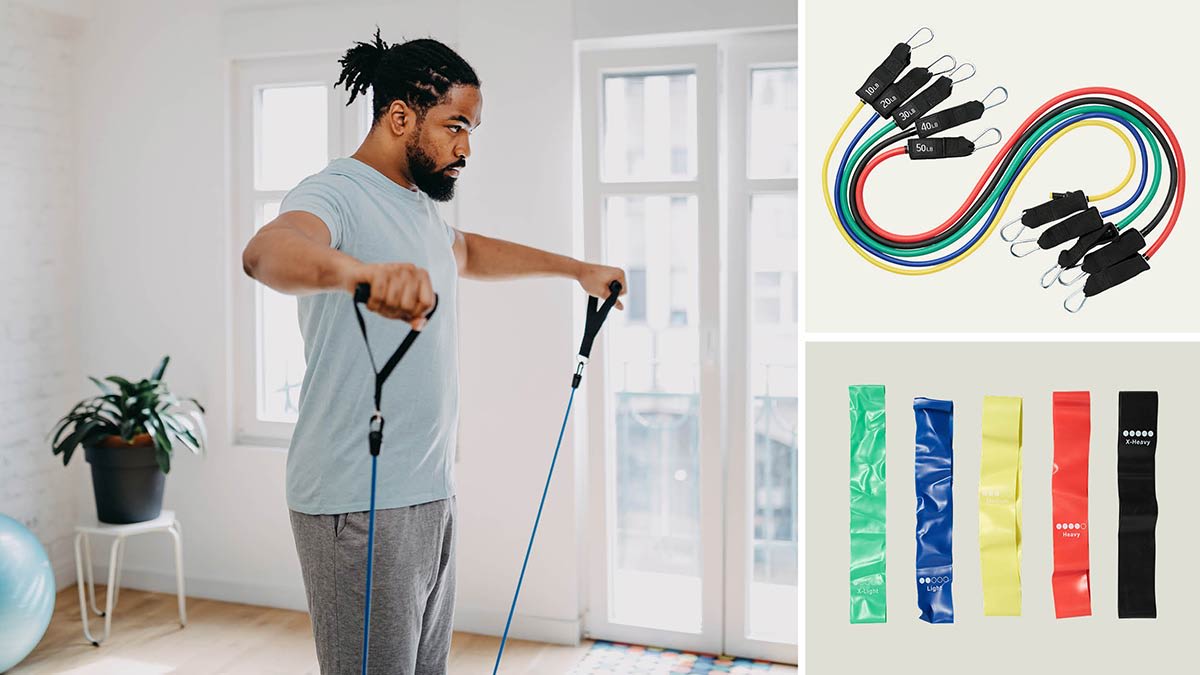
- If your back pain lasts for more than 12 weeks (if it's long-term), exercises to strengthen your back can help.
- Staying in bed usually does more harm than good.
- Staying active can help you get better faster.
- Your spine holds up the weight of your upper body.
- Your spine is like a tower built from 33 small, interlocking bones. These bones are called vertebrae (each individual one is called a vertebra).
- Between each vertebra is a disk. These are round pads of soft, spongy tissue. Each disk has a tough outer ring and a soft, jelly-like center. The disks cushion the bones in your spine and stop them being damaged when you jump or run.
- Each vertebra is linked to the next one by small joints that lock together. They are called facet joints. These joints make your spine flexible so you can bend and twist it.
- A bundle of nerves runs down from your brain into the middle of your spine and goes down to the bottom of it. This is your spinal cord.
- Each vertebra has a hole in the middle. The holes make a tunnel all the way down your back. This is where your spinal cord is.
- Nerves from your spinal cord pass through small openings between the bones in your spine. These type of nerves are called nerve roots. They branch off to different parts of your body.
- Nerves coming out of the base of your spine join up with your sciatic nerves. These are the main nerves in your legs. You have one sciatic nerve running down each of your legs.
- Ligaments are tough, shiny bands of tissue that hold your vertebrae together and guide your spine's movement. Their job is to keep your spine from making any movements that might damage it. Because ligaments aren't very flexible, they can easily be overstretched.
- Muscles around your spine work together to help your back move. As one muscle group tightens (contracts), another group relaxes. So, if you bend forward, the muscles in the front of your chest tighten while the muscles in the upper part of your back relax.
- Tendons are tough cords that join your muscles to the bones in your back.

It's not usually possible to know what's causing this type of back pain. It could be a strained muscle in your back. (A strained muscle has been overstretched or torn.) But you'll probably get better without knowing why it happened.
You may have a pain that's just around your legs or a pain in your back as well. The pain could be in your groin, buttock or upper thigh. Sometimes, it can be below your knee. The pain can be dull and achy and it can move around. It tends to come and go and can vary between being mild to being very bad. You may also get some numbness and tingling.
When you get a pain like this down your leg it is called nerve root pain. You get this type of pain when a nerve coming out of the bones in your spine gets trapped or damaged (this type of nerve is sometimes called a nerve root). This type of pain is also called sciatica. This is because it affects the sciatic nerves. (The sciatic nerves are the main nerves that run down your legs. You have one in each leg.)

Your doctor may say your back pain is either acute or chronic. These terms can mean different things to different doctors. But, generally:
- Acute back pain is one that lasts for 12 weeks or less. It is also called short-term back pain.1
- Chronic back pain is when you have it for more than 12 weeks. It is also called long-term back pain.1
Your doctor probably won't be able to say exactly what is causing your back pain. Out of 100 people with back pain, more than 85 will never know the cause.2
We describe some common causes of back pain below. But please remember that only about 15 in 100 people with back pain will ever find out the exact cause.
Your posture is how you hold different parts of your body when you're resting or doing things. Poor posture might cause back pain in some people.3 But there hasn't been much research on this, so we can't be sure that poor posture causes back pain.
You may get poor posture out of habit, such as always slumping when you sit in a chair or always standing with your shoulders and back hunched. Poor posture can put pressure on different parts of your back. For example, some muscles may become weaker than others and this means they are more likely to get damaged. If muscles become weak, it can also affect the position of your spine and this can lead to back pain.
Your back muscles are very important as they help to support your spine and keep it in line. If they are not in tone or one side is weaker than the other then your spine may not be quite in line. Over time, the muscles on one side of your back may be weaker than the ones on the other. This can cause back pain. We know that programs for people with long-term back pain, which include back exercises, can help to relieve back pain.4 5 This is because they improve the strength and position of the back muscles.
As you get older, the disks in your spine can dry out. If this happens, they can't cushion and protect the bones in your spine (vertebrae) in the way they should. The edges of the vertebrae can then wear away, which can cause back pain. The vertebrae may grow small bony bumps called "spurs". These spurs can cause pain by pressing on nerves. The pain can travel down your leg, past your knee and into your foot. The general wear and tear of the vertebrae can also cause back pain.
About 8 in 10 men and 6 in 10 women have some wear and tear of the spine by the time they are 49.6 By the age of 79, all of us will have some.6 Your doctor might call this natural wear and tear of the bones osteoarthritis.
To learn more, see our articles on Osteoarthritis.
Your back pain may be caused by a strained (stretched or torn) ligament or muscle.6 This can happen when you lift something heavy, move awkwardly or you use a group of muscles that you're not used to using. For example, if you go skiing and carry heavy skis on your shoulder every day for a week you might get back pain because you're not used to using certain muscles in your back. The ligaments that join the bones in your back together are not very elastic, so they can be strained easily.

For more, see our artucles on Osteoporosis.
You can get back pain when a disk in your back is damaged. If a disk tears, then its jelly-like center bulges through the tear and may press on the nerves coming out of your spinal cord. Tissues around the damaged disk may become inflamed and sore. Doctors call this a herniated disk, or you may hear it called a prolapsed or ruptured disk. We have used the term slipped disk because that's the name most people know.
Poor posture or strenuous activity, such as heavy lifting, can damage disks. Sitting down for long periods of time puts more pressure on the disks and vertebrae in the lower part of your back than standing does. This is because your lower back has to support the whole weight of your upper body when you are sitting, with no help from your legs.
Keep in mind that a slipped disk is not a common cause of back pain. Only about 4 in100 people with back pain caused by a physical problem have a slipped disk.3 But a slipped disk is the most common cause of the type of pain that goes down your leg (and sometimes below your knee and into your foot). This type of pain is called nerve root pain or sciatica. It may be caused by the disk bulging and pressing on the nerves that join up with the sciatic nerves. (The sciatic nerves are the main nerves in your legs. You have one in each leg.)
You can get a serious complication from a slipped disk. It is called cauda equine syndrome. It happens when bits from a damaged disk press on the bundles of nerves at the base of your spine. You may not be able to walk and you may not be able to control when you go to the toilet. You may also feel numb in your rectum. This is an emergency and you should see your doctor right away if you get any of those symptoms. You may need emergency surgery to stop the pressure on the nerves.
We look at slipped disk and treatments for it separately. See our articles on Slipped disk to find out more.
Above are the most common causes of back pain. But back pain can sometimes be a symptom of another problem. Some people can get back pain because the spinal canal has narrowed. This is called spinal stenosis and it's common among people older than 60. If you have spinal stenosis, you may need more intensive treatment such as surgery.7
Another condition that causes back pain is called ankylosing spondylitis. This condition makes the joints in your spine become inflamed, which can cause damage. It often affects young adults.3 But it is rare. About 3 in 1000 people with back pain have this condition.2
There are some other rare conditions that are also linked with back pain. When one vertebra slips forward over another it can get out of line and press on nerves, which causes pain. This condition is called spondylolostheses. Fractures, cancer and infections in the spine can also cause back pain. But these are all very rare. To learn more, see Causes of back pain.
Back pain can also be caused by serious conditions such as cancer, as well as certain infections, but this is rare. When examining someone with back pain, doctors usually check to see if it could be caused by any other disease. If you're worried or not sure that your doctor has checked for these other causes, then ask.
Doctors don't know why some people are more likely to get back pain than others. Things that increase your chances of getting back pain are called risk factors.
Here are the main risk factors for back pain:6
- Getting older.
- Doing heavy physical work, especially if it involves heavy lifting, twisting and working with vibrating machinery. This can put a lot of strain on your back.
- Staying in one position for a long time. For example, if you have a job that involves a lot of driving, you could be at risk.
- Being obese (being far fatter than is healthy for you). Carrying extra weight around can strain your back. If you want to find out whether you are overweight, you can work out your body mass index (BMI) using our calculator. Your body mass index compares your height with your weight.
- Suffering from stress at work or from mental health problems such as anxiety or depression.
- Wilk V. Acute low back pain: assessment and management. Australian Family Physician. 2004; 33: 403-407. 15253600
- Deyo RA, Rainville J, Kent DL. What can the history and physical examination tell us about low back pain? Journal of the American Medical Association. 1992; 268: 760-765.
- Deyo RA, Weinstein JN. Low back pain. New England Journal of Medicine. 2001; 344: 363-370.
- Karjalainen K, Malmivaara A, et al. Multidisciplinary biopsychosocial rehabilitation for subacute low back pain among working age adults (Cochrane review). In: The Cochrane Library, Issue 4, 2004. Wiley, Chichester, UK.
- van Tulder MW, Malmivaara A, Esmail R, et al. Exercise therapy for non-specific low back pain (Cochrane review). In: The Cochrane Library, Issue 3, 2004. Wiley, Chichester, UK.
- Devereaux MW. Low back pain Primary Care. 2004; 31: 33-51. 15110157
- Jenner JR, Barry M. ABC of rheumatology: low back pain. BMJ. 1995; 310: 929-932. 7719190