Osteoporosis is very common in later life. The older you are, the more likely you are to get it. This is because your bones get thinner as you age. And women are more likely to get it than men. This is because the changes in your hormones at menopause speed up the thinning.
There isn't any cure for osteoporosis. But there are good treatments that can slow down the disease and help stop you from getting broken bones.
- Osteoporosis is the most common cause of broken bones in women who have been through menopause.
- This condition takes years to develop. You don't get any symptoms until you break a bone.
- Osteoporosis is serious. Broken bones hurt and can make it hard for you to live on your own.
- There isn't any cure for osteoporosis. But you can get treatments to slow down the disease and lower your chances of breaking a bone.
- You can also do some things on your own to avoid getting broken bones.
Your bones have two main parts.1
- The inside part looks like a honeycomb. This is sometimes called spongy bone. Doctors call it trabecular bone. It is filled with blood vessels and bone marrow, where your blood cells are made.
- The outside part is hard. It's made of calcium and other substances. This is sometimes called compact bone. Doctors call it cortical bone. This hard outside protects the spongy inside.
Certain cells cause the new bone to grow. They are called osteoblasts. Other cells break down the old bone. They are called osteoclasts.
When you are a child and teenager, new bone grows faster than old bone is broken down. So your bones get larger, heavier and more dense. More dense means stronger. This happens until you are about 30 years old. That's when your bones are the strongest they will ever be.
After the age of 30, old bone is broken down faster than new bone is made. This happens slowly at first. But it speeds up when you are in your 50s and 60s because of changes in your hormones.1
If you have built up very strong bones by the age of 30, you are much less likely to get osteoporosis in later life.2 How strong your bones are when you are young depends partly on the genes you get from your parents. But you can try to build strong bones by eating healthy foods and getting exercise too. To find out more, see Preventing osteoporosis.
Doctors use a measurement called bone mineral density to say how strong your bones are. It's called BMD for short. It tells how much calcium and other minerals you have in your bone. The more that's packed into your bone, the denser your bones are. Denser bones are stronger bones.
As you age, old bone is broken down faster than new bone is made. This is normal. It happens to everyone starting at about the age of 35. And it speeds up as you get older. But in some people, it happens even faster than normal. This makes their bones thinner and more likely to break. That means they have osteoporosis.

This is because the spongy part is broken down faster than the hard part.
So as you get older, the holes in the spongy bone get bigger and the bone between the holes gets thinner. This means your bones get weaker.
As your bones get weaker, they can't handle stress as well. So they may break after you have an accident that seems small, like a little bump or fall.
All the bones in your body are weaker if you have osteoporosis. But the ones most likely to break are in the ones in your spine, hip and wrist. Not everyone who has osteoporosis gets a broken bone though.3
Doctors use a score to talk about your BMD. This score tells if you have osteoporosis. The score measures how dense your bones are compared with the bones in an average young, healthy adult. Remember that most people's bones get thinner eventually.4
- A score of 1 to -1 means your bones are normal.
- A score of -1 to -2.5 means your bones are a bit weak. This is called osteopenia.
- A score below -2.5 means you have osteoporosis.
- A score below -2.5 when you have already had a broken bone because of osteoporosis means you have severe osteoporosis.
Having a risk factor does not mean you will get osteoporosis for sure. It just means you are more likely to get it than someone who does not have that factor.
Some risk factors you can't change, but others you can.1 5
Here are some of the risk factors you can't do anything about.
- Age. Your bones get weaker as you get older. Osteoporosis is more common after the age of 60.
- Sex. Women are more likely to get osteoporosis than men. This is partly because their bones are smaller and weaker to start with. But it's also because menopause affects your bone. For more, see Menopause and osteoporosis.
- Race. White and Asian people are more likely to get osteoporosis than people of African or Hispanic origin, who have stronger bones.
- Your family. Osteoporosis may be partly due to your genes. If your mother had osteoporosis, you are more likely to get it too.
- Illnesses. Some illnesses can make you more likely to get osteoporosis. See Illnesses and drugs that can cause osteoporosis.
- Drugs. Some drugs can increase your chances of osteoporosis too. See Illnesses and drugs that can cause osteoporosis.
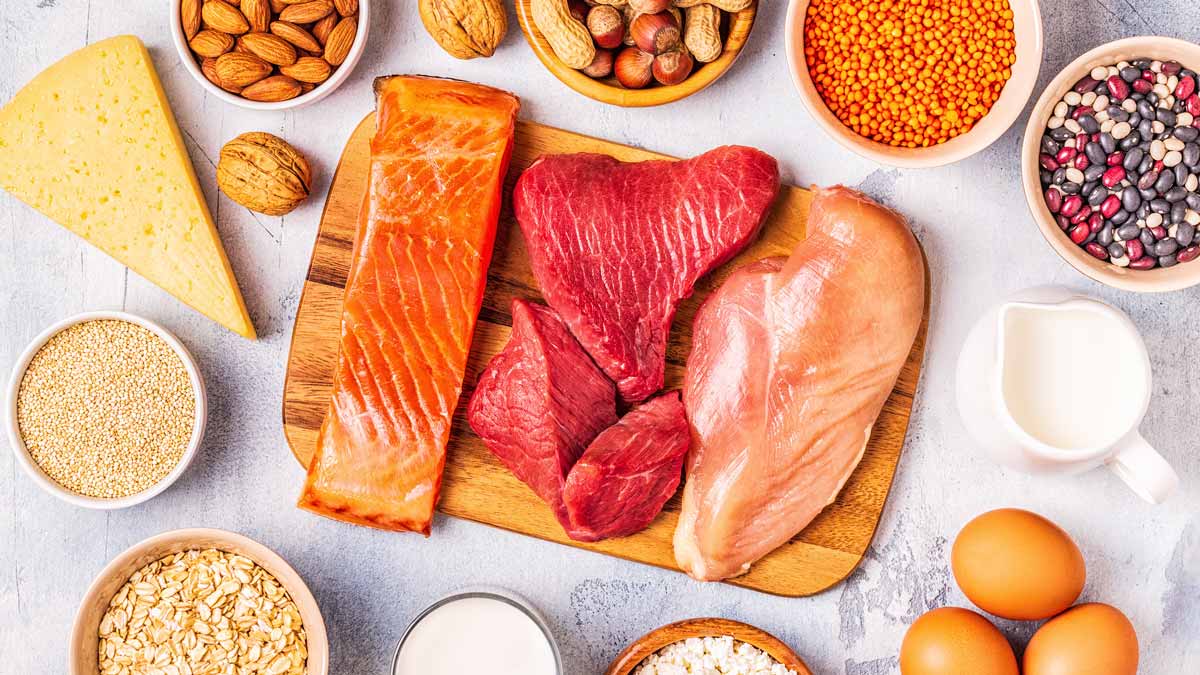
- What you eat. If you don't eat enough calcium and vitamin D over your lifetime, you may not get enough calcium to build strong bones.
- Exercise. Exercise helps keep your bones strong. If you don't get enough exercise, you may be more likely to get osteoporosis. But if you get too much (so much that you stop having periods if you are a woman), you may be more likely to get osteoporosis too.
- Smoking. Smoking cigarettes is bad for your bones.
- Eating disorders. Disorders like anorexia or bulimia can increase your chances of getting osteoporosis a lot. With these, you are not eating enough calcium and vitamin D. Also, if you are a woman, your body is probably not making enough of the hormone called estrogen. Both of these increase your risk of osteoporosis.
Getting older is the main cause of osteoporosis. But sometimes young children get it too.1 2 For more, see Osteoporosis in children.
- National Institute of Arthritis and Musculoskeletal and Skin Diseases. Health topics: osteoporosis overview. December 2007. Available at http://www.niams.nih.gov/bone/hi/overview.htm (accessed on 11 August 2008).
- NIH Osteoporosis and Related Bone Diseases National resource Center. Juvenile bone health. March 2005. Available at http://www.niams.nih.gov (accessed on 11 August 2008).
- Siris ES, Chen YT, Abbot TA, et al. Bone mineral density thresholds for pharmacological intervention to prevent fractures. Archives of Internal Medicine. 2004; 164: 1108-1112. 15159268
- World Health Organization. Assessment of fracture risk and its application to screening for postmenopausal osteoporosis. World Health Organisation, Geneva. Technical Report Series. 1994; 843: 1-129. 7941614
- Scottish Intercollegiate Guidelines Network. Management of osteoporosis: a national clinical guideline. Scottish Intercollegiate Guidelines Network clinical guideline 71. August 2007. Available at http://www.sign.ac.uk (accessed on 11 August 2008).
![]() |
This information is for educational use only, and is not a substitute for prompt professional medical advice. Readers should always consult a physician or other professional for advice and treatment. ©BMJ Publishing Group Limited 2008. All rights reserved. |