Find the Safest New Car Using Consumer Reports' Safety Verdict
The new Consumer Reports safety verdict is an easy way to know which vehicles will protect you best. Plus, safety standouts from Honda, Ford, BMW, and more.


“Safety isn’t just about crash testing,” says Emily A. Thomas, PhD, associate director of auto safety at Consumer Reports. “A safe car has predictable handling and braking, controls that don’t distract you, technology that can prevent a crash in the first place, and a design that protects occupants if a crash occurs.”
Until now, car buyers have had to consult multiple sources to find out which cars excel in all these areas. But the experts at Consumer Reports have simplified the search for a safe vehicle.
Consumer Reports' Safety Verdict
CR’s new safety verdict condenses this comprehensive view of car safety into a single rating: Basic, Better, Best. The score considers CR’s handling and usability evaluations, safety test results from the Insurance Institute for Highway Safety, and whether proven safety technologies are available as standard equipment—because we don’t think you should have to pay more for a safer car. Here are the details for each score.
Basic
• The vehicle must meet all of the National Highway Traffic Safety Administration’s federal motor vehicle safety standards. (If a vehicle is on the market and fails to meet one or more of these standards, NHTSA requires that the automaker conduct a recall to address the problem.)
• Automakers must self-certify that their vehicles meet these requirements.
Better
All the requirements of Basic, plus:
• An average or higher score in CR’s independent braking, emergency handling, and routine handling tests, and a passing score on the rollaway prevention test.
• Automatic emergency braking (AEB) that can detect pedestrians, standard across all trim levels.
• A curb weight above 2,500 pounds, because a lightweight car is at a disadvantage in a crash with a heavier car.
• Front-wheel drive or available all-wheel drive (standard or optional) for effective handling in ice, snow, and rain.
• If tested, a Good or Acceptable rating in the IIHS small-overlap front crash test, which simulates hitting a pole or tree, and in the safety organization’s evaluation of front crash prevention technology.
• If tested, at least an Acceptable rating in the IIHS side-crash test.
Best
All the requirements of Better, plus:
• The vehicle can’t have the lowest usability rating in CR’s tests, because confusing controls and finicky infotainment systems can distract drivers.
• All trims must have standard highway-speed AEB, blind spot warning (BSW), and rear cross traffic warning (RCTW), three proven technologies that prevent crashes and injuries.
• A Good rating (the top one) in the IIHS side-crash test.
• At least an Acceptable rating in the IIHS moderate-overlap front crash test, which simulates a partial head-on crash with another vehicle that crosses a center yellow line.
Updated Safety Criteria for 2027
Consumer Reports continues to raise the bar for vehicle safety. The updated criteria for the 2027 model year is noted below.
2027 CR Core Safety Requirements
Added requirements for 2027 models:
• Standard highway-speed automatic emergency braking.
• Good or Acceptable rating in IIHS side crash test.
• Acceptable rating in IIHS moderate overlap front crash test.
2027 CR Advanced Safety Requirements
Added requirements for 2027 models:
• Good or Acceptable rating in IIHS headlights test.
• Good or Acceptable rating in IIHS vehicle-to-vehicle front crash prevention test.
• Average or higher score in CR’s rear-seat safety ratings, standard rear belt minder, and standard, factory-enabled rear occupant end-of-trip reminder.
Smart Safety Picks Rated Best
These vehicles are among the new cars that earned a “Best” rating, the top mark for our safety verdict. This means that each vehicle comes standard with proven safety technology—specifically, highway-speed AEB, AEB with pedestrian detection, BSW, and RCTW. These cars are also Consumer Reports recommended, which means they’re highly rated for road-test performance and predicted reliability. To see the safety verdict for any new car, visit their model pages at CR.org/cars and via the A-Z interactive ratings chart.
Why Some Popular Models Didn’t Make Our List
Surprised that a well-regarded car didn’t earn CR’s highest safety score? Here’s why certain brands, models, and vehicle types aren’t top-rated.
Volvo was the first manufacturer to introduce vital safety innovations, such as the three-point seat belt and side airbags. But most new Volvos lack a Best safety verdict rating. That’s because most of them have controls that are so distracting they’ve earned CR’s lowest usability score. “If controlling the climate or audio distracts you from the task of driving, that’s a strike against safety,” says Jake Fisher, CR’s senior director of auto testing.
Although the Subaru Forester is one of our Top Picks, some trims lack standard blind spot warning and rear cross traffic warning. “We believe that safety shouldn’t be an optional extra,” Fisher says.
You won’t see any full-sized SUVs or pickups on this list, either. “Larger vehicles take longer to stop and don’t handle as nimbly as smaller vehicles,” he says. “A large vehicle might get into a crash that a small vehicle could have avoided.”
Some cars with five-star NHTSA ratings are also absent, largely because its crash tests don’t represent real-world situations as well as IIHS testing. In short, the safest cars excel in crash avoidance and occupant protection. They’re not overly distracting, and they make important safety features standard.
Automakers: Don’t put a price on our safety!
Sign our petition to pressure car companies to make crash-preventing features standard.
Essential Safety Features
These are proved to reduce crashes and injuries, and are key components of our safety verdict.
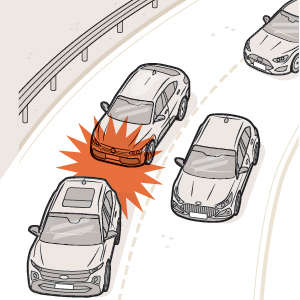
These automatic emergency braking systems work at both slow and highway speeds, typically above 55 mph.
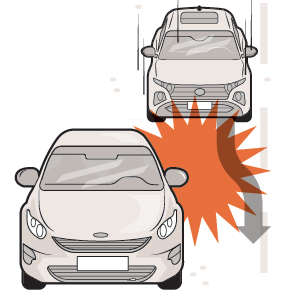
Blind spot warning notifies the driver of vehicles hidden to the side. Some systems provide an additional warning if the driver activates the turn signal.
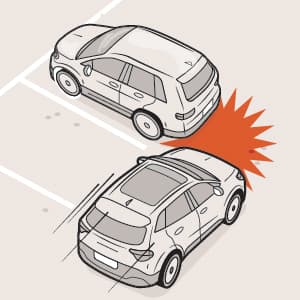
Rear cross traffic warning alerts the driver to vehicles approaching from the side at the rear of the vehicle while in reverse gear.
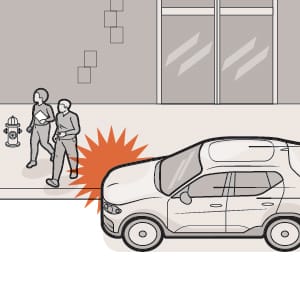
These automatic emergency braking systems warn of a potential collision with a vehicle or pedestrian ahead and automatically brake to prevent or lessen the severity of a crash.
90 Years of Safety Wins
Over our 90-year history, Consumer Reports has pushed automakers to adopt new safety features, and we’ve lobbied regulators to enforce compliance. Here are some of the lifesaving advances that CR led.

The Mission Begins
Our founding set the tone for the decades of leadership to follow. Along the way, we’ve reviewed thousands of cars, pushed automakers to adopt key safety features, lobbied regulators to enforce compliance, and more.
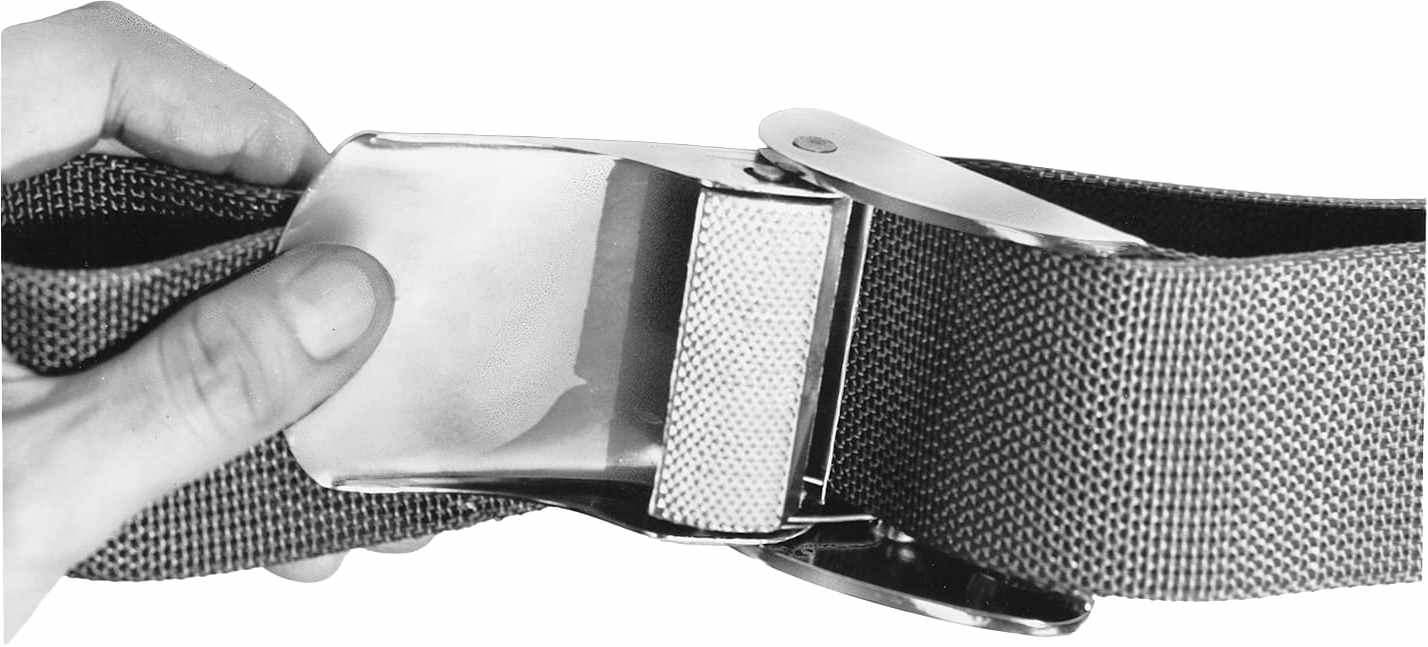
Improving Seat Belts
Our first evaluation of seat belts found that two-thirds failed basic safety and durability tests. We advocated for a federal safety standard until the government mandated it in 1968.
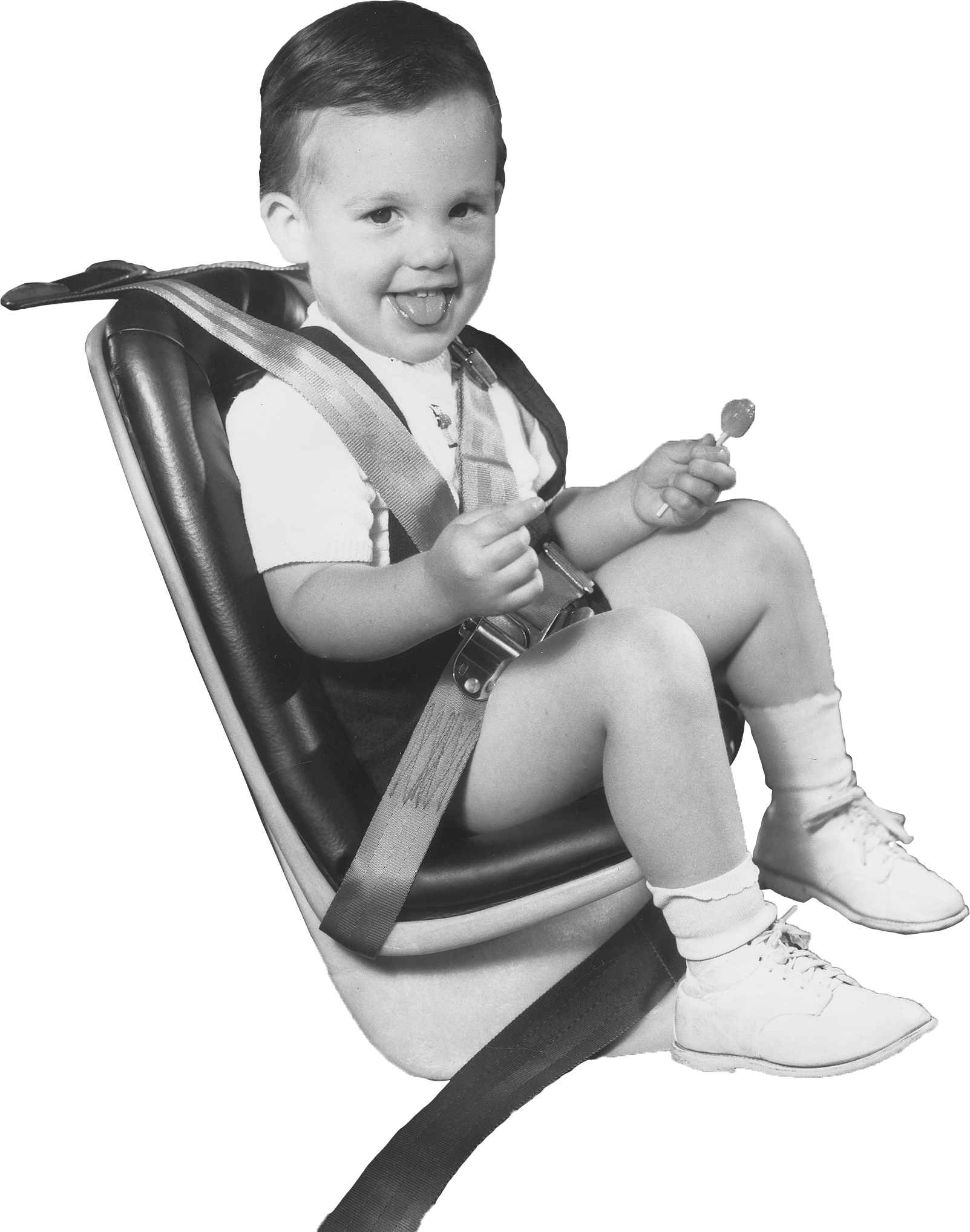
Protecting Children
After a CR report showed that many child car seats didn’t provide adequate crash protection, government regulators proposed a new safety certification, which was adopted in 1981.
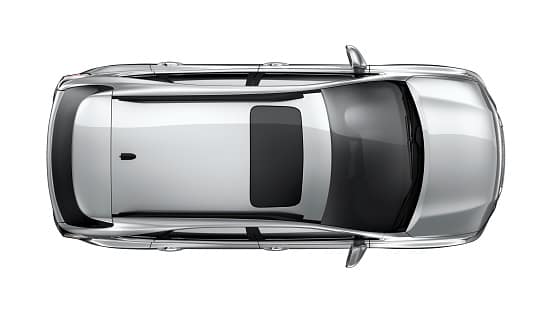
Reducing Rollovers
We withheld our recommendation of any new SUV lacking electronic stability control, a technology that prevents rollovers. After this, most automakers equipped their vehicles with ESC before it became mandatory starting with the 2012 model year.
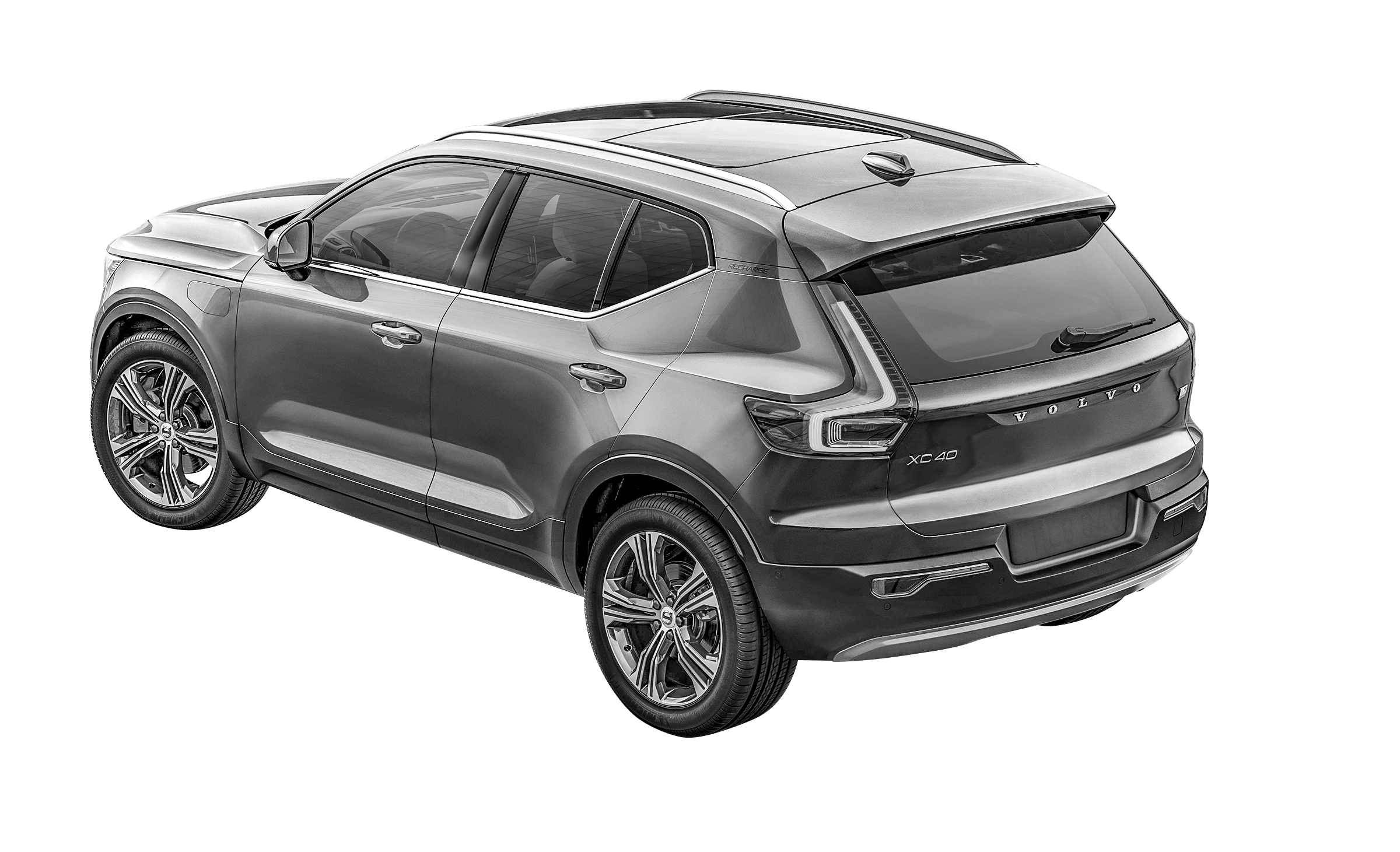
Preventing Crashes
As part of a voluntary agreement with the National Highway Traffic Safety Administration, the Insurance Institute for Highway Safety, and CR, automakers pledged that at least 95 percent of new models would come standard with automatic emergency braking, which can prevent or lessen the severity of a crash. Volvo pioneered AEB in 2008, later adding the technology to future models.

Consumer Reports Safety Verdict
Our new rating system steers buyers to vehicles with modern, effective crash protection and prevention technology.
Editor’s Note: This article also appeared in the March/April 2026 issue of Consumer Reports magazine.


