
Introduction
2026 Jeep Cherokee Grows and Goes Hybrid
The redesigned SUV is larger, better equipped, and more efficient than beforeOverview
The Jeep Cherokee returns after a three-model-year hiatus as a hybrid, poised to compete with the latest small and midsized two-row SUVs, such as the Nissan Murano and Subaru Outback.
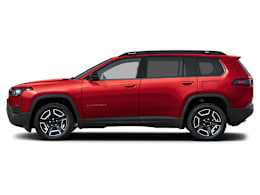
In that time, the Cherokee grew, gaining 5 inches in length and 6 inches in the wheelbase. Combined, these changes provide more interior and cargo space, giving the Jeep a size advantage over its small SUVs, including the spacious Honda CR-V.
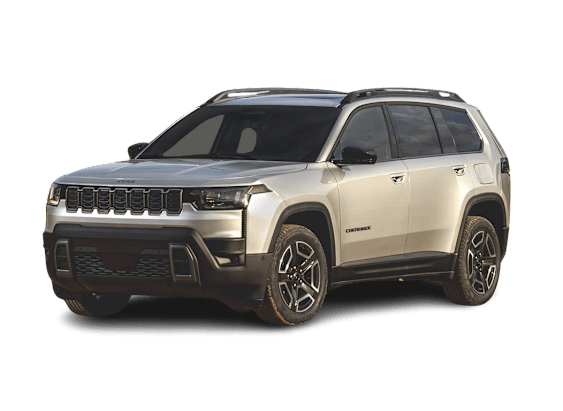
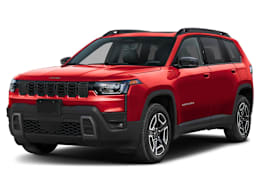
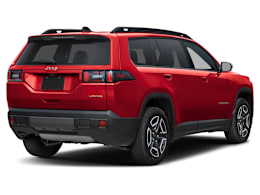
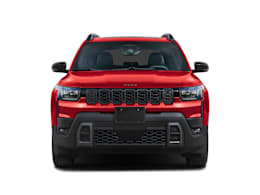
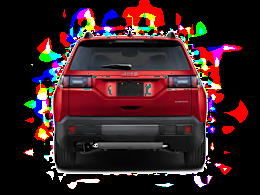
Jeep replaced the previous version’s organic curves with a boxy design that makes the Cherokee resemble the larger, more prestigious Grand Cherokee for the first time. It now looks like a part of the nuclear family rather than a distant cousin. Think of it as the less grand Cherokee.
The Grand Cherokee’s plucky little brother is now packaged exclusively as a hybrid, becoming the first regular, non-plug-in hybrid for Jeep and even all of Stellantis in the U.S. The powertrain uses a 1.6-liter turbocharged four-cylinder engine and a two-motor transmission for a combined output of 210 hp. The hybrid system uses a 1.03-kilowatt-hour battery that is capable of propelling the SUV on electric power for short distances at up to 62 mph.
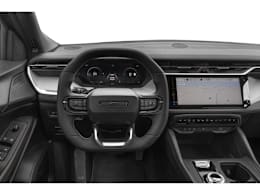
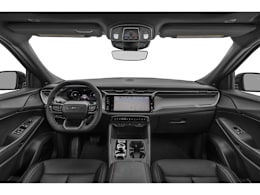
The Cherokee’s EPA-rated fuel economy is 37 mpg combined, and it has a claimed range of more than 500 miles. Each version comes with all-wheel drive, although the Cherokee operates as a front-wheel-drive vehicle for efficiency until it detects that it needs more traction from the rear wheels. The cabin has a standard 10.25-inch digital instrument panel and a 12.3-inch center screen that houses the Uconnect 5 infotainment system used in other Stellantis vehicles.
Standard active safety features include automatic emergency braking with pedestrian and cyclist detection, blind spot warning, rear cross traffic warning, reverse automatic emergency braking, and driver distraction monitoring.
There are four trims available: the base Cherokee ($35,000), Laredo ($38,000), Limited ($40,000), and Overland ($43,000).
We bought a Laredo for testing because it’s the most common configuration. The standard interior is black across the board, but we opted for the sole alternative with Arctic white accents. The only other add-on we selected was the compact spare tire for a hefty $495. The price was a bit high, but we appreciate the flexibility of having an onboard spare instead of a space- and cost-saving tire inflator kit. And it just seems natural for a Jeep to have a spare tire, even if it isn’t mounted on the back.
The price climbed a bit more due to the hefty $1,995 destination fee. The total MSRP is $40,490. Stellantis fees are outpacing many competitors, becoming a significant added cost, especially for buyers who finance for five years or longer, where the cost gets magnified by interest.
The final assembly point is Toluca, Mexico.