Car Safety Guide
Everything you need to know about car safety, from essential features to how you'll be protected in a crash.

Updated January 14, 2026
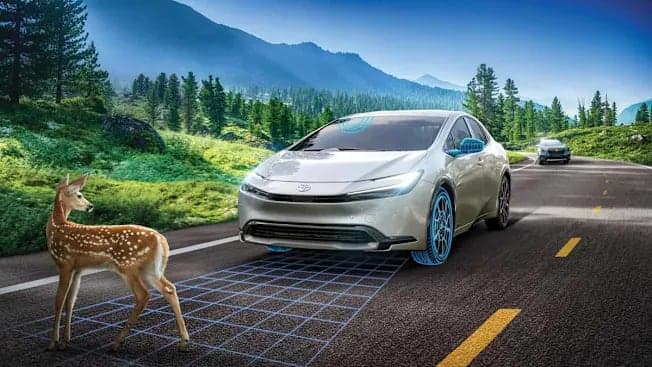
The Safest Cars You Can Buy Right Now
The new Consumer Reports safety verdict is an easy way to know which vehicles will protect you best.
Photo-Illustration: Eric Heintz
How Do Safety Systems Help You Before, During and After a Crash?
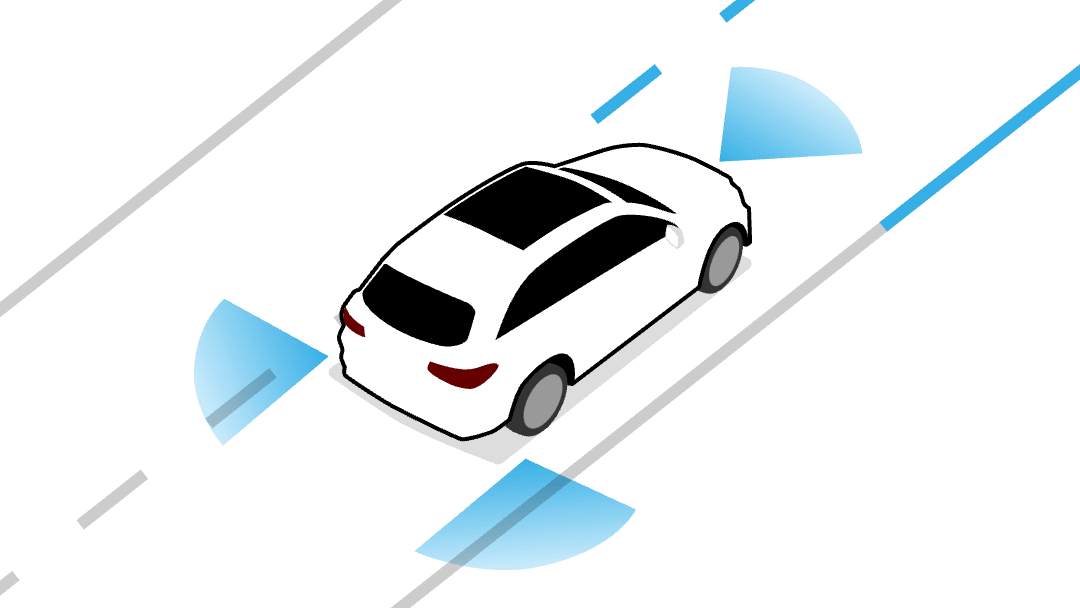
Before a Crash
The right features can help avoid or mitigate a crash.
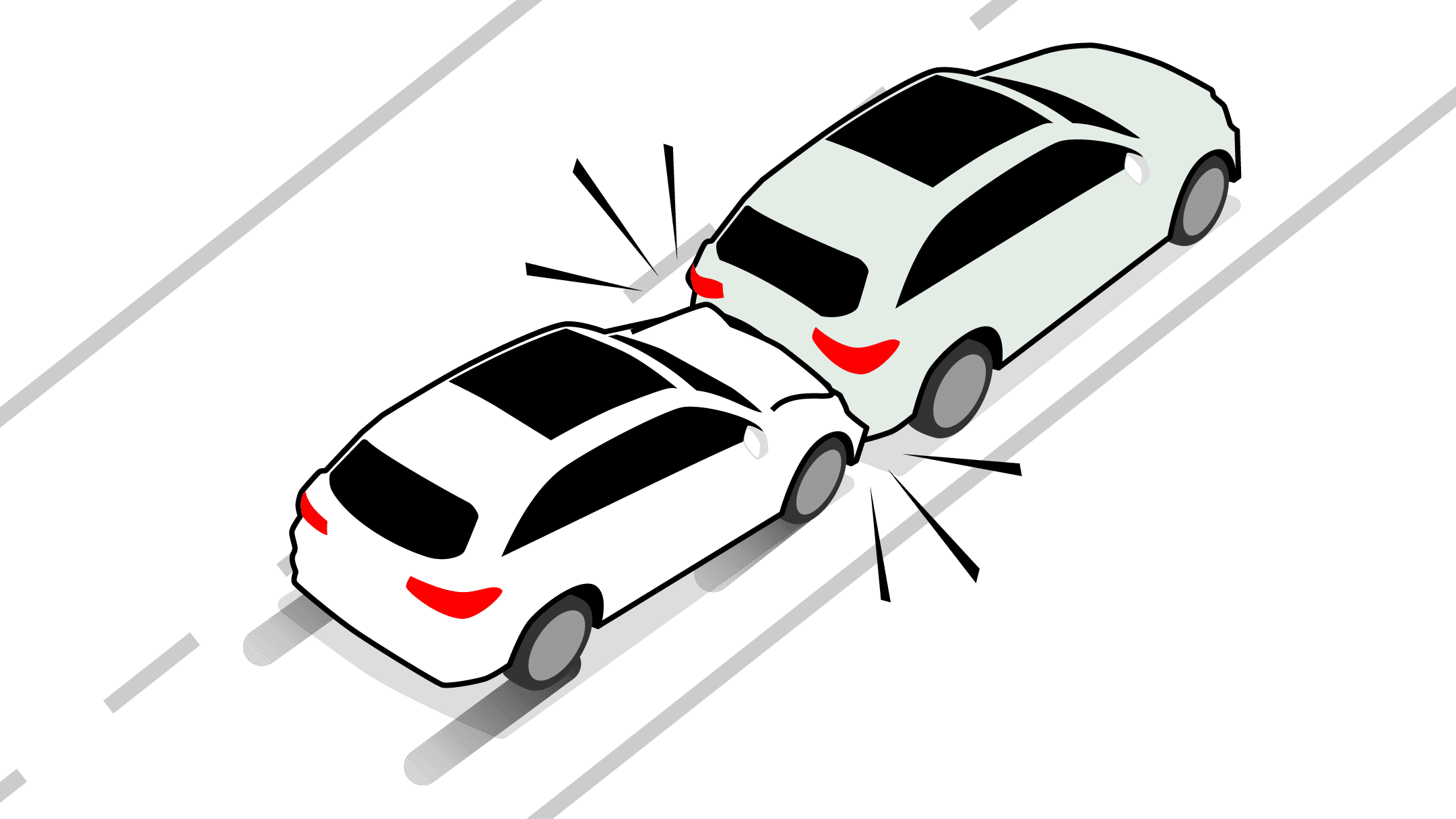
During a Crash
Structure proven in crash testing to absorb collision forces and protect occupants, and active features that can reduce injuries.
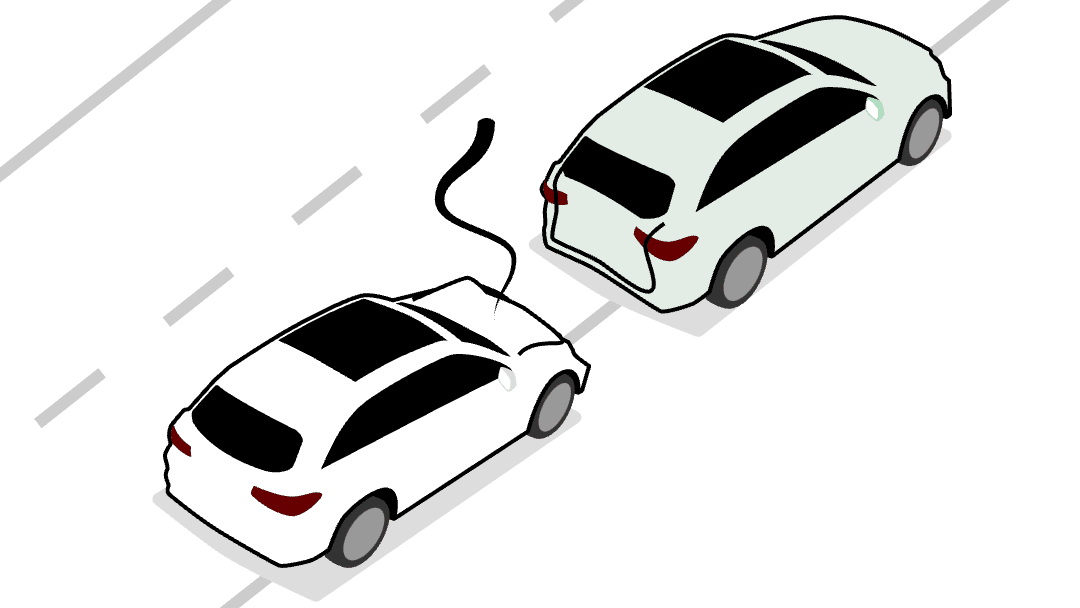
After a Crash
If a collision occurs, the right features can summon emergency assistance for you and/or other motorists.
What is the Consumer Reports Safety Verdict?
We assess vehicle safety based on proven features, track performance, and crash test results.
Three Safety Verdicts
This table shows what it takes to achieve each level of Safety Verdict. All vehicles sold in the U.S. must meet minimum requirements, known as Federal Motor Vehicle Safety Standards (FMVSS).
Basic
Note: Vehicles in this tier may also meet some CR Core and Advanced Safety Requirements.
Better
Note: Vehicles in this tier may also meet some CR Advanced Safety Requirements.
Best
Federal Safety Requirements
Federal Motor Vehicle Safety Standards (FMVSS)
All vehicles sold in the U.S. have to meet the minimum safety standards set by the National Highway Traffic Safety Administration (NHTSA), the federal regulatory body for cars. Per NHTSA, "These requirements are specified in such a manner that the public is protected against unreasonable risk of crashes occurring as a result of the design, construction, or performance of motor vehicles."
CR Core Safety Requirements
Braking
Braking tests evaluate the shortest distance that a vehicle can come to a full stop on dry and wet pavement from 60 mph, like you might need to do on the highway.
Emergency Handling
This test measures how well your vehicle can avoid a road hazard to help prevent a crash.
Routine Handling
Our expert judgment of handling in day-to-day driving, including steering response, agility, and how much the vehicle leans in turns.
Rollaway Prevention
Rollaway Prevention is our assessment of whether a vehicle has the potential to roll away when the ignition is turned off, but the gear selector hasn't been shifted into Park.
Small Overlap (Driver, Passenger, Combined)
Small Overlap Front Crash Test definition: "The Insurance Institute for Highway Safety (IIHS) conducts crash tests that go beyond the federal safety standards. The small overlap front test represents a crash in which the front corner of a vehicle collides with another vehicle or a narrow object like a tree or utility pole. IIHS rates vehicles as Good, Acceptable, Marginal, or Poor."
Front Crash Prevention: Pedestrian (Combined)
The pedestrian front crash prevention evaluation, conducted by IIHS, simulates common daytime and nighttime pedestrian collisions that occur when an adult or child attempts to cross the road or when an adult is walking in the travel lane in the same direction as the flow of traffic. IIHS rates vehicles as Good, Acceptable, Marginal, or Poor.
IIHS: Side Crash
This test, conducted by IIHS, simulates a vehicle being hit in the side by an SUV. The new barrier weighs 4,200 pounds—close to the weight of today’s midsize SUVs—and strikes the test vehicle at 37 mph, compared with a 3,300-pound barrier traveling at 31 mph in the original evaluation. The IIHS rates vehicles as Good, Acceptable, Marginal, or Poor.
Curb Weight
This is the measurement of how much a car weighs without passengers or cargo. Lightweight vehicles tend to fare poorly for crash protection against larger vehicles.
Automatic Emergency Braking with Pedestrian Detection (AEB-P)
These systems have the ability to detect pedestrians and cars, issue a warning to the driver, and if necessary, automatically apply the brakes to reduce speed to lessen injuries and potentially avoid impact.
Front Passenger Belt Minder
The seat belt reminder system is designed to remind the front passenger to buckle up and alert the driver if that passenger unbuckles during a trip.
Drive wheels
Power from the engine is sent to the front (FWD), rear (RWD), or all four wheels (4WD, AWD). RWD-only vehicles may be more difficult to control in certain situations.
CR Advanced Safety Requirements
IIHS: Side Crash Test
This test, conducted by IIHS, simulates a vehicle being hit in the side by an SUV. The new barrier weighs 4,200 pounds—close to the weight of today’s midsize SUVs—and strikes the test vehicle at 37 mph, compared with a 3,300-pound barrier traveling at 31 mph in the original evaluation. The IIHS rates vehicles as Good, Acceptable, Marginal, or Poor.
IIHS: Moderate Overlap Front Crash Test
The moderate overlap front test, conducted by IIHS, represents an offset crash between two vehicles traveling in opposite directions at about 40 mph each. It was updated in 2022 to incorporate back seat protection by including injury measurements from a rear-seated dummy behind the driver, representing a small woman or 12-year-old child. The IIHS rates vehicles as Good, Acceptable, Marginal, and Poor. Frontal crash-test results can ONLY be compared among vehicles of similar weight.
Automatic Emergency Braking, Highway Speeds (AEB-H)
These AEB systems work at highway speeds (above 55 mph). According to IIHS data, this technology reduces rear-end collisions by up to 50 percent when a vehicle is also equipped with forward collision warning (FCW), which alerts drivers to a hazard ahead, allowing them to brake or swerve in time.
Blind Spot Warning (BSW)
Using sensors, BSW detects vehicles in adjacent lanes and alerts the driver to their presence, reducing lane-change crashes with injuries by 23 percent, according to data from the IIHS and Highway Loss Data Institute (HLDI).
Rear Cross Traffic Warning (RCTW)
When the car is in Reverse, RCTW uses sensors to detect vehicles (and often pedestrians) approaching from either side and warns the driver of their presence. According to the IIHS, RCTW reduces this kind of crash by 22 percent.
Usability
Our expert evaluation of the ease-of-use of the interior features necessary for everyday driving. Good usability means fewer distractions that take a driver's eyes off the road.
Occupant Protection Features
Valuable, often unseen, systems that help reduce injuries.
Airbags
Meant to work in conjunction with your seat belt, airbags spread crash forces over a large area of the body, while protecting occupants from contacting hard surfaces to reduce injury risk. Typically, vehicles include frontal, knee, side torso/pelvis, and side curtain airbags (for head protection and ejection prevention). Some new vehicles have side airbags in the rear outboard seats also.
Crumple zones
Part of the vehicle front and rear structure designed to "crumple" or crush to dissipate crash energy and protect the occupant compartment. This protection has become increasingly sophisticated over time, meaning new cars, in general, provide better protection than similar, older models.
Head restraints
These serve to protect occupants from whiplash injuries in rear impacts by limiting head and neck movement. Proper usage has the top of the head restraint above your ears. Active head restraints, found in many luxury models, tilt on impact to further soften the blow.
Belt minder
These systems are designed to remind passengers to buckle-up their seat belts and alert drivers when a passenger unbuckles during a trip. This valuable feature will be required in all new vehicles by September 2027.
Seat belt technology
In a crash, seat belts are your first line of defense. They prevent ejection from the vehicle and help occupants benefit the most from the vehicle's crash management systems. Advanced technology like pretensioners remove the extra seat belt slack to firmly tie passengers to the vehicle seat, and load-limiters prevent excessive force on the chest. Some automakers include pre-pretensioners - reversible, slack-removing mechanisms - to help position front passengers for optimal crash protection.
Rear occupant alert
These systems are designed to provide end-of-trip reminders to prevent children unintentionally left behind in vehicles. Some advanced implementations include occupant sensing which directly detects rear passengers in the cabin and alerts the driver and passersby.
How CR Tests Safety
Consumer Reports conducts a range of tests and evaluations, assessing braking distances, child car seat fit, handling, usability, and much more. We highlight some key tests below. Learn more about how we test cars.
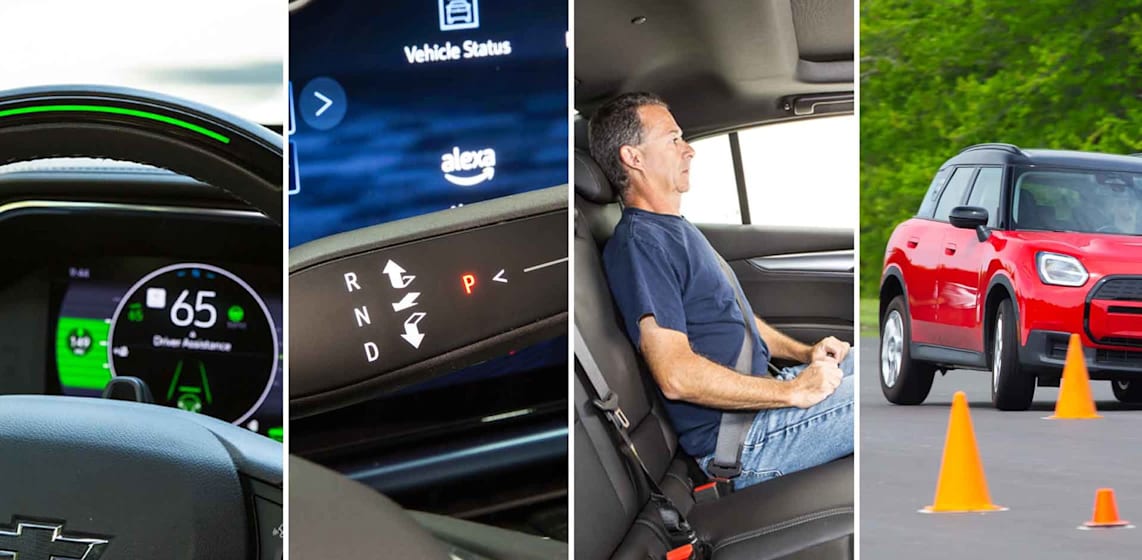
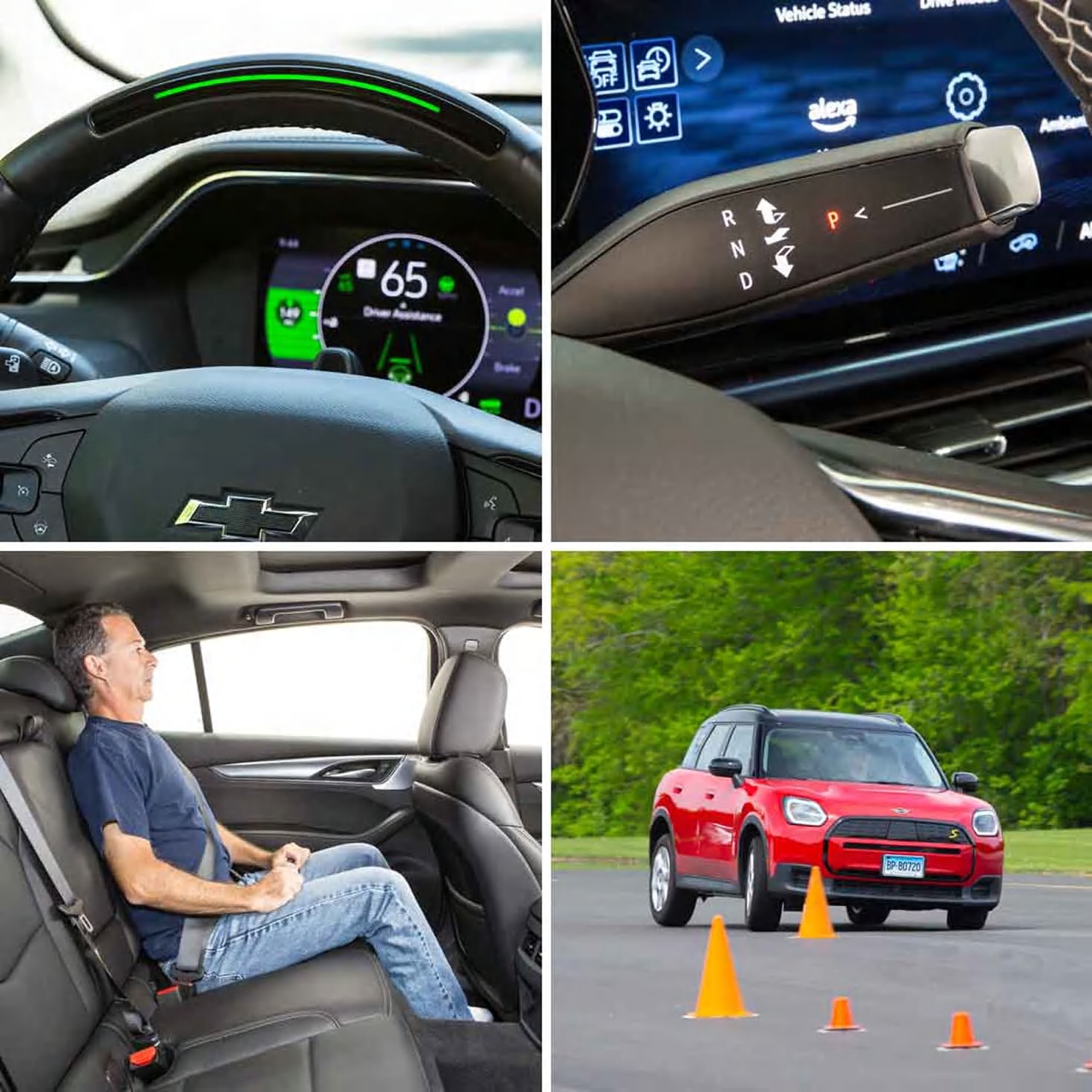
Advanced driver assistance systems
Our 1.5-mile ADAS loop was designed according to current Department of Transportation specifications for lane width, lane markings, and road curvature. We use it to test advanced driver assistance systems with challenging features such as curves, split lanes, merging lanes, exit ramps, and intersections.
Usability
Our engineers evaluate a car's controls and displays to determine how easy it is to operate various vehicle functions, such as interacting with a phone, adjusting the audio and climate systems, operating touchscreens, and using any knobs or buttons. Intuitive, user-friendly controls are rated higher than those that distract.
Rear-seat safety
We evaluate the availability and performance of rear-seat safety features that benefit harnessed kids and belted occupants, such as child seat fitment, advanced seat belts and airbags, rear belt minders (prompts passengers to wear their belts), and rear occupant alerts (to prevent kids left behind in hot vehicles).
Emergency handling
We conduct an avoidance maneuver that simulates swerving to avoid an obstacle in the road and returning to the original lane to avoid oncoming traffic. Then drivers push the car to simulate entering a corner too quickly. We judge how controllable, secure, and forgiving the car is through the maneuver.
How do I know the vehicle I am purchasing is safe?
CR's ratings, articles, and lists can steer you toward the essential features and the safest cars.
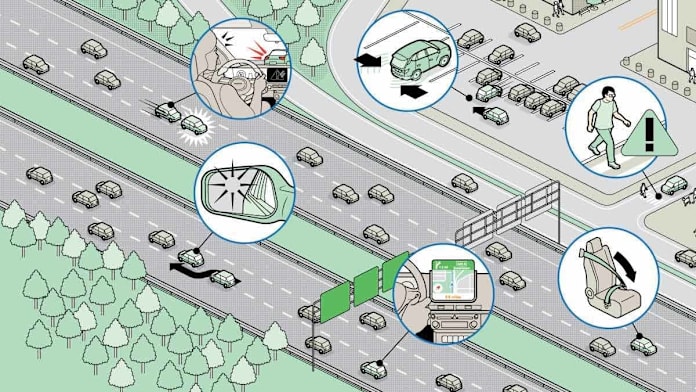
Car Features to Help You Stay Safe on the Road
CR's experts spotlight what to look for when shopping for a new or used car.
Photo Illustration: Rodrigo Damati
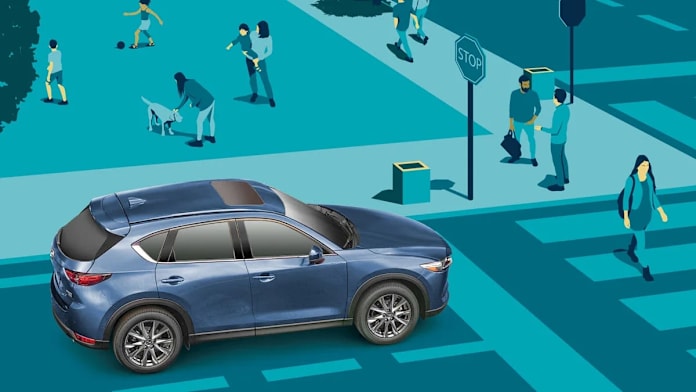
How to Buy a Safe Used Car
When you're out there looking for a used car, beware: Many popular vehicles may not have all the effective safety features our experts recommend as standard equipment. And some may not have excelled in the latest crash tests.
Photo Illustration: Federico Gastaldi, Mazda
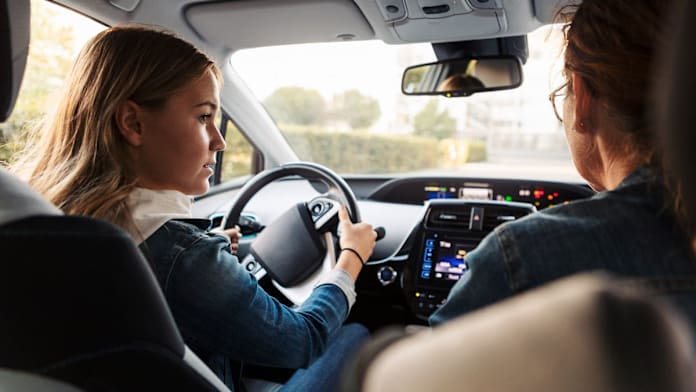
Best Used Cars Under $20,000 for Teens
To make finding a safe, budget-friendly car easier, Consumer Reports and the Insurance Institute for Highway Safety analyzed makes and models to find the best options. In our research, we found that safety is available for reasonable prices. The used cars selected for our list all come in under $20,000. And many are below $10,000.
Photo: Getty Images

Car Recall Guide: Your Questions Answered
Maybe you received a car recall notice in the mail, or you got a notification from the Consumer Reports recall tracker. Or maybe you checked a car you're interested in purchasing requires recall work. Can you still drive the car? Is it dangerous? Will it cost you money to fix it?
Illustration: Kiersten Essenpreis
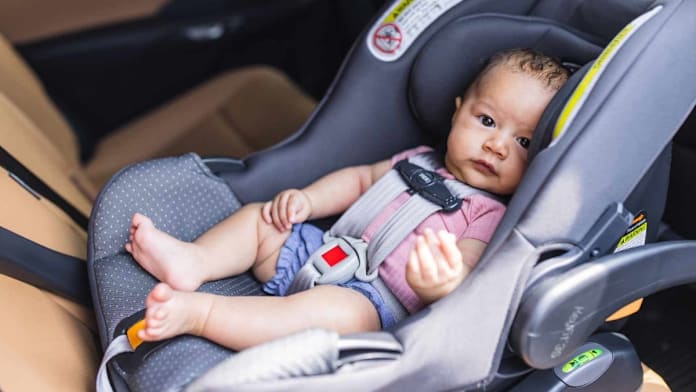
Choose the Right Car Seat for Your Child
Our comprehensive guide will help you find the appropriate child seat for your little one's age and size. We'll also walk through when you'll need to move up to the next one—and how to double-check that you're installing your car seat correctly.
Photo: Stephen Yang
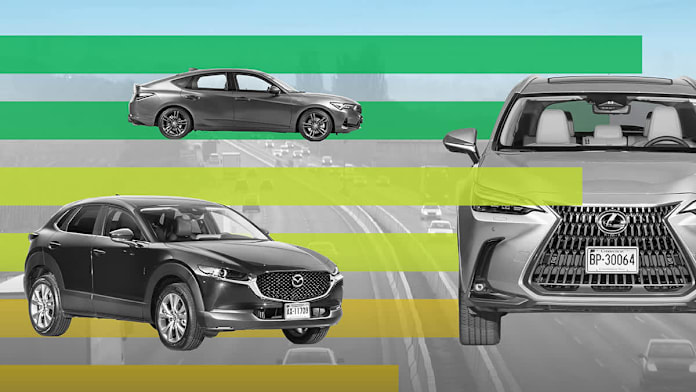
Safest Car Brands Ranked by Consumer Reports' Safety Verdict
According to our analysis of crash tests, braking, handling, and crash-avoidance technology, Mazda, Genesis, and Acura have the safest new cars.
Photo Illustration: Consumer Reports, Getty Images