The redesign year indicates that the car is either introduced for the first time or an existing model has been
significantly re-engineered. The more extensive or complicated the redesign, the higher the risk of reliability problems.
2020 Model Redesign Year
The redesign year indicates that the car is either introduced for the first time or an existing model has been
significantly re-engineered. The more extensive or complicated the redesign, the higher the risk of reliability problems.
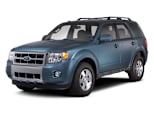
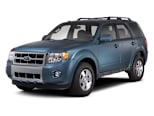
The Escape is a competitive small SUV but lags behind popular competitors.
The turbo three-cylinder got 26 mpg overall in our tests.
It provides sufficient oomph but vibrates at low engine speeds and has a tinny sound.
The 2.0-liter turbo-four is smoother and more powerful, as is the hybrid.
The PHEV version is front-wheel-drive only and gets an EPA-estimated 37 miles of electric range.
It achieved a commendable 37 mpg while running as a hybrid in our tests.
The Escape's ride is firm but steady and composed, while handling is nimble.
The optional 13.2-inch infotainment screen is laggy and not intuitive to use.
The front seats are flat and have limited adjustments, but the rear seat is quite roomy when set to the rearmost position.
Road test score is a composite based on more than 50 tests and evaluations at our 327-acre test facility in
Colchester, Conn., on cars that Consumer Reports has purchased. Among the many tests are assessments of emergency-handling, braking capabilities,
fuel economy, ride, seat comfort, headlights, and controls.
Road Test Score
Road test score is a composite based on more than 50 tests and evaluations at our 327-acre test facility in
Colchester, Conn., on cars that Consumer Reports has purchased. Among the many tests are assessments of emergency-handling, braking capabilities,
fuel economy, ride, seat comfort, headlights, and controls.
Predicted Reliability
Predicted Reliability
Our extensive survey data, combined with our technical knowledge, allows us to expertly predict the reliability of new and redesigned models.
Predicted Reliability
Our extensive survey data, combined with our technical knowledge, allows us to expertly predict the reliability of new and redesigned models.
Predicted Owner Satisfaction
Predicted Owner Satisfaction
Our extensive survey data, combined with our technical knowledge, allows us to expertly predict the owner satisfaction of new and redesigned models.
Predicted Owner Satisfaction
Our extensive survey data, combined with our technical knowledge, allows us to expertly predict the owner satisfaction of new and redesigned models.
Base MSRP Range
$30,350 - $37,210
Destination Charge: $1495
Destination Charge
This charge covers the cost of transporting a vehicle from a carmaker’s U.S. factory or port of entry to its dealerships. Destination charges are typically not negotiable. Occasionally some select model trims will have a slightly higher fee than others.
Destination Charge
This charge covers the cost of transporting a vehicle from a carmaker’s U.S. factory or port of entry to its dealerships. Destination charges are typically not negotiable. Occasionally some select model trims will have a slightly higher fee than others.
This charge covers the cost of transporting a vehicle from a carmaker’s U.S. factory or port of entry to its dealerships. Destination charges are typically not negotiable. Occasionally some select model trims will have a slightly higher fee than others.
Destination Charge
This charge covers the cost of transporting a vehicle from a carmaker’s U.S. factory or port of entry to its dealerships. Destination charges are typically not negotiable. Occasionally some select model trims will have a slightly higher fee than others.
Road test score is a composite based on more than 50 tests and evaluations at our 327-acre test facility in
Colchester, Conn., on cars that Consumer Reports has purchased. Among the many tests are assessments of emergency-handling, braking capabilities,
fuel economy, ride, seat comfort, headlights, and controls.
Road Test Score
Road test score is a composite based on more than 50 tests and evaluations at our 327-acre test facility in
Colchester, Conn., on cars that Consumer Reports has purchased. Among the many tests are assessments of emergency-handling, braking capabilities,
fuel economy, ride, seat comfort, headlights, and controls.
Predicted Reliability
Predicted Reliability
Our extensive survey data, combined with our technical knowledge, allows us to expertly predict the reliability of new and redesigned models.
Predicted Reliability
Our extensive survey data, combined with our technical knowledge, allows us to expertly predict the reliability of new and redesigned models.
Predicted Owner Satisfaction
Predicted Owner Satisfaction
Our extensive survey data, combined with our technical knowledge, allows us to expertly predict the owner satisfaction of new and redesigned models.
Predicted Owner Satisfaction
Our extensive survey data, combined with our technical knowledge, allows us to expertly predict the owner satisfaction of new and redesigned models.
Road test score is a composite based on more than 50 tests and evaluations at our 327-acre test facility in
Colchester, Conn., on cars that Consumer Reports has purchased. Among the many tests are assessments of emergency-handling, braking capabilities,
fuel economy, ride, seat comfort, headlights, and controls.
Road Test Score
Road test score is a composite based on more than 50 tests and evaluations at our 327-acre test facility in
Colchester, Conn., on cars that Consumer Reports has purchased. Among the many tests are assessments of emergency-handling, braking capabilities,
fuel economy, ride, seat comfort, headlights, and controls.
/ 100
Predicted Reliability
Predicted Reliability
Our extensive survey data, combined with our technical knowledge, allows us to expertly predict the reliability of new and redesigned models.
Predicted Reliability
Our extensive survey data, combined with our technical knowledge, allows us to expertly predict the reliability of new and redesigned models.
/ 100
Predicted Owner Satisfaction
Predicted Owner Satisfaction
Our extensive survey data, combined with our technical knowledge, allows us to expertly predict the owner satisfaction of new and redesigned models.
Predicted Owner Satisfaction
Our extensive survey data, combined with our technical knowledge, allows us to expertly predict the owner satisfaction of new and redesigned models.
The redesign year indicates that the car is either introduced for the first time or an existing model has been
significantly re-engineered. The more extensive or complicated the redesign, the higher the risk of reliability problems.
2020 Model Redesign Year
The redesign year indicates that the car is either introduced for the first time or an existing model has been
significantly re-engineered. The more extensive or complicated the redesign, the higher the risk of reliability problems.
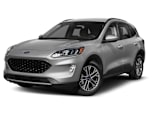
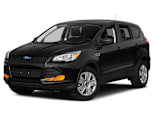
The redesigned 2020 Escape has curvier styling compared to the previous version, as well as new drivetrains, and standard advanced safety features.
The standard 1.5-liter turbo three-cylinder engine returned 26 mpg overall in our tests.
Although it provides sufficient oomph, the engine transmits an annoying vibration at low engine speeds.
The optional 2.0-liter turbo four-cylinder is more powerful and smooth.
Hybrid and plug-in hybrid versions are also available.
The ride has an underlying firmness.
Handling is quite nimble and secure.
But the brake pedal is oversensitive.
Controls, including the rotary gear selector, are easy to use.
The front seats are a bit flat, but the rear seat is quite roomy when set to the rearmost position.
Updates for 2021 include adaptive cruise control, a convenience feature, now available on the SE and SEL trim levels.
A hands-free foot-activated liftgate is now included in the Technology package and standard on Titanium.
For 2023, Ford refreshed the Escape with updated styling and a restructured trim lineup.
Base, Active, ST-Line, ST-Line Select, Platinum, and ST-Line Elite trims replaced the S, SE, SEL, and Titanium versions.
The infotainment system was upgraded from Sync 3 to Sync 4, and a larger, 13.2-inch infotainment touchscreen became optional.
In 2024, the Base trim was dropped.
There were no changes for 2025. All Escapes come standard with forward collision warning, automatic emergency braking with pedestrian detection, and blind spot warning.
2026 will be the last year of production for the Escape.
The redesign year indicates that the car is either introduced for the first time or an existing model has been
significantly re-engineered. The more extensive or complicated the redesign, the higher the risk of reliability problems.
2013 Model Redesign Year
The redesign year indicates that the car is either introduced for the first time or an existing model has been
significantly re-engineered. The more extensive or complicated the redesign, the higher the risk of reliability problems.
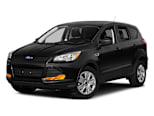
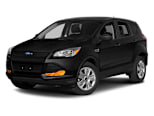
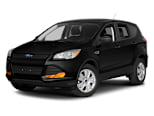
The Escape's 2013 redesign brought many improvements.
Genuinely qualifying as fun-to-drive, this version of the Escape delivers agile handling along with an impressively supple and composed ride.
What's more, the cabin is quiet and feels substantial.
Plus, a long list of high-tech options can make the compact crossover feel like a luxury-branded small SUV.
This iteration of the Escape is not without its shortcomings however.
Basic radio and climate controls could be simpler and better designed.
This model year also brought the distracting MyFord Touch control interface's small fonts, tightly clustered touchscreen buttons and unintuitive functions.
Ultimately though, a Poor performance in the Insurance Institute for Highway Safety's small overlap test kept it from being recommended.
The redesign year indicates that the car is either introduced for the first time or an existing model has been
significantly re-engineered. The more extensive or complicated the redesign, the higher the risk of reliability problems.
2008 Model Redesign Year
The redesign year indicates that the car is either introduced for the first time or an existing model has been
significantly re-engineered. The more extensive or complicated the redesign, the higher the risk of reliability problems.
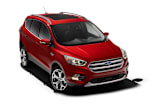
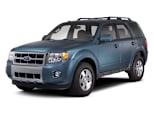
Electronic stability control became standard for non-hybrid Escapes for 2008, solving the tip-up problem noted in the 2005 ' 2007 models.
ESC is standard on all versions from 2009 forward.
The Escape's sensible size, roomy interior and good visibility remain intact.
However, though it was improved with the 2008 freshening, the Escape's interior is still somewhat subpar.
Fit and finish issues include uneven gaps and exposed screws.
On the infotainment front, the optional SYNC system brought voice activation to the Escape, allowing hands-free control of digital music players and cell phones.
The redesign year indicates that the car is either introduced for the first time or an existing model has been
significantly re-engineered. The more extensive or complicated the redesign, the higher the risk of reliability problems.
2001 Model Redesign Year
The redesign year indicates that the car is either introduced for the first time or an existing model has been
significantly re-engineered. The more extensive or complicated the redesign, the higher the risk of reliability problems.
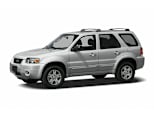
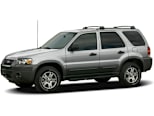
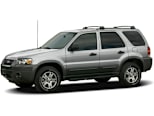
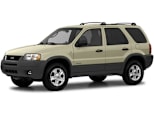
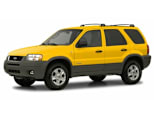
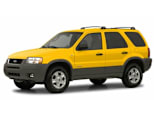
The Escape is a car-based small SUV launched in 2001.
First-generation models had sound handling and braking, impressive cabin space, and adequate acceleration with the optional 3.0-liter V6.
Downsides include a stiff ride and noisy interior.
Other engine choices included a 2.0-liter four-cylinder, and a Hybrid that arrived in 2005 to return 26 mpg in our tests.
A tip-up in the government rollover test for 2005-2007 models is a concern.
For 2008, electronic stability control became standard on the non-hybrid Escapes, rectifying the problem.
You will get digital access to reviews and ratings for over 8,500 products and services
to help you make better choices for life’s big moments and the everyday ones in between.
If you feel you have received this message in error, please view our customer care
FAQs or access your
account information here.