The redesign year indicates that the car is either introduced for the first time or an existing model has been
significantly re-engineered. The more extensive or complicated the redesign, the higher the risk of reliability problems.
2020 Model Redesign Year
The redesign year indicates that the car is either introduced for the first time or an existing model has been
significantly re-engineered. The more extensive or complicated the redesign, the higher the risk of reliability problems.
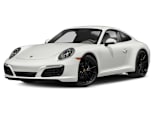
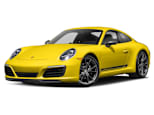
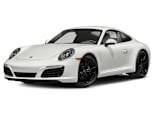
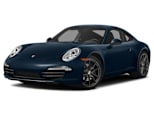
The 911's silhouette and rear-engine layout are hallmarks of this classic sports-car icon.
Rear- and all-wheel drive are available.
A 388-hp, 3.0-liter turbo six-cylinder engine and eight-speed dual-clutch automatic are standard.
Purists will rejoice at the fact that the 911 still offers a seven-speed manual transmission on Carrera S and GTS models.
We found the 911's sharp handling to be a treat, and the power and exhaust sound are invigorating.
Ride comfort is refined compared with other sports cars, and the seats are super comfortable.
A tiny rear seat and a frunk, or front trunk, offer a touch of practicality.
An updated infotainment system includes a 10.9-inch touchscreen.
Updates for 2025 include a new performance-oriented hybrid powertrain for the GTS model.
The rest of the line sees a moderate horsepower boost.
For a car in its price range, BSW and RCTW should be standard, rather than optional.
Road test score is a composite based on more than 50 tests and evaluations at our 327-acre test facility in
Colchester, Conn., on cars that Consumer Reports has purchased. Among the many tests are assessments of emergency-handling, braking capabilities,
fuel economy, ride, seat comfort, headlights, and controls.
Road Test Score
Road test score is a composite based on more than 50 tests and evaluations at our 327-acre test facility in
Colchester, Conn., on cars that Consumer Reports has purchased. Among the many tests are assessments of emergency-handling, braking capabilities,
fuel economy, ride, seat comfort, headlights, and controls.
Predicted Reliability
Predicted Reliability
Our extensive survey data, combined with our technical knowledge, allows us to expertly predict the reliability of new and redesigned models.
Predicted Reliability
Our extensive survey data, combined with our technical knowledge, allows us to expertly predict the reliability of new and redesigned models.
Predicted Owner Satisfaction
Predicted Owner Satisfaction
Our extensive survey data, combined with our technical knowledge, allows us to expertly predict the owner satisfaction of new and redesigned models.
Predicted Owner Satisfaction
Our extensive survey data, combined with our technical knowledge, allows us to expertly predict the owner satisfaction of new and redesigned models.
Base MSRP Range
$135,500 - $284,300
Destination Charge: $2350
Destination Charge
This charge covers the cost of transporting a vehicle from a carmaker’s U.S. factory or port of entry to its dealerships. Destination charges are typically not negotiable. Occasionally some select model trims will have a slightly higher fee than others.
Destination Charge
This charge covers the cost of transporting a vehicle from a carmaker’s U.S. factory or port of entry to its dealerships. Destination charges are typically not negotiable. Occasionally some select model trims will have a slightly higher fee than others.
This charge covers the cost of transporting a vehicle from a carmaker’s U.S. factory or port of entry to its dealerships. Destination charges are typically not negotiable. Occasionally some select model trims will have a slightly higher fee than others.
Destination Charge
This charge covers the cost of transporting a vehicle from a carmaker’s U.S. factory or port of entry to its dealerships. Destination charges are typically not negotiable. Occasionally some select model trims will have a slightly higher fee than others.
Road test score is a composite based on more than 50 tests and evaluations at our 327-acre test facility in
Colchester, Conn., on cars that Consumer Reports has purchased. Among the many tests are assessments of emergency-handling, braking capabilities,
fuel economy, ride, seat comfort, headlights, and controls.
Road Test Score
Road test score is a composite based on more than 50 tests and evaluations at our 327-acre test facility in
Colchester, Conn., on cars that Consumer Reports has purchased. Among the many tests are assessments of emergency-handling, braking capabilities,
fuel economy, ride, seat comfort, headlights, and controls.
Predicted Reliability
Predicted Reliability
Our extensive survey data, combined with our technical knowledge, allows us to expertly predict the reliability of new and redesigned models.
Predicted Reliability
Our extensive survey data, combined with our technical knowledge, allows us to expertly predict the reliability of new and redesigned models.
Predicted Owner Satisfaction
Predicted Owner Satisfaction
Our extensive survey data, combined with our technical knowledge, allows us to expertly predict the owner satisfaction of new and redesigned models.
Predicted Owner Satisfaction
Our extensive survey data, combined with our technical knowledge, allows us to expertly predict the owner satisfaction of new and redesigned models.
Road test score is a composite based on more than 50 tests and evaluations at our 327-acre test facility in
Colchester, Conn., on cars that Consumer Reports has purchased. Among the many tests are assessments of emergency-handling, braking capabilities,
fuel economy, ride, seat comfort, headlights, and controls.
Road Test Score
Road test score is a composite based on more than 50 tests and evaluations at our 327-acre test facility in
Colchester, Conn., on cars that Consumer Reports has purchased. Among the many tests are assessments of emergency-handling, braking capabilities,
fuel economy, ride, seat comfort, headlights, and controls.
NA
Predicted Reliability
Predicted Reliability
Our extensive survey data, combined with our technical knowledge, allows us to expertly predict the reliability of new and redesigned models.
Predicted Reliability
Our extensive survey data, combined with our technical knowledge, allows us to expertly predict the reliability of new and redesigned models.
/ 100
Predicted Owner Satisfaction
Predicted Owner Satisfaction
Our extensive survey data, combined with our technical knowledge, allows us to expertly predict the owner satisfaction of new and redesigned models.
Predicted Owner Satisfaction
Our extensive survey data, combined with our technical knowledge, allows us to expertly predict the owner satisfaction of new and redesigned models.
The redesign year indicates that the car is either introduced for the first time or an existing model has been
significantly re-engineered. The more extensive or complicated the redesign, the higher the risk of reliability problems.
2020 Model Redesign Year
The redesign year indicates that the car is either introduced for the first time or an existing model has been
significantly re-engineered. The more extensive or complicated the redesign, the higher the risk of reliability problems.
The 911's unmistakable silhouette and rear-engine layout remain in the 2020 redesign.
Both rear- or all-wheel drive are available.
A 379-hp, turbocharged 3.0-liter six-cylinder engine and eight-speed dual-clutch automatic transmission are standard.
Porsche purists will rejoice at the fact that the new 911 still offers a seven-speed manual transmission.
Infotainment updates include a 10.9-inch touch screen with Apple CarPlay compatibility.
Forward collision warning and automatic emergency braking are standard on the 911 Carrera.
Adaptive cruise control with stop-and-go traffic capability is optional.
Previously tested 911s were quick and had sublime handling.
The ride wasn't particularly taxing on long trips, thanks to its relatively supple ride and subdued noise levels. Infotainment updates include a 10.9-inch touch screen with Apple CarPlay compatibility.
Forward collision warning and automatic emergency braking are standard, while adaptive cruise control with stop-and-go traffic capability is optional.
The redesign year indicates that the car is either introduced for the first time or an existing model has been
significantly re-engineered. The more extensive or complicated the redesign, the higher the risk of reliability problems.
2013 Model Redesign Year
The redesign year indicates that the car is either introduced for the first time or an existing model has been
significantly re-engineered. The more extensive or complicated the redesign, the higher the risk of reliability problems.
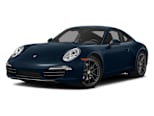
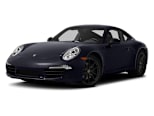
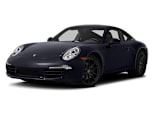
These models enjoy more power and improved fuel economy, thanks to a displacement increase for the engine.
Other enhnacements include a new seven-speed automated manual transmission, along with engine stop-start technology.
The automated manual gives nothing up in performance.
The car is still super quick and agile, yet also more civilized than ever.
This generation of 911 retains its traditional core values of superlative agility, immediate responses, decisive brake feel, and a bespoke driver-focused cabin.
Reasonable visibility, the presence of a rear seat, albeit a very tight one, and a decent sized front trunk make it one of the most practical true sports cars out there.
The manual transmission's seven gear ratios seem perfectly distributed, resulting in a fairly calm cruise in top gear - something that was never the case in previous 911s. Handling remains extremely agile, with instant turn-in response and a body that stays flat and even keeled.
Still, the new electrically assisted steering lacks the high-fidelity feedback that's been a Porsche hallmark for literally generations.
Yes, it's still quick, linear, precise, and nicely weighted.
But it's not the same as the pure unfiltered feedback that's been a source of such special pleasure in this car.
The redesign year indicates that the car is either introduced for the first time or an existing model has been
significantly re-engineered. The more extensive or complicated the redesign, the higher the risk of reliability problems.
2005 Model Redesign Year
The redesign year indicates that the car is either introduced for the first time or an existing model has been
significantly re-engineered. The more extensive or complicated the redesign, the higher the risk of reliability problems.
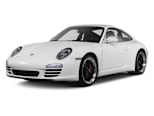
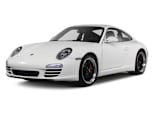
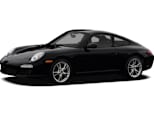
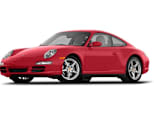
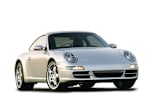
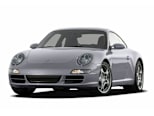
The 911 has long been considered one of the world's most desirable sports cars.
We tested a 2005 911 Carrera S and found it a gas to drive, with pinpoint steering and rock-solid body control.
Handling is extremely precise and agile, and the ride is relatively supple.
Braking is phenomenal.
Rear seats, a reasonable trunk, and good visibility are added bonuses in a sports car.
In later years, Porsche bumped the power a bit and added a seven-speed sequential transmission.
The 2013 redesign brought more power and improved fuel economy to the 911 line.
Even with an automatic transmission, the car gives up nothing in performance.
With it, the 911 is still super quick and agile, yet also more civilized than ever.
The 911 has been considered among the world's most desirable sports cars.
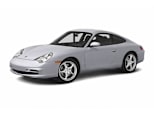
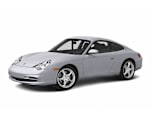
A 1999 redesign brought an all-new platform and a water-cooled engine.
The cabin offers room for tall drivers and good outward visibility.
The Porsche offers rear- and all-wheel-drive coupes, a convertible, and a Targa model with an electrically-operated sliding glass roof.
Exceptionally powerful AWD Turbo versions were also available in some model years.
You will get digital access to reviews and ratings for over 8,500 products and services
to help you make better choices for life’s big moments and the everyday ones in between.
If you feel you have received this message in error, please view our customer care
FAQs or access your
account information here.