Sign In

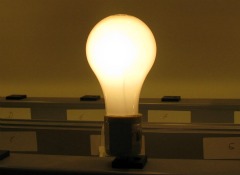
Europe's phase-out of conventional incandescent and halogen bulbs unable to meet the new energy requirements began in September 2009 with the clear 100-watt incandescent. A year later the 75-watt was gone, and as of September 1st, the 60-watt incandescent faded away. Next fall the 40- and 25-watt will be history too. No frosted incandescent bulbs met the standard, and have already been withdrawn. The European Commission estimates that by 2020 the new standard will save enough energy to power 11 million homes a year, roughly the electricity used in Romania, and trim the average household's electric bill by $34 annually.
Like Americans, Europeans can choose CFLs, LEDs, or energy-saving halogen bulbs, a type of incandescent. Which? magazine, published in the UK by the largest consumer group in Europe, found stark performance differences in their tests of CFLs. And in case you're wondering, some British consumers have complained about the new bulbs' price, performance, and government interference, according to Richard Dilks, a senior researcher at Which?, and comments posted on their website.
And that brings us to these shores. The phase-out of inefficient lightbulbs begins in January, with the 100-watt incandescent, when it can no longer be made or imported but will be sold until supplies run out. The 75-watt bulb goes away in January 2013, and the following year, it's time to say good-bye to the 60-watt bulb. But there's no reason to sit in the dark. Our latest test of 26 CFLs and 10 LEDs found that many of the problems of earlier versions have been overcome, and some delivered impressive performance, including one LED that aced all tests, scoring a 98 out of 100 overall. See our Ratings to find out how the bulbs compare, and for ways to save money when shopping, be sure to read our lightbulb buying guide.
—Kimberly Janeway

 Build & Buy Car Buying Service
Save thousands off MSRP with upfront dealer pricing information and a transparent car buying experience.
 Get Ratings on the go and compare
while you shop

