Sign In

Menu
Suggested Searches
Recent Searches
Suggested Searches
Product Ratings
Resources
Chat With AskCR
Resources
All Products A-ZThe payment for your account couldn't be processed or you've canceled your account with us.
Re-activateMy account
Sign In
My account
Sign In
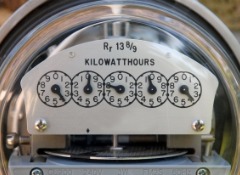
Summer came to an unofficial close with the Labor Day holiday. Most parts of the country will see warm, sunny days for a while longer, but the heating season isn't far off, which means you might start receiving come-ons from natural gas and electricity suppliers suggesting you switch services. This can be a smart move, though it can also backfire.
The Energy Information Administration won't release its winter fuels outlook for another month. The Farmers' Almanac is already out with its winter 2011-2012 predictions, which forecast a punishing few months for many regions. In particular, the Northern Plains, parts of the Northern Rockies, and the western Great Lakes could be in for a very cold winter, raising home heating costs for consumers there.
Sixteen states and the District of Columbia have restructured markets that allow consumers to choose where their electricity comes from. Twenty-one states and the District of Columbia have similar residential choice programs for natural gas suppliers. Besides promising a lower price, suppliers might make green-energy claims, for example telling you their electricity is generated by wind, solar, or other renewable source. Both pitches might be true, but Consumer Reports has found comparison shopping is often easier said than done, and the Better Business Bureau warns against exorbitant hidden fees and bogus environmental benefits.
Below are five questions that will protect you from fraud and help ensure your bills go down, not up. Check our full energy report in the October 2011 issue of Consumer Reports for more ways to manage your energy costs.
Is the new supplier licensed by your state's public utility commission? That will help ensure that the supplier is following rules and regulations.
What is the price per unit—kilowatt hour (kWh) for electricity and thousand cubic feet (Mcf) for natural gas? Compare this with your most recent bill to see if the new supplier is really offering a lower price.
Is the rate fixed or variable? Fixed rates offer peace of mind, though if you're risk-tolerant, you could pay less with a variable rate. But be sure to ask how often the rate will change—monthly, weekly, or daily.
What is the length of the agreement? Contracts usually don't extend for more than one year, so think twice about ones that demand a longer commitment.
Is there a cancellation fee or other penalty for switching back to your old supplier? You usually have seven to ten days to cancel a contract without penalty. After that, fees may apply, but make sure they aren't excessive.
—Daniel DiClerico

 Build & Buy Car Buying Service
Save thousands off MSRP with upfront dealer pricing information and a transparent car buying experience.
 Get Ratings on the go and compare
while you shop

