Sign In

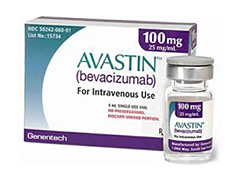
The Food and Drug Administration announced its decision today to revoke the approval of the drug bevacizumab (Avastin) for treatment of metastatic breast cancer, which works by preventing new blood vessels from forming, starving a tumor of its blood supply.
The FDA revoked its approval because Avastin had not been shown to be safe or effective, FDA Commissioner Margaret Hamburg, M.D., said today in a press briefing. Avastin will remain on the market as an approved treatment for other forms of cancer, including certain types of colon, lung, kidney and brain cancer.
In a press release Hamburg stated that:
After reviewing the available studies it is clear that women who take Avastin for metastatic breast cancer risk potentially life-threatening side effects without proof that the use of Avastin will provide a benefit, in terms of delay in tumor growth, that would justify those risks. Nor is there evidence that use of Avastin will either help them live longer or improve their quality of life.
According to news reports, however Medicare has said it would continue to pay for the drug's use in breast cancer.
Avastin's risks include severe high blood pressure, bleeding and hemorrhaging, heart attack or heart failure, and the development of perforations in different parts of the body such as the nose, stomach, and intestines.
Avastin was approved for metastatic breast cancer in 2008, under the FDA's accelerated approval program. The program allows for early patient access to new drugs, while clinical trials are still in process. If clinical trials do not justify the drug's approval, the FDA can reverse its decision.
The National Breast Cancer Coalition came out in support of today's FDA announcement: "Since 2008, NBCC has taken the position that accelerated approval for Avastin was lowering the bar on drug approval. Based on the results of randomized clinical trials, there is no evidence the drug extends the lives of breast cancer patients; evidence indicates that it does increase the risk of harm."
Avastin was first approved as a treatment for colon cancer in 2004, and was to be used alongside other chemotherapy drugs, but despite positive early trials, (it slowed down the return of cancer), several studies have found that it doesn't help patients live longer.
Previously: Avastin can cause fatal side effects
FDA Commissioner announces Avastin decision [FDA]
FDA Withdraws Approval For Avastin In Metastatic Breast Cancer [American Cancer Society]
National Breast Cancer Coalition Applauds the FDA Decision to Remove the Breast Cancer Indication from Avastin [National Breast Cancer Coalition]
F.D.A. Revokes Approval of Avastin as Breast Cancer Drug [New York Times]
—Maggie Shader

 Build & Buy Car Buying Service
Save thousands off MSRP with upfront dealer pricing information and a transparent car buying experience.
 Get Ratings on the go and compare
while you shop

