Sign In

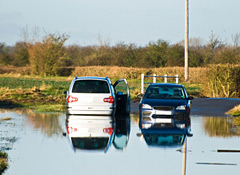
We've all seen the photos of cars under water as a result of Hurricane Sandy; it is safe to assume that countless water-damaged cars will find their way to the used-car market in the next few weeks, presented as ordinary cars rather than the flood cars that they are.
That's a problem because water damage can be hard to spot. Immersing a car in water can ruin electronics, lubricants, and mechanical systems, but it can take months or years for the incipient corrosion to find its way to the car's vital electronics, such as air-bag controllers.
This is a problem not only for states directly hit by the recent superstorm. As we have seen after storms such as Katrina, flood cars are often transported out of the region, where unsuspecting buyers may be less suspicious.
A federally sponsored car-tracking database, or "wreck registry," can help consumers avoid these damaged vehicles. The National Motor Vehicle Title Information System (NMVTIS) allows consumers run background checks. It aims to crack down on the practice of "title washing," where cars that have been totaled (or stolen) can get clean new titles in states with lax regulations.
When an insurance company decides a flood-damaged car is totaled, that information should be clear to any future buyer. Too often it isn't.
Once a car is totaled, it's supposed to get a new title, called a salvage title. Those titles are usually either plainly marked ("branded" is the term used) with the word "salvage" or "flood." In some states the warning is an obscure coded letter or number. Totaled cars are typically sold at a salvage auction to junkyards and vehicle rebuilders. Re-selling is legal, as long as the flood damage is disclosed to buyers on the title, say experts at CarFax, a website that tracks vehicle histories and sells reports to consumers online.
But as Consumer Reports found in an investigation of "rebuilt wrecks," some flood-damaged vehicles magically reappear with clean titles. Be especially wary of any used car whose title has been "lost."
Vehicle-history reports are not all-inclusive and are no guarantee that a vehicle is problem-free. (There are several for-pay services, though there is also a free VIN check available from the National Insurance Crime Bureau.) That's why it is important to have any used car inspected by a trusted independent mechanic before you buy it.
How to spot a flood-damaged car
Water damage can be hard to detect, but there are some telltale signs:
If you are from an area impacted by a flood and have a car that was not damaged, be aware that buyers may still suspect that it was. Consider having a mechanic inspect the car before you sell it so that you can present potential buyers with your car's clean bill of health.
—Liza Barth

 Build & Buy Car Buying Service
Save thousands off MSRP with upfront dealer pricing information and a transparent car buying experience.
 Get Ratings on the go and compare
while you shop

