Sign In

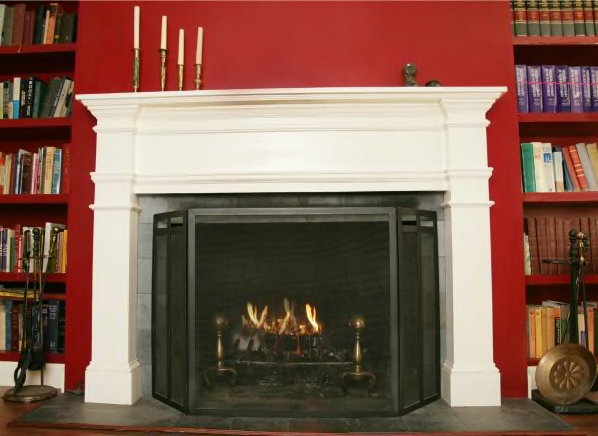
Q. Does smoke from fireplaces and wood stoves cause breathing problems?
A. Smoke particles can irritate airways and reduce lung function, leading to difficulty breathing and asthma attacks. Children, older people, and those with heart or lung disease are most vulnerable.
The Environmental Protection Agency warns that tiny particles in wood smoke can also increase the risk of stroke, heart attack, heart failure, and irregular heartbeat.
To remedy this, burn only untreated, thoroughly dried wood. And for cleaner air, use a clean-burning gas or wood stove. Older uncertified wood stoves release 15 to 30 grams of smoke particulates per hour (g/h), but new EPA-certified stoves produce just 2 to 7 grams of smoke per hour. Look for the EPA white certification label on the back of the stove before buying. A lower g/h rating means a cleaner, more efficient wood stove.
Conventional fireplaces emit about 50 grams of smoke per hour. If you prefer a fireplace, consider buying one that is qualified by the EPA's Wood Burning Fireplace Program.
Find out what to look for when buying a pellet or wood stove and learn more about how to choose an air purifier.
A version of this article also appeared in the November 2014 issue of Consumer Reports on Health.


 Build & Buy Car Buying Service
Save thousands off MSRP with upfront dealer pricing information and a transparent car buying experience.
 Get Ratings on the go and compare
while you shop


