How to Limit Your Exposure to Concerning Additives and Contaminants in These Popular Snacks
CR’s experts calculated recommended limits for snack-aisle staples from Cheetos, Jell-O, Hostess, and other popular brands


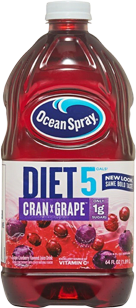
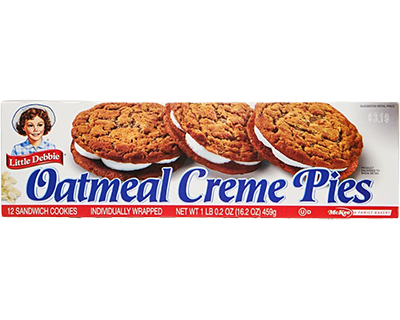
Takis Fuego. Little Debbie Oatmeal Creme Pies. Gushers. Grape Kool-Aid. These are among the products that, according to a new investigation from Consumer Reports and Yuka, contained more additives or contaminants in a single serving than the amount some public health agencies have identified as safe to consume daily over a lifetime.
We analyzed over 120 samples of 40 popular processed foods to determine the average amount of eight additives and two contaminants present across multiple lots. Substances in both categories have been linked to harmful health effects at certain levels of exposure. But companies in the U.S. are not required to disclose the specific amounts present in their products.
So a team of scientists compared the levels of additives and contaminants detected with key safety thresholds, including safe daily intake levels set by U.S. and European public health agencies, and adverse effect levels identified in peer-reviewed scientific studies.
CR’s scientists then calculated a “hazard quotient,” or the level below which no adverse health effects would be expected to occur, for each of the 10 substances, taking into account a lifetime of exposure.
In all, 11 products exceeded this level of concern for adults, and 14 for children. “Our findings support the notion that ultraprocessed foods should not be part of a regular diet and should only be consumed occasionally, if at all,” says Eric Boring, PhD, the CR chemist who oversaw this testing project.
Tell FDA: Cut the chemicals
Sign CR’s petition to limit dangerous additives in our food.
Boring and the other scientists on CR’s testing team also calculated recommended consumption limits for all of the products that exceeded our level of concern. Some are okay to have a few times a week but not every day, while others should be limited to at most a few servings a month, he says. Some limits vary by age.
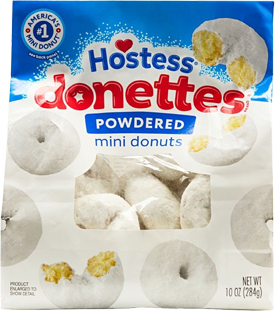
The limits are designed to help frequent consumers reduce their exposure to the eight additives and two contaminants we analyzed, and should not be conflated with nutritional guidance. The limit for the Hostess Donettes Mini Powdered Donuts—one serving per month—for example, does not imply that eating them within that guideline is nutritionally advisable. It means only that doing so will keep your exposure to glycidyl esters and titanium dioxide within the levels CR’s experts consider acceptable over the long term.
It’s also important to understand that these limits are based on manufacturer-defined serving sizes, which vary dramatically from company to company and might not reflect typical portions. For instance, a serving of Takis Fuego is only about 12 chips, or 1 ounce—less than some mini and snack-sized bags—and a serving of Kool-Aid Grape Liquid Drink Mix is half a teaspoon, or about 1/19 of the small squeezable bottle.
Recommended Limits for Children
Limit Consumption (Don't Eat Them Every Day)

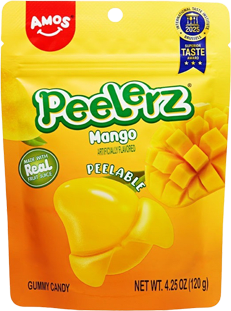


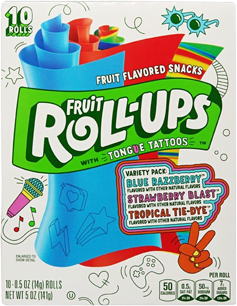
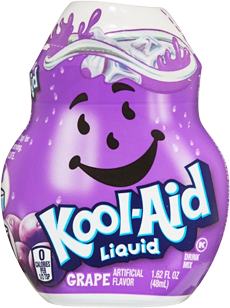
Consume Occasionally (at Most a Few Times a Week)

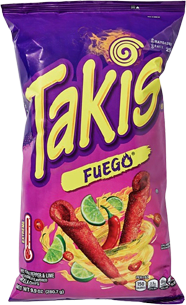

Consume Very Rarely (at Most a Few Times a Month)


Recommended Limits for Adults
Limit Consumption (Don't Eat Them Every Day)
Consume Occasionally (at Most a Few Times a Week)
Consume Very Rarely (at Most a Few Times a Month)
The limits above are derived from CR’s calculations of how much of a given additive or contaminant someone would be exposed to if they consumed one serving daily. We then divided this number by the corresponding safety threshold—how much you can safely have per day—using standard body weight assumptions for adults and children where applicable. (For more information on these calculations, see our methodology.)


