We Found Harmful Contaminants in Most of the Kids' Snacks We Tested, but Some Better Options, Too
Consumer Reports tested 21 popular kids' snacks and found some options parents may want to limit, and some that are lower in harmful chemicals than others


When you’re a parent, you dole out what feels like 1,000 snacks a day to hungry kids. And while you may check the Nutrition Facts panel and ingredients list on your kids’ favorite packaged snacks to learn what you’re giving them, that tells only part of the story. Process contaminants like acrylamide, as well as heavy metals and chemicals from packaging, can end up in foods, and there’s no warning label to let you know just how much you might be getting.
That’s why Consumer Reports evaluated 21 popular kids’ snacks for process contaminants, phthalates, and heavy metals. CR had previously identified chemical contaminants in common snacks and decided to look more closely at popular packaged snacks for kids to help parents make more informed decisions.
Some of the results were troubling: For example, 14 of 21 products were found to have concerning levels for at least one contaminant. But some good news emerged from the testing process as well. Many snacks we tested contained no or very low levels of contaminants, and almost all of the products tested had non-detectable levels of heavy metals. Seven products had all contaminants tested below levels of concern.
While parents lean on ultraprocessed snack foods for their convenience and taste, many wouldn’t be totally surprised to learn that the packaged snacks kids love can contain chemicals and additives. However, even some “healthier” and organic options we tested contain contaminants in amounts that raise concerns.
Contaminants in Kids’ Snacks: What CR Tested For, and Why
Foods marketed to children have been shown to have heavy metals, acrylamide, and phthalates in recent CR testing. There are also certain groups of foods, like fried potato chips and baked crackers, that tend to contain higher levels of process contaminants. CR wanted to test a larger group of foods that are frequently eaten by children.
With input we solicited from parents and CR community members, CR narrowed down the foods to 21 popular snacks for kids, including bars, seaweed snacks, yogurt pouches, crackers, puffs, pretzels, fruit snacks, chips, cheese, applesauce, and meat sticks. They were sent to an accredited laboratory for testing, including two to three samples from unique lots.
The lab analyzed the products for multiple contaminants, including acrylamide, phthalates, heavy metals, 3-MCPD, glycidyl esters (GE), and sodium nitrate. CR then compared the results with health-based guidelines to contextualize the numbers and provide guidance on servings per day that exceeded or came in under those limits. A Hazard Quotient (HQ) was established for arsenic, 3-MCPD, sodium nitrate, and the phthalates DBP, DiBP, and DEHP by looking at the amount of exposure in a serving of food and dividing that by the recommended exposure limit. We refer to that HQ as CR’s level of concern.
It’s important to note that while the health-based guidelines CR used take into consideration consumers’ average exposure over time as well as dietary frequency to calculate whether a product exceeds those limits, Consumer Reports assumes one label serving a day of the product in its risk assessment calculations. This difference in methodology means no legal judgments can be made from CR’s findings. Our results are meant to provide guidance on which products have comparatively higher levels of contaminants, not to identify the point at which contaminant exposure will have measurable harmful health effects or to assess compliance with a law. For more information, see our testing methodology (PDF) and full results (PDF).
What We Found and Potential Health Risks

Photo: Scott Meadows/Consumer Reports Photo: Scott Meadows/Consumer Reports
Acrylamide
What it is: Acrylamide is a chemical used in paper and plastics production. It can also form naturally in certain foods when they are heated. If you love a golden brown piece of toast or an extra crispy potato, you may have experience with the Maillard reaction: the browning created when sugars react with amino acids in certain starchy foods. While this process benefits the flavor of foods, acrylamide is also created as a byproduct, especially when certain food is fried, roasted, or cooked at high temperatures.
“High doses of acrylamide have been linked to some cancers in laboratory animals,” says Michael Glazier, MD, FAAP, a board-certified pediatrician and chief medical officer at Bluebird Kids Health. In animal studies, acrylamide has been shown to be a neurotoxin that can also cause cancer and have adverse effects on male reproduction. But any evidence of a link between dietary acrylamide and cancer or other health effects in humans remains limited and inconsistent. The Environmental Protection Agency and the International Agency for Research on Cancer have classified acrylamide as a probable human carcinogen. Glazier says, “The doses affecting laboratory animals are generally much higher than what is consumed in foods, but nonetheless it raises the concern that, especially in children, continued exposure to this chemical may increase the lifetime risk of cancer.”
Where it comes from: The main sources of exposure to acrylamide are cigarette smoke and foods. Starchy foods cooked to high temperatures, including french fries, potato chips, cookies, bread, and crackers, are some of the biggest dietary contributors. It can also be present in coffee, prune juice, and cereals. Smoking is a much bigger source than the foods we eat. Acrylamide levels are regulated in drinking water by the EPA and in the workplace by the Occupational Safety and Health Administration (OSHA). In 2016, the Food and Drug Administration offered guidance for food companies and manufacturers to help reduce the amount of acrylamide in the food supply, but it does not set strict limits to how much can be in food.
What we found: Acrylamide was found in 13 of 14 products tested. Based on the levels we found, our experts recommend limiting these snacks to an occasional treat (for specific product-level recommendations, see our chart).
Tips for reducing exposure: In addition to reducing consumption of the foods that are a source of acrylamide, there are other ways to help reduce your exposure. Try not to over-brown your toast or potatoes in the toaster or oven. Boiling and steaming potatoes produce little or no acrylamide, while frying and roasting produce more. Soak your potatoes in water for 15 to 30 minutes before roasting. Always store potatoes in a cool, dark pantry—not the refrigerator. Eat less of the foods highest in acrylamide, including french fries, potato chips, toast, coffee, crackers, and cookies. Glazier recommends air-popped popcorn (for children over 4) and steamed potatoes instead of potato chips and french fries.
Explore acrylamide results from our testing below.
3-Monochloropropanediol (3-MCPD)
What it is: 3-MCPD is a contaminant that can occur in food when oils are processed and heated to high temperatures or when certain vegetable oils are refined. “Animal studies show prolonged exposure to MCPD can damage the kidneys. While this has not been shown in human studies, the concern has been raised [that] prolonged exposures may increase risk,” says Glazier.
Where it comes from: “MCPD esters are process contaminants, meaning they can form unintentionally during the high-temperature refining of some oils, especially palm and vegetable oils, and may be present in foods made with those oils,” says Dani Lebovitz, MS, RDN, a pediatric dietitian and founder of Kid Food Explorers.
What we found: Though half of the products tested contained 3-MCPD, none of them exceeded our level of concern.

Photo: Scott Meadows/Consumer Reports Photo: Scott Meadows/Consumer Reports
Glycidyl Esters (GE)
What it is: “Like MCPD esters, glycidyl esters are process contaminants, meaning they can form unintentionally during the high-temperature refining of some oils,” says Lebovitz. Once ingested, they are almost entirely converted into glycidol, a probable human carcinogen, and scientists regard exposure to glycidyl esters as exposure to an equivalent amount of glycidol.
Where it comes from: Vegetable oils and products made from vegetable oils. FDA scientists have determined that the highest concentrations of GE are found in refined palm oil.
What we found: Glycidyl esters were found in 11 of 14 products, and seven of those exceeded our level of concern: Nature Valley Crunchy Granola Bars Oats ‘n Honey, Annie’s Organic Cheddar Bunnies, Gimme Roasted Seaweed Snacks Sea Salt, Lay’s Classic Potato Chips, Doritos Nacho Cheese Tortilla Chips, Takis Fuego Rolled Tortilla Chips, and Clif Zbar Chocolate Chip.
The food industry doesn’t have set limits on the amount of GE that can be in most foods, but there is guidance from the World Health Organization (WHO) and the Food and Agriculture Organization of the United Nations (FAO) to reduce levels during the production and processing of refined oils. One exception is infant formula: Because vegetable oils are a major component in infant formulas, the FDA says it has worked closely with formula companies to measure levels and help reduce the amounts of GE.
Tips for reducing exposure: Serve processed foods made with refined oils less often, especially palm oil. Choose whole foods and minimally processed foods more often, and avoid deeply browning foods that you’re frying or baking at home.
Explore glycidyl esters results from our testing below.

Photo: Scott Meadows/Consumer Reports Photo: Scott Meadows/Consumer Reports
Phthalates
What it is: Phthalates are a group of chemicals found in plastic products. They include different chemicals, including DEHP, DCHP, DIOP, DNOP, and DINP. There are currently nine phthalates that can be used in products with food contact, such as packaging. Phthalates are considered endocrine disrupters that may affect risk for insulin resistance and have been linked to obesity and problems with neurodevelopment, among other health effects.
“The concerns from phthalate exposure center on their possible effects on hormone systems, including hormones involved in the onset of puberty,” says Glazier. Lebovitz says there may also be associations with asthma and eczema. “Children often have higher exposure relative to their body weight because they’re still growing and developing and are exposed in multiple ways, including food, household dust, and normal hand-to-mouth behaviors,” she says.
Where it comes from: “Phthalates, including DEHP, are chemicals used in a wide range of products from clothing, cosmetics, and toys to medical supplies, and food packaging, so exposure can come from many parts of a child’s everyday environment, not just the foods they eat,” Lebovitz says. The phthalates in foods likely come from packaging or processing. DEHP is also found in water, soil, and dust.
What we found: Ten of the 21 products tested by CR had measurable levels of phthalates, but only three exceeded CR’s level of concern: Annie’s Organic Cheddar Bunnies, Slim Jim Mild Snack Size Sticks, and Clif Zbar Chocolate Chip. Our experts recommend limiting servings of these snacks to a rare treat.
Tips for reducing exposure: Glazier recommends using glass storage containers over plastic and never heating foods in plastic containers to help cut down on phthalates in snacks.
Explore DEHP results from our testing below.
Take Action
Tell General Mills to get phthalates out of its food products, including Annie’s Cheddar Bunnies. Sign the petition.
Heavy Metals
What they are: Heavy metals include mercury, lead, and cadmium, and the toxic metalloid element arsenic. While heavy metals are naturally found in the soil, industrial and manufacturing processes have contributed to higher levels of these contaminants in a variety of products we consume. “Lead is a neurotoxin and can negatively affect the brain, and cadmium can damage kidneys,” says Glazier. “Lead is the heavy metal we worry most about in children because no level of lead exposure has been identified as completely risk-free, and even low levels over time can affect developing brains,” Lebovitz says. Lead toxicity at low levels can cause trouble learning, behavior changes, and a low IQ. Higher levels of lead exposure may lead to fatigue, stomach pain, and vomiting.
Where they come from: Exposure can come from food, water, air, and products made with heavy metals. “Food is a major exposure of heavy metals like lead and cadmium because they are environmental contaminants entering crops and foods from soil, water, air, and manufacturing,” Lebovitz says. Outside of cigarette smoke, food is the biggest source of cadmium exposure.
What we found: None of the products tested had concerning levels of arsenic or lead. Mercury was non-detectable in the products we tested. Cadmium was measured in 15 out of the 21 food products, but only Gimme Roasted Seaweed Snacks Sea Salt exceeded our level of concern enough to warrant limiting consumption to an occasional treat.
While CR’s heavy metal results for kids’ snacks are reassuring, Lebovitz says that contaminants cannot be completely eliminated and suggests serving a variety of foods to reduce exposure.
Full Results From Our Testing of Kids’ Snacks for Contaminants

Chips and Crackers
-

Annie’s Organic Cheddar Bunnies
-
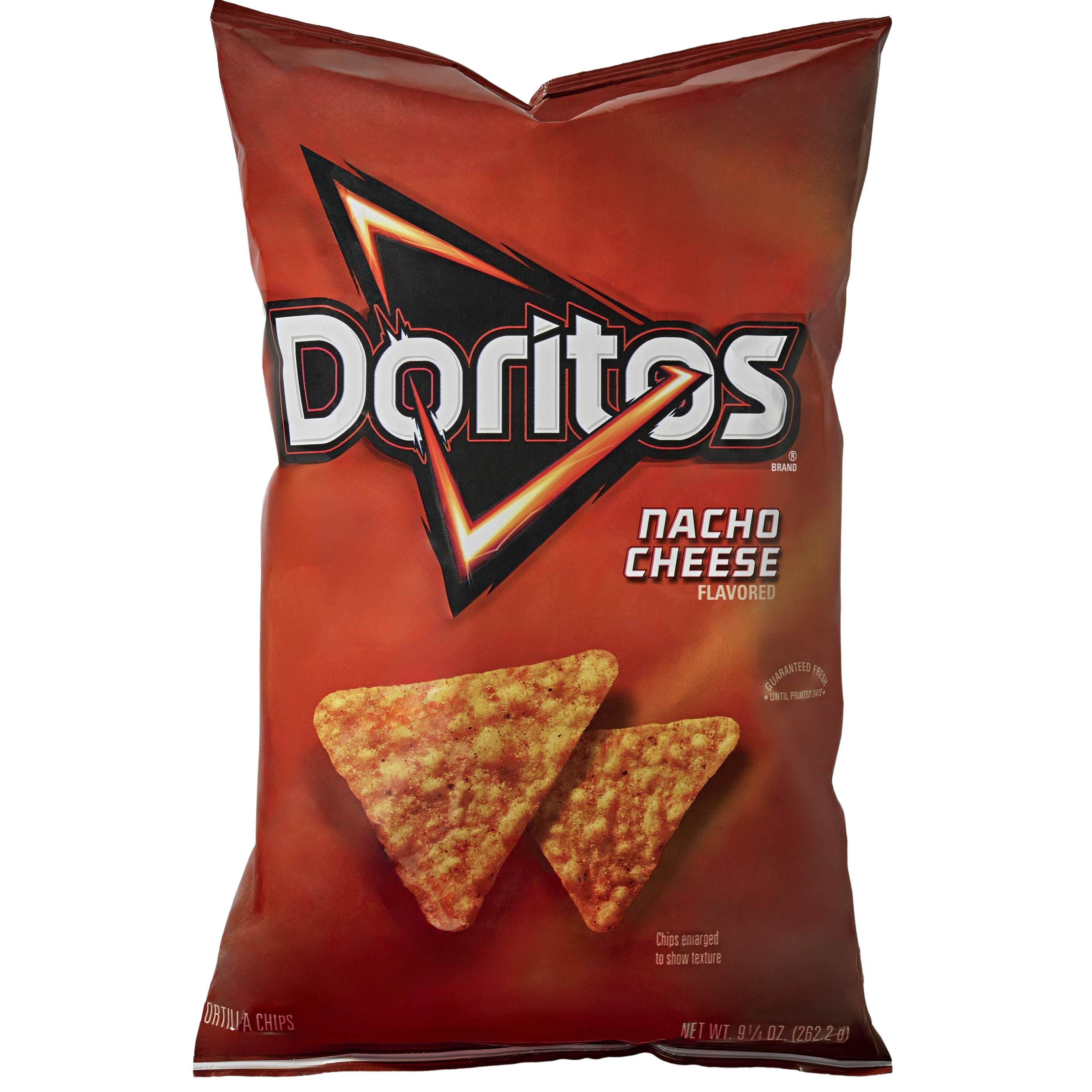
Doritos Nacho Cheese Tortilla Chips
-
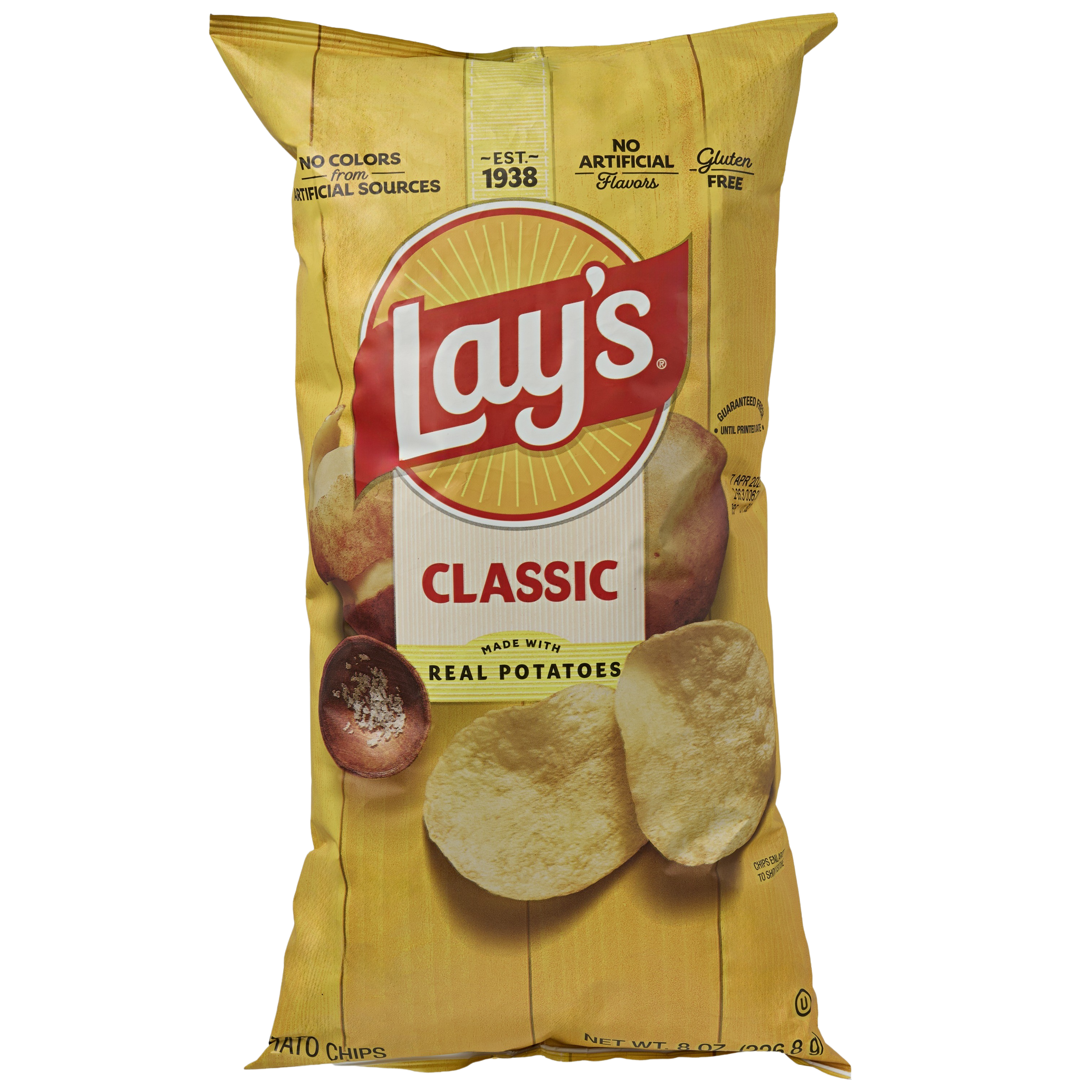
Lay’s Classic Potato Chips
-
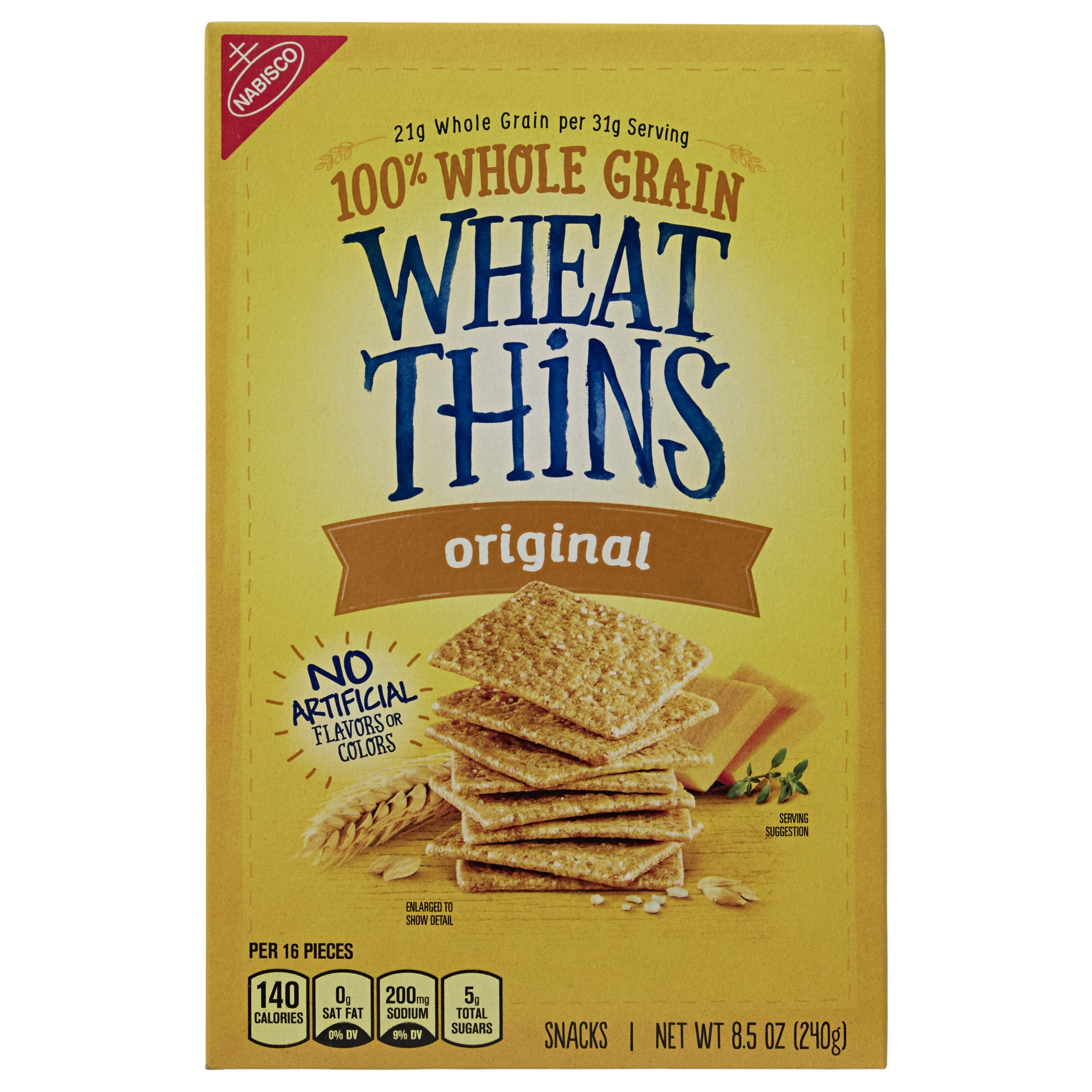
Nabisco Wheat Thins, Original
-
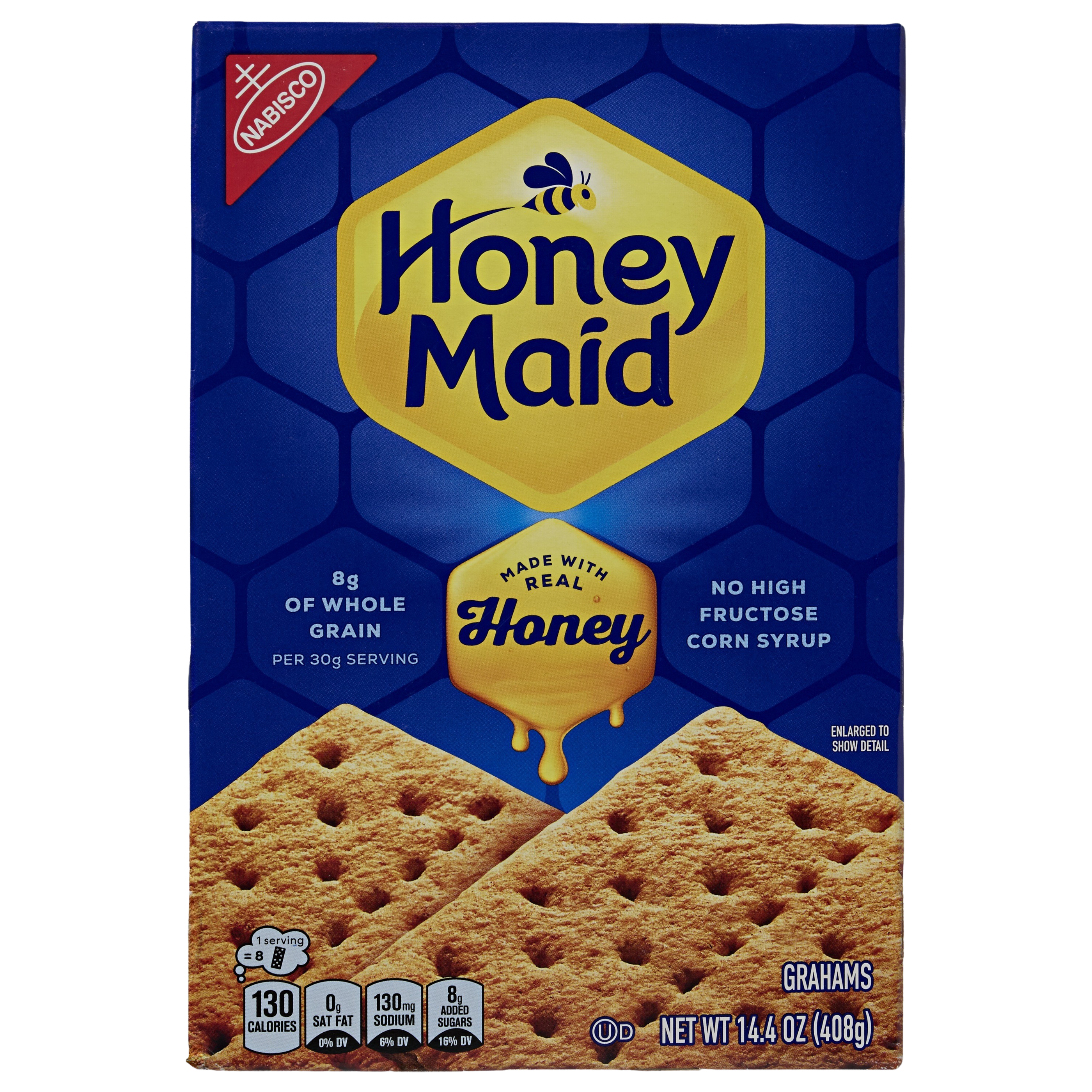
Nabisco Honey Maid Graham Crackers
-
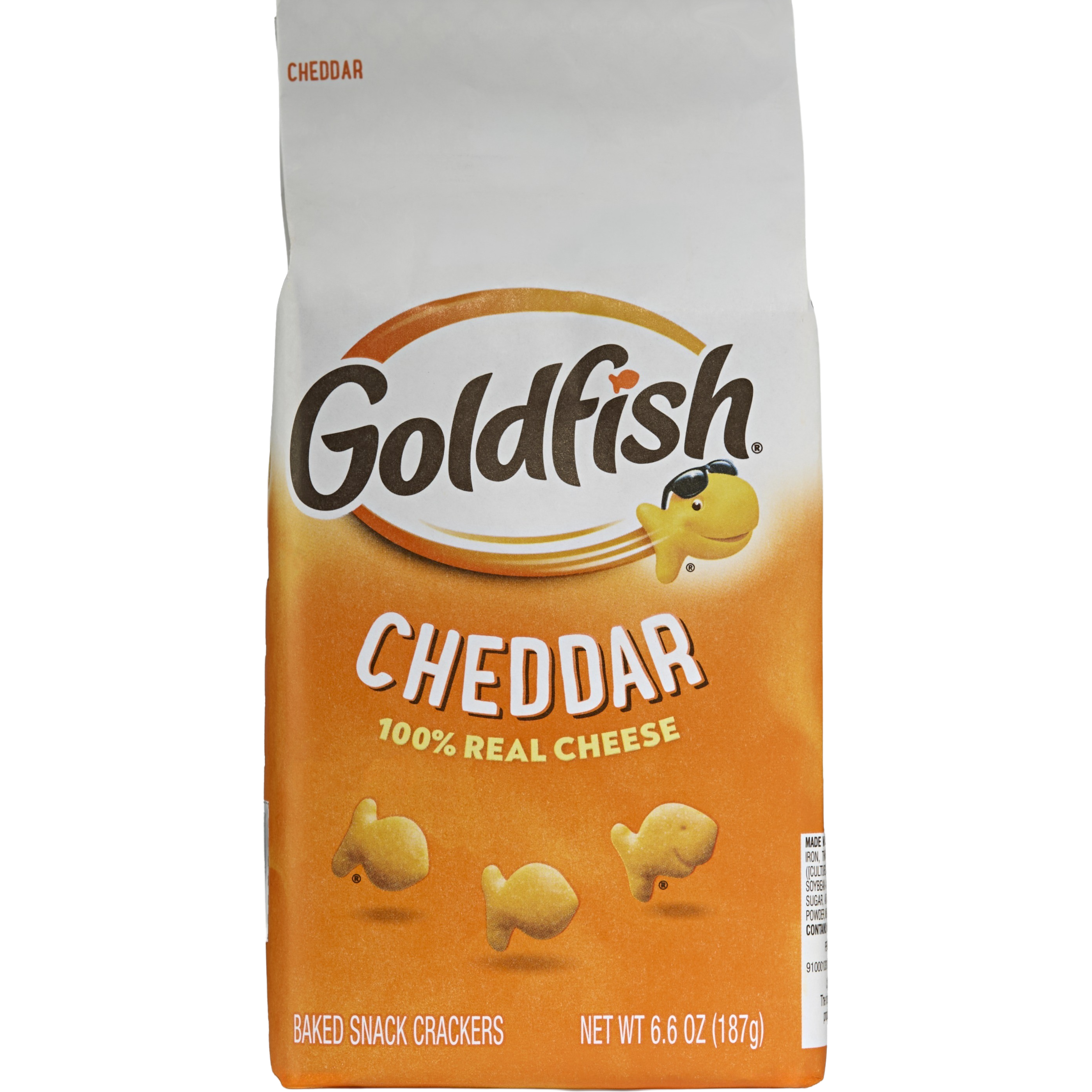
Pepperidge Farm Goldfish Cheddar Crackers
-
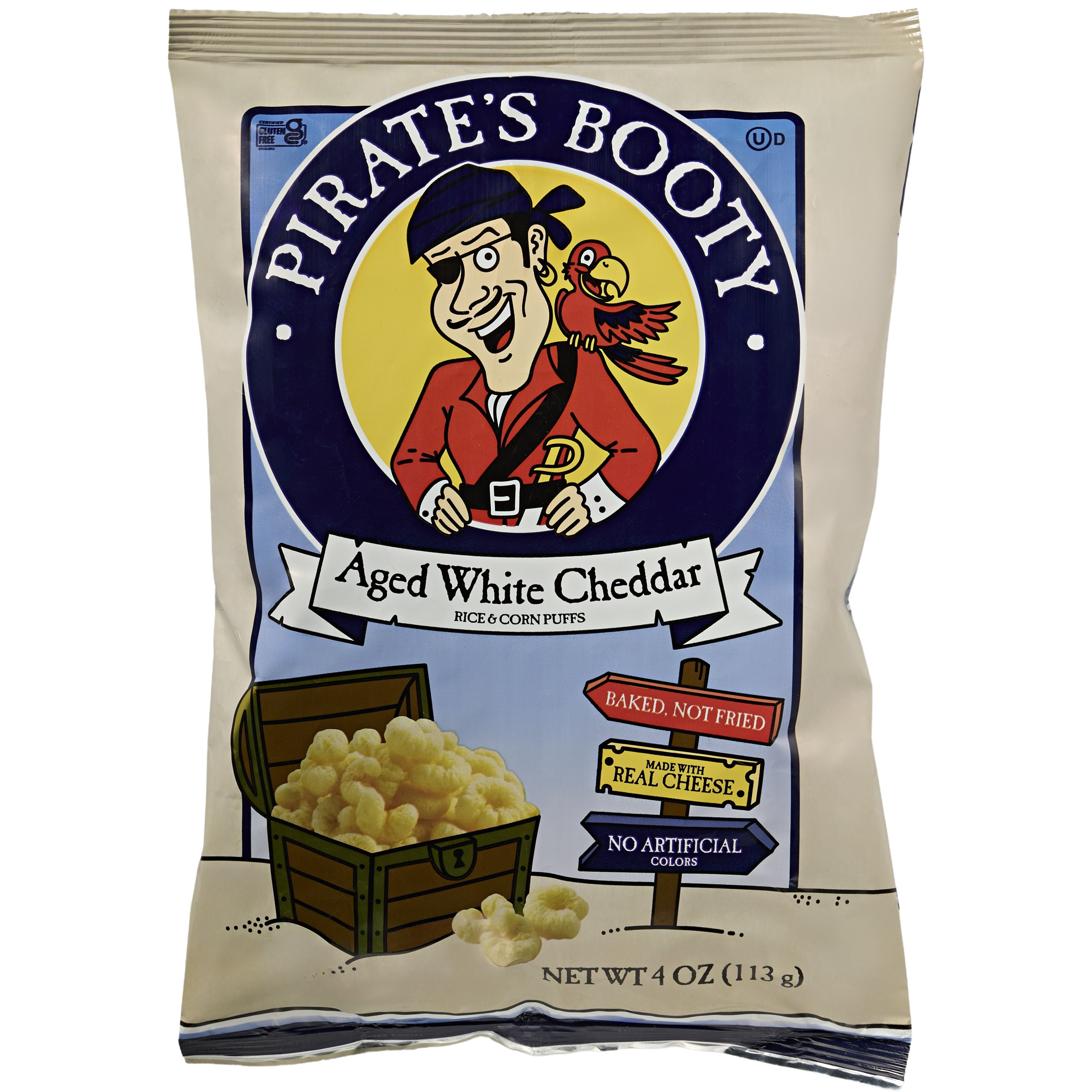
Pirate’s Booty Aged White Cheddar Rice & Corn Puffs
-
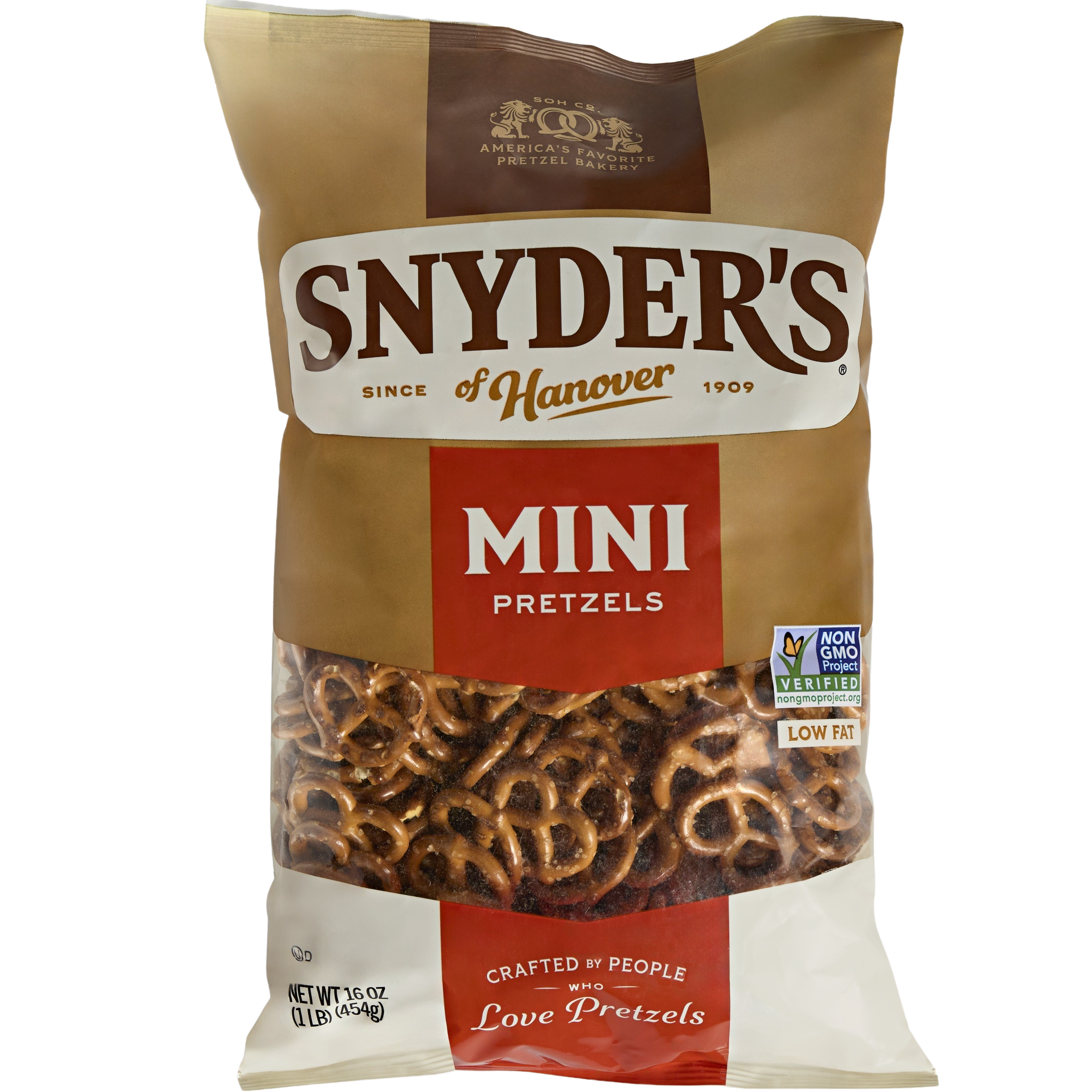
Snyder’s of Hanover Mini Pretzels
-
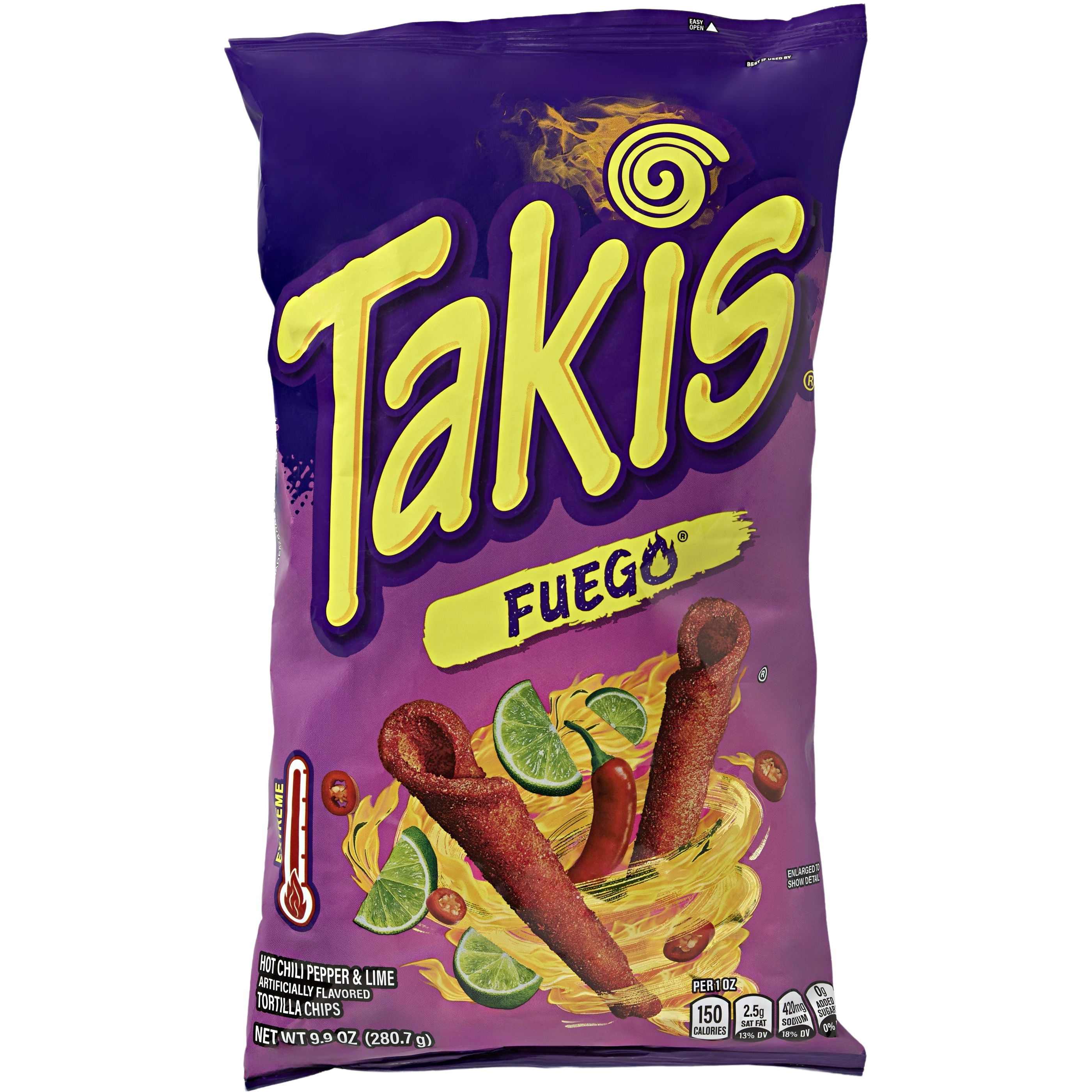
Takis Fuego Tortilla Chips
Dairy Snacks
-
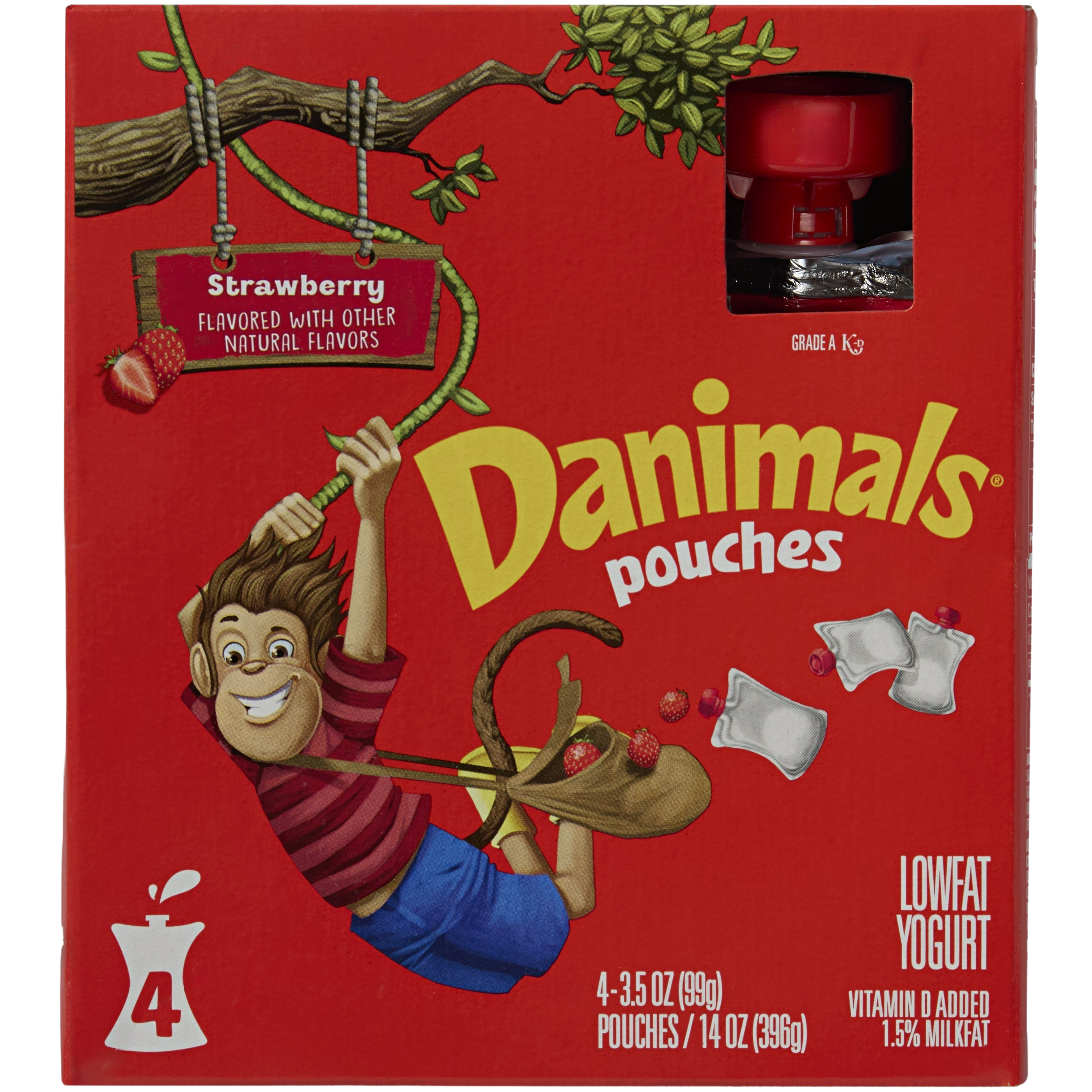
Dannon Danimals Pouches, Strawberry
-
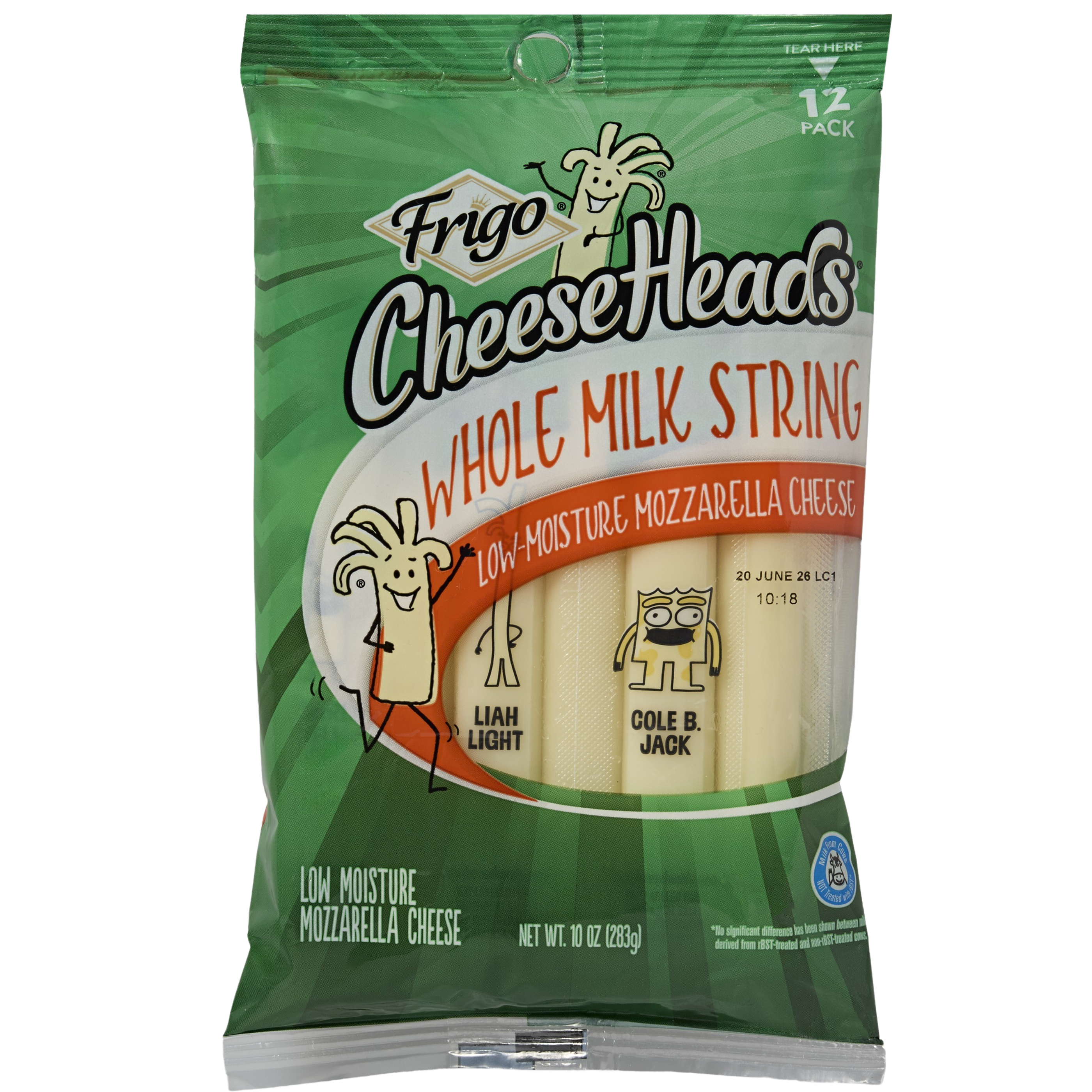
Frigo Cheese Heads Whole Milk String Cheese
-
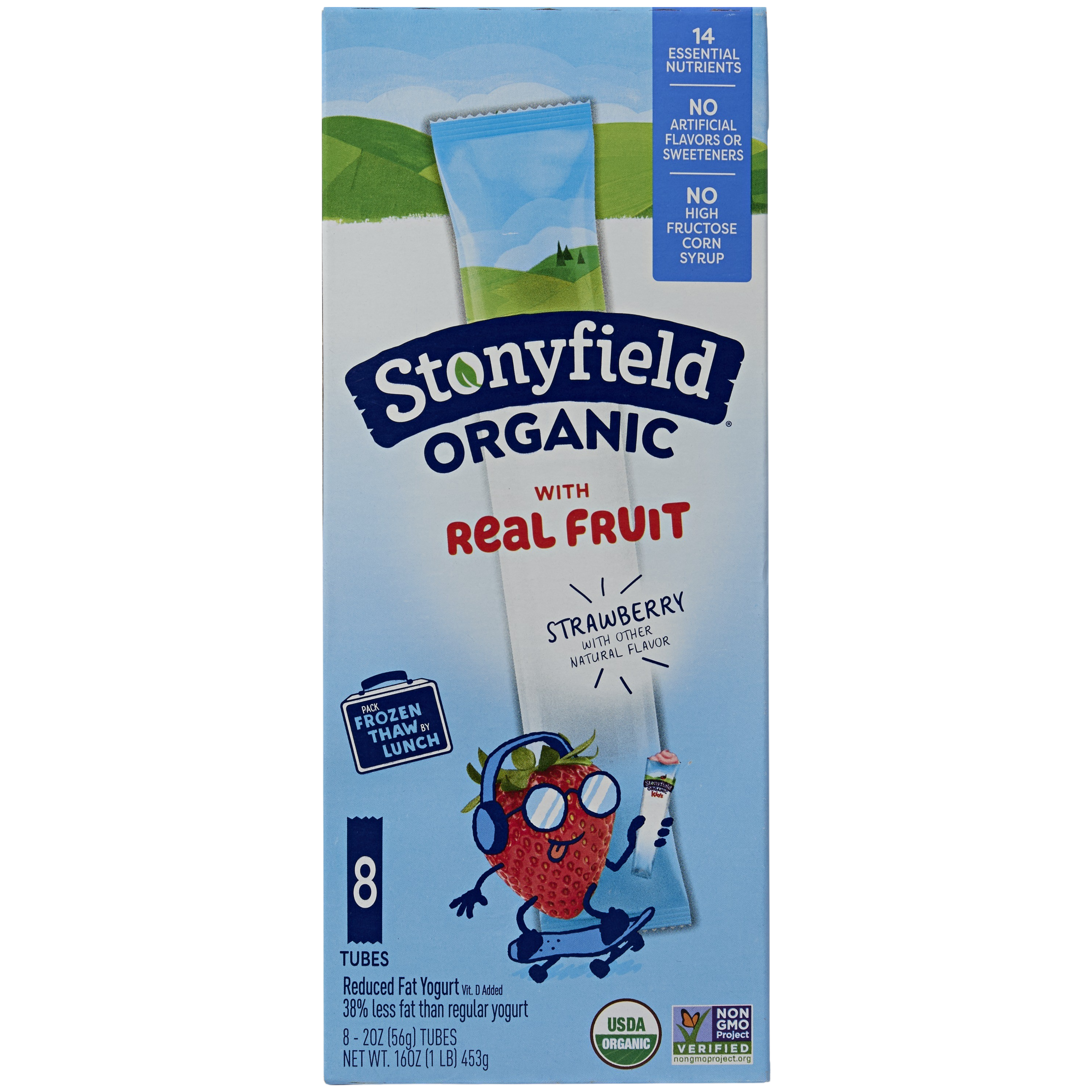
Stonyfield Organic Yogurt Tubes, Strawberry
Fruit Snacks
-
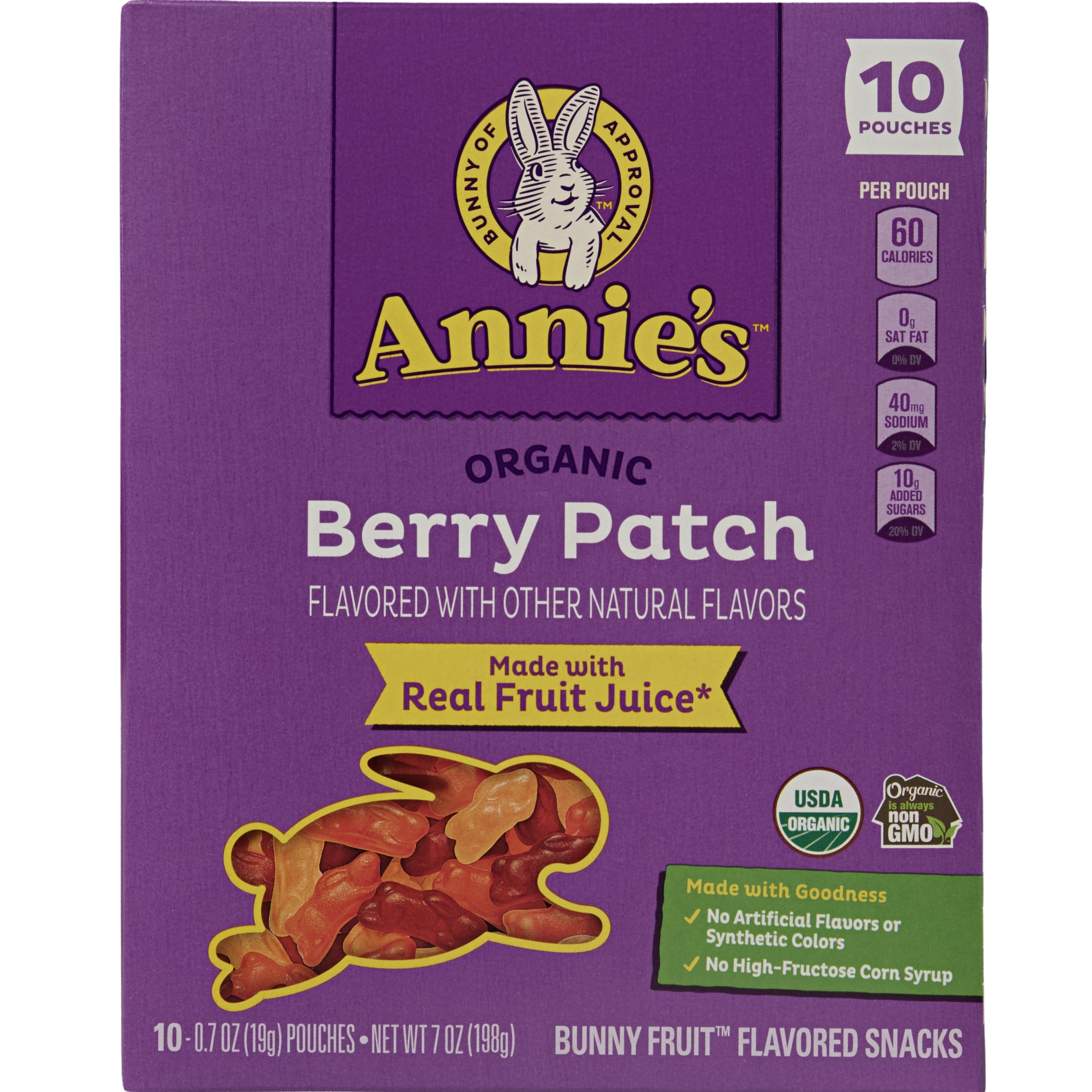
Annie’s Organic Fruit Snacks, Berry Patch
-
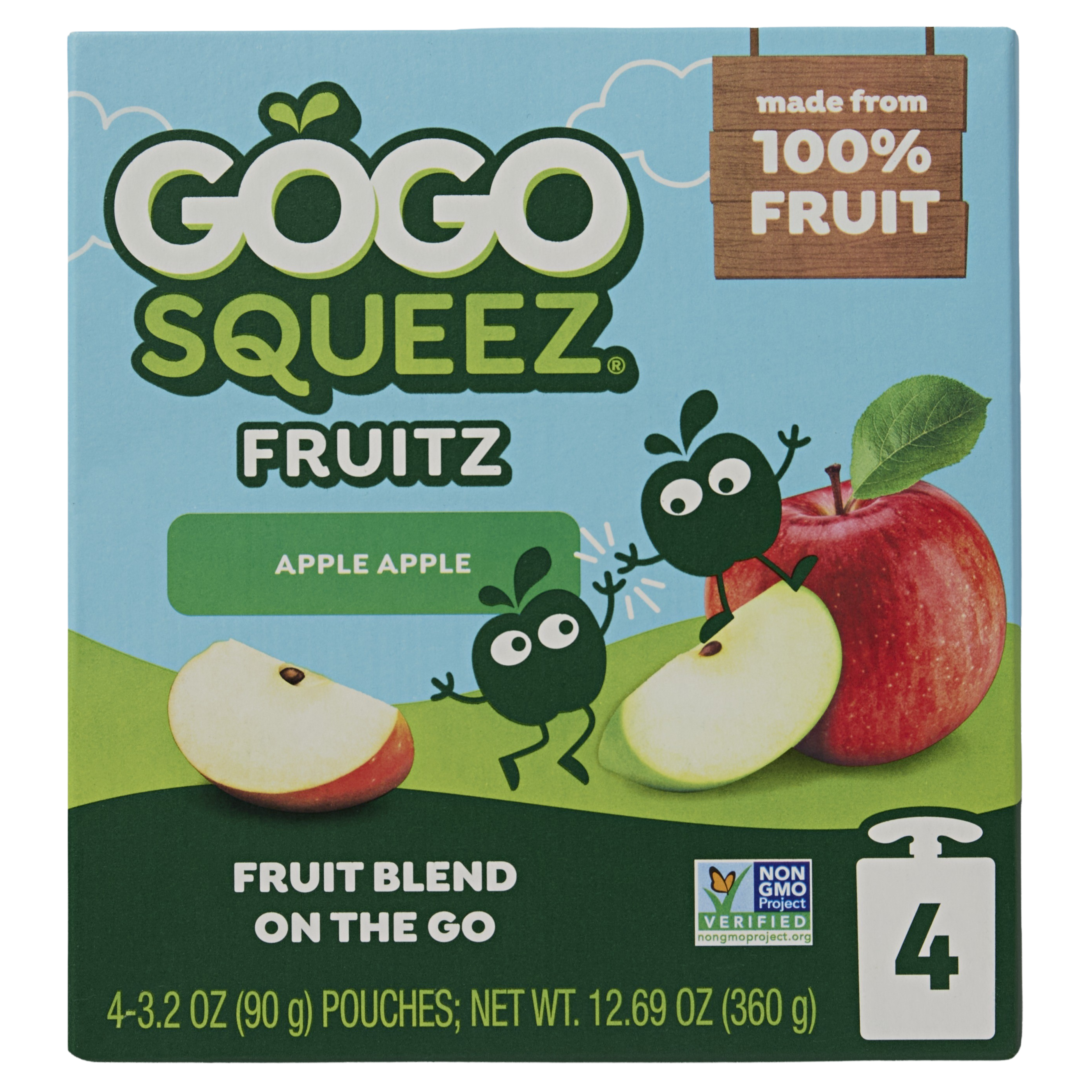
GoGo SqueeZ Fruitz Applesauce Pouch
-
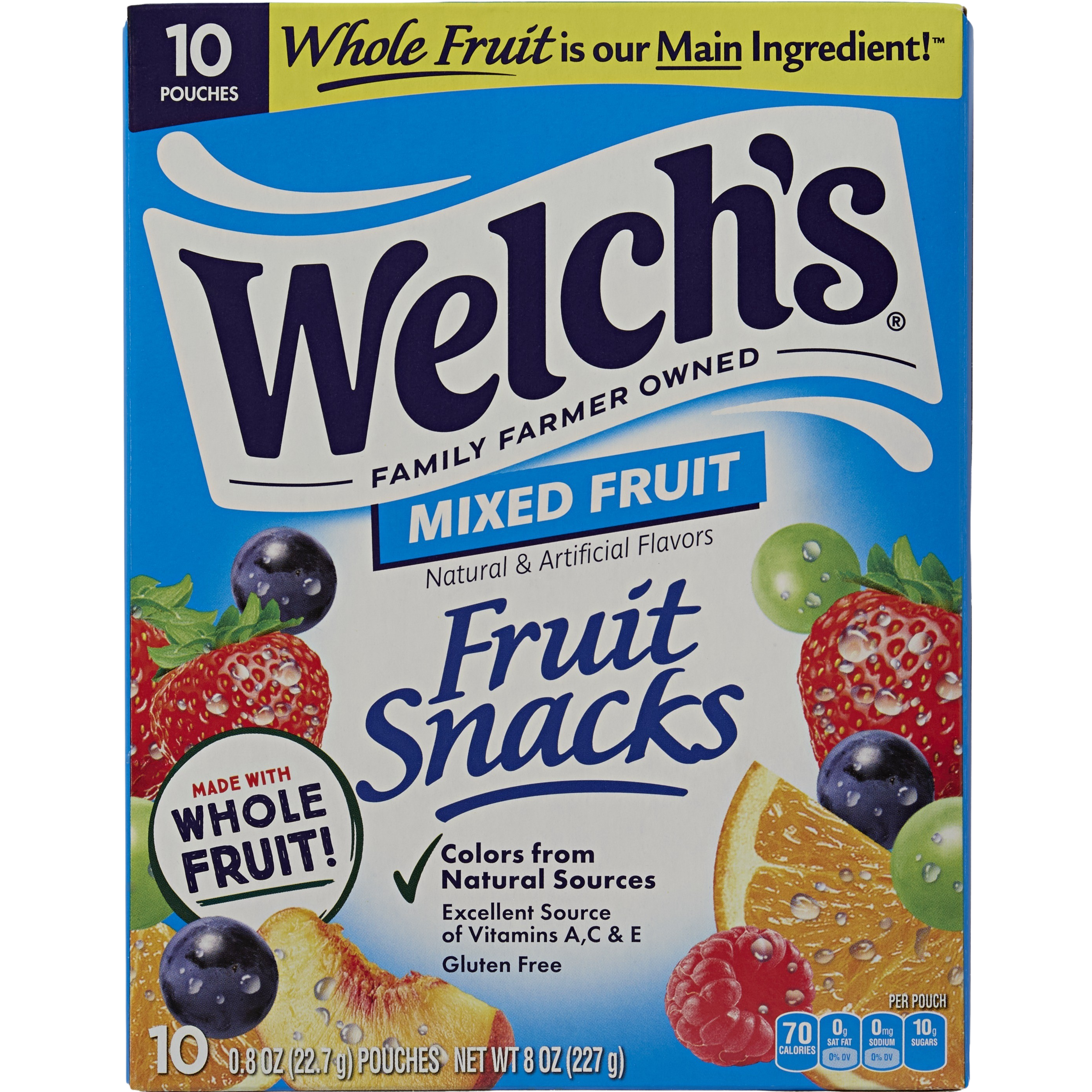
Welch’s Fruit Snacks, Mixed Fruit
Processed Meat
-
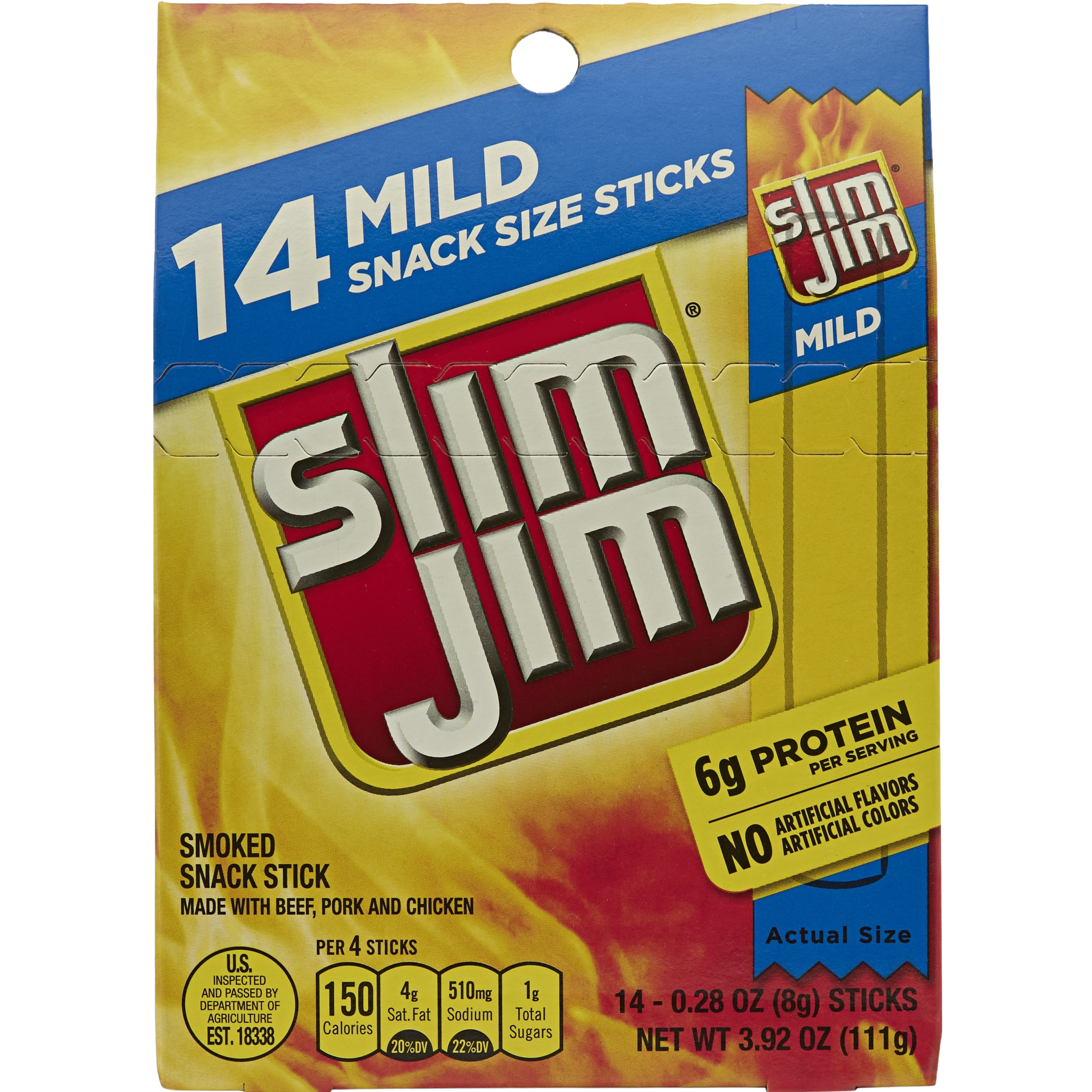
Slim Jim Mild Snack Size Sticks
Seaweed Snack
-
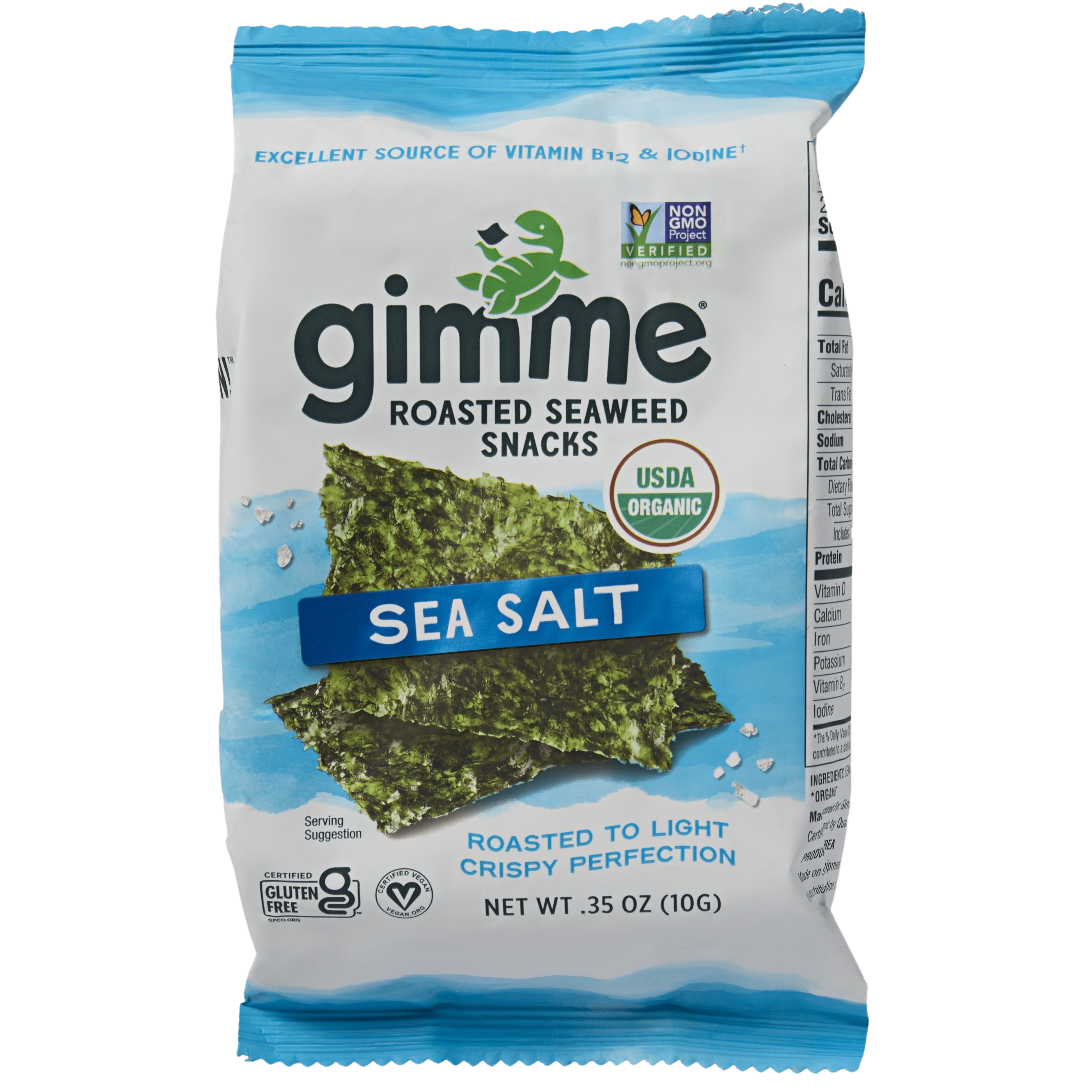
Gimme Roasted Seaweed Snacks, Sea Salt
Snack Bars
-
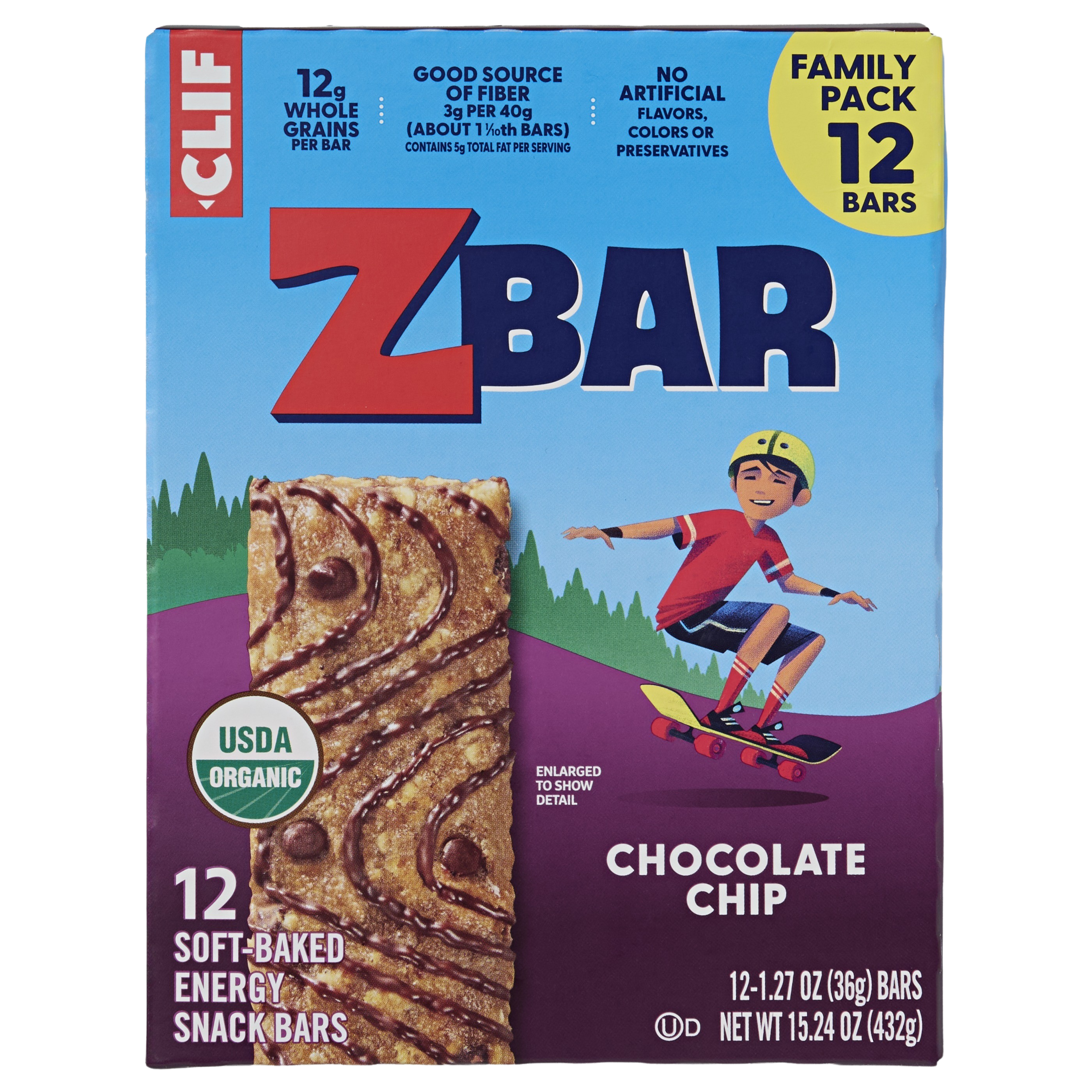
Clif Zbar, Chocolate Chip
-
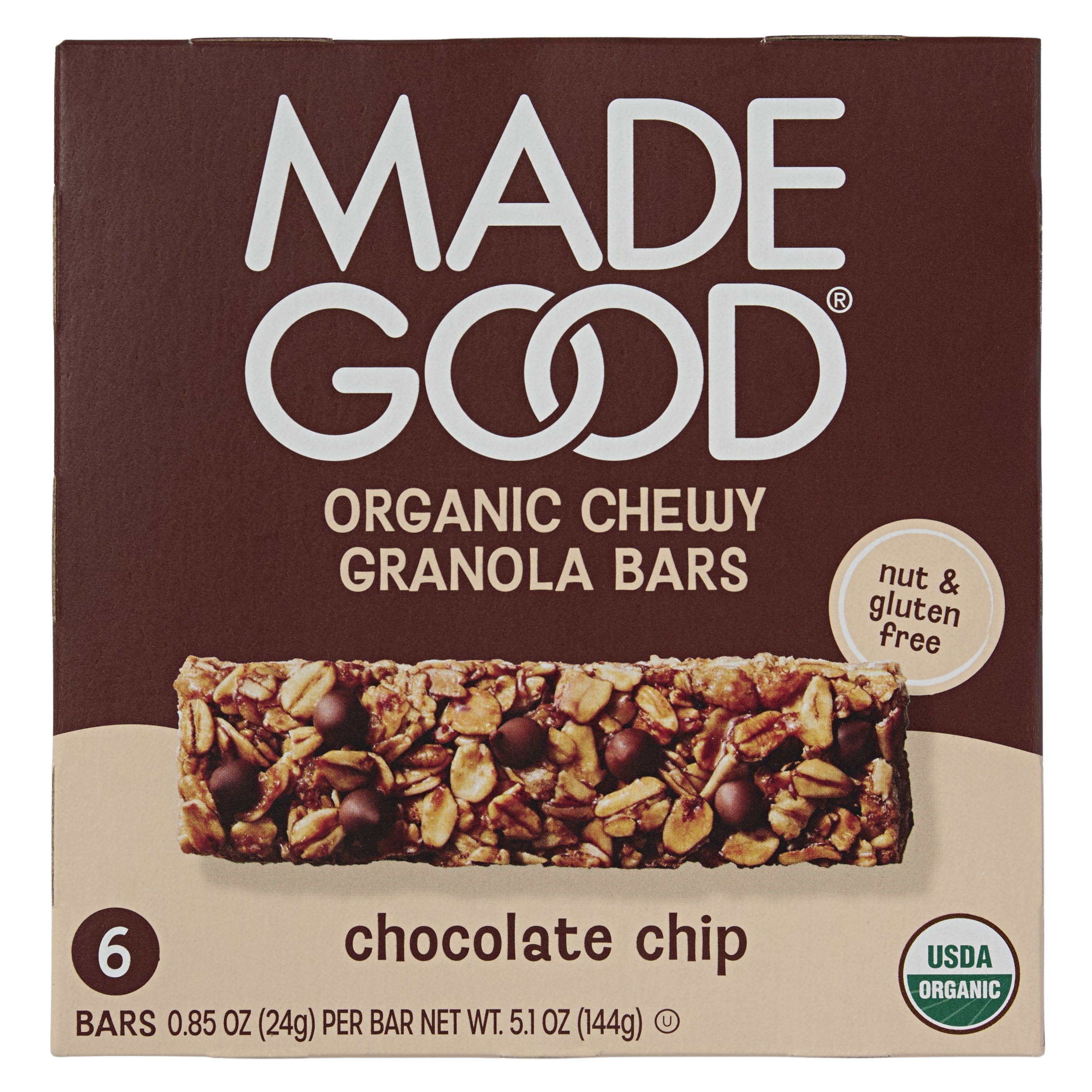
MadeGood Organic Chewy Granola Bars, Chocolate Chip
-
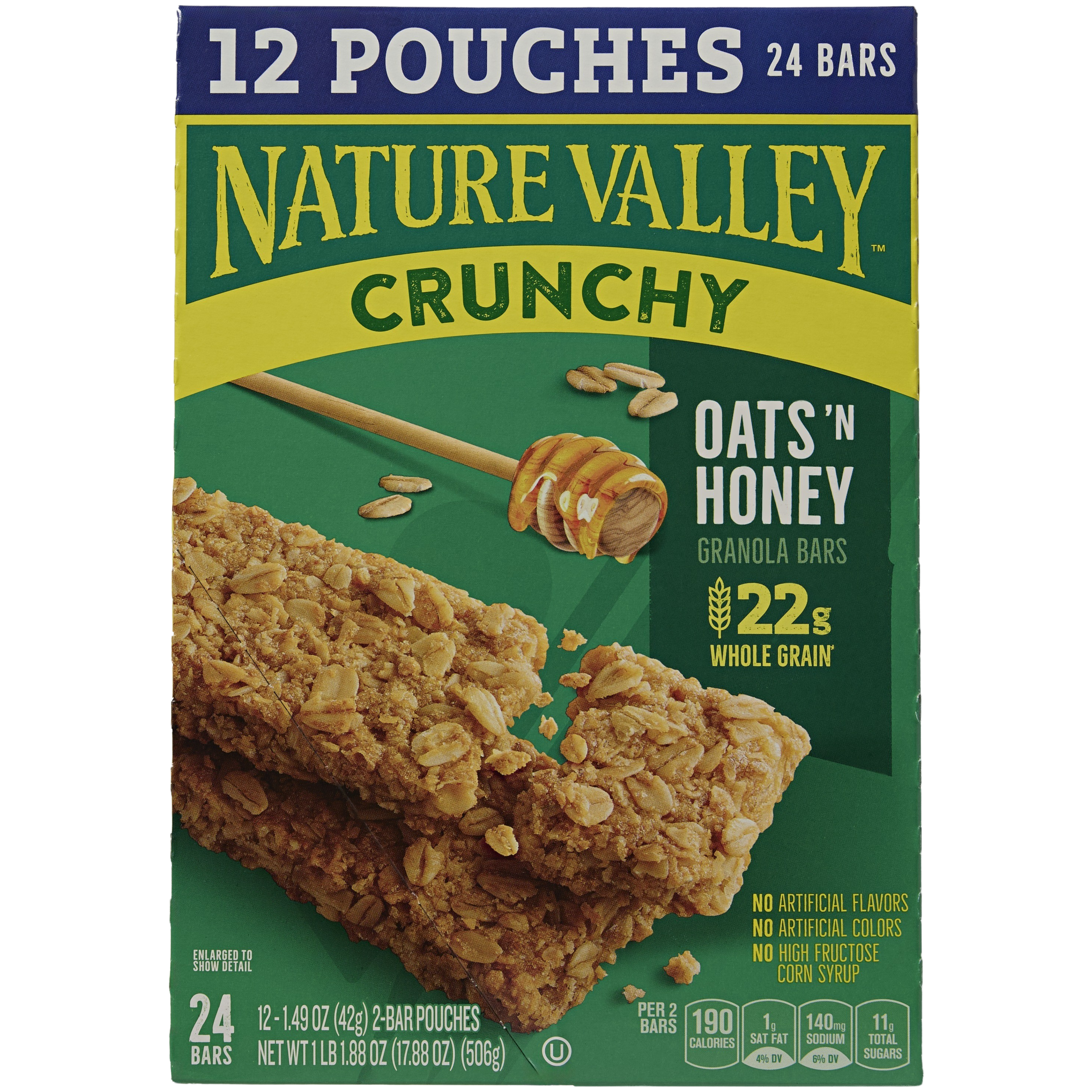
Nature Valley Crunchy Granola Bars, Oats ’n Honey
-
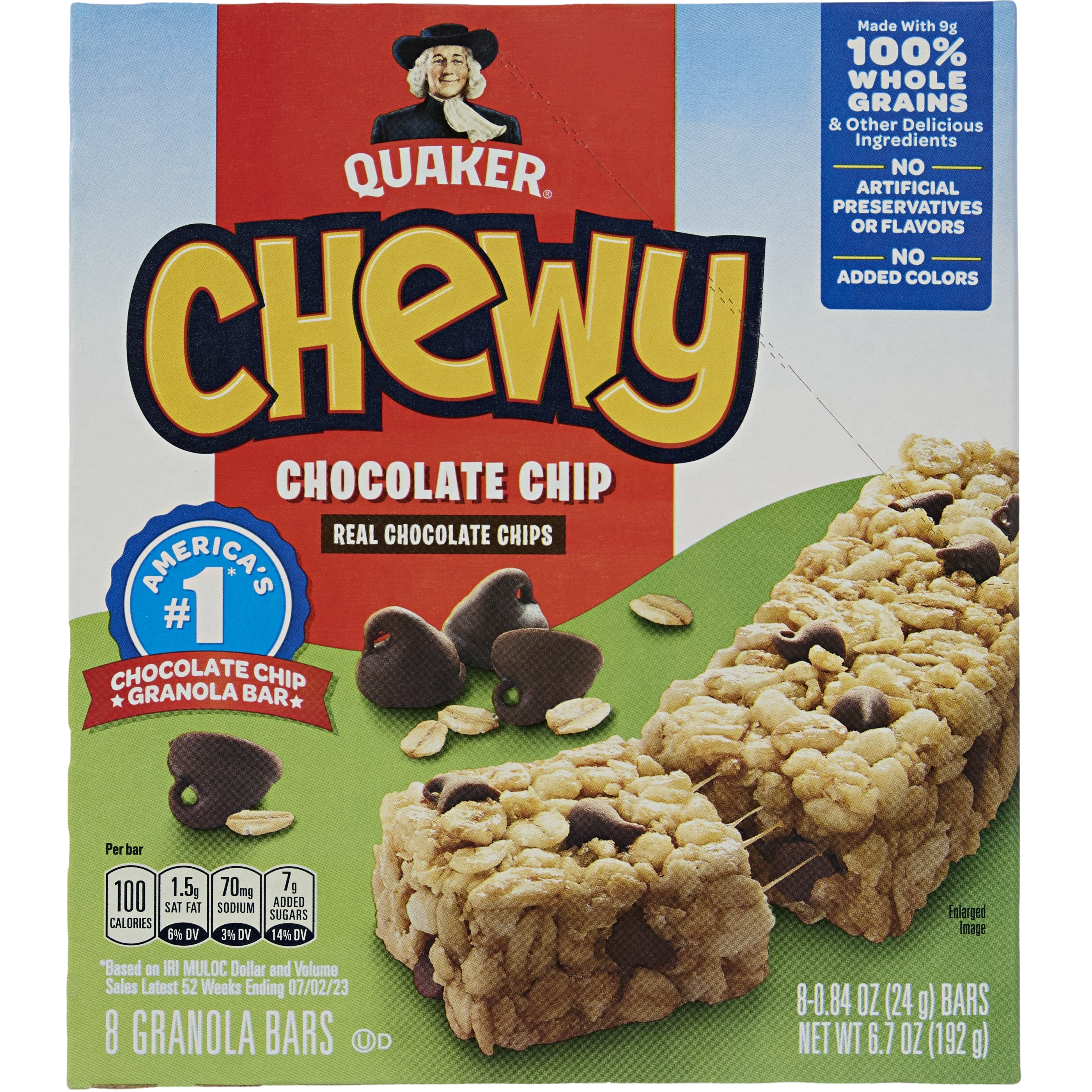
Quaker Chewy Granola Bars, Chocolate Chip
Recommended serving limits are based on CR’s testing for contaminants only, and do not reflect a product’s nutritional value. Parents may want to limit servings of these foods based on nutrition, potential allergens, dietary restrictions, and other health-based factors.
Companies Respond
CR shared its test results with all of the companies that produce the snacks we tested. We asked companies to provide information about how they test for contaminants in their products, and what steps they may be taking to measure or minimize harmful chemicals.
A spokesperson for Danone, which makes Dannon Danimals Yogurt Pouches (which did not contain concerning levels of any of the contaminants we tested for), told CR, “At Danone, product quality and safety are of the utmost importance and central to our mission of bringing health through food to as many people as possible. We work closely with our suppliers and manufacturing partners to assure quality and food safety standards for our ingredients and materials across our portfolio.”
A spokesperson for GoGo squeeZ Fruitz Applesauce Pouches (which did not contain concerning levels of any of the contaminants we tested for), told CR, “GoGo squeeZ products are regularly tested for quality to ensure that we provide safe, reliable, and nutritious snacks that families can trust. GoGo squeeZ Apple Apple and our other fruit and veggie pouches are made with real fruit, contain very few ingredients, and have no added sugars.”
Riverside, which makes MadeGood Organic Chewy Granola Bars, responded with detailed information about its testing and manufacturing processes. In our tests, MadeGood Organic Chewy Granola Bars contained acrylamide above our scientists’ level of concern. A Riverside spokesperson told CR, “Riverside has a rigorous quality assurance program that continuously reviews our ingredients and manufacturing processes to maintain the high standards consumers expect from MadeGood products, including our organic certification, allergy-friendly promise, and use of simple, recognizable ingredients.” Riverside told CR that the company monitors process contaminants based on ingredient and product risk. “For acrylamide, we make and bake our granola in our own facilities (acrylamide forms naturally when foods containing grains and sugars are baked, it’s a part of the natural browning process), allowing us to directly control the ingredients and processing conditions that influence its formation. In fact, the acrylamide levels reported here are well below recognized process-performance benchmark levels used in the United States and Europe. These benchmarks recognize that low levels of acrylamide are naturally formed during baking. We remain committed to reviewing new ingredients and processing opportunities that may further reduce acrylamide while preserving the organic, allergy-friendly, safe, and high-quality products our consumers rely on.” The company also told CR that it works to reduce phthalates by reviewing food-contact packaging, food-contact components, equipment materials, and processing aids to confirm they are suitable for their intended use and ensure they meet food contact requirements.
No other brands responded to CR’s repeated requests for comment, but Mondelez International, which produces Nabisco Honey Maid Graham Crackers, Clif Zbars, and Nabisco Wheat Thins, referred CR to the Consumer Brands Association for comment. The Consumer Brands Association is a national trade association that represents and lobbies on behalf of manufacturers of consumer packaged goods, like the packaged snacks we evaluated for this report.
Rhonda Bentz, executive vice president of public affairs for the CBA, told CR in a statement that “America has one of the safest and most highly regulated food systems in the world,” and disagreed with CR’s report. “Food and beverage manufacturers adhere to the rigorous, evidence-based safety standards established by the FDA, which is the national expert on the safety of America’s food supply, not Consumer Reports. Many of the substances highlighted in the report occur naturally in food, including fruits, vegetables and grains, or are formed during preparation.”
Consumer Reports’ scientists do not dispute that heavy metals such as lead and cadmium are naturally occurring, and that some preparation processes like baking or flash-frying naturally result in the formulation of acrylamide and GE. In analyzing the results of our testing for potential risks, CR uses established, protective, health-based exposure limits set by the Environmental Protection Agency and the California Office of Environmental Health Hazard Assessment.
In terms of evidence-based safety standards, the FDA does not have established maximum limits for most of the contaminants we evaluated in the foods we tested. Rather, it has established action levels or guidance for certain contaminants in specific foods. The agency has non-binding guidance around limits for acrylamide, GE, 3-MCPD, and heavy metals. While the agency continues to study the use of phthalates in food-contact materials, no changes to their authorized food-contact uses have been announced. In Europe, food manufacturers must take steps to reduce acrylamide to levels based on benchmarks set by the European Commission, following scientific advice from the European Food Safety Authority (EFSA).
What Parents Should Know About Contaminants in Kids’ Snacks
Testing results like this can feel scary, but there are plenty of ways to reduce exposure for kids and still keep meal and snack times low-stress.
“Like many things in parenting and life, moderation and variety are key. This is especially true when feeding children,” says Glazier. But before you obsess over every food you buy, he says, “Small, occasional exposures are probably both unavoidable and inconsequential, so I would not advise parents to be hyper-focused on ingredients lists.”
Parents can also control only so much. Lebovitz says it shouldn’t be solely up to parents to identify invisible contaminants that form during food manufacturing. “That’s why continued efforts by manufacturers and regulators to reduce these contaminants before foods ever reach store shelves are so important.”
While we wait for more regulations, oversight, and testing of popular packaged snack foods, there are some ways to help reduce exposure for you and your children at home and keep snacks and meals a little healthier.
Stick to less than one serving per day of some foods. It’s easy to fall into a snack rut, and lots of kids prefer it that way. But while it may be tempting to pack one of these snacks in your child’s lunchbox every day, many of the foods tested should be capped at one serving per day. “Serving a variety of foods, rotating snack choices when it’s practical, and avoiding relying on the same products every day can help reduce repeated exposure while still supporting a nourishing diet that kids love,” Lebovitz says.
Choose whole foods when you can. Because many of the contaminants CR tested for get into food during processing, choosing whole foods can help reduce your exposure, according to Glazier. Swapping out low-nutrient ultraprocessed foods for more fresh food can also improve your diet. Apple slices with peanut or sunflower seed butter, carrots or cucumbers with hummus, and blueberries with yogurt are easy snack choices.
Lean into home-cooking. Some packaged snacks can be higher in contaminants than foods made at home, particularly when they’re made with refined oils or processed at high temperatures. Consider meal-prepping homemade granola bars or muffins and freezing them for quick weekday snack options. “Home-cooked and homemade foods are almost always better,” Glazier says.
Compare labels. While obsessing over the Nutrition Facts panel and ingredients list isn’t always helpful or recommended (and won’t tell you whether foods contain contaminants like acrylamide and phthalates), they do tell you a lot about what’s in a food. Look for snacks that contain fiber and protein and are relatively low in added sugar and sodium. A recent study found that 80 percent of the toddler snack options on shelves were ultraprocessed, and of those, many exceeded recommended levels for sugar, sodium, and energy density, a measure of how many calories are packed into each bite of food (fruits and vegetables generally have lower energy density because they contain lots of water and fiber, while foods like chips, cookies, and nuts have higher energy density, meaning they pack more calories into a smaller amount of food). It’s worth taking the time to check the package and compare it with similar brands.
Don’t make perfection the goal. “A completely contaminant-free pantry doesn’t exist, and no parent can eliminate every possible exposure,” Lebovitz says. She stresses a risk reduction lens, where families and parents focus on what’s realistic for them, along with a varied eating pattern. At home, you can try using glass storage containers, lightly toasting bread, and choosing fresh or whole foods whenever possible.
Remember, diet is just one part of the puzzle. Food choices are important and can make a big difference in reducing your exposure to contaminants. Glazier says, “Contaminants in food are only one piece of a child’s environment. Additional greater risk exposures include things like air pollution and secondhand smoke.” He says to try to reduce exposures when you can and focus on what can make the biggest difference for health, noting that encouraging physical activity and minimizing sugary drinks are important for healthy kids.
Snack smarter. Kids can be very particular (and very demanding) when it comes to snacks, but that doesn’t mean they get to have free access to their favorites at all times. The Division of Responsibility in Feeding is a framework for kids to help improve food relationships and establish autonomy. It says kids get to decide whether they eat and how much they eat, while parents and caregivers choose the food that’s offered, when it is served, and where the meal or snack takes place. Following this framework can help parents set better boundaries around snacktime, while still giving kids the power to choose how much they eat.
A completely contaminant-free pantry doesn’t exist, and no parent can eliminate every possible exposure.
Pediatric dietitian and founder of Kid Food Explorers
The Bottom Line
While this test report may seem like one (or seven) more things to worry about, Lebovitz wants to remind parents not to let fear make their feeding decisions. “The goal is raising a child who is well nourished, feels safe around food, and has every opportunity to thrive.” Kids should be eating more whole foods and a variety of fruits, vegetables, lean proteins, healthy fats, and whole grains. But when it comes to packaged snacks, it’s not about eliminating all your options or stressing out at the grocery store. Offering variety and limiting some snacks, rather than cutting them out entirely, goes a long way.
“Awareness is important to make smarter decisions," says CR’s Boring, "and until there are stricter regulations in place around contaminants in the food supply, tests like these help parents better understand what they’re feeding their kids.”
Update: This story was updated to correct the methodology document linked in the results section, clarifying the EPA’s oral reference dose for DEHP.