Some Boxed Hair Dyes Contain Fewer Toxins Than Others
We tested 21, including those from Arctic Fox, L'Oréal Paris, Madison Reed, Manic Panic, and Naturtint. Plus, advice on dyeing hair if you have scalp psoriasis.


Consumer Reports conducted its first-ever tests of hair dye for contamination—we tested them for looks in 2020—and found contaminants in all of them. They pose risks for skin irritation, and studies point to potentially higher incidences of some cancers with repeated use. But our testing found better choices, and we have tips from experts on how to minimize exposure.
Nicole Rabaudi started applying the products herself nearly a decade ago. “Because I don’t have highlights or anything extra going on with my hair, I thought it would be a really great cost savings plan for me,” she says about deciding to go the at-home route. “A box of dye’s like 12 bucks, or if you get it with a coupon, it’s 10 bucks. So I thought I was really doing myself a service.”

Consumers don’t need to panic, but they do have reason to be thoughtful about their use of permanent hair dye products, especially frequent users.
An associate professor of epidemiology at Columbia University in New York.
“Hair dye chemicals can be absorbed through the scalp, inhaled during application, or enter the body through irritated skin,” says Adana Llanos, PhD, MPH, an associate professor at Columbia University. “Some compounds in permanent hair dyes are designed to penetrate deeply into the hair shaft, and once in the body, certain chemical ingredients or their breakdown products may contribute to DNA damage, inflammation, or hormone disruption.”
The Effect of Dyes on Your Hair
Coloring agents can potentially damage the hair itself, leading to breakage and even hair loss. Dyes alter hair color in a couple of ways. Permanent dyes change the hair’s physical and chemical structure, deeply penetrating the hair cortex and opening the cuticle (the outermost layer of the hair shaft) in order to let the color adhere.
Semipermanent dyes partly penetrate the cortex and are found to be less damaging than permanent dyes. Temporary dyes only coat the outermost cuticle layer and are the least damaging.
“Hair dyes that tend to lift or lighten color, a lot of them contain peroxide. That is very damaging to the hair,” says Deborah A. Scott, MD, FAAD, an assistant professor of dermatology at Harvard Medical School who specializes in skin health and hair loss.
She listed dryness and brittleness as common symptoms of damage. “Permanent hair dyes have more of these chemicals that allow the color molecules to get into the hair and stay, so they’re potentially more damaging to the hair.”
And according to the American Cancer Society, darker dyes, particularly permanent ones, tend to use more coloring agents, including some chemicals that may cause cancer.
Other Health Issues Linked to Hair Dye
Many common hair dye ingredients have also been linked to health issues that include contact allergies, an increased risk of certain types of cancer, and an increased incidence of uterine fibroids in Black women.
“Each individual product may contain PFAS, endocrine disruptors (such as phthalates), parabens, and formaldehyde, and each of these chemicals has its own carcinogenetic potential,” says Emanuela Taioli, MD, PhD, of the Icahn School of Medicine at Mount Sinai in New York City.
Llanos cites her own research when saying that “permanent hair dye use is associated with significantly greater risk of breast cancer compared with non-use.” According to her findings, among women diagnosed with breast cancer, long-term use of hair dyes, particularly for 10 years or more, is associated with larger tumors at diagnosis. She has also found that there are “larger risk estimates associated with the use of dark hair dye shades and longer duration of hair dye use.”
The Sister Study, a long-term breast cancer study conducted by the National Institute of Environmental Health Sciences, reported that women who regularly used hair dye were 9 percent more likely to develop breast cancer than women who didn’t. Using permanent dyes every five to eight weeks or more was associated with a 60 percent increased chance of developing breast cancer in Black women. And data from the Women’s Circle of Health Study found an association between breast cancer and the combined use of hair dye and hair relaxers most frequently used by Black women.
Some Dye Users Have It Made in the Shade(s)
According to Meena Singh, MD, FAAD, a dermatologist and dermatologic surgeon at the Skin and Hair Center in Overland Park, Kan., hair dye can be used without problems by some people.
As far as Joy Ganes knows, she is one such hair dye user. The 40-something L.A. resident taught herself to apply dyes during the pandemic and has since used them three to four times a year. (CR reported on similar COVID-era converts.) “Fortunately, I have not had a poor reaction to any dyes,” she says of her experiences with using dark brown shades from Revlon, dpHUE, and John Frieda. But she did report negative results from the time she sought “a nontoxic, safer alternative” in the form of henna: “It took 6 hours, and my hair was orange.”
Such relatively harmless mishaps aside, Singh says consumers need to know the possible outcomes of long-term use.

Consumers do have a legitimate reason to be cautious, as the chemicals required to permanently alter hair color can compromise the skin barrier, and systemic absorption can potentially occur.
A dermatoligist and dermatologic surgeon at the Skin and Hair Center in Overland Park, Kan.
How CR Tested Hair Dyes and Hair Chalks
In June 2025, we conducted consumer listening sessions to discuss hair dye-related experiences. Our 16 participants reported that their key issues were strong fumes from mixing chemicals at home and a burning sensation from prolonged application. Of note, participants reported that some L’Oréal Paris at-home hair dyes caused severe eye irritation, while Bigen products caused burning scalp and thinning hair.
To help identify products to test, we held listening sessions with several women-led organizations to learn which products women and/or their children used. We gathered the product names from those sessions and then identified other top-selling products.
We purchased 23 hair color products—21 boxed dyes and two temporary hair chalks—representing a cross-section of popular, nationally available brands that were in stock.
Lab technicians prep for extensive tests to detect heavy metals, VOCs, and phthalates in hair dyes.
We tested some permanent, semipermanent, and temporary products from some of the most popular hair dye brands, including Clairol, Dark & Lovely, L’Oréal Paris, Madison Reed, Manic Panic, and Revlon, to determine levels of phthalates, heavy metals, and volatile organic compounds (VOCs). Each sample was shipped to an independent, accredited external third-party lab for testing.
“Our testing found that some hair dyes released VOCs at levels high enough to raise real concern, particularly for people who color their hair frequently at home,” says Ashita Kapoor, CR’s director for product safety.
“What the data made clear is that a single application may seem low-risk, but chronic, repeated exposure is a very different picture,” she says. “That cumulative risk is something most consumers simply don’t consider when reaching for an at-home hair dye.”
Top Findings
All 23 samples tested positive for dichloromethane (methylene chloride), a volatile chemical widely used in the U.S. for a variety of products, including paint, adhesives, and pharmaceuticals. It causes cancer in animals and is classified as a probable carcinogen for humans. Its use is restricted in cosmetics and is generally prohibited except for limited applications, such as in certain hair dye formulations. The Food & Drug Administration says methylene chloride is sometimes listed under other names, such as dichloromethane or methyl bichloride.
For certain hair dyes (those not made from plant or mineral materials), the FDA says that as long as the product has a warning on its label, the use of a “poisonous or deleterious ingredient that may make it harmful to consumers” is acceptable and not actionable by the agency. The warning must say:
Caution—This product contains ingredients that may cause skin irritation in certain individuals, and a preliminary test, according to accompanying directions, should first be done. This product must not be used for dyeing the eyelashes or eyebrows; doing so may cause blindness.
Six contained toluene, a chemical used as a solvent that’s a pulmonary irritant and central nervous system toxin.
Four contained DEHP, a phthalate that CR has previously reported on and has been linked to a variety of potentially concerning health issues, including insulin resistance, high blood pressure, early menopause, and reproductive issues.
One contained a trace amount of benzene, a known carcinogen that can cause acute myeloid leukemia. This dangerous substance was detected in three of the 10 braiding hair samples CR tested in 2025.
Good news: A majority of the dyes didn’t contain detectable levels of the five heavy metals for which we tested. But four had trace amounts of arsenic, two contained lead, and six contained chromium. Two hair chalks had detectable levels of three heavy metals. None of the products tested had detectable levels of cadmium or mercury.
VOCs
VOCs are chemicals that can cause a wide variety of problems, including skin irritation and damage to organs and the central nervous system. Some are carcinogenic to humans. VOCs are a large group of chemicals that may be present in hair dye formulations, sometimes contributing to fragrance or acting as a solvent (helping ingredients mix or penetrate more easily). During application, some VOCs can evaporate into the air because of their volatile nature.
We tested for 62 different VOCs of concern, and the results showed that all of the brands had detectable levels; no brand was found to be free of all 62 VOCs. (Currently, there are no FDA-mandated limits for VOC content in hair dyes.)
The hair dye with the highest total VOCs detected was Waverlo Black Hair Dye Shampoo. It contained the most toluene of any products we tested. It also contained the fourth-highest amount of the likely carcinogen dichloromethane.
Of all the products tested, L’Oréal Paris Féria Downtown Brown contained the most dichloromethane, the only VOC detected in Féria.
We tested two versions of Revlon ColorSilk dark brown dyes, and they contained the second- and third-highest amounts of dichloromethane.
The product with the lowest total VOCs was Bigen, and Clairol Natural Instincts contained the lowest amount of dichloromethane.
The sole product containing a known carcinogen, benzene, was a hair chalk by Hally Hair, a temporary hair color marketed for various age groups, including children for events such as “school spirit day.” Although it contained a trace amount of dichloromethane (the fifth-lowest), it had the second-highest amount of toluene and trace amounts of heavy metals.
Heavy Metals
Fifteen of the 23 products contained no detectable levels of the five heavy metals we tested for: arsenic, cadmium, chromium, lead, and mercury.
Consumer Reports has tested a wide variety of products for heavy metals, most recently in synthetic and human braiding hair, protein powder, baby formula, and much more. Exposure to heavy metals can lead to a variety of serious health concerns over time.
Arsenic, a naturally occurring heavy metal and one of the most significant environmental toxins, is found in some foods, including rice. CR has reported that prolonged exposure to arsenic is associated with an increased rate of pulmonary and cardiovascular diseases and cancer, and can affect the reproductive system. Trace amounts were detected in Clairol Root Touch Up and Bigen. It was also detected in two hair chalks from Desire Deluxe and Hally Hair, which are marketed toward children. Although those products contained only trace amounts, they had the highest levels of all products. (Desire Deluxe’s label says it’s “Not for children under 3 yrs of age,” while Hally Hair’s label states “Keep out of reach of children.)
CR has reported that chronic exposure to lead has been linked to an increased risk of neurological problems, immune system and reproductive issues, kidney damage, hypertension, and a lot more. CR says there’s no safe level of lead, though it’s a naturally occurring metal that’s found in a wide variety of foods. The only two products that contained detectable levels of lead were the two chalks from Desire Deluxe and Hally Hair.
Chromium, another heavy metal that can cause severe allergic contact dermatitis, was detected at low levels in six products.
The two hair chalks contained three heavy metals. Desire Deluxe and Hally Hair contained low amounts of arsenic, chromium, and lead.
Phthalates
Phthalates are chemicals used in a wide variety of items, including flooring, personal care products, and cosmetics. A number of them have been found to be endocrine disruptors that can affect reproductive health. CR has reported that phthalates have been linked to diminished sperm counts, preterm births, and uterine fibroids.
CR tested hair dyes for 13 phthalates. Six weren’t detected in any of the products.
Madison Reed contained three phthalates, but the amounts detected were comparably high. It contained by far the highest amounts of di(2-ethylhexyl) adipate phthalate and di(2-ethylhexyl) terephthalate phthalate; it also contained dimethyl phthalate.
The phthalate DEHP—Di(2-ethylhexyl) phthalate—which CR previously reported was linked to insulin resistance, high blood pressure, early menopause, and reproductive issues, was detected in four products: Bigen, Desire Deluxe Hair Chalk, Garnier Nutrisse, and Simpler.
Seven dyes contained no detectable levels of phthalates. Those were Clairol Root Touch-Up, Dark & Lovely (in Jet Black), L’Oréal Paris Féria, L’Oréal Paris Magic Root, Naturtint, and both versions of Revlon ColorSilk.
Notes: “ND” means “not detected.” The products are listed in alphabetical order by category. See our full methodology (PDF) and complete test results (PDF). Our results indicate which products had comparatively higher levels and aren’t assessments of whether a product exceeds a legal standard. Dichloromethane is called out in the chart because it was the only VOC found in every product we tested.
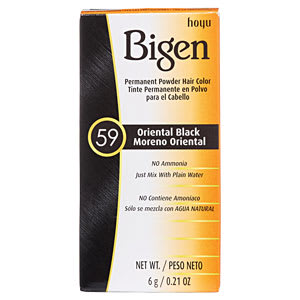
Oriental Black
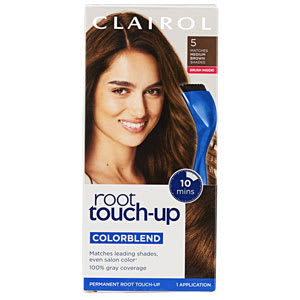
Root Touch Up Permanent by
Nice'n Easy
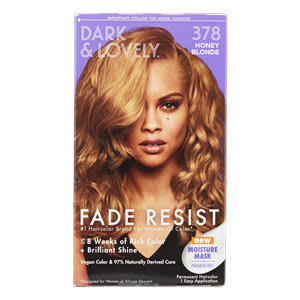
Honey Blonde
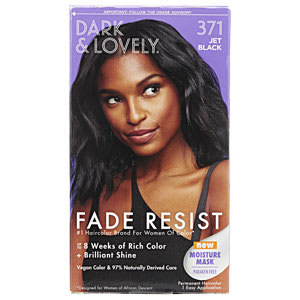
Jet Black
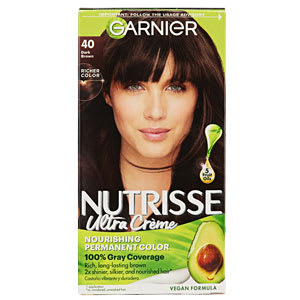
Nutrisse Ultra Creme, Dark Chocolate
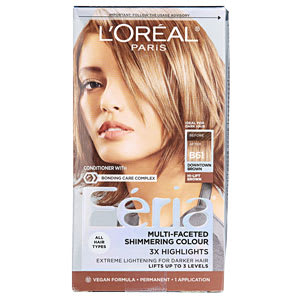
Féria, Downtown Brown
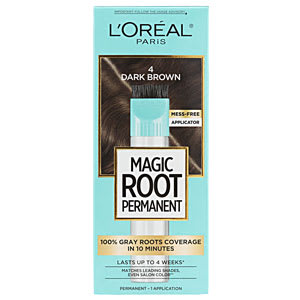
Magic Root Permanent, Dark Brown
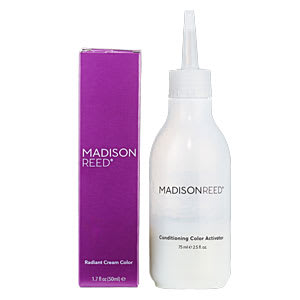
Radiant Color
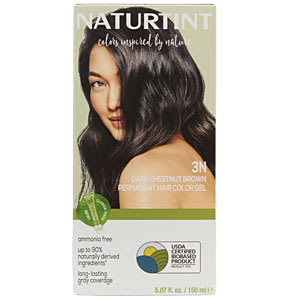
Dark Chestnut Brown
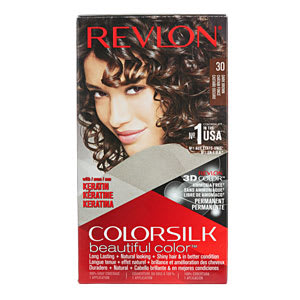
ColorSilk Beautiful Color, Dark Brown
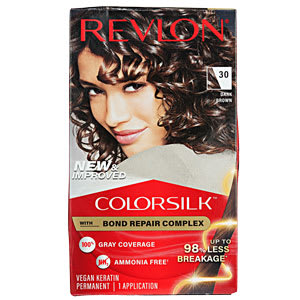
ColorSilk With Bond Repair Complex, Dark Brown
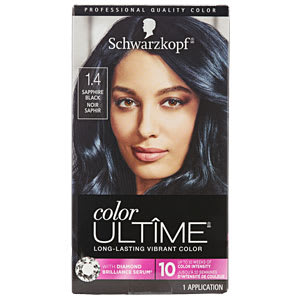
Color Ultime, Sapphire Black
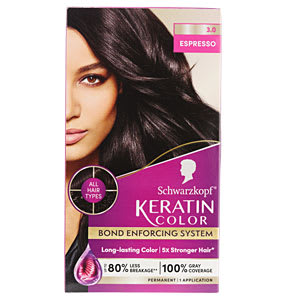
Keratin Color, Espresso
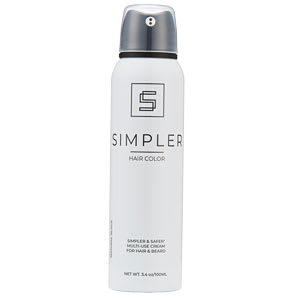
Black
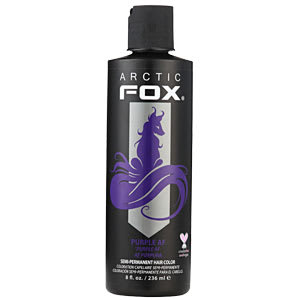
Purple, AF
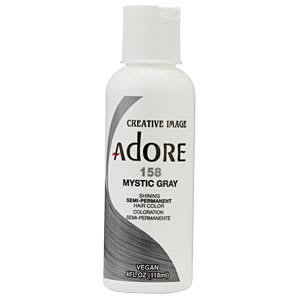
Mystic Gray
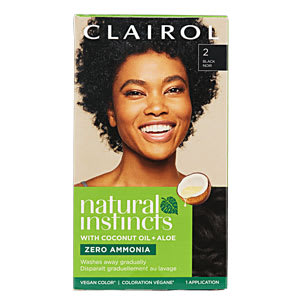
Natural Instincts, Black
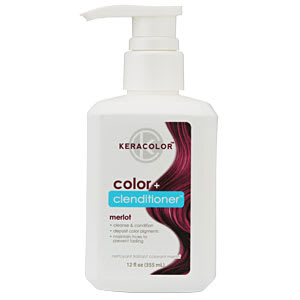
Color & Clenditioner, Merlot
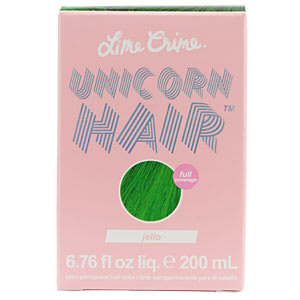
Unicorn Hair, Jello
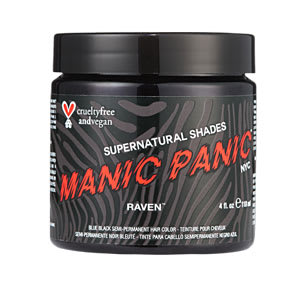
Raven
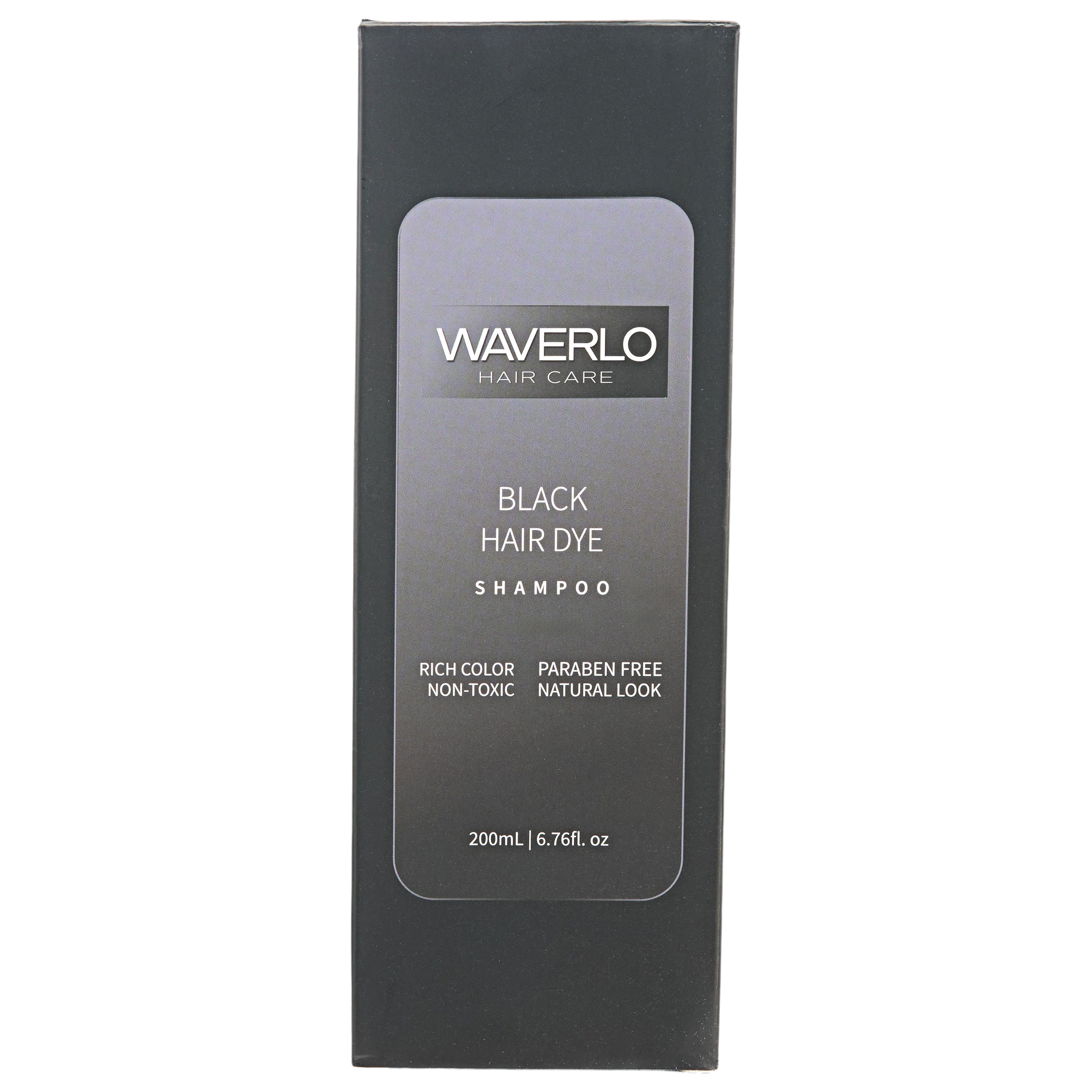
Black Hair Dye Shampoo
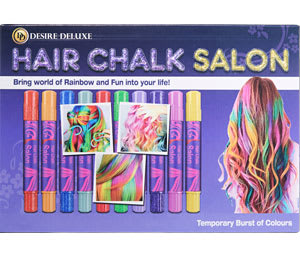
Hair Chalk Salon
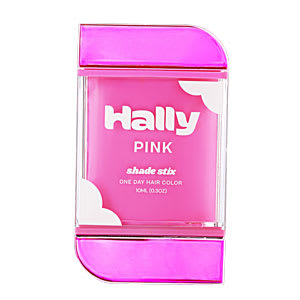
Pink Shade Stix
Other Common Ingredients Found in Hair Dyes
In 2018, CR’s advocacy team successfully pressured the Food and Drug Administration to ban lead acetate from progressive hair dyes. (Progressive dyes are applied over time to achieve a gradual coloring effect, as opposed to one-step dyes.) Yet many potentially hazardous substances remain in hair dye products. Ingredients vary depending on the type and color of dye. Kapoor, CR’s hair dye lead tester, and her team reviewed the ingredients of each product tested to determine whether they contained any of these common, potentially harmful ingredients:
P-phenylenediamine (PPD)
This chemical compound is used in most permanent hair dyes to help bind color to hair, especially to achieve darker colors, such as dark brown or black. PPD is considered a skin sensitizer, a classification of substances that can cause allergic reactions following skin contact. According to the Environemental Protection Agency, exposure to high levels of PPD may cause severe dermatitis, eye irritation, and asthma, among other complications.
Contained in: Clairol Root Touch-Up Permanent by Nice’n Easy, L’Oréal Paris Féria, L’Oréal Paris Magic Root, Naturtint, and both Revlon ColorSilk products.
Ammonia
This chemical compound helps hair cuticles swell, thereby allowing the dye’s other chemicals to penetrate the hair better. According to Singh, ammonia is an irritant that may lead to scalp inflammation and hair fragility. Exposure to high levels can also cause serious burns on the mouth, throat, lungs, and eyes. Some dye brands, such as Garnier, L’Oréal Paris, Madison Reed, and Revlon promote their own line of ammonia-free hair dyes.
Contained in: Clairol Root Touch-Up Permanent by Nice’n Easy, Garnier Nutrisse, L’Oréal Paris Féria, L’Oréal Paris Magic Root, Schwarzkopf Color Ultime, and Schwarzkopf Keratin.
Resorcinol
This compound is used in permanent hair dyes to help bind the color to hair. Studies have found that it can disrupt thyroid function, as well as resorcinol poisoning, the symptoms of which may include diarrhea, dizziness, drowsiness, and headache.
Contained in: Schwarzkopf Color Ultime, Clairol Root Touch Up, L’Oréal Paris Féria, Clairol Natural Instincts, L’Oréal Paris Magic Root, Schwarzkopf Keratin, both versions of Revlon Colorsilk, and Simpler.
Hydrogen Peroxide
This is a manufactured chemical (though small amounts occur naturally in the air) that is used as an oxidizing agent that lightens natural hair pigment and works with ammonia to open hair cuticles. It can cause hair damage and breakage. The Centers for Disease Control and Prevention says it can be toxic if ingested, inhaled, or if it makes contact with the skin or eyes, and inhaling concentrated solutions (higher than 10 percent) can result in severe pulmonary irritation.
Contained in: Both Dark & Lovely products.
The Companies Respond
Consumer Reports reached out to all of the companies whose products we tested for comment. Responses from the ones we heard from are below. The others didn’t respond to repeated requests.
From Bigen: “Thank you for sharing your recent testing results. Consumer safety is our top priority, and we are reviewing the information you provided. We remain committed to meeting all regulatory requirements and maintaining the safety and quality of our products through careful evaluation of our materials and suppliers. We appreciate the opportunity to review your findings.”
Desire Deluxe said, in part: “Our products are developed and assessed in accordance with applicable safety frameworks, and we maintain safety substantiation records supported by toxicological evaluation, supplier documentation, and third-party testing relevant to their intended use.”
In response to the heavy metals detected, it said: “We routinely conduct third-party testing for lead in accordance with U.S. consumer product safety requirements. While we do not perform full multi-element heavy metals screening on every finished product batch as part of routine release testing, we rely on supplier specifications, material controls, and established compliance testing to manage heavy metal risks.”
For VOCs, Desire Deluxe said: “Methylene chloride is not intentionally used as an ingredient or process solvent in the formulation or manufacturing of this product. We do not routinely perform full VOC screening on every finished product batch; however, in response to your findings, we have initiated independent confirmatory testing using GC-MS methods aligned with the EPA 8260 family, across multiple units and production lots.”
Schwarzkopf said: “Schwarzkopf remains firmly committed to the highest safety standards for our consumers. All raw materials and finished products are subjected to vigorous assessments and tests to ensure a high level of safety.”
Arctic Fox stated, in part: “While we do not routinely perform heavy metal testing on every finished batch unless warranted by a risk-based safety assessment, product safety is supported through raw material qualification, supplier documentation, and manufacturing controls consistent with cosmetic GMP guidelines.
“The substances referenced, including dichloromethane (methylene chloride), 2-Butanone (MEK), chlorobenzene, chlorotoluenes, and related compounds, are not intentionally added ingredients and are not used in our formulation or manufacturing process. We do not routinely conduct finished product screening for trace VOCs unless warranted by a risk-based safety assessment. Trace detections reported from highly sensitive analytical methods do not establish intentional use and, on their own, do not indicate a safety risk.
“Phthalates are not intentionally added to this product. Our approach to compliance is supported through supplier documentation, ingredient review, and safety assessment processes consistent with applicable cosmetic regulations and retailer requirements.”
A short statement from Madison Reed said: “Madison Reed takes all questions about our products seriously and stands by the safety of our products, as well as our ongoing commitment to meeting applicable regulatory standards.”
Hally Hair’s statement read: “Thank you for sharing your findings and for giving us the opportunity to review the results prior to publication.
“At Hally Hair, product safety is our top priority. Our products are formulated in accordance with all U.S. cosmetic safety regulations and undergo extensive testing to ensure they are safe for their intended use.
“The trace levels referenced in this testing are commonly found across many cosmetic products due to naturally occurring background levels in pigments, raw materials, and the environment. These amounts are well below levels considered to pose any health risk by regulatory agencies and independent toxicologists.
“Our products are designed as temporary, wash-off cosmetics with minimal exposure, and they meet all applicable safety standards.
“We continue to work closely with our suppliers and manufacturers to maintain rigorous quality and safety practices.”
Simpler said: “Product safety is a top priority for Simpler Hair Color. Our formulas are developed and manufactured in the United States in accordance with applicable regulatory requirements, and we work with experienced manufacturing partners that follow established quality and safety standards for cosmetic products.
“We remain committed to monitoring ingredient safety and compliance as part of our ongoing quality processes.”
How to Do At-Home Hair Dye With Safety in Mind
Nicole Rabaudi, who uses hair dye, says she was generally aware that it had been linked to negative health issues but that the information didn’t deter her. “I feel like I purposely avoided learning more while I was using the products,” she says. “But I could smell the chemicals. I could feel them on my head. I think for me, because I was so committed to low cost and not having grays, I ignored that as long as I could.”
These days, she’s switched to another hair dye that she finds to be of better quality, though at a higher price. “But I just sort of came to terms with if you have dark hair and you don’t want everyone to know you’re going gray, you’re going to have to use a higher quality of products,” she says. “So I end up spending more money, but no more scalp damage.”
Singh said she’s treated many patients with contact dermatitis after at-home dye use and noted that severe cases can lead to hair loss. She recommends “avoidance of dyes and anti-inflammatory therapy with topical and/or systemic corticosteroids.”
She also advises doing a 48-hour patch test to a small area of skin before applying dye over the entire scalp, and suggests that people transition to semipermanent dyes.
“These do not aggressively lift the hair cuticle and are far less likely to cause chemical burns,” she says. “Additionally, applying a thick layer of petroleum jelly along the hairline acts as a vital physical barrier to protect the thinner, more sensitive skin of the face.”
According to Mount Sinai’s Taioli, “Knowledge is the best first step—in this case, reading the labels very carefully, the way we do for the food we eat.”
Llanos also encourages reducing exposure to dyes. “This could be through wearing gloves when handling hair dye chemicals (and other types of chemical hair products like relaxers), ensuring good ventilation when using these products, and avoiding applying hair dye to irritated or broken skin,” she says, adding that reducing the frequency of use as much as possible can also reduce cumulative chemical exposure.
“Temporary or semipermanent hair dyes, like those that rinse out after shampooing the hair a few times, may reduce exposure to some of the more harmful chemicals used in permanent dyes,” she says, but no product is completely risk-free.
Consider the hair dye’s shelf life. After a specified period of time, hair dye may not work as effectively and can even cause hair or scalp damage. During our sample testing, we conducted a shelf-life assessment and learned that nearly half of the samples listed no shelf life or expiration dates. Of those that listed one or both of these dates, several had 12-month shelf lives, while Lime Crime’s was eight months, and Hally Hair’s was only six months.
Join us by signing our petition to urge L’Oréal Paris to remove these chemical risks.
Consumers should also check for product recalls and safety alerts on manufacturer websites and the FDA’s MedWatch before purchasing dyes.
Scott discourages the combined application of hair dye and straightener. “If you’re doing permanent dye—which is more damaging—on top of a relaxer at the same time, that’s a recipe for disaster,” she says. She recommends waiting a couple of weeks between relaxing hair and using dye of any kind.
And for those trying to cover up gray hair, Scott suggests opting for blending rather than covering grays. “You tend to have to use stronger products to color grays,” she says. “Maybe put in highlights, not trying to dye everything. Find semipermanent vs. permanent, and find the peroxide-free, ammonia-free products.”
Lastly, if you’re considering alternative dyes in an effort to find less toxic options, take note: Our results suggest that products labeled as “natural,” “organic,” or “ammonia-free” aren’t necessarily safer with regard to heavy metal and VOC contamination. According to Victoria Barbosa, the UChicago Medicine associate professor, “plant-based” dyes with ingredients like henna, black tea, or indigo powder can cause allergic reactions as well. All hair dye products should be evaluated for chemical safety regardless of marketing claims.
The Personal Care Products Council, an industry group, emphasizes that safety is paramount, says Tesia Williams, a spokesperson: “Hair dyes are extensively tested and deemed safe, supported by decades of rigorous scientific research and consumer safety evaluations.”
“As with all cosmetics and personal care products, in order to market to consumers, companies must substantiate the safety of hair dyes and ensure their product labeling is accurate, truthful, and not misleading,” Williams says.
Keep in mind that companies aren’t required to disclose all ingredients, such as proprietary fragrance ingredients, so not everything may be listed on the label. “Some chemicals are not always disclosed on product ingredients lists,” Llanos says, “and labels like ‘clean’ or ‘nontoxic’ or ‘plant-based’ aren’t tightly regulated, so these claims shouldn’t be taken at face value.”
“These facts underscore why transparency and stronger oversight of consumer products matter,” she adds.


