What's in Your Fish Oil Pill?
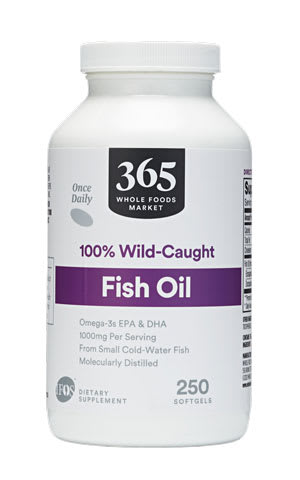
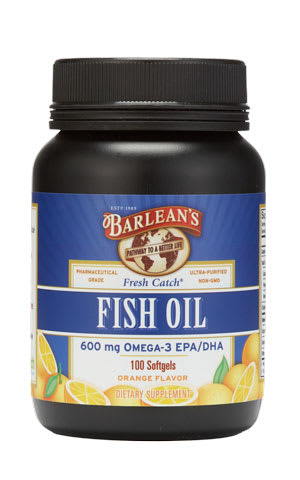
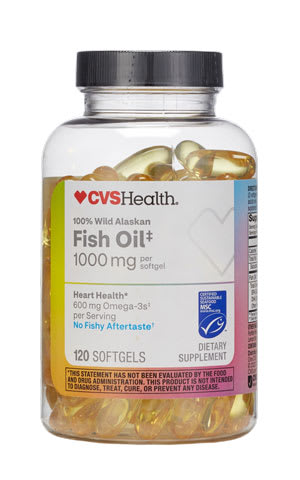
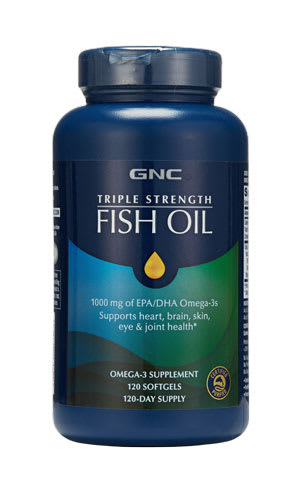
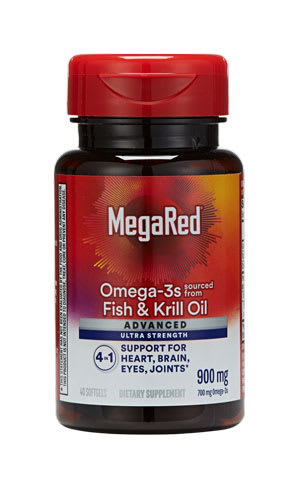
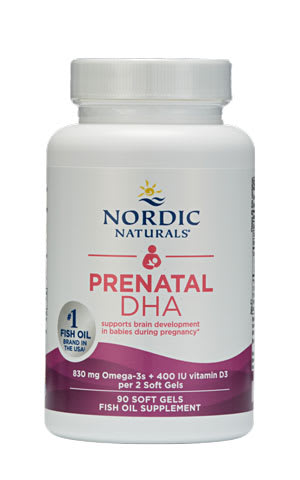
CR tested fish oil supplements from brands like CVS, GNC, Nordic Naturals, and The Vitamin Shoppe for heavy metals, rancidity, and their label claims

When you shop through retailer links on our site, we may earn affiliate commissions. 100% of the fees we collect are used to support our nonprofit mission. Learn more.

Americans love fish oil supplements. They’re among the five most popular supplements in the U.S., according to a CR nationally representative survey of 2,272 U.S. adults in February 2026, with about 1 in 5 Americans saying they’ve taken fish oil in the past 12 months.
The promise of the pills is that you can easily get a daily dose of omega-3 fatty acids, substances found in fatty fish like salmon that perform a variety of important functions in your body and are associated with a lower risk of cardiovascular problems.
Contaminants in Fish Oil
Thanks to water pollution, fish can take up a number of different toxic contaminants. These include dioxins and PCBs, as well as heavy metals like lead and mercury. This is part of why CR has tested fish oil pills periodically over the years, says CR’s food safety researcher Tunde Akinleye: to check whether toxic contaminants sometimes found in fish are also making their way into fish oil supplements.
There’s another key concern with fish oil: rancidity. The unsaturated fatty acids in fish oil, including the omega-3 fatty acids EPA (eicosapentaenoic acid) and DHA (docosahexaenoic acid), readily react with oxygen—a process called oxidation. This can lead to rancidity, the same phenomenon that can occur with expired fatty foods like cooking oils and nuts.
Previous research has found signs of oxidation in fish oil pills, but it can be hard to tell when one (or a bottle of them) has gone rancid.
Exactly what eating rancid fish oil means for your health isn’t completely clear. Rancid fish oil tastes off, according to Tod Cooperman, president and founder of ConsumerLab.com, which regularly tests a variety of supplements, including fish oil pills, for contaminants. Then there’s what Cooperman calls the “burp factor.” Burping is a common side effect of omega-3 supplements, and when they’re rancid, the experience can be a lot more unpleasant. And eating any kind of rancid oil could potentially cause some unpleasant digestive symptoms.
What CR’s Tests Found
For our latest tests of omega-3 supplements, we chose 20 popular fish oil pills and tested them for dioxins, PCBs, chlorinated paraffins, arsenic, cadmium, lead, and mercury. We also tested whether the levels of EPA and DHA matched each product’s label claims and tested for levels of oxidation. We checked that each product met USP standards for the amount of time it takes for the supplements to break down in the body (U.S. Pharmacopeia, or USP, is an independent organization that sets widely accepted standards for supplements). We tested two or three samples of each brand from at least two separate lots. We conducted our testing between January and May 2025 with products purchased in the fall of 2024, and this testing represents a snapshot in time.
The good news: Sixteen of the brands met all of our quality and safety standards. And some aspects of fish oil safety have improved since we last tested these supplements in 2012, when four brands tested positive in at least one sample for levels of PCBs that exceeded our level of concern, which is based on California’s Proposition 65. This time, none exceeded those levels.
But we did find some concerning results, too, in a few key areas.
Rancidity. Three of the products we tested had levels of oxidation that exceeded the total oxidation limit set by the Global Organization for EPA and DHA Omega-3s (GOED), an industry group. Such oxidation is an indication that these are lower-quality products that may be rancid, Akinleye says. (None of these products were past their expiration dates when tested.)
In a number of cases, we weren’t able to draw any conclusions about certain products’ oxidation levels because they contain lemon oil and certain other flavorings, which can interfere with the tests for oxidation. There’s currently no alternative to these oxidation tests, so we can’t say for sure whether these supplements had any signs of rancidity. But they met all of CR’s other tests for quality and safety, so our experts still consider them to be higher-quality products.
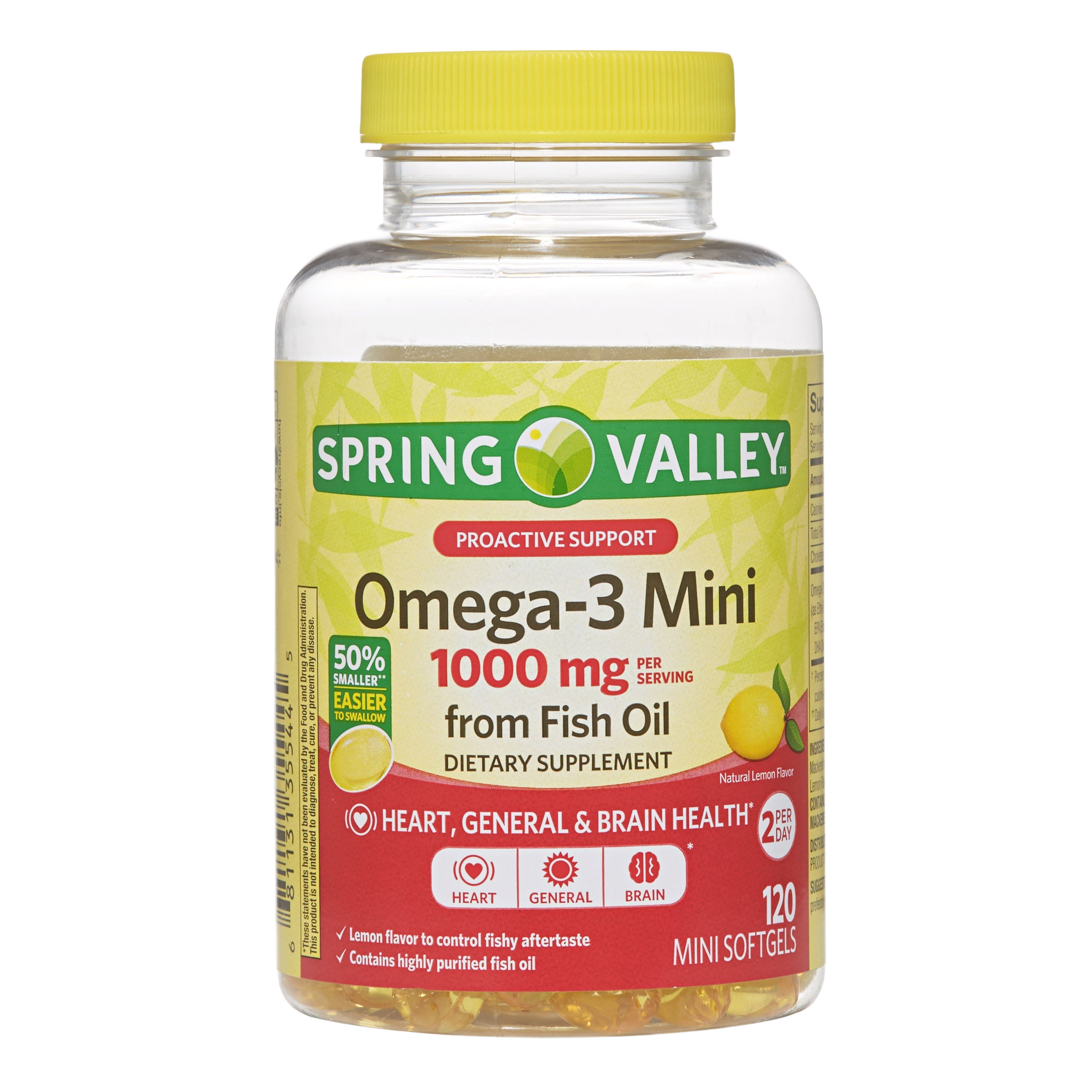
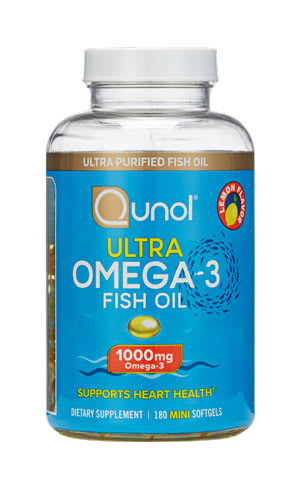
Label claims for EPA and DHA. To meet our minimum quality standard for label claims, the products needed to contain at least 90 percent of the amount of EPA and DHA stated on the product labels. One product fell short: Our samples of Qunol Ultra Omega-3 Mini Softgels 1000 mg averaged only 83 percent of the label claim of EPA and only 85 percent of the label claim of total omega-3 fatty acids.
Trace amounts of heavy metals and contaminants. All of the supplements we tested met our standards for tested contaminants. Those standards are based on the levels used by various public health agencies, including the California Proposition 65 levels for lead and total PCBs, European Food Safety Agency (EFSA) limits for dioxins and paraffins, and the Environmental Protection Agency’s limits for methylmercury. (For more on our testing methods and standards, see our detailed methodology.)
Still, we did detect trace amounts of some contaminants. Nearly half the supplements we tested had small amounts of lead, and all had traces of dioxins and PCBs. But these were all at levels lower than the strict benchmarks we use for our evaluations.
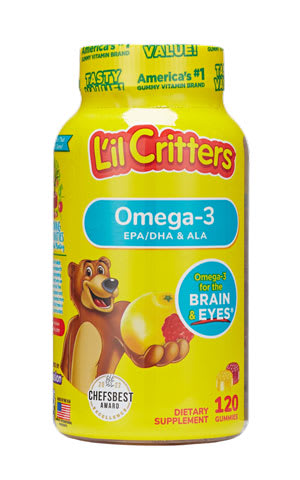
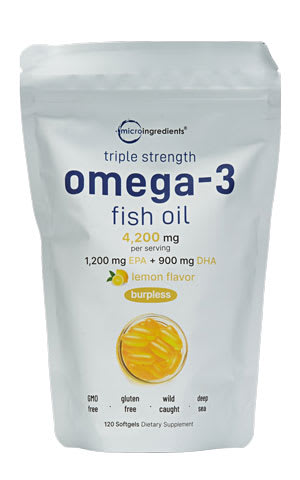
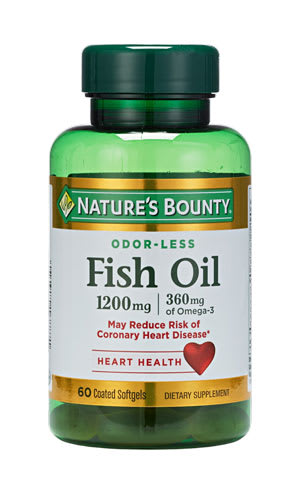
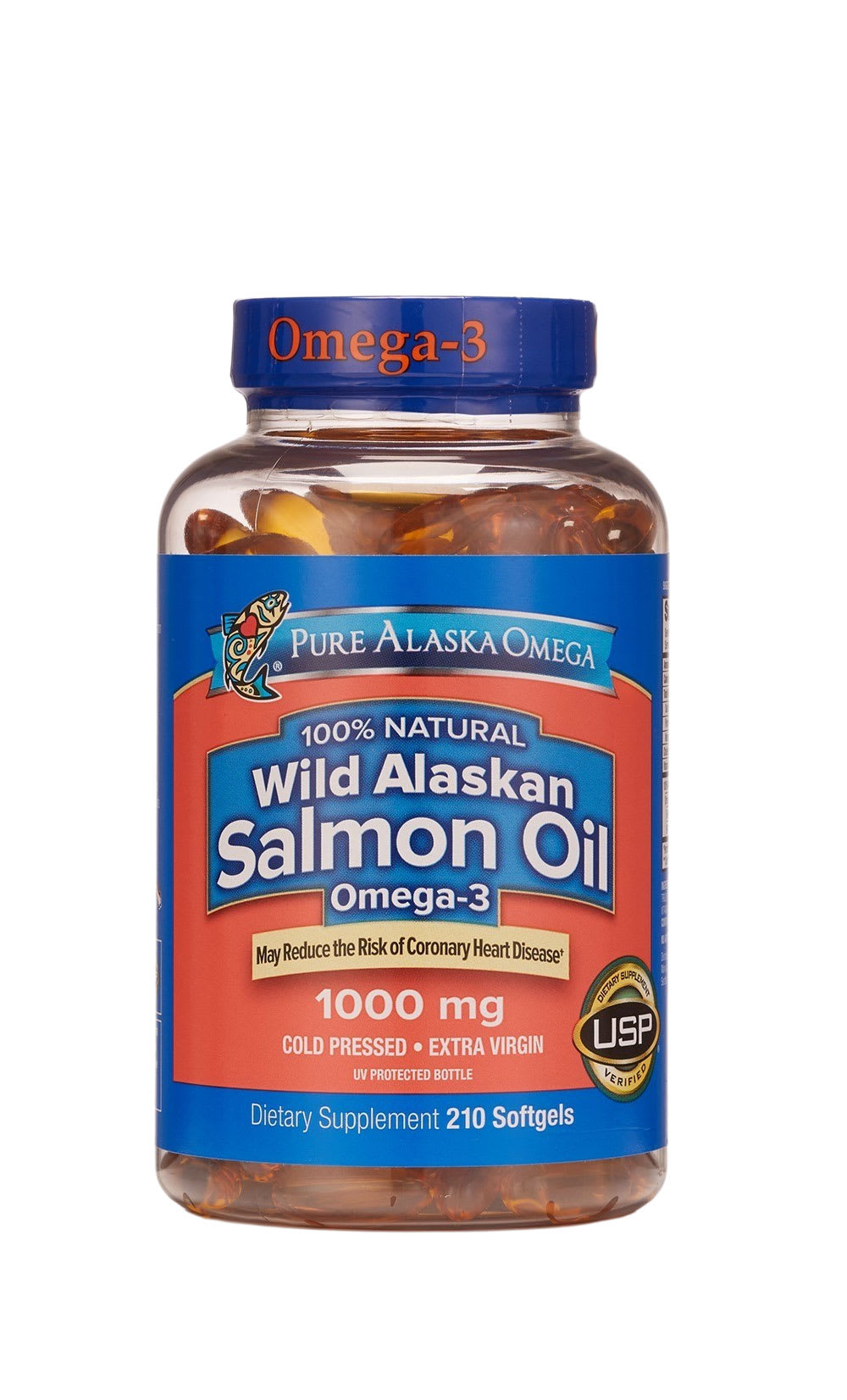
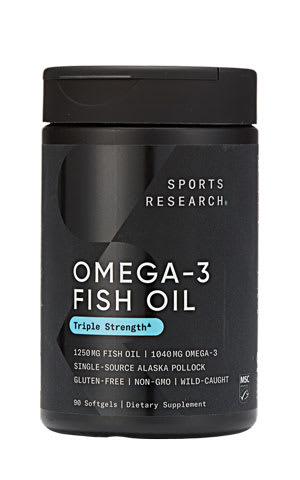
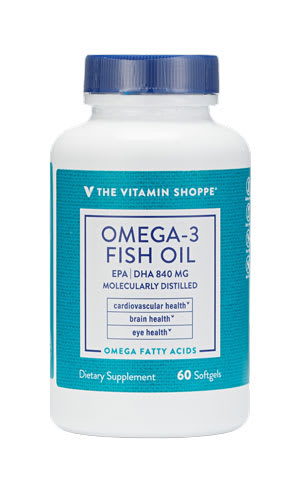
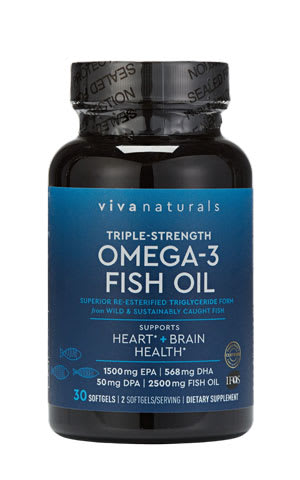
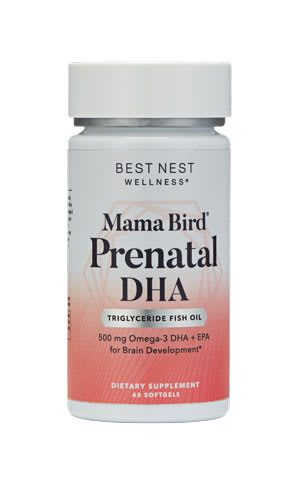
Supplement Companies Respond
We reached out to manufacturers whose products either didn’t contain the amount of EPA and DHA claimed on their labels or that exceeded CR’s standard for oxidation, which indicates possible rancidity. We asked for information about their testing and quality control procedures, as well as for any comments on our findings.
In our tests, we found that Qunol’s supplements contained only 83 percent of the EPA and 85 percent of the total omega-3s claimed on the label. The company disputed our findings, stating that the test we used isn’t appropriate for assessing omega-3 levels because the presence of lemon oil can interfere with it. But while lemon oil flavoring can affect the results of tests for oxidation levels, CR’s experts aren’t aware of any evidence indicating that flavoring oils could affect the results of tests for omega-3 fatty acid content. We asked Qunol to provide any such evidence, but we didn’t hear back from the company.
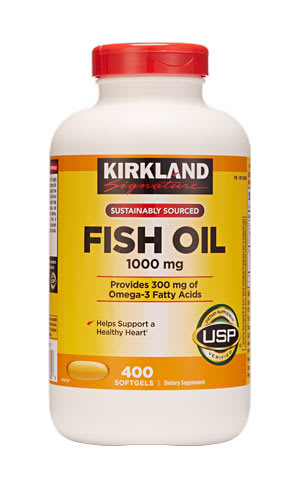
We also reached out to companies whose supplements showed signs of rancidity. One of those was Costco (Kirkland), which didn’t respond to our messages.
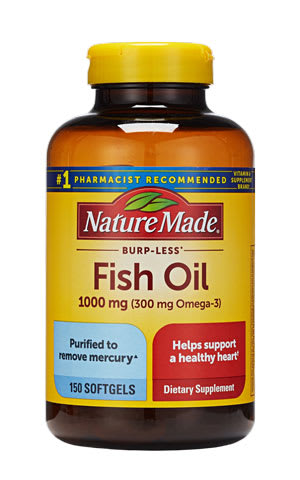
Nature Made did respond and said that the company’s own testing of the same lot numbers CR tested found that its supplements met our standards for indicators of oxidation.
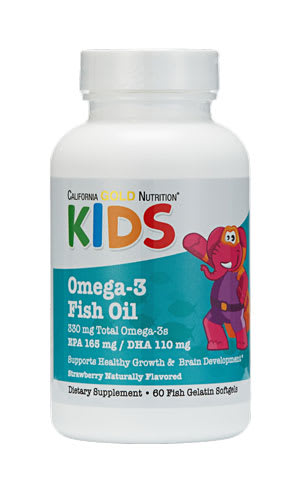
California Gold Nutrition also responded and told us that it had temporarily suspended sales of the lot numbers we tested of its Kids Omega-3 Fish Oil Softgels. The company told us it’s reviewing its original testing data for these lots and retesting some samples.
The Evidence on Fish Oil Supplements
Years of nutrition research have demonstrated that diets that are high in omega-3 fatty acids seem to be better for people’s cardiovascular health than diets with low levels of these substances, according to Donald Lloyd-Jones, MD, principal investigator for the Framingham Heart Study at Boston University School of Medicine and scientific lead for clinical research services for the American Heart Association. Other studies have also found that people with higher levels of EPA and DHA in their blood tend to be at lower risk for heart attacks, coronary heart disease, and other problems.
It’s no wonder, then, that people would take supplements with EPA and DHA in an effort to boost their heart health.
And omega-3s do a lot of crucial work in your body. They help form the structure of cell membranes, for example, and the body also uses them to form molecules that have a wide range of functions in the body’s cardiovascular system, immune system, and more. But though regular, nonfried fatty fish intake has been consistently associated with a reduced risk of heart-related death, coronary heart disease, and stroke, the evidence is less clear on the benefits of getting omega-3s from supplements alone. The pills, research suggests, may not really help the general population, though some people with certain existing cardiovascular problems might get some benefit.
One independent analysis of 86 randomized controlled trials, published in 2020, found that people who took a fish oil supplement did not have a lower risk of stroke or cardiovascular disease death compared with those who took a placebo pill or ate their usual diets. The researchers did find that people who took fish oil pills may be less likely to have a heart attack, but the difference was so slight that the researchers said it could not be conclusively attributed to the fish oil. The authors wrote that omega-3 supplements are “probably not useful for preventing or treating cardiovascular disease.”
Lloyd-Jones agrees. When it comes to the general population, he says, “We have not seen supplementation with omega-3 fatty acids reduce the risk of cardiovascular disease.”
Lloyd-Jones says that while earlier clinical trials of fish oil pills showed a more significant benefit for people with existing cardiovascular disease, more recent trials have not shown the same advantages. That could be in part because statins and other risk-reducing medications are now used routinely in patients with a past heart attack or other coronary heart events, he says. That would make any much smaller effects of the supplements difficult to detect.
And there is a potential downside: Some evidence suggests that for otherwise healthy people, regular use of omega-3 supplements might actually raise the risk of certain cardiovascular problems, like atrial fibrillation and stroke.
Who Should Consider Taking Fish Oil Supplements?
A few groups of people may get some benefit from fish oil supplementation, though the strength of the evidence varies for the different groups.
People with very high triglycerides. Some of the strongest evidence on fish oil’s benefits has to do with lowering triglycerides. For people with existing cardiovascular disease who have very high triglycerides—over 500 mg/dL, according to Lloyd-Jones—supplementing with omega-3s does seem to help. The main goal there, though, is to reduce the risk of pancreatitis that comes with triglycerides so high, Lloyd-Jones says. In these cases, he says, it’s important to use a prescription fish oil supplement (more on that later).
People with existing heart disease. The advice from the American Heart Association on fish oil supplements reflects the small potential benefit to people with existing heart problems. The group emphasizes eating more fatty fish as the best source of omega-3s, but it also acknowledges supplements as a reasonable option for risk reduction for people with existing heart disease (particularly because it poses low risk of side effects).
People with end-stage kidney disease receiving maintenance dialysis. In a recent randomized controlled trial published in the New England Journal of Medicine, researchers gave daily fish oil or placebo pills to 1,228 people undergoing dialysis treatments for end-stage kidney disease. Those who received the fish oil supplements experienced a lower rate of serious cardiovascular events, including heart attacks, strokes, and death.
People with inflammatory conditions. There’s also some evidence that omega-3 supplements may have some anti-inflammatory effects that could be useful for people with rheumatoid arthritis and other inflammatory conditions such as lupus or multiple sclerosis.
What Consumers Should Do
Eat plenty of fish. The American Heart Association recommends people eat two servings of fish per week, particularly fatty fish like salmon, anchovies, herring, mackerel, sardines, bluefin tuna, oysters, and mussels. That’s by far the best way to get enough omega-3 fatty acids in your diet.
Choose higher-quality supplements. If you do decide to take over-the-counter fish oil supplements, CR’s food safety experts recommend choosing products that meet all our quality and safety standards. That will give you a better chance of getting a product that isn’t rancid and that has the amount of omega-3s it says it does.
Extend your supplements’ shelf life. Store fish oil supplements in a cool, dry cupboard away from direct sunlight.
Consider prescription supplements for medical needs. If you’re planning to take fish oil for a specific medical reason, like high triglycerides, ask your doctor about prescription supplements. Prescription medications must meet more stringent quality and safety requirements than supplements.
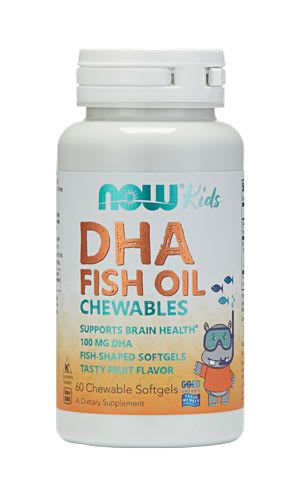
You can probably skip giving fish oil supplements to kids. Fish oil pills are marketed widely both to adults (beyond the groups with preexisting conditions previously mentioned) and to children. Two products we tested are marketed to kids. Legally, supplements cannot claim to treat any specific conditions, so label claims on such products are vague by design. For example, Nordic Naturals says its Children’s DHA supplement “supports brain development.” Studies have investigated omega-3 supplements for a variety of different conditions, including ADHD, asthma, and allergies. But the existing evidence is, so far, inconclusive. For example, some analyses that collected results from randomized controlled trials have found that omega-3 supplements might help ease ADHD symptoms in children, but others have found they did not ease symptoms. And the pills aren’t mentioned at all in the American Academy of Pediatrics’ extensive clinical guidelines on treating ADHD in children.
Overall, if you’re trying to improve your heart health, making tweaks to your habits like eating a well-balanced diet and being less sedentary likely will benefit you more than omega-3 supplements. As Lloyd-Jones says, “It’s hubris that we can reduce a healthy eating pattern to a pill.”


