'Medicine to the Land': How Regenerative Agriculture Might Help Avert Disaster
Farming in a way that improves soil health could lead to better food and might even slow climate change—especially if it can be done at scale. But the meaning of “regenerative” is up for debate.

The way we grow most of our food is stressing our capacity to produce it, while also causing a lot of harm. Regenerative agriculture focuses on doing things differently: farming in a way that restores the soil, supports biodiversity, preserves water, and more. Video: David Fazekas and Kevin Loria

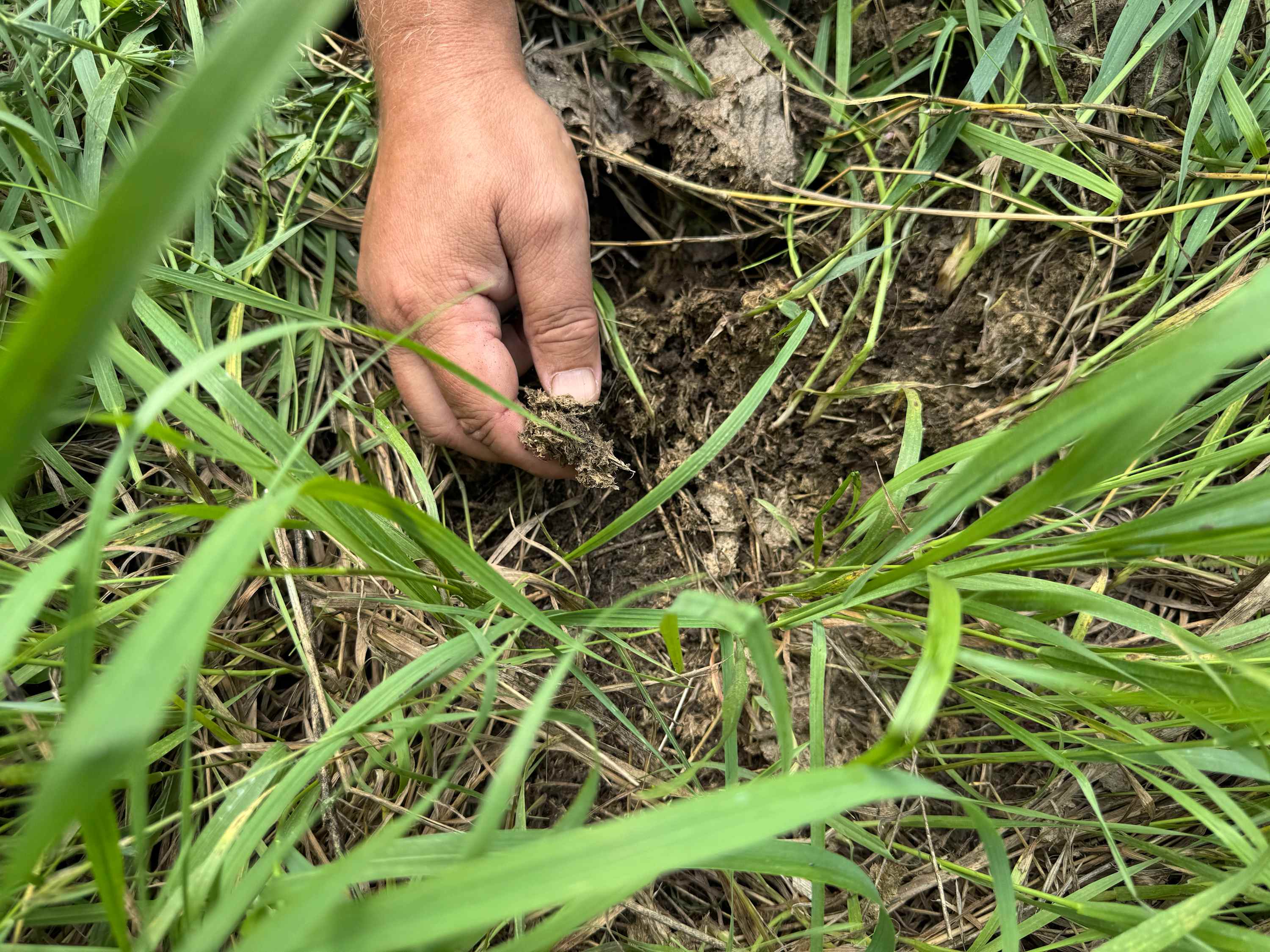
Grant Breitkreutz drops a weighty block of soil into my hands. It’s my second day of Soil Health School at Stoney Creek, his Minnesota farm that’s often considered a model for a more sustainable way of growing crops and raising animals.
Much of America’s soil—and the world’s—is ailing, depleted of nutrients by conventional farming practices and less and less able to host healthy crops. But this particular football-sized chunk of rich-smelling dark earth in my hands, filled with holes that mark the passage of earthworms, roots spreading throughout, with variations in color and texture and a tiny whitish pocket of fungal activity? This is what healthy soil looks like.
Grant has just dug it out of a pasture that used to be home to conventional row crops but has been revitalized using what are known as regenerative farming practices. Proponents of regenerative farming describe it as a holistic approach designed to support biodiversity, improve soil, preserve water, reduce pollution, store planet-warming carbon in the earth, use fewer chemicals, produce a more diverse mix of crops, improve the lives of farmers and their communities, and even perhaps boost the nutritional value of our food.
But when a company says food is grown in a regenerative way, it does not always mean it is meeting all or even most of those goals. That’s one reason farmers like Grant and his wife, Dawn, say they’re wary of the term “regenerative agriculture.” And most foods that consumers find in a supermarket are still products of a system that has moved far, far away from what you might imagine when you picture an idyllic farm.
On my drive from the airport to Stoney Creek, about equidistant between Minneapolis and Sioux Falls, S.D., I passed endless fields of corn and soy—just like what covers about 180 million acres of farmland across the U.S. But though Grant and Dawn started out as conventional farmers growing just corn, soybeans, and small grains, they now cultivate far more, including cereal rye, grasses, alfalfas, a seven-grain mix, and sometimes oats and sunflowers. They also raise cattle, chickens (both for meat and eggs), and sometimes hogs on their pasture.
The land that’s home to these healthy chunks of soil was once depleted, part of that original row crop operation. But about seven years ago, the Breitkreutzes began to turn this field into pasture, now grazed and maintained by cows or chickens running across the thick, foot-high grass. Nearby, entomologist Jonathan Lundgren and one of his assistants sweep nets across the top of that grass. In a few swipes, they capture dozens of different little insects.
“I like insects as a model for seeing how biodiversity changes over time,” says Lundgren, a former Department of Agriculture scientist turned farmer, independent researcher, and agricultural reform crusader. “As the land gets healthier, the insect population changes, and you can see that.”
As the concept of regenerative agriculture has been popularized in recent years, states, the federal government, and big corporations have begun investing money into it. But how exactly the term is defined is a key question, and one that varies from one organization to another.
At the end of 2025, the USDA launched a regenerative pilot program through the National Resources Conservation Service, offering $700 million in grants to farms dabbling in regenerative techniques (still a pittance, compared with the size of agriculture subsidies overall). And the Trump administration in June issued an executive order “promoting regenerative agriculture,” though many experts say other policies, such as protecting herbicide manufacturers from lawsuits or deregulating PFAS, undercut this push. Today, many major food companies at least mention regenerative agriculture when describing their sustainability guidelines, though few have firm definitions or explanations of what they are actually doing.
This is possible in part because the phrase “regenerative agriculture” is not strictly defined. Experts like Lundgren and others I spoke with all say that the definition of a regenerative farm should be driven by outcomes instead of practices: If data shows that a farm’s soil is getting healthier with more biodiversity, water is being better managed, there’s more carbon stored in soil, and there’s less need for toxic chemicals, then regenerative outcomes are being achieved. While the methods matter, the most important part is the real-world effects those methods achieve.
Still, that loose definition is confusing to consumers. In June 2023, about 18 percent of U.S. adults said they had heard of regenerative agriculture, according to a nationally representative survey by Consumer Reports. By June 2026, that had increased to 24 percent, according to another nationally representative CR survey of 2,001 adults. That’s a 33 percent increase in the percentage of people who know the term, but it shows that the term is still unknown to a large majority of U.S. consumers.
It can be hard to know when it may be worth paying more, and whether food bearing regenerative claims was actually grown in a way that’s better for the land and better for you. The good news is that there are concrete steps you can take to understand the meaning (and the promise) of regenerative agriculture, seek out food that’s actually been grown in a healthier way, and push for a better food system overall.

Photo: Kevin Loria/Consumer Reports Photo: Kevin Loria/Consumer Reports
The Problem With the Status Quo
Whether or not regenerative agriculture is effective at scale is a critical question in part because farming itself is at a crisis point.
The world’s population is growing and getting wealthier, demanding more food and especially more protein. Over the past decades, remarkable scientific and technological advancements have allowed farmers to produce enough food for the world—no small feat. But the way we grow crops and raise meat is stressing our capacity to produce it, while also causing a lot of harm.
The technologies that allow for high-yield production are flooding the surrounding areas with synthetic fertilizers and chemical herbicides. In parts of Kansas, for example, runoff from fertilizer use has filled groundwater supplies with enough nitrogen that some experts say the water itself can be used as fertilizer. This makes the drinking water in some areas not safe for human consumption; it can cause blue baby syndrome in infants and increase the risks for thyroid disease and colorectal cancer. This is the same fertilizer runoff that creates one of the largest dead zones in the world in the Gulf of Mexico every summer—a low-oxygen zone that kills marine life—causing billions of dollars in damage.
Agriculture is also the biggest cause of deforestation in the world, the biggest user of water resources, and the reason rivers are sucked dry and formerly fertile lands are now deserts. Agricultural processes that pump carbon dioxide, methane, and nitrous oxide into the sky are the source of about one-third of the emissions warming the planet, according to the Food and Agriculture Organization of the United Nations.
The scale of agriculture’s impact on the environment is hard to overstate when you consider how much land falls into the category: In the U.S., cropland and pasture take up about 50 percent of the country’s land. And a lot of that land is not even for food: About 60 million acres of land is used to produce biofuels from corn and soy, says Peter Lehner, managing attorney of the Sustainable Food & Farming Program at the nonprofit group Earthjustice, and co-author of the book “Farming for Our Future: The Science, Law, and Policy of Climate-Neutral Agriculture” (Environmental Law Institute, 2021). You could produce the same amount of energy with a tiny fraction of that land covered in solar panels. Yet we continue to dedicate more resources to corn and soy that people don’t eat.
More than half of U.S. land is used for agriculture. Two-thirds of that is for grazing animals.
1 square ≈ 9 million acres.
What crops are we actually growing?
Corn and soy cover almost half of U.S. cropland: 180 million acres. A large share of that is not for food. Roughly a third of U.S. corn and soy is used for biofuels.
1 square ≈ 3 million acres; 126 squares = 377 million acres of cropland.
Sources: USDA Economic Research Service, Major Land Uses (2017); USDA National Agricultural Statistics Service, Prospective Plantings (March 2026); Peter Lehner, Earthjustice.
Still, perhaps the biggest emergency unfolding, according to some experts, is that conventional farming that’s heavily reliant on chemicals is destroying the soil itself, leaving it barren and unable to grow crops. According to a 2015 United Nations Food and Agriculture Organization report, about 33 percent of the world’s soil is already moderately to heavily degraded. At current rates of use, 90 percent of soil will be at risk by 2050, the FAO warns.
A key message at Soil Health School, though, is that this crisis has a solution. “There is a better way,” Lundgren says. “Regenerative agriculture.”
Take Florida as one example. The state used to produce most oranges in the U.S., but production has plummeted. From the 2003-2004 season to the 2024-2025 season, orange production fell from about 242 million boxes to 12.2 million boxes, a drop of about 95 percent. This has been largely caused by citrus greening disease, which destroys the root health of trees. But according to Lundgren, a big part of the problem is degradation of soil caused by conventional farming, which left barren, sandy soil behind.
In recent years, some orange growers have started turning to regenerative techniques to try to restore soil health. Healthier soil reportedly helps the trees resist the bacterial illness, and the most recent growing recommendations from the University of Florida include techniques like growing cover crops and using compost in between orange trees to increase soil organic matter and microbial activity—key indicators for regenerative farming. The shifts to soil-health focused measures are perhaps starting to work: USDA data from the past few years seems to indicate that the crop loss may be slowing and potentially even plateauing, with modest production increases in recent seasons.
Florida Orange Production, 2003-2026
Source: USDA National Agricultural Statistics Service, Florida Citrus Statistics and the July 2026 final citrus forecast. Citrus greening was first detected in Florida in 2005.
What Is Regenerative Agriculture, Exactly?
At the most basic level, the definition of regenerative is in the word, says Tim LaSalle, co-founder of the Center for Regenerative Agriculture and Resilient Systems at California State University Chico, who was the first CEO of the Rodale Institute, an agricultural research nonprofit. “Instead of extracting and destroying, regenerative agriculture has a focus on building, restoring, and then creating a fertility level that reduces the need for so many inputs, if not eliminating them totally,” he says.
Farming in a way that builds instead of extracts isn’t new, it’s what indigenous people around the globe have been doing for thousands of years, say many experts who study and practice regenerative farming. This way of farming is “based in a lot of indigenous wisdom,” says Arohi Sharma, a senior analyst at the Natural Resources Defense Council. “A farmer walks into the system understanding they need to replenish the land, that the focus should be on improving soil health, improving ecological outcomes, so that people and the environment are protected while they grow healthy food at the same time.”
The term “regenerative agriculture” first emerged around the early 1980s, when it was used by organic farming pioneer Robert Rodale. It described practices that improved on conventional farming by making it less reliant on external inputs like fertilizers and herbicides without necessarily “asking them to convert to an extreme organic system,” as Rodale put it.
In the following decades, the definition of “regenerative” began to focus more and more on soil health. Though there are plenty of regional variations, some of the farming practices that have become associated with regenerative farming include cover-cropping, no-till or reduced tillage, rotational grazing, integrated pest management, composting, and agroforestry. In 2025, the state of California officially defined regenerative agriculture as an approach to farming and ranching “rooted in principles of soil health, biodiversity and ecosystem resiliency leading to improved targeted outcomes,” such as building soil health, reducing reliance on pesticides, protecting animal welfare, building healthy communities, and supporting Native-led stewardship practices.
Farmers can try different practices to figure out what creates the best outcomes on the land they work. Some may be trying a few regenerative practices, while others are really transforming their whole operation. “We need to … empathize with where they’re at, and find the people that can help guide them to that final goal,” Lundgren says.
That flexibility also comes with clear downsides, however. First and foremost: It allows for some farmers and companies to claim that a practice is regenerative even when it’s much closer to conventional farming.
For example, not tilling soil can boost soil biodiversity and may help soil store carbon. But it can also allow weeds to sprout up, especially in a monoculture field, like one that just grows corn. This opens the door to herbicide use. “No till” as a concept can improve soil health and may help soil store carbon, but when farmers achieve that with the use of toxic pesticides—including, at least sometimes, one that’s banned in the European Union, the U.K., and China—it undermines the actual goals of regenerative farming as a whole.
One key question for consumers is how regenerative differs from organic, a term that’s much more widely known. Organic food is also strictly defined by the Organic Foods Production Act of 1990; most other terms, including “sustainable,” “climate-friendly,” and “regenerative,” are not regulated. Many organic advocates say the organic standard already includes many of the practices that are considered regenerative, like using cover crops, eliminating synthetic chemical inputs, and rotating crops. But advocates and farmers in the regenerative space—including some that also grow in an organic way—say that regenerative farms should strive to go beyond organic through practices explicitly designed to increase biodiversity in the soil and the surrounding area.
6 Principles of Regenerative Agriculture
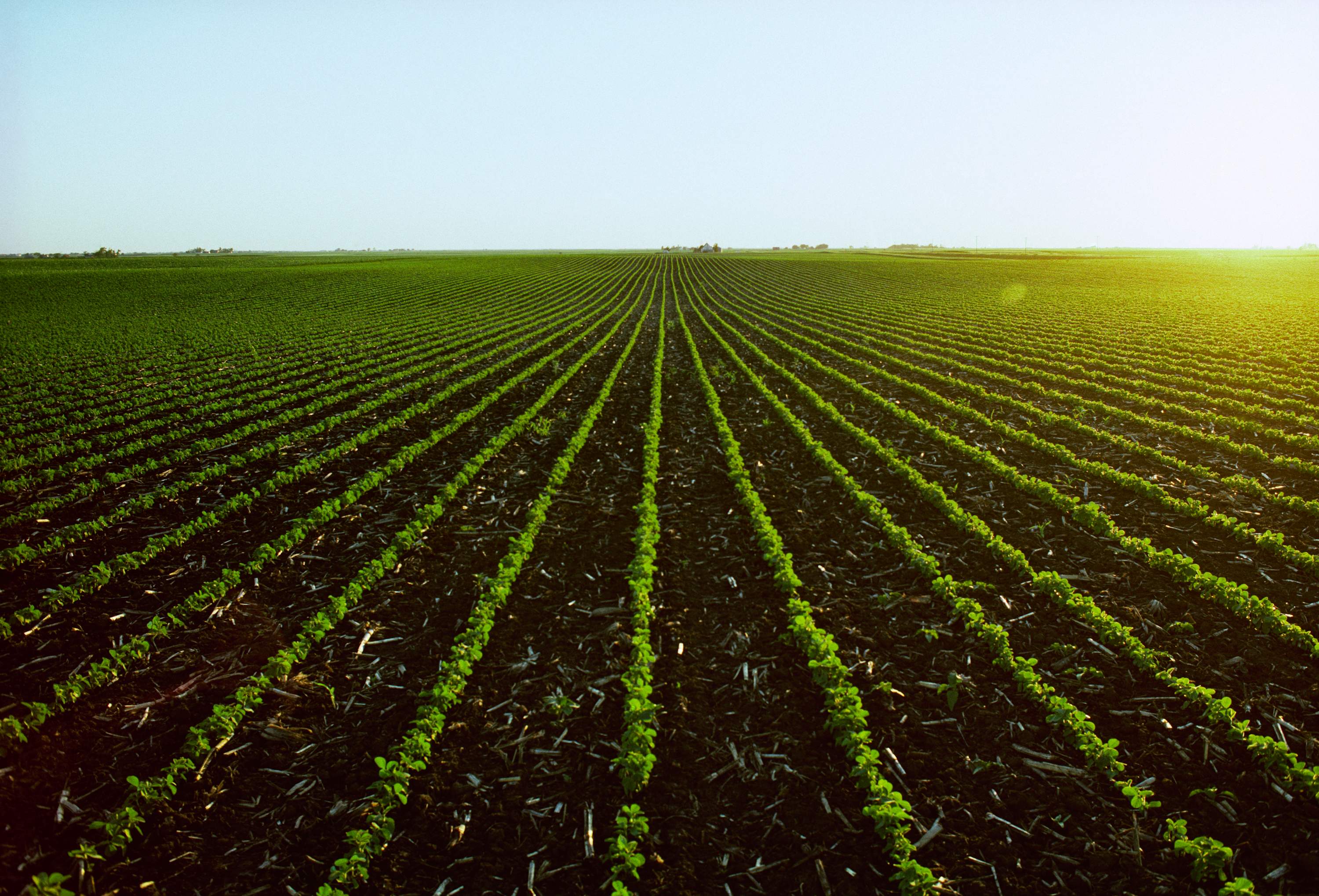
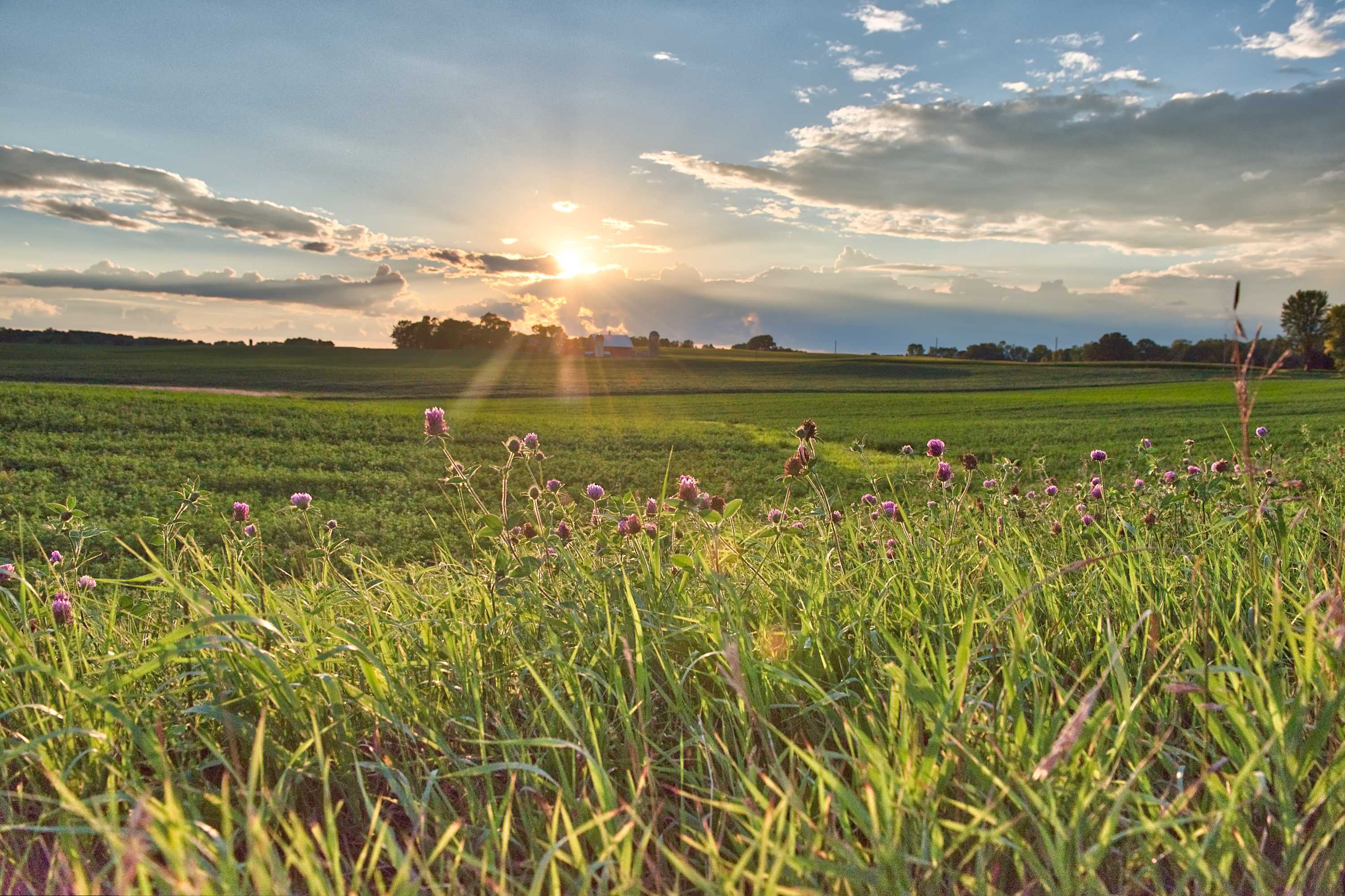
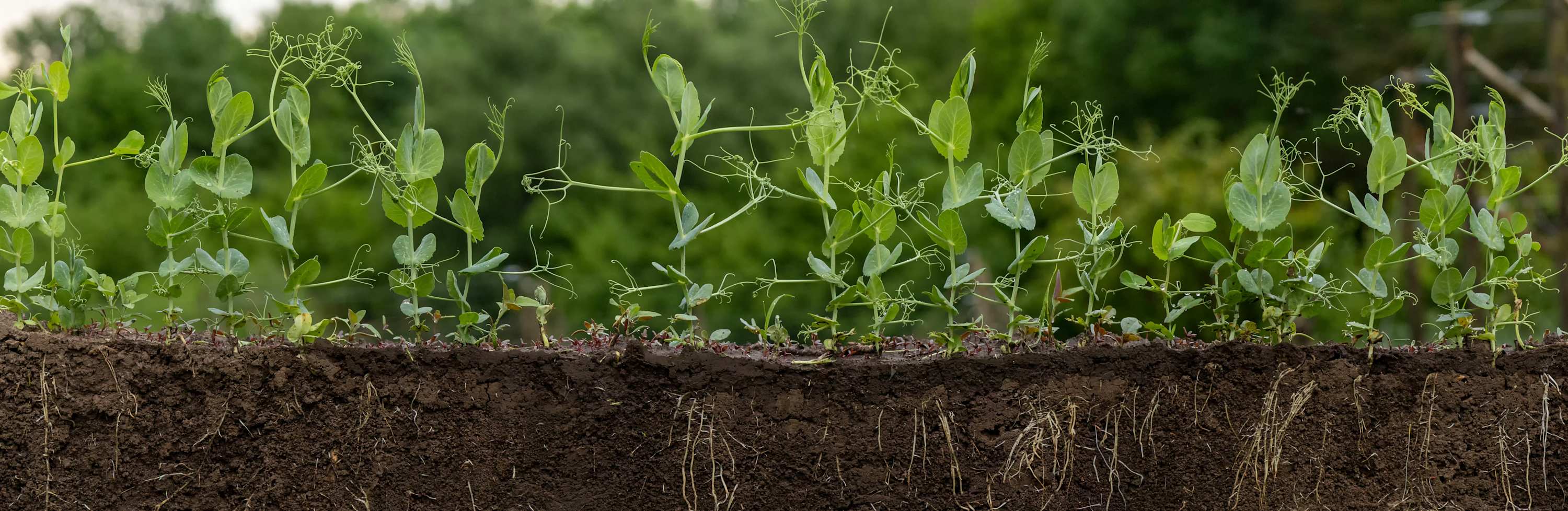

Maximize soil cover
Keeping crops, crop residue, and living mulches on the ground protects soil from erosion and increases habitat for soil organisms.
Minimize disturbance
Limit physical disturbance from tillage (which can destroy soil structure and habitat) as well as chemical disturbance from fertilizers and pesticides.
Maximize biodiversity
Increasing biodiversity helps prevent pest and disease problems, improves soil health, and can boost predator and pollinator populations.
Keep living roots in the ground
Living roots create habitat for microorganisms while building soil structure and organic matter.
Integrate livestock
Livestock can help with nutrient cycling, increase plant diversity, and boost soil health.
Know your context
Local climate, weather conditions, farms, and other factors need to be considered to boost soil health.
Photographs: Kevin Loria, Getty Images, Adobe Stock
What Farms Are Doing
At Soil Health School, I see a range of techniques that fall under the regenerative umbrella. I stroll into a cornfield that’s planted on soil that hasn’t been tilled and has been covered with a range of seven different grains when the corn isn’t there. This fulfills those principles of plant diversity, keeping living roots in soil, and protecting it from erosion and water evaporation. I walk pastures with steers that are carefully corralled into different sections of the field at different times, to maintain their health, the health of the plants they’re feeding on, and the health of the soil those plants are growing in.
Stoney Creek is one well-known farm in the regenerative space, especially in Minnesota, but it’s not the only one that has had a significant impact. About 40 minutes south of Minneapolis sits Salvatierra Farms, a regenerative operation that serves as a teaching farm for Reginaldo Haslett-Marroquin’s Tree-Range Farms system. Tree-Range is a collective of farmers based in the Minnesota region that sell chicken raised in a “jungle-like” habitat that’s supposed to represent the animals’ true natural environment—a distinct alternative to the smelly warehouses that pack in broiler birds by the thousands. A native Guatemalan, Haslett-Marroquin—Regi, as everyone refers to him—is a founding member of the group Regeneration International and directs the Regenerative Agriculture Alliance, with a goal of scaling up regenerative systems.
Here at Salvatierra Farms, farmers that want to join the Tree-Range system can come see how they raise chickens—so they can replicate the strategy wherever they are. Producers in this system are not lone operatives but are part of a larger group that can share knowledge and resources.
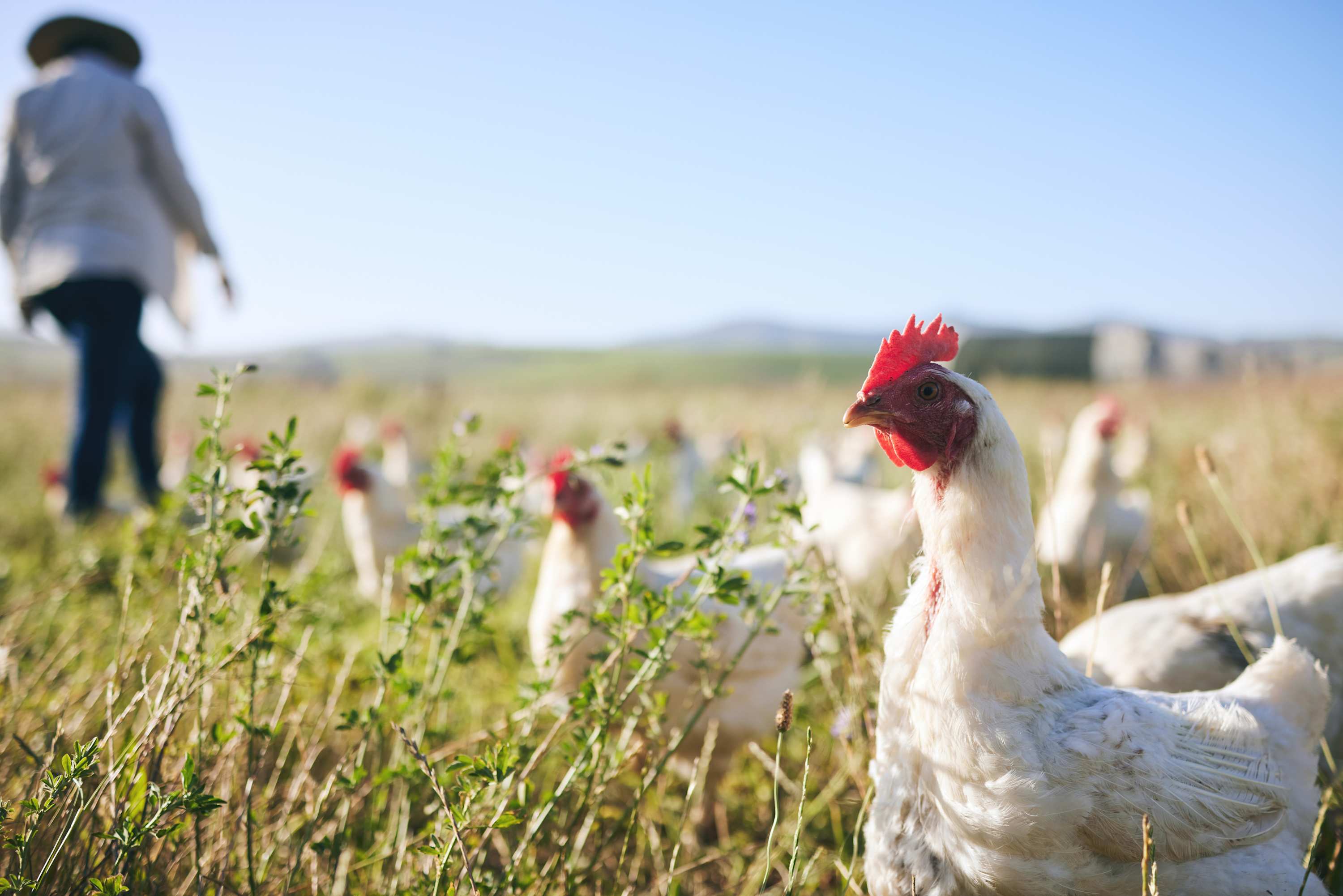
In and around the main chicken enclosure, there are all sorts of plants growing—garlic, mulberry trees, corn, various grasses, and a whole bunch of hazelnut trees that, after five years, are ready to be harvested. Dispersed throughout all these plants are 4,800 chickens, Haslett-Marroquin says. Walking around the pasture, it’s not how you might imagine a chicken farm. There’s minimal smell, even as the breeze travels from the direction of the barn where the birds roost at night. Frogs, lizards, and small insects hop out of the way as we step through the grass—a sign that the grounds aren’t being treated with pesticides and herbicides. On my way in, I spot a pair of cranes wandering a nearby field.
The chickens themselves are hidden by the bushes except when clustered around feeding stations near the edge of the fence—though you can spot them darting through the vegetation, cool in the shade despite the heat of the day. “It’s more like wild chickens,” he says. But this pastoral scene is still a highly efficient operation, with a tight schedule to be followed to ensure birds are ready for harvest on time. And Haslett-Marroquin says this could be scaled up to provide chicken and eggs for the whole U.S., if there is a will to do so. “It is not a matter of whether it’s possible or not, it’s a matter of whether we want a system like this or not.”
“We are not chicken producers; we are really an ecosystem restoration agency that is happening by the use of chicken. So we restore the ecosystem, and then the chicken comes out healthy and vibrant,” Haslett-Marroquin says. “We are then medicine to the land instead of being the menace to the land.”
Does Regenerative Farming Actually Work?
For many consumers, the question may not be whether or not regenerative practices are better for the environment, but whether food grown in these ways is reliably healthier—either because of increased nutrient density, lower levels of pesticide residue, or both.
As we’ve developed techniques that allow us to grow prodigious quantities of food—including a dizzying amount of all-season produce that looks pristine on a store shelf—some consumers have a creeping sense that we’ve also transformed food in a way that makes it less nutrient-dense and less flavorful, like a perfectly plump red tomato that doesn’t actually taste like anything. And there is in fact evidence that some of our conventionally grown produce has lower levels of certain nutrients than it used to. For example, one study published in the Journal of the American College of Nutrition in 2004 found that USDA data showed declines of up to 38 percent for certain nutrients in 43 garden crops. (Most studies suggest that these declines are small, and primarily due to the fact that we’ve selected for crops with higher yields but slightly lower nutrient levels.) Another 2025 review of research found that some crops have lower levels of nutrients like zinc, protein, and iron when grown under conditions with more atmospheric carbon dioxide.
No one knows for sure that food grown in a regenerative or organic way is more nutrient-dense, though one small study from 2022 that looked at paired farms (a regenerative farm compared with a conventional operation) found higher levels of micronutrients in regeneratively grown crops, and higher levels of omega-3 fatty acids in regeneratively grazed meat. And there’s lots of speculation about that idea at Soil Health School.
Farmers crumple up little parts of plants to put inside handheld tools called refractometers that can capture something called Brix measurements. These look at the density of dissolved solids. While this is primarily a measure of sugars in a plant, it’s also affected by other minerals and acids. Some farmers use it as an indicator of plant health and thus potentially nutrient density—though it’s not specifically an indicator of nutritional value. Some say the benefits from more nutrient-dense plants could affect not just vegetables but even farmed products further up the food chain, like meat and milk.
And you hear the same from other experts in the field. Milk from grass-fed cows is better, LaSalle says. “You see a change in the fatty acids in that milk, it’s healthier for you, there’s no question about it.”
Such food may come with a price premium over the cheapest possible option, but many U.S. consumers say that cost is not their only consideration when shopping for food. According to the June 2026 survey from Consumer Reports, 75 percent of U.S. adults say they would be willing to pay more for at least some types of food grown using regenerative techniques.
Better managing soil and utilizing a combination of regenerative growing practices can address a number of key ecological and agricultural problems at the same time, says Lundgren, the Minnesota entomologist, whose 1,000 Farms initiative has so far analyzed over 2,000 farms to assess their efforts on soil health, biodiversity, water conservation, and more.
Here’s what the evidence says about how well regenerative farming practices actually meet some of the stated goals.

Photo: Kevin Loria/Consumer Reports Photo: Kevin Loria/Consumer Reports
Boosting Soil Health
Research reviews published in 2023 and 2026 indicate that regenerative practices like using cover crops, minimizing tillage, crop rotation, compost application, and managed grazing can increase soil quantity and quality, boosting soil health measures such as microbial diversity, soil organic carbon levels, and water infiltration.
Flooding, Drainage, and Drought
Another key promise of regenerative farming advocates is that these practices are better for water management. When evaluating farms for the 1,000 Farms Initiative, Lundgren says they look at how well soils absorb and hold water, and how well they drain it in flooded areas. Regenerative farming practices increase water infiltration—helping water get into soil—and water storage, while reducing erosion and runoff, according to research reviews published in 2022 and 2026. This could potentially make these farms more resilient to drought, but the authors caution that this doesn’t necessarily mean all regenerative farms will require less water.
Reducing the Use of Pesticides, Herbicides, and Fertilizers
One research review from 2023 found that regenerative practices like cover crops, crop rotation, reduced tillage, and composting could reduce the use of or replace the use of agrichemicals. But sometimes using one supposedly regenerative practice alone without trying to really convert to a less chemical-intensive system can increase the use of agrichemicals. “No-till” is often associated with regenerative farming, but one-third of this country’s total annual pesticide use occurs in no-till or minimum-till systems that grow corn and soy, according to an analysis of USDA data by Friends of the Earth, an environmental nonprofit that advocates for organic food.
Producing Enough Food
Another key question about switching to regenerative practices is whether doing so will reduce the amount of food that farms are able to produce. This matters to farmers because it affects how much food they can sell, and it’s a big systemic question because we need to grow enough food for a growing world population. Some crops have lower yields using regenerative techniques, but some crops are equal or even better, according to research reviews published in 2020 and 2026.
Slowing Down Climate Change
One of the most controversial questions about a transition to regenerative farming is whether it could significantly reduce the planet-warming emissions—many due to agriculture in the first place—which could help mitigate climate change.
Soil has the potential to be a huge carbon sink. It can indeed store as much or more carbon as plants on the Earth’s surface, according to the UN’s Food and Agriculture Organization. Agricultural land use over the past 12,000 years has released about 133 gigatons of carbon into the atmosphere (current global carbon emissions are more than 35 gigatons a year). There’s hope that restoring soil could pack at least some of that carbon back away, mitigating effects of climate change. Some even argue that if you restore enough soil by properly managing rangelands where cattle graze, you could offset some of the warming caused by methane emissions from cattle. Over half of rangelands in the U.S. are degraded, which results in the loss of 50 billion tons of carbon that could be stored in those soils, according to calculations by Jonathan Sanderman, a senior scientist at the Woodwell Climate Research Center, who studies the role soils can play in climate mitigation. Restoring those soils could potentially remove from tens to thousands of million of tons of atmospheric CO2 a year, according to some estimates.
But we have to be cautious about these projections, says Lehner, of Earthjustice. The most up-to-date research reviews, including one from Sanderman and colleagues in the Nature journal Communications Earth & Environment, find that research on the benefits of soil carbon sequestration from regenerative grazing are still inconclusive, with high variability—some soils in certain locations are likely to store more carbon than others, and most higher-quality studies have yet to find a significant benefit.
Companies shouldn’t be able to get carbon credits for regenerative grazing that allow them to adopt these practices instead of cutting emissions, Lehner says. Another consideration is that carbon stored in soil could still be released in the future if someone purchases that land and moves away from regenerative management practices.
Percentage of U.S. adults familiar with the term “regenerative agriculture.”
75%
Percentage of U.S. adults who say they'd pay more for at least some foods grown using regenerative practices.
Source: Consumer Reports nationally representative surveys, 2023 and 2026.
Are Big Companies on Board?
A huge amount of the food we eat is produced by multinational agricultural companies. Small farms like Stoney Creek that are trying to implement regenerative farming principles make up a tiny fraction of overall crop production—though big companies, in addition to growing food on land they own, source products from small farms like Stoney Creek all over the country.
Because of their scale, big food companies can have a huge effect on how quickly a transition to soil-health-focused or regenerative farming happens. And experts like LaSalle say that many large companies understand that a transition to regenerative farming is desirable or essential.
“We see our regenerative agriculture program as both an environmental priority and a business imperative: Without productive, resilient farms, there is no resilient food system,” Danone USA told CR.
“The ingredients we rely on depend on healthy soils and ecosystems,” a Nestlé spokesperson said in an email. “Regenerative agriculture practices can help restore and protect soil health, enhance biodiversity and strengthen resilience on the farm.”
The question, according to experts like LaSalle and Lundgren, is whether big companies are motivated to transition to better farming practices quickly enough. Even when sustainability experts at companies are highly invested, it doesn’t mean everyone at a massive company shares the same priority, Lundgren says. “The reality is often someplace in the middle,” he says.
In a report looking at how multinational food and beverage companies describe their regenerative agriculture plans or policies, the nonprofit NewClimate Institute found that 24 of the 30 largest of these companies use the term “regenerative agriculture” when talking about sustainability policies, with 18 of those companies explaining how they define the term. But only eight companies qualify as “extensive users,” says Eve Fraser, the NCI analyst who compiled the report. Those eight (including Nestlé and Danone) have quantitative regenerative agriculture targets in place. Even most of these are flexible enough they are unlikely to lead to an ambitious change in how food is produced. In their definition of regenerative agriculture, most companies, including extensive users, don’t mention the need to reduce the use of synthetic inputs like fertilizers, herbicides, or pesticides, according to the report.
Just as it’s hard for consumers to know how “regenerative” an operation really is just based on the use of the word regenerative, it can be hard to interpret exactly how committed a big company is to making this transition. Because the term regenerative agriculture is flexible, it can be used—perhaps especially by larger companies, which have an incentive to talk about sustainability policies—to describe operations that use some regenerative techniques (like minimizing tilling) while not making a significant effort to incorporate other regenerative principles (like limiting the use of herbicides, pesticides, and fertilizers).
Scaling up better food practices will take a huge commitment, since the vast majority of our food still comes from conventional sources. But experts urge patience; it will be a long road.
“It’s taken 200 years getting into this mess,” Lehner says. “We’re not going to get out of it in a month.”
How to Buy Better Food
Whether you ask small-scale farmers in Minnesota or some of the biggest food producers on the planet, it’s possible to grow food in a better way that’s better for the environment—a way that improves or regenerates the health of soil long-term. If scaled up, these regenerative practices seem like they could have an important impact, even if more evidence is needed to prove certain hoped-for benefits from regenerative farming.
In that sense, there’s a lot of agreement that the concept of “regenerative agriculture” can really represent a better sort of farming. But as a term that might appear on a label, “regenerative agriculture” is much less useful, says Charlotte Vallaeys, an independent consultant with a focus on agriculture and food labeling. (Vallaeys is a former Consumer Reports employee and is currently collaborating with CR on a project analyzing food labels.) The lack of a strict definition means that one product with a “regenerative” label may have been grown with stricter requirements than even the organic label, while another with a different “regenerative” label could come from a no-till field that’s given a heavy dose of herbicides each season.
If you happen to be lucky enough to buy directly from local farmers or at a market, you could ask purveyors whether those farms use regenerative practices meant to improve soil health, support biodiversity, and try to reduce or eliminate the use of synthetic chemical inputs.
But if you are like many people and usually buy food at a supermarket, you can be smart about the labels you trust. So what labels should you look out for instead? First, an old standby: Most foods labeled Certified Organic are grown in a way that uses at least some regenerative practices, like maintaining soil health through crop rotation and cover crops, along with prohibiting the use of most synthetic fertilizers and pesticides, says Kendra Klein, PhD, director of science and agroecology at Friends of the Earth.
But there are aspects of regenerative farming that can differ from or are not covered by the organic standard. Regenerative farms may measure progress in certain areas based on their outcomes, instead of limiting the agricultural processes or inputs used. Some regenerative standards measure outcomes such as whether or not soil health is improving and whether or not biodiversity is on the rise, and evaluate farmworker conditions or animal welfare.
The lack of a universal regenerative standard means that there is no one perfect label, but there are reasons to say that some labels offer more reassurance that food was produced in a regenerative way.
Earlier this year, Friends of the Earth released a report analyzing common regenerative labels (written in collaboration with Vallaeys). Here are a few labels to be aware of as you shop. Some of the best labels, according to FOE, meet the bar established by the organic standard and build upon it, like Regenerative Organic Certified and the Real Organic Project. ROC, for example, goes beyond the organic standard with requirements related to soil health, animal welfare, farmworker conditions, and preserving native ecosystems. According to their analysis, several other labels—like Demeter Biodynamic, Certified Regenerative by a Greener World, and Certified Regenerative A Grade by Regeneration International (the “in transition” standard by the same group falls short in most ways)—also come with requirements that ensure regenerative practices are used. And several labels, like those from Regenified, do a poor job of requiring that any regenerative or organic practices be used, according to FOE’s assessment.
In response to questions from Consumer Reports about FOE’s assessment, John Gregson, head of public affairs and PR for Regenified UK & Ireland, told CR in an email that FOE “raises legitimate questions, but its assessment largely reflects a model based on universal prohibitions and prescribed practices. The use of ‘should’ in parts of the Regenified standard is deliberate and does not mean that the programme lacks mandatory requirements. … Context determines how regenerative principles are applied; it does not remove the requirement to demonstrate progress,” he said. In addition, he said Regenified is seeking accreditation that would help ensure consistency and minimize conflicts of interest in the verification process, addressing one issue raised by FOE.
Some labels look more at outcomes than practices, such as the Savory Institute’s Ecological Outcomes Verified Land to Market label. That is not addressed in FOE’s report, but a 2020 review of scientific research says it requires farmers “to demonstrate improvements in particular outcomes.” This “may arguably be more robust,” according to the review authors. Launched in partnership with Michigan State University, this program has an emphasis on local context for regeneration, according to a research review published in 2022.
There’s a long list of foods you can find with one or another of the above labels, including milk and other dairy products, almonds, berries, legumes, oats, wheat, salad greens, and various kinds of meat.
People are aware that there’s a good reason to seek out better food grown in better ways, says Haslett-Marroquin. Part of the key is figuring out how to connect people who are farming better with people seeking that food. “There’s a major shift going on,” he says. “That shift is actually generating connections within those who don’t live off the land and need someone who lives off the land, as a partner to be able to have access to real food, with nutritional integrity.”
Editor’s Note: This project was made possible through a grant by the Greater Kansas City Community Foundation.


