5 Things to Know About Top-Load Agitator Washing Machines
This old-school appliance is the most popular type of washer, but there are drawbacks. We give you the pros and cons.

When you shop through retailer links on our site, we may earn affiliate commissions. 100% of the fees we collect are used to support our nonprofit mission. Learn more.

When your washer flatlines, quickly scoring a new machine can give your laundry room a new lease on life—before the dirty clothes start piling up. But should you choose a modern front-loader, a water-saving high-efficiency model, or a traditional top-load agitator washer?
For many households, the last choice comes first. Top-load agitator washing machines aren’t the most technologically innovative, but they continue to outsell front-loaders and even HE top-loaders, the kind without a center-post agitator.
1. They’re Not the Best at Cleaning, but They’re Good Enough
Only four of the 40 top-load agitator washers in our current washing machine ratings earn an excellent score in our cleaning test. Many earn a midrange rating, meaning they should clean most loads well, though they may have trouble with heavily stained or soiled items.
Pretreating laundry with a dab of laundry detergent will help. You can also use a more aggressive wash setting, such as the heavy-soil or heavy-duty cycle, but keep in mind that these cycles are harder on fabric.
2. They're Tough on Clothes
The center-post agitator in these washers churns the laundry, rubbing clothes together to clean them. That’s why many top-load agitators earn only a decent or mediocre score in our gentleness test. They’re more likely to cause wear and tear to fabric than a front-loader.
Adjusting the soil setting may help. Use the normal-wash/normal-soil setting for most loads, the light-soil setting when you can, and the delicate cycle when necessary.
3. They Can Be Water Hogs
Any washer you purchase today will use less water than one sold 20 years ago, thanks to stricter federal efficiency standards. Top-load agitator washers, however, still typically use more water than HE top-loaders and front-loaders.
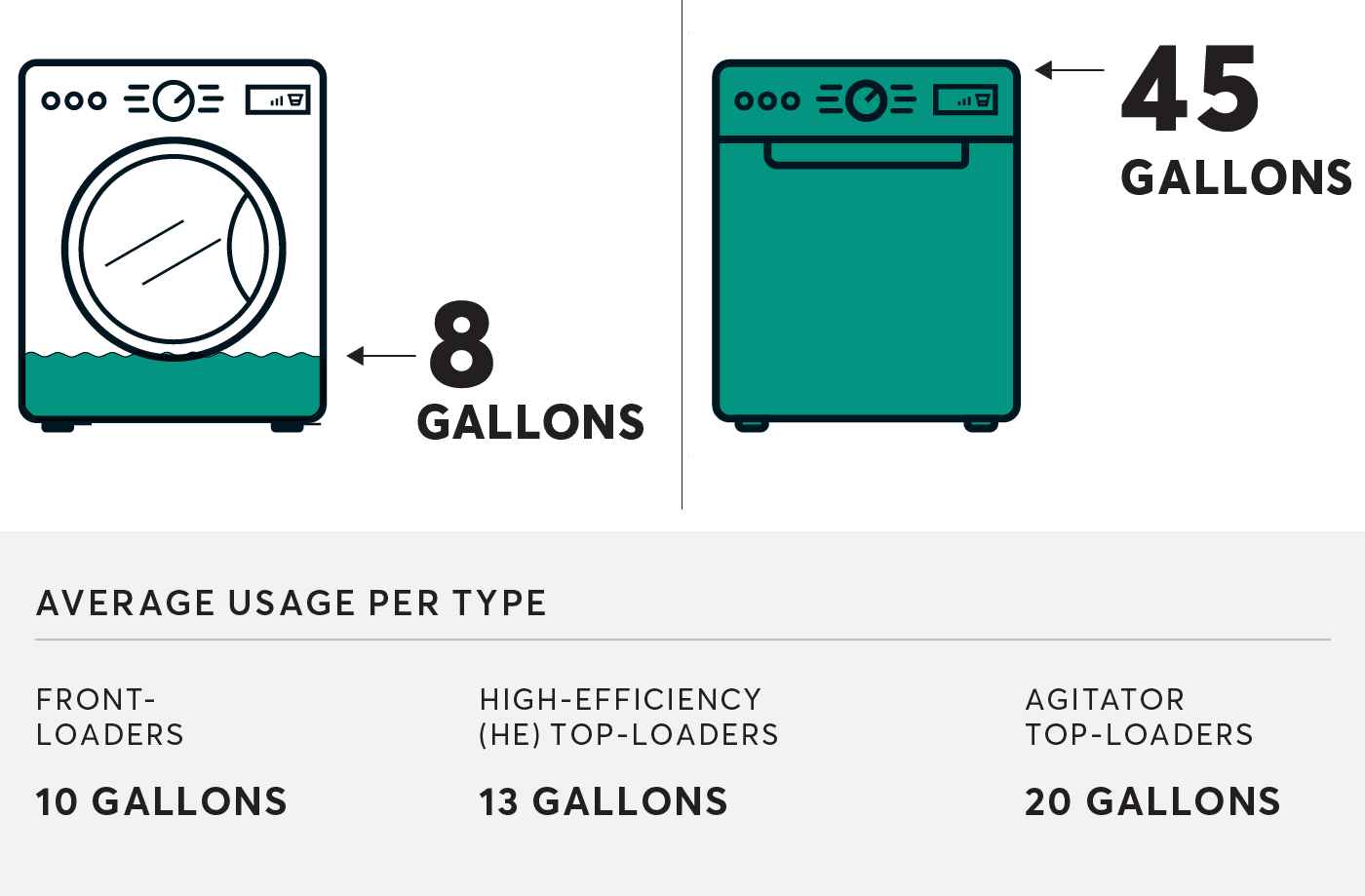
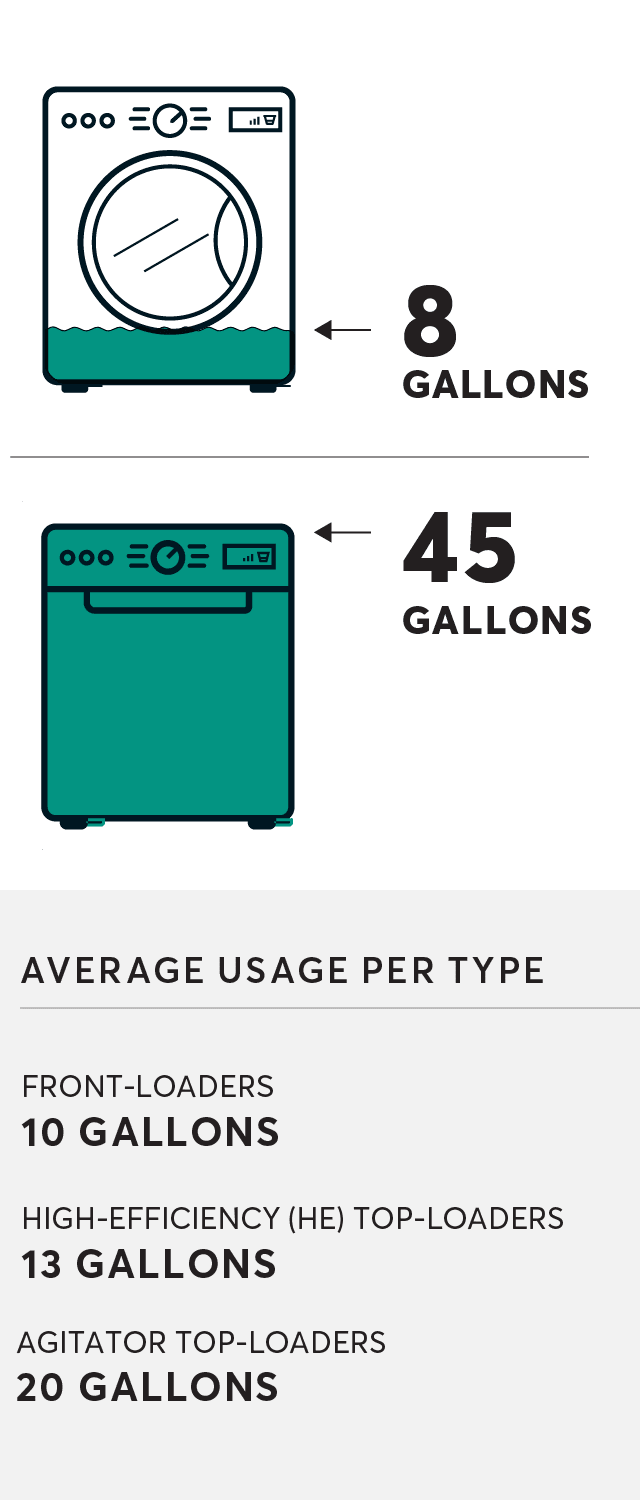
In our water-efficiency test, a washer earns an excellent rating if it uses 13 gallons or less. Only four of 40 agitator washers in our ratings hit that mark, while most front-loaders and many HE top-loaders earn a top-level score for water efficiency. In fact, many top-load agitators earn only a midrange or lackluster water-efficiency rating, using about 16 to 24 gallons per wash cycle for an average-sized load. The worst top-load agitators can guzzle 40-plus gallons of water during a load.
Doing full loads is one way you can save water. But if you’re not satisfied with how well your washer cleans, check the manual to mkae sure you’re not overloading the machine. Dirty laundry needs some wiggle room to get clean.
and least efficient washers in our tests
4. They’re Noisier Than Other Types of Washers
As a group, top-load agitator washers tend to be noisier than HE top-loaders or front-loaders. That’s not a big deal if your washer is tucked away in a basement, but it can test your patience if your laundry room is near your bedroom.
Our panelists judge each washer’s noise levels during the fill, agitate/tumble, drain, and spin cycles. None of the agitator models in our tests earned an excellent rating for noise, but a handful earned a very good rating, meaning they’re audible but not loud enough to disturb you. Most earn an acceptable or less than satisfactory rating, indicating they make sustained noise during use.
Another noise factor to be aware of: If a laundry load gets out of balance, your washer may seem, well, agitated. It could make loud thumping sounds, rock back and forth, or even “walk” out of its space. If that happens, stop the wash and move the clothes around to rebalance the load. When the load is finished, use a level to ensure that the machine sits evenly. Check that the washer is level from front to back and side to side, then tighten the lock nuts on the feet to keep it in place.
5. They’re Often the Least Expensive Option, but Newer Models Can Be Pricey
Top-load agitators have long been about function instead of form. But manufacturers now offer models that are more stylish and have larger capacities, pushing prices up to $1,500. At the same time, prices of other types of washers have come down. So the price gap between top-load agitators and front-loaders is narrowing slightly compared with years past.
“Manufacturers are leaning into new features, updated designs, and expanded color options to help their washers stand out in a category that generally changes slowly,” Chilicki says. “Shoppers should keep this in mind. As top-load agitator washers add more bells and whistles, prices can increase, perhaps into the starting price range of a front-load washer. Cutting through the marketing and focusing on the features that matter most to you can help you stay on budget.”
Best Agitator Top-Load Washers
These six highly rated and CR Recommended models also earn respectable scores for energy and water efficiency in our lab tests. And while top-load agitator washers are positioned as the more budget-friendly alternative, manufacturers have begun to include more advanced features, such as transparent lids, stainless steel finishes, and WiFi connectivity, that can drive up the price.
 BEST TIME TO BUY:


