Why Your Next TV May Have Mini LEDs
This backlight technology can help boost brightness and contrast in LCD/LED TVs from Hisense, LG, Samsung, Sony, TCL, and other brands

When you shop through retailer links on our site, we may earn affiliate commissions. 100% of the fees we collect are used to support our nonprofit mission. Learn more.

Keeping up with new TV tech isn’t easy. Every few years, shoppers see new marketing jargon for features that promise impressive improvements but often don’t live up to the hype.
But we’re actually excited about one newer technology, Mini LEDs in TV backlights. These really make a difference in how some higher-end LCD/LED TVs perform.
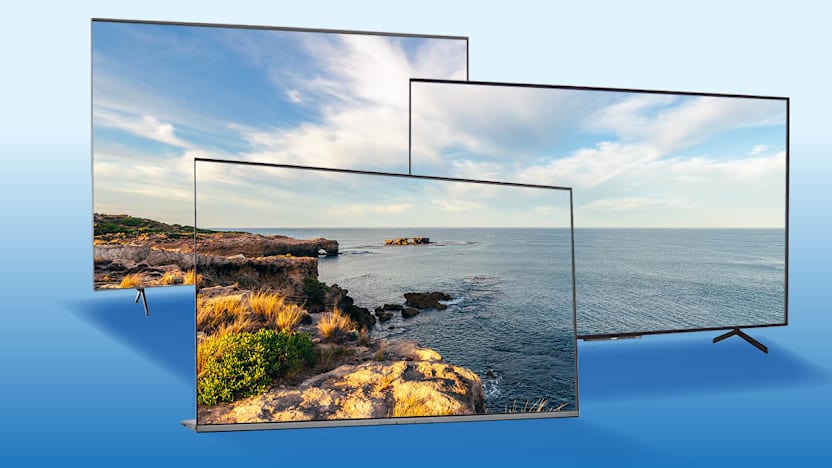
Televisions with Mini LED backlights can deliver improved brightness, contrast, and black levels. The technology started appearing several years ago in TCL sets, but you can now find it in TVs from other brands as well, including Hisense, LG, Samsung, Sharp, and Sony.
In 2026, we’ll also see some TVs with an even newer Mini LED technology: RGB Mini LED, which uses colored LEDs in backlights to offer an even wider range of colors and improved brightness.
Mini LEDs Improve Local Dimming
Mini LEDs in the backlight take local dimming to a whole new level. By shrinking the size of the LEDs, companies can pack more of them together—many thousands in each TV. Because the LEDs are so small, there can be a lot of dimming zones—say, a thousand zones, instead of the dozens typically found in even the best LCD sets without Mini LEDs. These zones can be controlled precisely to help improve contrast and black levels and reduce halos.
By increasing the dynamic range of the TV—the difference between the brightest whites and deepest blacks—Mini LEDs can also help boost a TV’s HDR (high dynamic range) performance. That means you’ll be able to see all the detail in a darkly shadowed scene.
Combine these factors and Mini LED sets can perform more like OLEDs while retaining some traditional LCD benefits, such as better brightness and a wider choice of brands and screen sizes. One big trend last year was companies focusing on improving Mini LED performance by exerting more precise light control and increasing LED efficiency. This can produce even brighter images and further reduce halos around brighter objects on dark backgrounds.
The technology has been gaining momentum. Mini LED backlights are now used by many brands and are no longer relegated to the most expensive LCD sets.
RGB Mini LEDs Are a Colorful Addition
One of the biggest TV stories in 2026 is the arrival of RGB Mini LED TVs, from companies including Hisense, LG, and Samsung. These LCD sets use thousands of tiny red, green, and blue LEDs in the backlight to create color directly, rather than relying on a white or blue backlight with color filters. Like other Mini LED TVs, they use local dimming, which allows each zone to be adjusted for both brightness and color. Samsung calls its versions Micro RGB, LG uses the term Micro RGB evo, and Hisense brands them as RGB MiniLED TVs.
RGB Mini LED TVs promise extremely high brightness—up to 10,000 nits in some cases—and a wider color range than other sets. By comparison, most 4K content is mastered at 1,000 nits, with some Dolby Vision titles hitting 4,000 nits, levels very few TVs can reach today. Once limited to massive, ultra-expensive displays, RGB TVs are now coming in more practical sizes, starting at 55 inches. Pricing will be announced later this spring when the first RGB Mini LED sets become available, but we expect them to be comparatively expensive.
Consumer Reports has been impressed with the Mini LED models we’ve tested. “We’ve seen that Mini LEDs can make an improvement in the local dimming feature, with better control of black levels and dark scenes, and significantly reduced haloing effects,” says Matt Ferretti, who heads TV testing at CR. These sets have done well in our ratings and delivered top-notch HDR performance.
Here are a few models we’ve tested with Mini LED backlights that have done well in our ratings.
 BEST TIME TO BUY: