Home & Garden
Get the latest in-depth ratings, reviews, and buying advice on all of your favorite home and garden products, so you can make the right choice.





Inside Our Test Labs
CR’s engineers test and rate thousands of products so that you can make great choices, based on data.


Bed & bath
Get the latest in-depth reviews, ratings, and buying advice for bed & bath products.

Home improvement
Get the latest in-depth reviews, ratings, and buying advice for home improvement products.

Kitchen
Get the latest in-depth reviews, ratings, and buying advice for kitchen products.
Lawn & garden
Get the latest in-depth reviews, ratings, and buying advice for lawn & garden products.


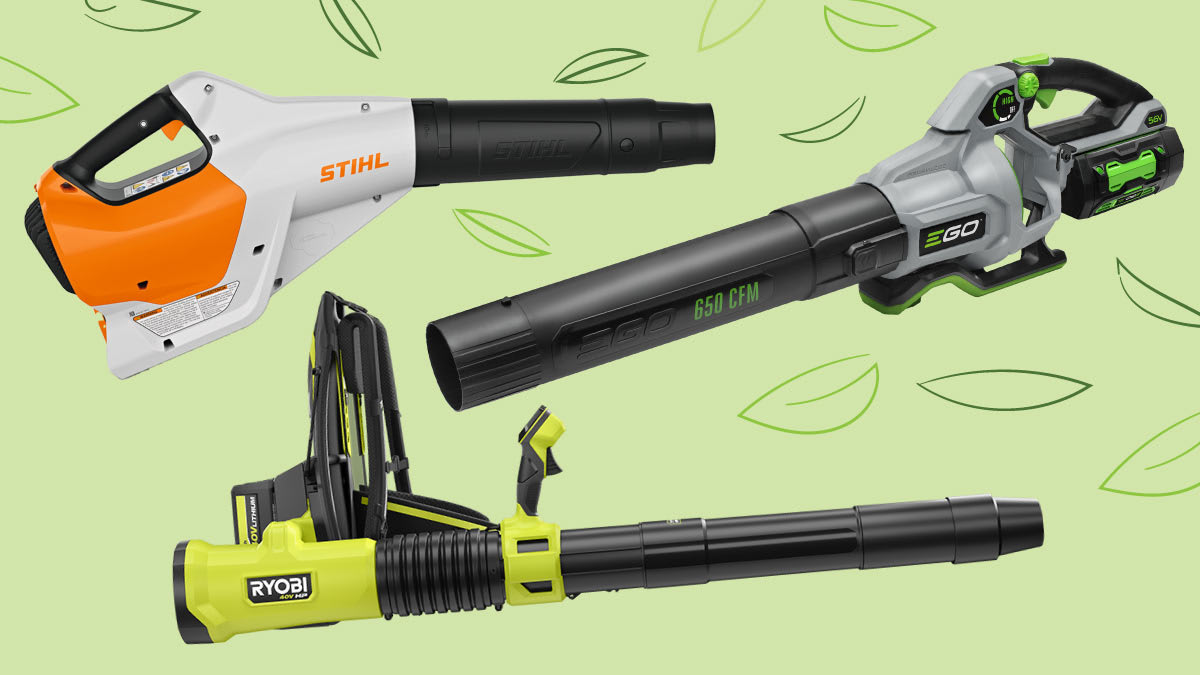
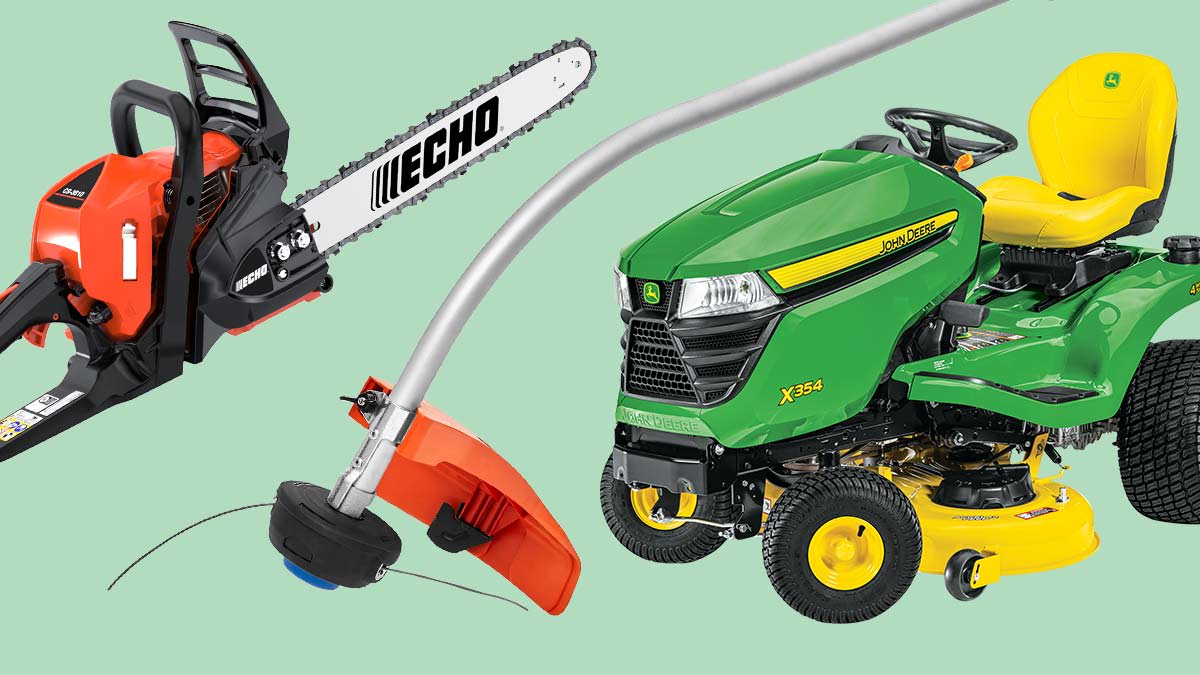
Tools & power equipment
Get the latest in-depth reviews, ratings, and buying advice for tools & power equipment.





An independent, nonprofit member organization that works side by side with consumers for truth, transparency, and fairness in the marketplace.

Mission-Driven Nonprofit
Promoting truth, transparency, and fairness

Consumer-Centric
85+ years of advancing consumer interests

Independent
No advertising, sponsorships, or free samples for testing
Learn about free membership benefits & more