We Tested 48 Baby Foods for Heavy Metals and Microplastics
In CR’s tests of packaged baby foods from 11 brands, including Earth’s Best, Gerber, and Happy Baby, 96 percent were below our risk level for heavy metals. But phthalates and microplastics present new concerns.


Consumer Reports’ most recent tests of packaged baby foods found lower levels of heavy metals in many purées, puffs, and cereals than we’ve previously seen. But for all of the FDA’s efforts to get “closer to zero” with harmful contaminants in baby food, manufacturers are still not there yet.
Previous CR investigations in 2018 and 2023 found concerning levels of heavy metals, including lead, cadmium, mercury, and the metalloid inorganic arsenic in packaged baby foods intended for children under 2.
Since those tests, the FDA has made updates to action levels and guidance for specific foods, like infant rice cereal and apple juice. Some states have increased transparency around heavy metal testing. But the federal government has yet to create consistent, overarching regulatory limits for contaminants across all the different foods children consume. (Meanwhile, those kids who were babies back in 2018? They’re now in elementary school.)
Also, since our original testing almost a decade ago, we’ve learned more about the health effects of microplastics, bisphenols, phthalates, and per- and polyfluorinated substances (PFAS), known as forever chemicals. Experts continue to raise concerns about the prevalence of these other toxic contaminants in the food we give our babies and kids.
For our 2026 tests, CR scientists analyzed 48 store-bought baby foods from 11 brands, including cereals, purée pouches and jars, puffs, bars, teething biscuits, and juice, for the heavy metals lead, cadmium, mercury, and arsenic, as well as bisphenols and phthalates. And for the first time at CR, some baby food products were also assessed for the presence of microplastic particles and forever chemicals.
“CR has been testing baby food for years, and these are our most reassuring results when it comes to heavy metal levels,” says Tunde Akinleye, a chemist and CR food safety researcher who has led all of CR’s baby food testing. “But there are some emerging contaminants that we detected that warrant further research.”
It is most important for families to understand that feeding infants commercial infant formula and the baby foods that their pediatrician has recommended is considered safe.
Pediatric endocrinologist and chair of the American Academy of Pediatrics’ Committee on Nutrition
Reducing exposure where possible is important, especially for young children, whose developing bodies and brains can be particularly vulnerable to the harmful effects of these contaminants. We have practical, expert-backed tips to help you navigate this, below.
It’s also helpful to remember that food safety awareness can help drive real progress: Since CR tested baby and toddler food for heavy metals in 2018, the mounting wave of consumer interest has put immense pressure on manufacturers to reduce heavy metal levels. Experts and advocates are hoping that greater consumer awareness and public pressure can have a similar effect in reducing plastics in food.
Heavy Metals and Plastics in Baby Food: What CR Tested For and Why
Heavy Metals
What they are: Heavy metals like lead, mercury, cadmium, and the metalloid arsenic (for simplicity, we’ll group arsenic with the other heavy metals from here on out) are toxic elements that exist naturally in the environment but can also enter it through pollution and industrial activities, and they don’t break down or disappear. Avoiding all heavy metals is almost impossible because these substances are everywhere on earth, says Hannon, including in soil and water. They’re also prevalent in our food supply: Lead, arsenic, and cadmium are often found in fruits, vegetables, and grains such as rice—the very ingredients used to make baby food. Mercury is sometimes found in rice and is often detected in seafood and seaweed.
Health effects: Even low levels of heavy metals like lead and cadmium can accumulate in body tissues and pose health risks, with the effects depending on factors such as the level and duration of exposure. In children, heavy metal exposure can affect brain development and contribute to learning problems, Hannon says.
Timing is also a factor: The first 1,000 days of life, defined as the period between conception and age 2, are marked by rapid growth and development and are considered foundational for a child’s future health. Exposure to heavy metals, such as lead, during this period is irreversible, says Liz Daniels, DO, a pediatrician specializing in childhood nutrition. “So avoidance is the primary prevention,” she says.
We keep testing baby food for heavy metals at CR because the issue is still persistent, despite a drop in levels: A 2026 review study analyzing 75 studies of heavy metal concentrations in baby food and infant formulas conducted over the past decade found that more than 60 percent of 580 baby foods and 251 infant formulas worldwide (in total, 831 products) contained detectable levels of lead, cadmium, and arsenic, while mercury was detected in 34 percent.
Plastic Contaminants
What they are: Bisphenols and phthalates are synthetic compounds that are used to improve the performance of plastics. BPA is the most recognized member of the bisphenols class, and is often used to make rigid plastics. Phthalates, on the other hand, are often used to make flexible plastics.
Both bisphenols and phthalates can be intentionally added to certain products, and while their use in food packaging is somewhat restricted, it is not fully outlawed. Bisphenols and phthalates can also be found in the air we breathe, the water we drink, the dust around us, and the personal care products we use. But food is considered a major source of exposure to these compounds because of the way some food is packaged—in plastic, which may contain bisphenols and phthalates to improve performance. These compounds can then leach into food from the plastic packaging. They can also enter food through contact with production equipment.
Health effects: Babies and young children are especially vulnerable to these compounds. Their rapid growth and development are orchestrated by a complex mix of hormones, and these substances can interfere with those signals, says Jane Houlihan, research director of Healthy Babies Bright Futures. BPA is a suspected endocrine disruptor, and phthalates are known endocrine disruptors. Research has linked them both to altered hormone levels, disruptions to growth and development, decreased immune function, and increased risks of diabetes and cancer.
There’s still a lot we don’t know yet about exposure to plastic additives. Some questions remain unanswered, such as whether there’s a critical window of exposure in early life that creates a greater long-term risk, as research has shown with heavy metals, Daniels says. More research is also needed to understand the impact of long-term exposure to these compounds.
PFAS
What they are: Known as forever chemicals because of their persistence in the environment, PFAS are a large group of synthetic chemicals (numbering more than 21,000) that have a very strong carbon-fluorine bond that makes them very difficult to break down. PFAS are often used to make cookware and other surfaces nonstick or water-repellent and have long been used in firefighting foam to make it more effective.
Health effects: Exposure to PFAS is widespread, and we still don’t know the true health effects of exposure to these highly persistent chemicals. Like plasticizers, PFAS can move through the environment via air, water, and dust. Some studies have shown that PFAS exposure can delay puberty in girls, which can lead to other long-term health conditions. Research has also shown a link between PFAS exposure and type 2 diabetes risk. A 2024 study found that exposure to PFAS in early childhood may reduce the effectiveness of routine childhood vaccinations.
Microplastics
What they are: Tiny, microscopic plastic pieces known as microplastics are typically created when larger plastic items break down, though they can also be purpose-made (like in facial scrubs). These particles have been found in the air, soil, and waterways—making them almost impossible to avoid. “They’re in the bodies of nearly everyone,” says Houlihan, who also says that because microplastics cross the placenta, many babies have already been exposed even before birth, “and new exposures happen every day.” Recent studies have shown that microplastics can be found in umbilical cord blood and breast milk. They’re also found in a wide range of packaged foods, including infant formula and store-bought meats, seafood, and plant-based proteins.
Microplastics are an emerging hazard in food safety, and research into both their prevalence in our food supply and their health effects on humans is still evolving. The presence of microplastics in baby food may originate from food packaging, as a recent Greenpeace study concluded. But that’s probably not the only source of exposure: Food processing could also play a role, including the shedding of plastics from protective clothing and masks worn by employees working in food production; these items are often made of plastic-based fibers matching those found in foods.
Health effects: Houlihan says that these tiny particles can carry harmful plastic additives into the body’s organs and cells, potentially adding to the background exposures we already get every day. Some early studies have shown that microplastics can be associated with DNA damage, and may affect organ function, immune response, and brain function, as well as reproductive and developmental health.
Because microplastics are so widespread and exposure to these contaminants is so unavoidable, we need more research into their health effects, especially for babies. “Infants are not small adults,” says Minghua Tang, PhD, professor, Lillian Fountain-Smith Endowed Chair of Nutrition, and director of the Pediatric and Lifespan Nutrition Science Lab at Colorado State University in Fort Collins. “We cannot simply apply standard approaches derived from adult models to infants.” Given that babies and young children eat more per unit of body weight than adults, they’re likely more vulnerable to these contaminants.
How CR Calculates Risk From Contaminants
It’s difficult to avoid heavy metals, forever chemicals, and plastic-based contaminants. But reducing exposure where you can matters.
To help put our results into perspective, CR’s scientists set a “level of concern” for the heavy metals, bisphenols, phthalates, and PFAS we tested for, based on the risks of cancer and other health effects from early-life exposure. To determine this level, we estimate how much of each contaminant a child under age 2 could consume from one serving of the products tested, and compare that amount to the most health-protective regulatory limits (including those sourced from the FDA, the Environmental Protection Agency, the European Food Safety Authority, and California’s Office of Environmental Health Hazard Assessment) for each contaminant. Any estimated intake above the limit would be concerning, according to our tests—for products above these limits, we’ve recommended serving limits to reduce potential exposure.
The health-based guidelines CR uses take into consideration consumers’ average exposure over time, as well as dietary frequency, to calculate whether a product exceeds those limits. But it’s important to note that Consumer Reports assumes the labeled serving recommendation of the product in its risk assessment calculations. This difference in methodology means no legal judgments can be made from CR’s findings. Our results are meant to provide guidance on which products have comparatively higher levels of contaminants, not to identify the point at which contaminant exposure will have measurable harmful health effects or to assess compliance with a law.
CR’s approach to calculating the risk from phthalate exposure is also worth an explanation: CR’s level of concern for DEHP, one of the most widely used phthalates, is derived from the most protective exposure limits for infants and toddlers available, California’s Proposition 65 list (managed by OEHHA). DEHP was last added to this list in 2003. In the more than two decades since, we’ve continued to learn more about the health effects of phthalates. Current research highlights health effects at much lower exposure levels than those reflected in the Prop 65 limit. That’s why, as a secondary reference point, CR scientists also compare phthalate levels from this test with current research on health-related effects at the lowest levels of exposure.
CR has not established a level of concern for microplastics, given that no regulatory agencies have published standards to date. While the FDA recognizes the presence of microplastics in food, the agency states on its website that the presence alone “does not indicate risk” and that current scientific evidence does not show that the levels of microplastics in food pose a risk to health. The agency states that it is actively monitoring the research on microplastics, and it can take regulatory action if the evidence points to harmful health effects. But given how long it’s taken for action on heavy metals to go into effect, this could take years.
In our tests, we looked at both the amount of microplastics present in the 16 products we tested and the range of particle sizes, which can help inform how they may affect body tissues. Essentially, the smaller the particle size, the greater the potential for microplastic particles to enter the body’s circulation system and find its way into other organs and tissues.
For more on our testing, you can view our test methodology and full results.
How We Tested Baby Food
A closer look at CR’s baby food testing:
- Using secret shoppers, we purchased two to four lots of each of the 48 baby food products in our tests, and sent them to an accredited outside laboratory for testing.
- Each product was analyzed for the levels of total arsenic, cadmium, lead, and mercury, as well as bisphenol A (BPA), bisphenol F (BPF), bisphenol S (BPS), and 13 highly common phthalates.
- Any products that had detectable levels of total arsenic underwent further testing for inorganic arsenic and organic arsenic species. (Inorganic arsenic is considered to be the most harmful form of arsenic.)
- A subset of 32 baby food products, at two to four lots each, was tested for 30 different PFAS, based on the packaging type and the evidence in scientific literature of PFAS use.
- A separate subset of 15 purées and one juice, at two to four lots each, were tested for microplastics, in which we looked for both quantity and particle size. These samples were chosen based on our test lab’s requirements, which could analyze only uniformly ground and clear liquid samples.
It’s important to note that our results are a snapshot in time, and manufacturers may update their product ingredients and production processes at any point, which could affect their results.
What Our Testing Found
Concerning Contaminants Found in CR’s Baby Food Tests
Select a contaminant to see the amount detected in one serving of the baby foods we tested, expressed in parts per billion (PPB). For phthalates, results are based on 1 gram.
Inorganic Arsenic
Positive Progress on Reducing Heavy Metals in Baby Food
In 96 percent of the baby food products tested, we found that heavy metals such as lead, cadmium, mercury, and inorganic arsenic were below CR’s level of concern for each contaminant. That’s very good news, and reflects good progress in the effort to get closer to zero.
Here are some overall takeaways from CR’s testing.
Detectable heavy metals in most products: Of the 48 products we tested, we detected inorganic arsenic in 37 (77 percent), cadmium in 38 (80 percent), and lead in 41 (85 percent). Mercury was detected in only two products (4 percent).
Multiple heavy metals in some products: Inorganic arsenic, lead, and cadmium were all present in 30 products. Cadmium and lead were both present in 33 products at detectable levels, though not above CR’s level of concern.
When multiple heavy metal contaminants are present in a single product, experts worry about synergy—that the combined effect in the body could be more harmful than a single contaminant alone. More research is still needed in this area. “Emerging evidence still shows that mixtures of heavy metals may exert stronger effects than individual metals alone, although research is limited and are mostly observational,” says Tang, the researcher from Colorado State University.
Higher heavy metal levels in snacks compared to other food types: In analyzing our results, CR scientists also noticed certain patterns. “In general, higher levels of inorganic arsenic, cadmium, and lead were found in baby food snacks, such as puffs, melties, biscuits, rice rusks, and bars, than they were in purées of any type,” says Akinleye, the lead scientist on our baby food testing. This could be because packaged snack foods are often rice- or grain-based, which can tend to harbor more heavy metals based on their growing conditions.
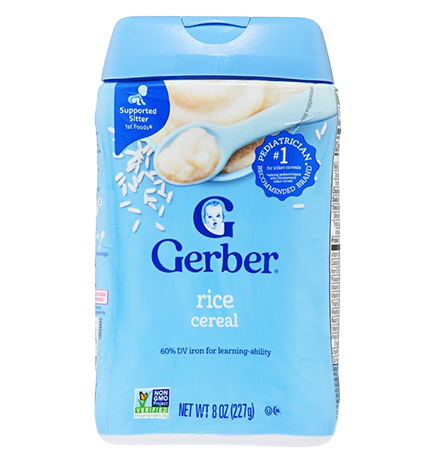
High inorganic arsenic levels in some foods: A couple of products had concerning levels of inorganic arsenic. Gerber Rice Cereal averaged 63 ppb inorganic arsenic and, at one serving per day, exceeded CR scientists’ level of concern. FDA action levels specify that infant rice cereal should be below 100 ppb for inorganic arsenic, though this limit is not mandatory, and CR has long argued that the limit is too high.
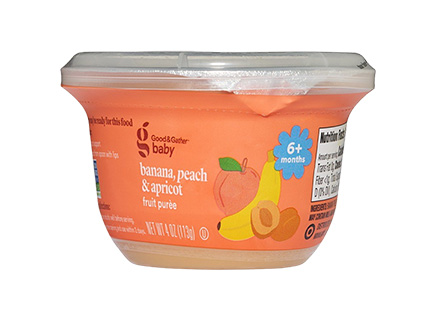
We also found that Target’s Good & Gather Baby Banana Peach Apricot Fruit Purée had levels of inorganic arsenic that exceeded our level of concern. The FDA has not finalized its guidance for acceptable levels of inorganic arsenic in baby food purées. CR experts recommend limiting your child’s servings of these foods.
Lower heavy metals in some “repeat” products from CR’s tests: Two products we tested in both 2018 and 2023 showed lower levels of heavy metal contamination in our 2026 tests than in our previous tests, though it’s important to note that formulas and recipes can change over time.
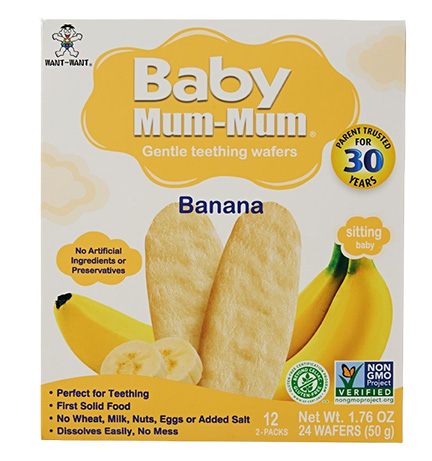
In 2018, our tests of Baby Mum-Mum Banana Rice Rusks showed elevated levels of heavy metals, and in 2023, CR tests of the same product found even higher levels of heavy metals than we found in 2018. Our 2026 tests found no significant issues with heavy metals in this food, but we did detect BPA at a comparatively high level, which would mean limiting the snack to no more than a half serving per week—or just two times per month.
We also tested a version of Beech-Nut’s Sweet Potato purée, sold in glass jars, in 2018, 2023, and again in 2026. We noticed no change in heavy metal levels between 2018 and 2023, and CR scientists recommended just half a serving per day of this food, given the level of heavy metals detected. In 2026, we found no concerning levels of heavy metals in the product.
Little difference between organic and conventional baby foods: Our tests did not show noticeable or consistent differences in heavy metal levels when comparing organic products with non-organic ones. What this means for parents: Choosing an organic store-bought baby food may reduce exposure to synthetic pesticides, but can still present risks from heavy metals. Organic and conventional foods are both subject to environmental exposures from heavy metals in soil or water. “Both the organic and conventional models in our tests were equally likely to be contaminated with heavy metals,” Akinleye says.
PFAS Levels Were Not Concerning
In addition to lower-than-ever levels of heavy metals in baby food, some more good news: We did not detect concerning levels of PFAS in the tested products. In five of the six infant cereal products we tested, we did find low levels of the PFAS 6:2 fluorotelomer sulfonate (6: FTS), but the estimated intake of one serving of these cereals was well below the CR level of concern for this compound, which means you don’t need to worry about serving your baby these foods, even every day.
More Effort Is Needed to Reduce Phthalates and Bisphenols
Our testing on phthalates in baby food showed that we need more effort around reducing these contaminants. In 81 percent (39 of 48) of the products we tested, we found at least one, and sometimes as many as six phthalates present, though in many cases at levels below CR’s defined level of concern. This risk level is based on California’s Proposition 65 safe-harbor exposure levels, which are health-based thresholds for exposure to chemicals known to cause cancer or reproductive harm. “But those established limits are not keeping pace with current evidence about the negative health effects from phthalates,” Akinleye says. “More recent research shows that negative health effects from phthalates in humans are associated with much lower levels of exposure and regulatory limits should be updated to reflect this newer research.”
In our tests, we most commonly found evidence of the phthalates DBP, DiBP, DMP, and DEHP, which have been well studied for their roles as endocrine disruptors, as well as the phthalate replacements DEHA and DEHT (which are not necessarily safer, CR scientists say). Though the levels we found were below risk levels in our calculations, CR experts still urge consumers to be aware of these contaminants: Approximately 40 percent of the products we tested (19 of 48) had levels of DEHP that exceeded the amount found in recent research to be associated with negative health effects.
We also tested two baby food products that we had previously tested for phthalates in 2023. In both cases, the phthalate levels in our 2026 tests were much lower, showing good progress.
In 2023, Gerber Infant Rice Cereal had 1,599 nanograms per serving total phthalates. In 2026, that level dropped to 288 ng per serving. Our 2023 tests of Beech-Nut Fruities Pear, Banana & Raspberries found 2,868 ng per serving of total phthalates, and in 2026, we found 1,848 ng per serving.
Except for the Baby Mum-Mum product noted above with a comparatively high level of BPA, the remaining products in CR’s tests had nondetectable levels of bisphenols.
Microplastics Are Highly Common in Packaged Baby Foods
We tested a subset of 16 baby food products for the presence of microplastic particles: one juice, and 15 purées packaged in both plastic pouches and glass jars. We found strong evidence of microplastic particles in each of the 15 purées we tested. The particle sizes we found ranged from 15 to 500 micrometers, though the majority were in the 15- to 25-micrometer range, which is about midsized. The smallest particle size we were able to detect was 15 micrometers, though it’s possible that there are also large numbers of smaller particles, including particles 1 micrometer and below, that we were unable to detect.
The highest amount of microplastics we found in our tests of packaged baby food was in the Gerber Organic Plant Protein Banana Berry and Veggie Smash Purée with Oats, sold in pouches; Walmart’s Parent’s Choice Stage 1 Baby Food Carrot Purée, sold in plastic tubs; and the Beech-Nut Stage 2, Turkey, Butternut Squash, Corn, Spinach pouch.
ND = not detected. Particle counts are for one serving at the size listed on the package.
Dot placement within each circle is illustrative and does not indicate where particles were found in the product.
Baby food manufacturers tend to use plastic packaging, such as pouches or tubs, rather than glass jars because of the lighter weight, which makes the products easier (and less expensive) to transport. But our testing shows that baby food packaged in glass isn’t immune to microplastic contamination. Beech-Nut Classics Stage 1 Chicken & Chicken Broth, sold in glass jars, contained an average of 330,079 microplastics per jar in our tests. Though it’s considerably less than the amount we found in the Parent’s Choice carrot purée tub, which was 814,589, this finding raises the question: Why might we be seeing microplastics even in baby food sold in glass jars? It’s possible that the tight-fitting lids, which are typically lined with plastic or vinyl to create a tight seal, could be a source of microplastic particles.
Our findings echo recent Greenpeace research on microplastics in baby food, which found particles in every sample analyzed. The Greenpeace study found more than 5,000 microplastic particles in each Gerber baby food pouch tested, and 11,000 microplastic particles in each Happy Baby pouch tested.
It’s still early days when it comes to our understanding of how microplastics affect health through acute and chronic exposure. But some research has shown that toxic polymers found in microplastics can have detrimental effects on health, including affecting brain development, reproduction, and metabolic disorders.
The microplastic particles identified in the products in our tests overall included synthetic polyamide (nylon), polyurethane, polytetrafluoroethylene (Teflon), polyethylene, polypropylene, and others. We didn’t test the packaging’s plastic composition as part of our analysis, but baby food pouches and packaging could be a source of microplastic contamination, given what’s known about their construction. Friction between the food and the package lining could cause microplastic particles to shed, whether during transport or the act of squeezing the pouch when eating. It’s also possible that these particles could be the result of other materials food comes into contact with during the production process, such as machinery, tools, and the protective garments worn by food production workers.
There are currently no regulatory limits on microplastics, but CR experts and others are pushing for enforceable standards for microplastics and other contaminants in baby food.
See the full results of CR’s tests on baby food below.
Take Action
We need strict federal standards to get heavy metals and microplastics out of baby food. Tell Congress to take action now.
Baby Food Companies Respond
We contacted each of the 11 companies that manufacture the products we tested to ask about their routine testing practices, their limits for heavy metal contaminants, and whether they consistently test for plastic contaminants and forever chemicals in their products. We heard back from nine companies.
Baby Mum-Mum: We tested two varieties of Baby Mum-Mum’s rice-based teething biscuits, and both were below our level of concern for heavy metal contaminants, a positive change since our tests in 2018 and 2023. A spokesperson for Baby Mum-Mum told CR that the company takes special measures for rice-based products, “with particular attention to inorganic arsenic in rice.” The spokesperson said that it tests both raw materials and finished products for heavy metals, and that “in response to AB 899 and its implementation requirements, we revised our heavy-metal testing program for foods intended for infants and young children.”
In our 2026 tests, we found elevated levels of BPA in the three lots we tested of Baby Mum-Mum Banana Teething Wafers. CR specifically asked whether the company tests its packaging for BPA. The company said, “Our testing program is risk-based and aligned with applicable regulatory requirements and customer specifications, and includes both packaging and raw-material controls.” The spokesperson also said they disclose testing information as required by law and will continue to monitor the FDA’s scientific assessments and regulatory developments “as appropriate.”
Beech-Nut: We tested eight different products from Beech-Nut. All were below our level of concern for heavy metals, but we detected phthalates and microplastics in some. The company told CR that it tests its baby food products regularly through accredited labs and that it’s focused on safety for the families it serves and is committed to continuous improvement “as science, data, policy, and validated testing methods evolve,” a spokesperson said.
Cerebelly: We found detectable levels of the phthalate DEHP and noted the presence of microplastics in the samples we tested of Cerebelly’s Organic Sweet Potato Chicken Broth pouch. We didn’t find any heavy metals over CR’s level of concern. A spokesperson for Cerebelly told CR that “In an environment where many contaminants have no standards or regulations and very limited monitoring tools, we regularly monitor and work with our suppliers to mitigate these contaminants.” The company said it adheres to Prop 65 limits for heavy metal contaminants. Cerebelly also states on its website that the company uses BPA- and phthalate-free packaging. When asked about this, given our phthalate findings, the spokesperson said, “We purposely use BPA-free and phthalates-free packaging. Without any chain of custody visibility of the product that was tested, we are unable to verify the source based on the testing data provided.” CR asked if Cerebelly would consider publishing its internal testing standards or results for these contaminants in an effort to improve transparency, and the spokesperson said, “We do not disclose this data because there are no published standards for these contaminants to measure against.”
Gerber: Of the 14 baby food products we tested from Gerber, one—the rice cereal—had levels of inorganic arsenic beyond CR’s level of concern. We also detected phthalates, PFAS, and microplastics in several products. “All Gerber products are safe as well as nutritious, including our rice cereal and rice-based snacks. These products meet all applicable FDA limits for heavy metals, as well as our own strict standards,” a spokesperson for Gerber said, noting that the company tests for more than 500 toxins and contaminants. “We test crops, water, ingredients, and final products to ensure we deliver on our promise to make high quality, safe baby food.”
The spokesperson also told CR that the company tests for bisphenols, phthalates, and PFAS in raw materials and packaging. “We also understand that any reported detection in baby food can be concerning for parents,” the spokesperson said, noting that Gerber shares those concerns and that the research on microplastics specifically is still evolving. “Researchers, regulators, and public health experts continue to study how and where these substances occur, how exposure should be evaluated, and which approaches could be most effective for identifying and managing food-safety concerns. … Today, there is no standardized methodology for measuring microplastics in food,” the spokesperson said.
Good & Gather (Target): One Good & Gather purée we tested contained an amount of inorganic arsenic that exceeded our level of concern. We also detected phthalates and microplastics in some products. After publication, a Target spokesperson said: “The safety of our guests is our top priority. We require our vendors to comply with all applicable federal, state, and local requirements. We closely monitor regulatory guidance and work with our vendors to ensure that our products meet the quality and safety standards our guests expect.”
Happy Baby Organics: In our 2023 tests, Happy Baby Organics Superfood Puffs had the highest average levels of arsenic and lead of all baby food products CR tested that year. Happy Baby has since discontinued production of its Superfood Puffs. This time around, no Happy Baby or Happy Tot products rose to our level of concern for heavy metal contaminants, though we did detect the presence of phthalates in some Happy Baby snacks, still below our level of concern. “Happy Baby and Happy Tot products are produced with strict quality and food safety standards and methods, in line with all FDA food safety guidelines and regulations. All Happy Baby and Happy Tot food products are safe,” a spokesperson said.
Little Spoon: We didn’t find any heavy metals above CR’s level of concern in the Little Spoon products we tested, but we found detectable levels of phthalates in the puffs and microplastics in the purée samples.
“Our commitment is to lead on testing and transparency, and that work is never finished,” a Little Spoon spokesperson said. “A clear government standard for microplastics and phthalates would help the entire food industry, and we would welcome one.” Little Spoon also shared that the company maintains its “Always Tested” standard, in place since 2024, which screens for more than 500 toxins and contaminants. “Always Tested now covers our entire infant and baby portfolio and extends to select toddler products, screening for heavy metals, BPA/BPS, pesticides, glyphosate, and acrylamide, with results published for any parent, not only our customers, through our Transparency Hub,” the spokesperson said.
Parent’s Choice (Walmart): The three Parent’s Choice products we tested were all below CR’s level of concern for heavy metals, though we detected phthalates in two products and microplastics in the samples of carrot purée we tested. “We are committed to providing customers with safe, affordable, and quality products, supported by strong processes and verification procedures designed to help drive regulatory compliance and uphold our standards,” said a Walmart spokesperson.
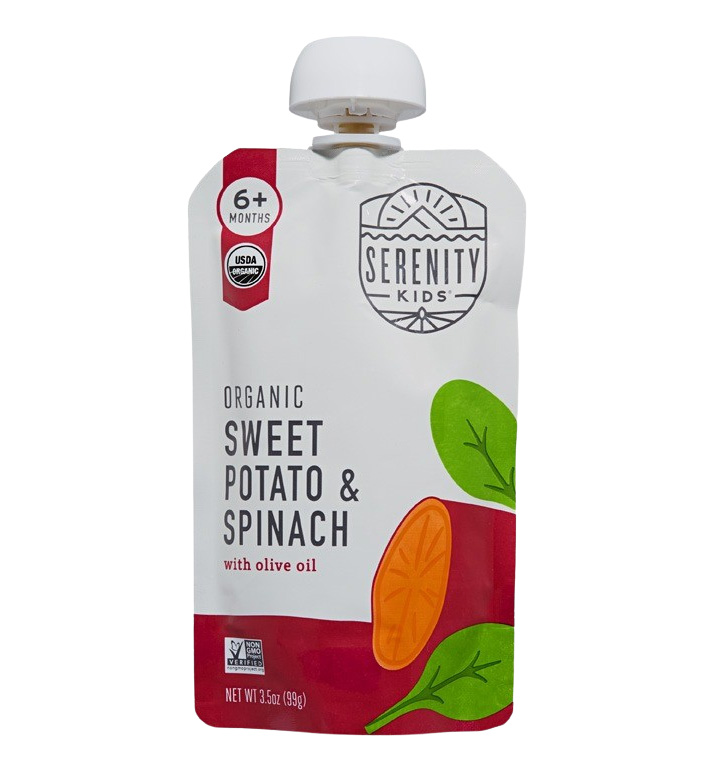
Serenity Kids: We detected phthalates and microplastics in the pouch we tested from Serenity Kids, but no heavy metals above our level of concern. “We will continue to monitor regulatory guidelines as they are developed, including for microplastics, and we will continue to adapt as the science and the standards evolve,” a spokesperson for Serenity Kids said.
We also contacted Earth’s Best and Plum Organics about our test results but didn’t hear back after multiple requests for comment.
What Our Findings Mean for Families
Starting solids with your little one can already feel complicated—there’s no step-by-step playbook to follow—on top of worrying about contaminants in your baby’s food. Daniels says that over the last decade, she has seen “waves of heightened concern” over food safety from parents in her practice, the result of which has been “overall hesitancy in starting solids and advancing an infant’s diet altogether.” But children need both the additional micronutrients and the opportunity for oral skill development that starting solids at 6 months provides, Daniels says. Contact your pediatrician for support and suggestions—they can help you understand your baby’s needs and risks and offer tailored advice. And when your baby is ready, try to offer a wide variety of foods and textures, she says.
That advice—to aim for variety in the foods you offer your baby—was echoed by every expert we spoke to as a way to reduce your baby’s exposure to food contaminants. Here are more expert-backed, actionable tips to reduce your baby or toddler’s potential exposure to contaminants.
Focus on Iron-Rich Foods
Lentils, chickpeas, peas, meats, and fatty fish are all good sources of iron, which has been shown to help prevent heavy metal absorption, specifically lead, says Daniels. AAP also updated its guidelines for iron deficiency anemia in July 2026 to recommend iron supplementation for exclusively breastfed babies between the ages of 4 and 6 months (though the guidelines do not mention iron’s role in reducing heavy metal absorption). For children over the age of 1 year, AAP recommends limiting excessive cow’s milk intake, in part because high amounts of calcium and casein (a milk protein) found in milk have been shown to inhibit iron absorption.
Skip or Limit Rice-Based Cereals and Snacks
Many rice-based cereals are fortified with iron, but several practitioners we spoke to recommend skipping them, given rice’s tendency to absorb arsenic during its growing process (CR has more guidance on cooking rice at home to reduce arsenic levels). Instead, look for first-food infant cereals made from bulgur, oats, sorghum, quinoa, or wheat.
Rotate Root Vegetables
Because they have more contact with soil, root vegetables like carrots and sweet potatoes can carry a bigger risk of exposure from heavy metals that may be present in soil. (Scrubbing or peeling root vegetables can help reduce some exposure to contaminants, though it may not remove metals that have been absorbed into the vegetable.) This doesn’t mean you should never serve them, but rotating throughout the week is best. Look at other products, too: Root vegetables “also tend to be the base ingredient for baby purées, puffs, pouches, and cereals, so processed products can subtly repeat ingredients throughout the day,” Daniels says. Check labels for the primary ingredients, which are listed in order of amount.
Eat With the Seasons to Increase Variety
Feeding your baby and toddler a wide variety of whole foods, including a range of fruits, vegetables, grains, legumes, animal proteins, and plant-based fats, is key to reducing the risk of excessive exposure to heavy metals by avoiding reliance on any one food. “If babies stick to the same three vegetables, the monotony can drive up the exposure to a particular contaminant,” says Daniels, who recommends eating with the seasons to keep variety front of mind. “Each season offers unique produce and grains that have different nutrient profiles,” she says, and rotating them can provide different micronutrients, prebiotic fibers, and phytochemicals that help support our body as we inevitably encounter contaminants. While you may not always be able to avoid contaminants, you can still eat in a way to protect yourself from them, she says.
Know That Homemade Isn’t Always Better Than Store-Bought
What about the food you make at home for your baby? It’s important to remember that homemade baby food is not necessarily free from heavy metals, either. “When parents hear bad news about contaminants or harmful ingredients in packaged food, a natural response is to swap out the package and make food from fresh ingredients instead,” says Houlihan of Healthy Baby Bright Futures. “That can work if you’re trying to avoid pesticides or additives in ultraprocessed foods. But it doesn’t work for heavy metals.” Lead, arsenic, and cadmium can be found in fresh foods as well as processed foods, which is why rotating through a variety of foods is important.
Check What WIC Covers
For those who are eligible for the Special Supplemental Nutrition Program for Women, Infants, and Children, commonly known as WIC, some of the baby foods in CR’s tests with the lowest amounts of heavy metals and plastic contaminants may be covered by the benefit—but contact your local WIC office to confirm. The program’s coverage of baby food products varies by state. For example, in New York state, fruit and vegetable purées are eligible for WIC benefits, but no mixtures containing nonproduce ingredients like rice or pasta, and only baby food in jars or tubs is covered, not pouches. A WIC nutritionist may offer additional advice and support on feeding your little one nutrient-dense foods while rotating options to reduce potential exposure to heavy metals or other contaminants.
Cut Down on Plastics Where You Can
In our tests, we generally found more microplastic particles in baby food packaged in plastic than in glass jars. When buying store-bought baby food, aim to buy foods that aren’t sold in plastic when you can, recognizing that this won’t always be possible. But there are other places to cut down on your family’s plastic exposure, such as in the cooking utensils and food storage containers you use at home. Washing produce and hands before eating can also help, Houlihan says. “We can’t eliminate these contaminants from our lives, but we can reduce the amount that gets into our food and into our bodies,” she says.
Reduce Exposure to Heavy Metals From Nonfood Sources
Food is only one possible source of exposure to heavy metals—other sources in your home environment could be contributors, too, which is why it can be helpful to hire a professional to check for lead paint in your home and have your tap water and soil tested if you’re concerned. Your child’s pediatrician will test your child’s blood lead levels at least twice in the first two years of life, typically at the 12- and 24-month visits, Daniels says. “If lead is ever elevated, there are both AAP and public health procedures to address both the child’s health and their environmental exposures. There is no safe level of lead in the blood, so any elevated level warrants concern and clinical guidance. The other heavy metals are not routinely tested unless there is suspicion for contamination based on recall information,” Daniels says. Smoking or vaping around infants and children also exposes them to toxins that should be avoided, Hannon says.
Bottom Line: We Need Enforceable Standards for Contaminants in Baby Food
In the U.S., the FDA is responsible for regulating contaminants in foods, including the foods we feed to our youngest population. CR shared its results on our current tests of baby food with the FDA in advance of publication. “The Food and Drug Administration is committed to protecting public health and ensuring the food supply is safe. The FDA routinely monitors chemical contaminants in processed foods through sampling and surveillance. The FDA has not reviewed the methods, raw data, or analytical reports underlying this investigation. FDA will evaluate the findings as part of the broader body of scientific evidence to inform our ongoing work,” a spokesperson for the agency said.
In 2021, amid growing concerns over the amount of heavy metals in baby food, including those raised in a congressional report on the topic, the FDA launched its Closer to Zero public health initiative to reduce toxic elements like lead, arsenic, cadmium, and mercury in baby and young children’s foods to levels as low as possible.
Five years later, this effort has still only produced action levels for lead in some baby foods, and that guidance is not mandatory for manufacturers to follow. The agency has yet to finalize action levels for arsenic, cadmium, and mercury, and it has not set safety levels for bisphenols, phthalates, PFAS, or microplastics in most foods intended for children—despite calls for action by Consumer Reports and many other public health advocacy groups.
Houlihan of Healthy Baby Bright Futures says that the FDA’s action on lead in baby food still doesn’t go far enough. According to HBBF’s analysis of federal data, the FDA’s voluntary levels would reduce children’s exposure to lead in food by an estimated 3.6 percent. “We need enforceable limits that make a real difference, not voluntary limits that barely move the needle,” Houlihan says. An FDA spokesperson told CR via email that the FDA “has made meaningful progress under its Closer to Zero initiative. … The agency estimates these action levels will result in reductions in lead exposure of 19-29%, depending on the food category, for babies and young children consuming these processed foods.”
When CR asked the FDA about the current status of the agency’s action levels for other contaminants in baby food beyond lead, the spokesperson said that the agency “has announced draft guidance under development for 2026,” including action levels for both cadmium and inorganic arsenic in foods, as well as guidance for preventive controls for chemical hazards, “which will address reducing contaminants including heavy metals in foods.” Though the FDA no longer allows most phthalates to be used in food contact applications, eight phthalates are still authorized. (A risk assessment regarding the use of these phthalates is upcoming.) The use of BPA-based materials in baby bottles, sippy cups, and infant formula packaging is no longer allowed under FDA regulations, but “these actions were not based on safety,” the agency said.
The FDA’s 2027 budget request includes a proposal to Congress to strengthen the agency’s oversight of contaminants in foods, “specifically, mechanisms to set binding limits for contaminants in foods, require industry to conduct final product testing for contaminants, and address mandatory recall authority for foods containing contaminants above FDA-established limits,” the spokesperson said.
Full Results From Our Testing of Baby Food for Contaminants
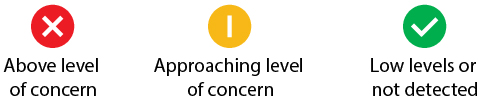
Products are listed alphabetically. Recommended serving limits are based on CR's total results for inorganic arsenic and lead, and assume a maximum of three servings per day. Parents may also want to limit servings of these foods based on nutritional considerations, potential allergens, dietary restrictions, and other health-related factors.
*Product was tested for microplastics.
**Recommended serving limit for this product based on CR’s testing for BPA.
-
Snacks
Baby Mum-Mum Gentle Teething Wafers, Banana (recommended serving limit based on CR’s BPA testing)
-
Snacks
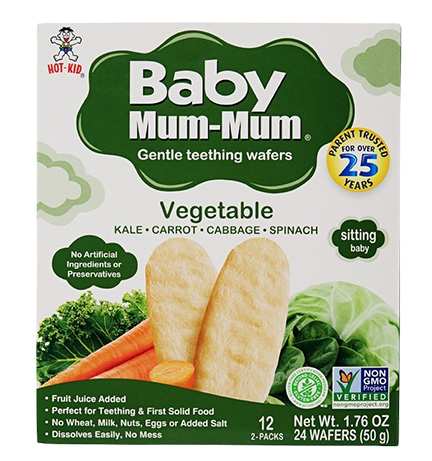
Baby Mum-Mum Gentle Teething Wafers, Vegetable
-
Snacks
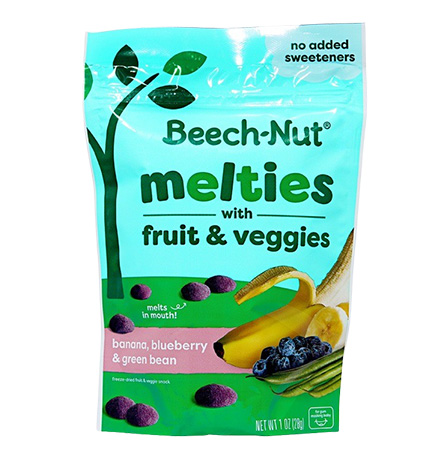
Beech-Nut Melties with Fruit & Veggies, Banana, Blueberry & Green Bean
-
Snacks
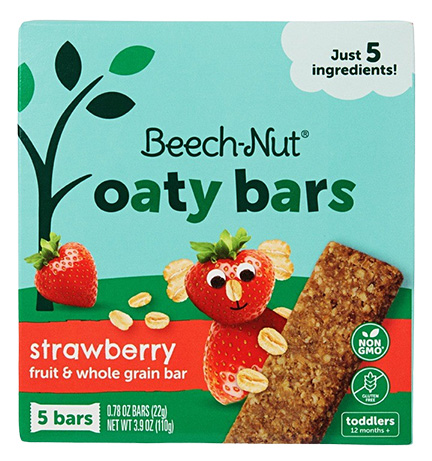
Beech-Nut Oaty Bars, Strawberry
-
Fruit & Vegetable Purées
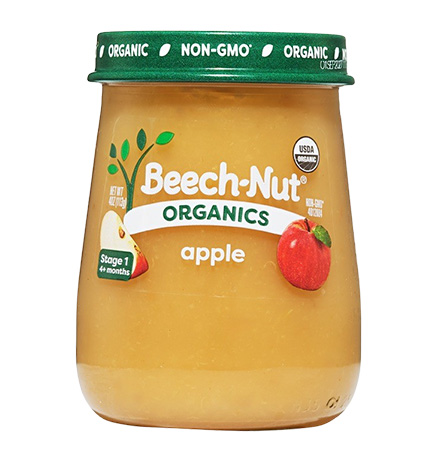
Beech-Nut Organics Stage 1 Apple (tested for microplastics)
-
Fruit & Vegetable Purées
Beech-Nut Organics Stage 2 Apple, Pea & Kiwi (tested for microplastics)
-
Meat & Entrées
Beech-Nut Stage 1 Chicken & Chicken Broth (tested for microplastics)
-
Fruit & Vegetable Purées
Beech-Nut Stage 2 Fruities, Pear, Banana & Raspberry (tested for microplastics)
-
Fruit & Vegetable Purées
Beech-Nut Stage 2 Sweet Potato (tested for microplastics)
-
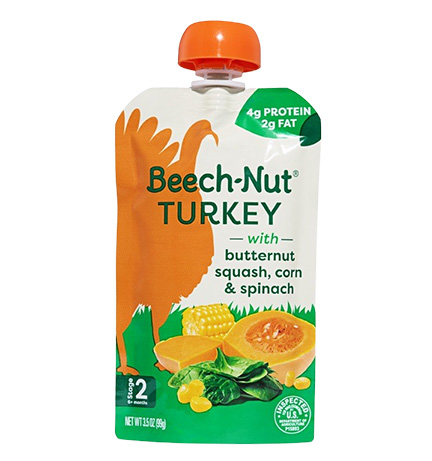
Meat & Entrées
Beech-Nut Stage 2 Turkey with Butternut Squash, Corn & Spinach (tested for microplastics)
-
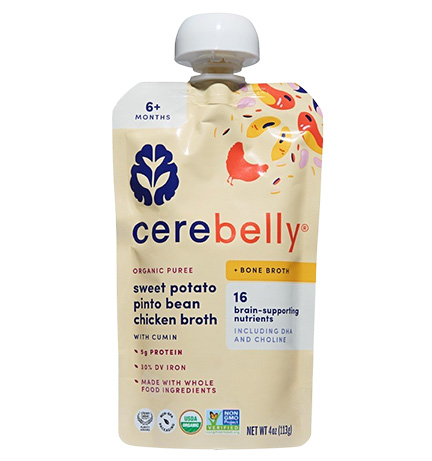
Meat & Entrées
Cerebelly Organic Purée + Bone Broth, Sweet Potato Pinto Bean Chicken Broth (tested for microplastics)
-
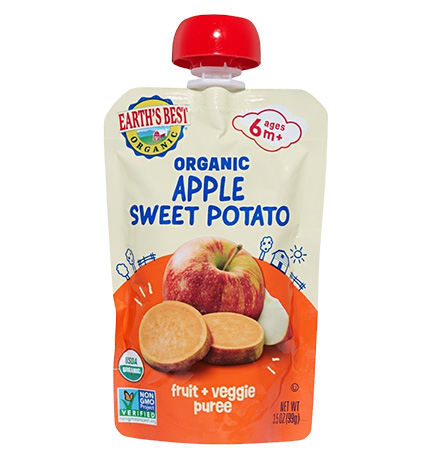
Fruit & Vegetable Purées
Earth’s Best Organic Apple Sweet Potato (tested for microplastics)
-
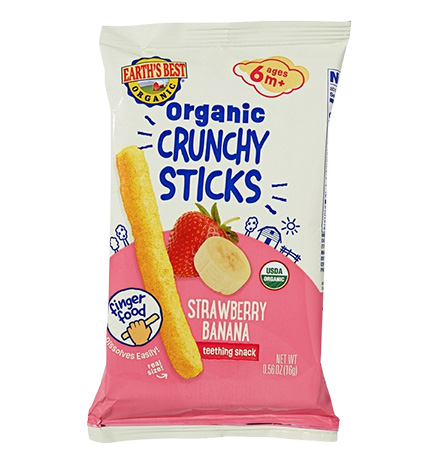
Snacks
Earth’s Best Organic Crunchy Sticks, Strawberry Banana
-
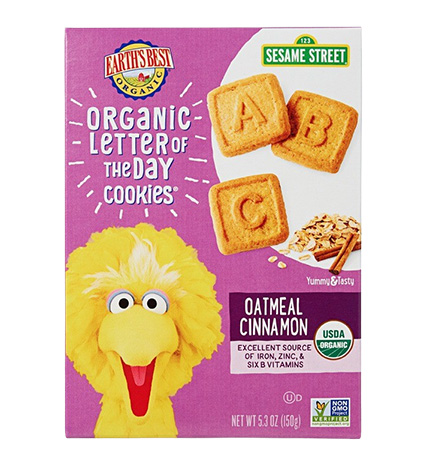
Snacks
Earth’s Best Organic Letter of the Day Cookies, Oatmeal Cinnamon
-
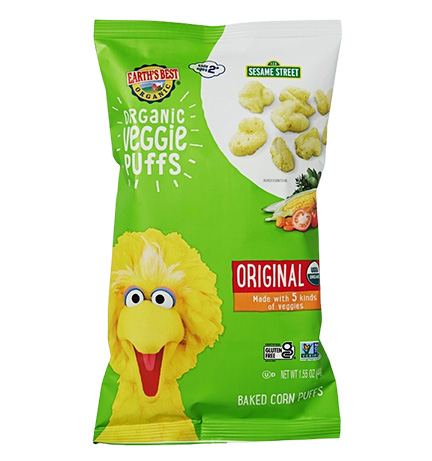
Snacks
Earth’s Best Organic Veggie Puffs, Original
-
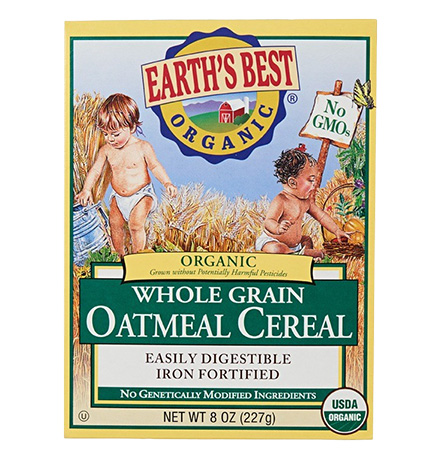
Cereal
Earth’s Best Organic Whole Grain Oatmeal Cereal
-
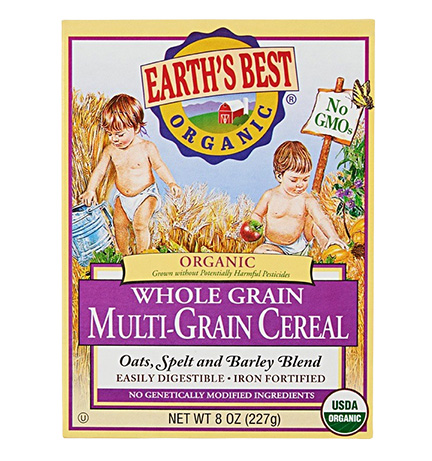
Cereal
Earth’s Best Whole Grain Multi-Grain Cereal
-
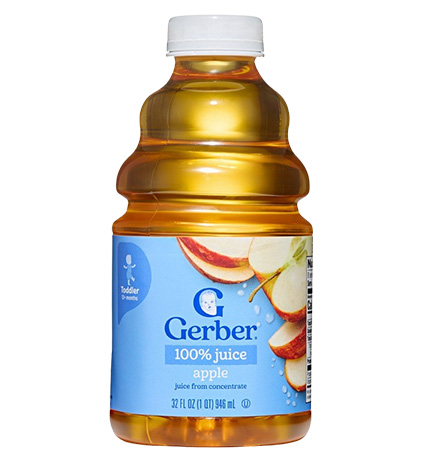
Juice
Gerber 100% Juice, Apple (tested for microplastics)
-
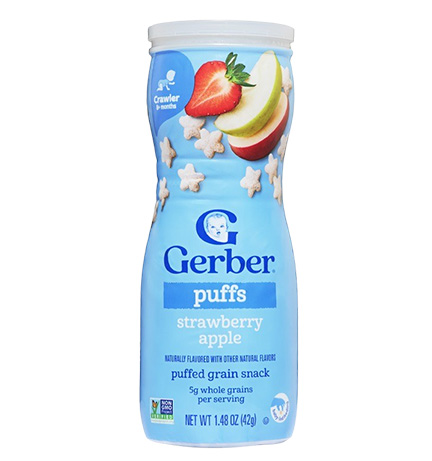
Snacks
Gerber Crawler Puffs, Strawberry Apple
-
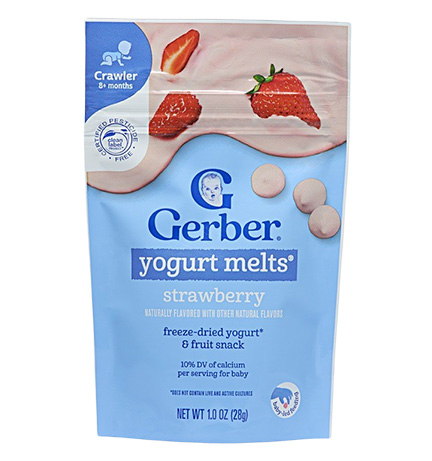
Snacks
Gerber Crawler Yogurt Melts, Strawberry
-
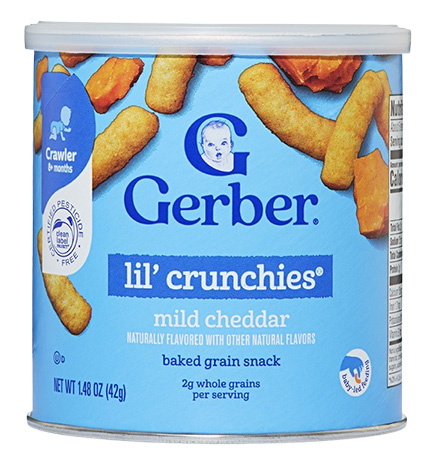
Snacks
Gerber Graduates Crawler Lil’ Crunchies, Mild Cheddar
-
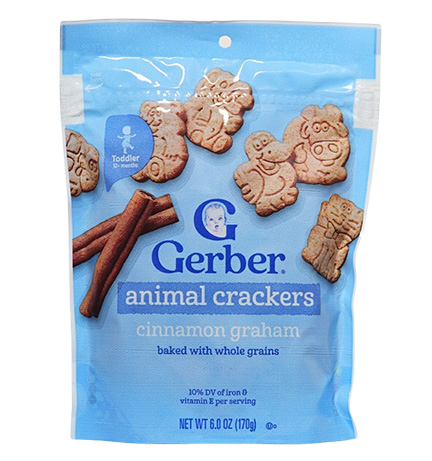
Snacks
Gerber Graduates Toddler Animal Crackers, Cinnamon Graham
-
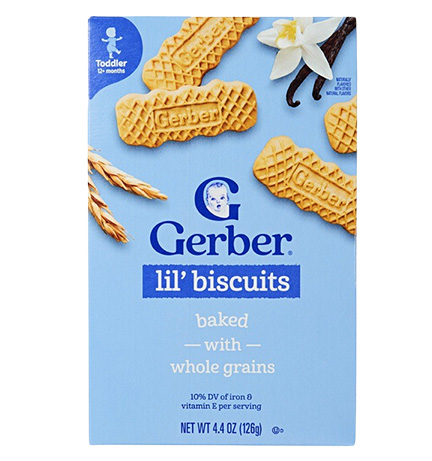
Snacks
Gerber Graduates Toddler Lil’ Biscuits
-
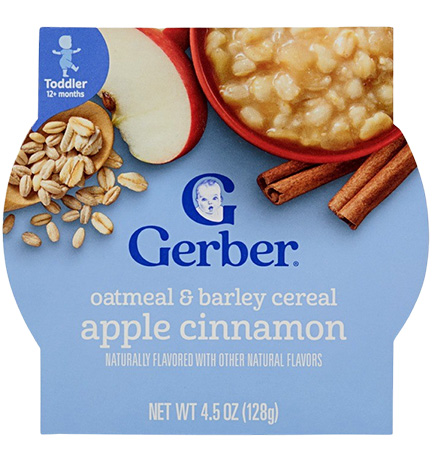
Cereal
Gerber Oatmeal & Barley Cereal, Apple Cinnamon
-
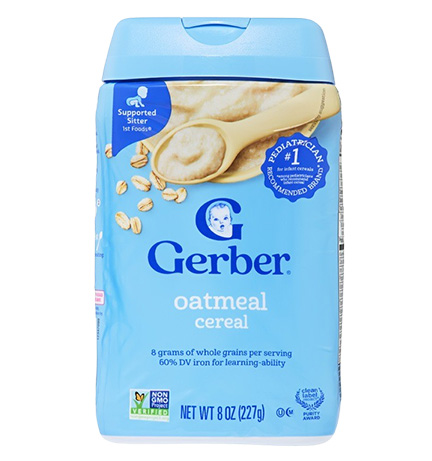
Cereal
Gerber Oatmeal Cereal
-
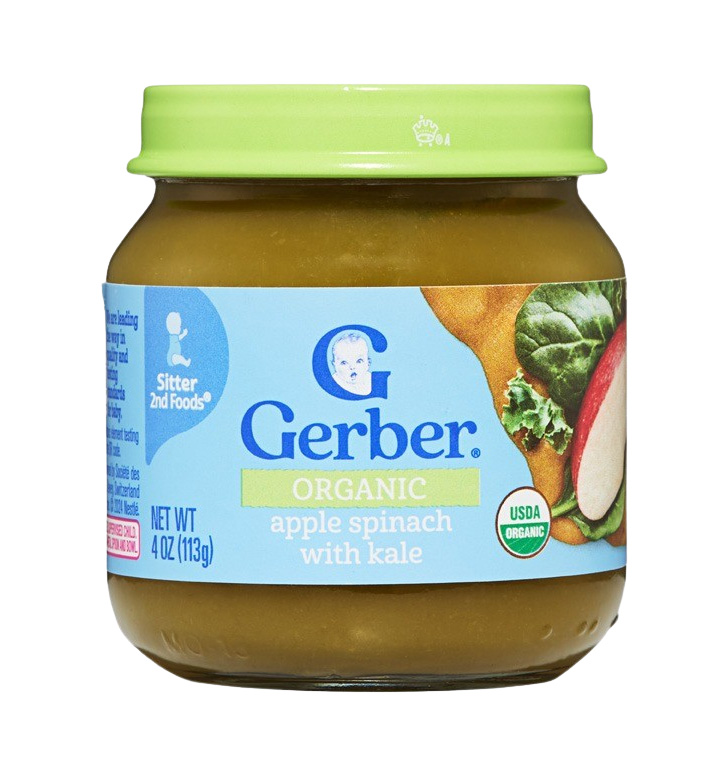
Fruit & Vegetable Purées
Gerber Organic Apple Spinach with Kale (tested for microplastics)
-
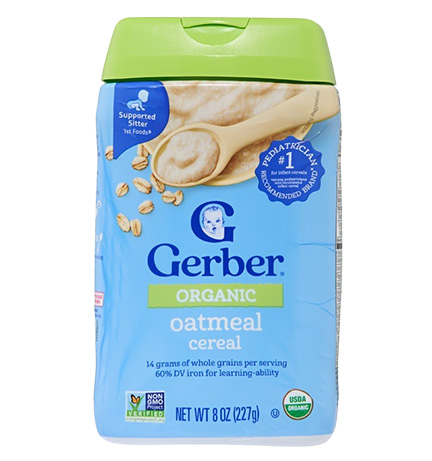
Cereal
Gerber Organic Oatmeal Cereal
-
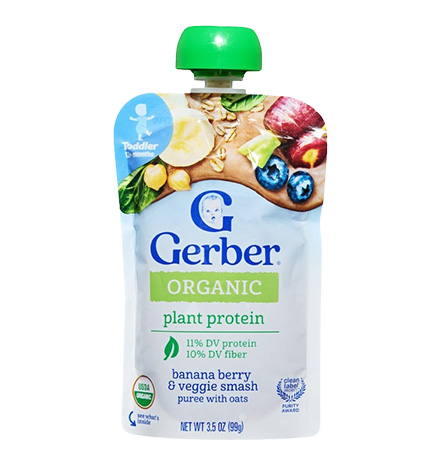
Fruit & Vegetable Purées
Gerber Organic Plant Protein Banana Berry and Veggie Smash Purée with Oats (tested for microplastics)
-
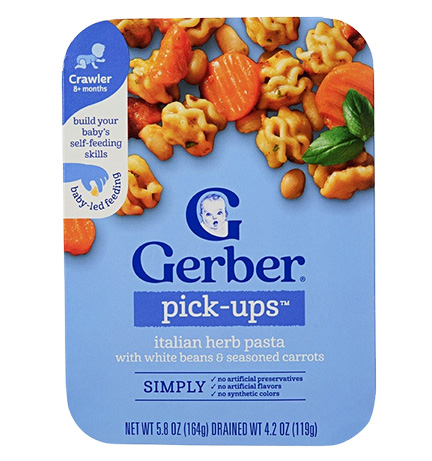
Meat & Entrées
Gerber Pick-Ups Italian Herb Pasta
-
Cereal
Gerber Rice Cereal
-
Meat & Entrées
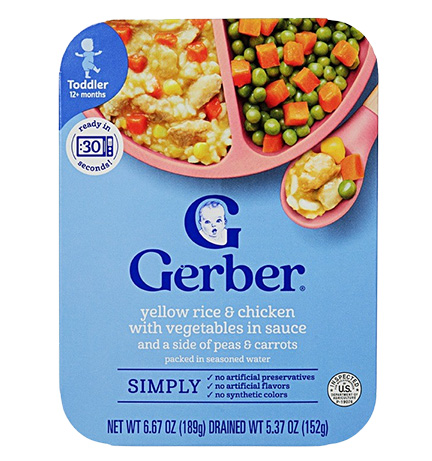
Gerber Yellow Rice & Chicken with Vegetables in Sauce
-
Fruit & Vegetable Purées
Good & Gather Baby (Target) Fruit Purée, Banana, Peach & Apricot (tested for microplastics)
-
Snacks
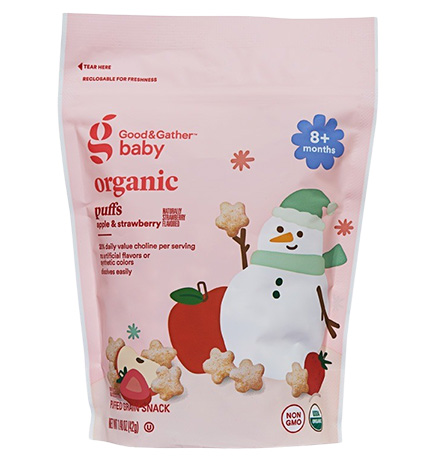
Good & Gather Baby (Target) Organic Puffs, Apple Strawberry
-
Meat & Entrées
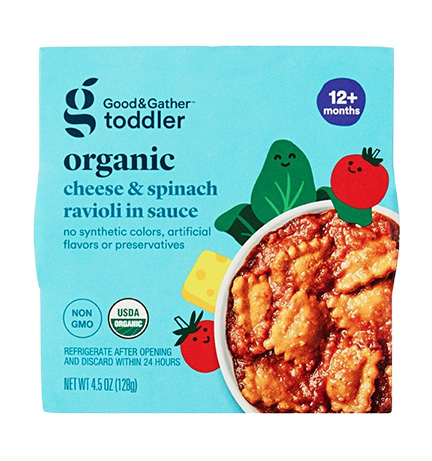
Good & Gather Toddler (Target) Organic Cheese & Spinach Ravioli
-
Meat & Entrées
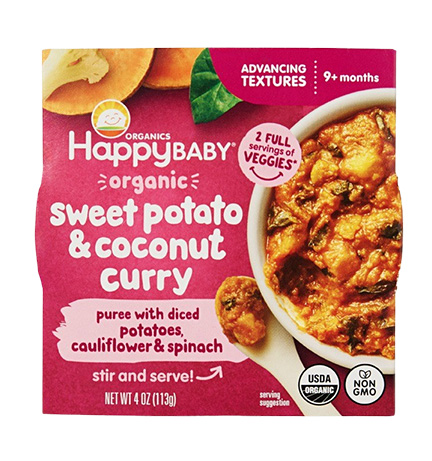
Happy Baby Organic Sweet Potato & Coconut Curry (tested for microplastics)
-
Snacks
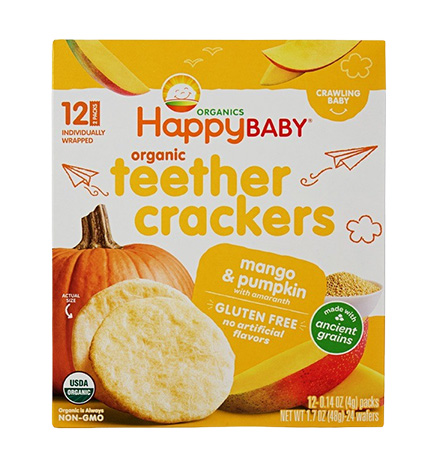
Happy Baby Organic Teether Crackers, Mango & Pumpkin with Amaranth
-
Snacks
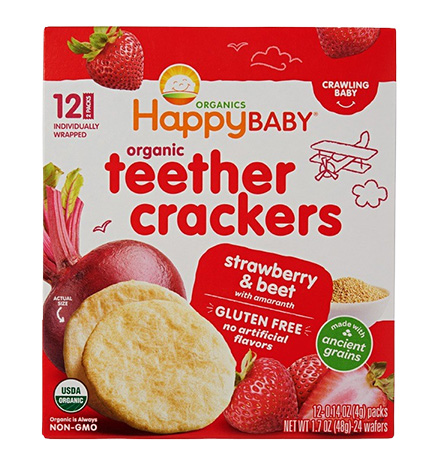
Happy Baby Organic Teether Crackers, Strawberry & Beet with Amaranth
-
Snacks
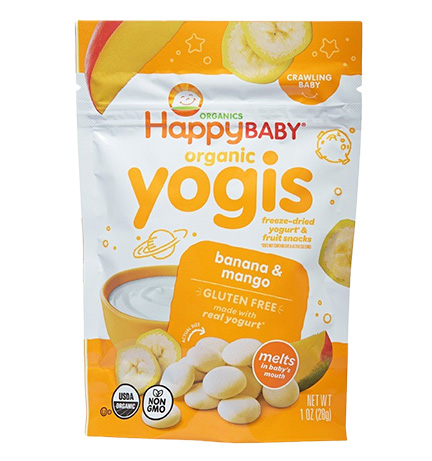
Happy Baby Organic Yogis, Banana & Mango
-
Snacks
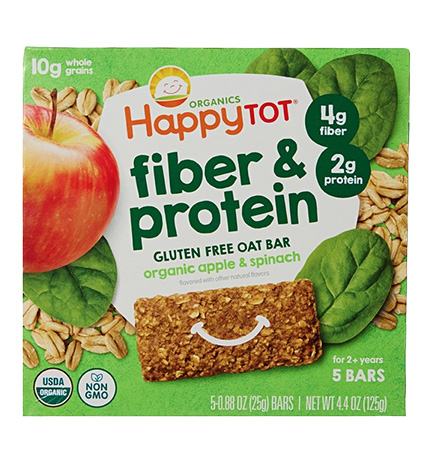
Happy Tot Fiber & Protein Gluten Free Oat Bar, Organic Apple & Spinach
-
Meat & Entrées
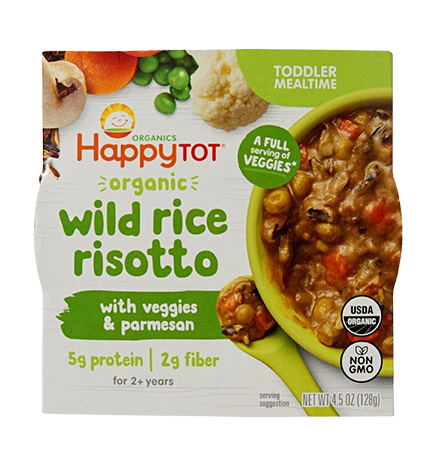
Happy Tot Organic Wild Rice Risotto
-
Fruit & Vegetable Purées
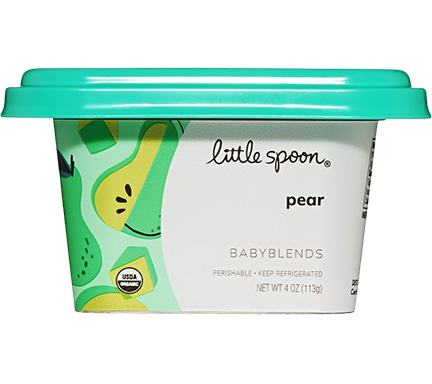
Little Spoon Babyblends Stage 1 Organic Fruit Purée, Pear (tested for microplastics)
-
Snacks
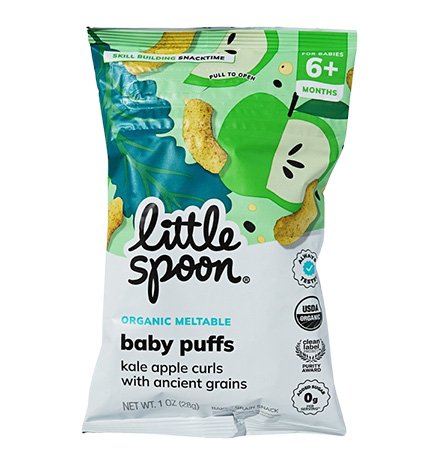
Little Spoon Organic Meltable Baby Puffs, Kale Apple Curls
-
Snacks
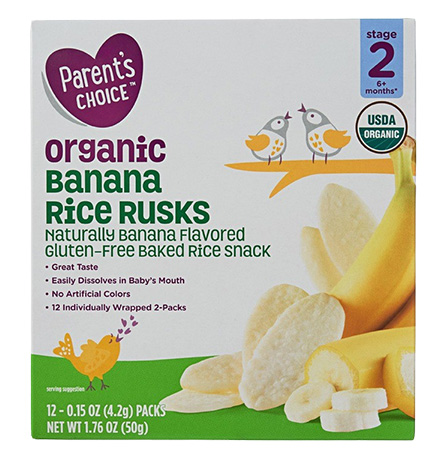
Parent’s Choice (Walmart) 2nd Stage Organic Banana Rice Rusks
-
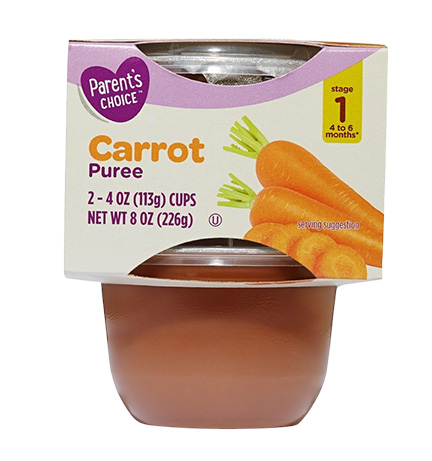
Fruit & Vegetable Purées
Parent’s Choice (Walmart) Stage 1 Carrot Purée (tested for microplastics)
-
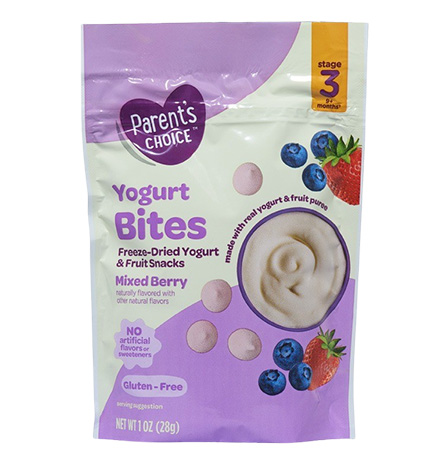
Snacks
Parent’s Choice (Walmart) Stage 3 Toddler Yogurt Bites, Mixed Berry
-
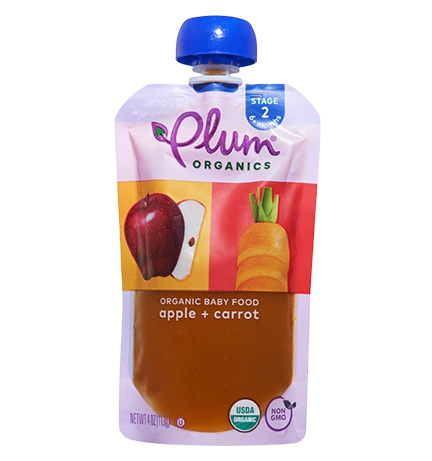
Fruit & Vegetable Purées
Plum Organics Stage 2 Organic Baby Food, Apple + Carrot (tested for microplastics)
-
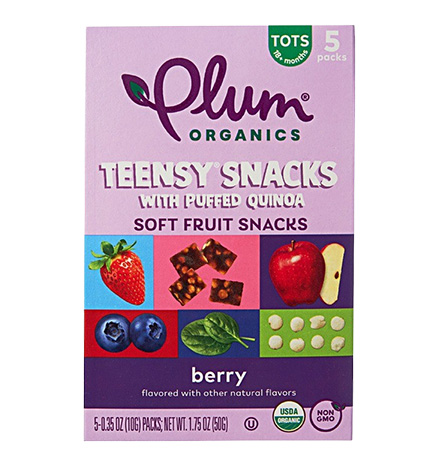
Snacks
Plum Organics Teensy Snacks with Puffed Quinoa
-
Fruit & Vegetable Purées
Serenity Kids Organic Sweet Potato & Spinach with Olive Oil (tested for microplastics)
Editor’s Note: Testing for this project was supported in part by grants from the Broad Reach Foundation and the Winslow Foundation. This article was originally published on Sept. 17, 2026. It has been updated to include comment from Target, which was received after publication.


