Sign In

ids will be kids, and sometimes they have a hard time paying attention, sitting still, and controlling their behavior. So how does a parent know if a child's daydreaming, overexcitement, or trouble finishing homework is normal or a warning sign of attention deficit hyperactivity disorder (ADHD)?
Consumer Reports recently surveyed parents of 934 children who were diagnosed with ADHD to get their views about the symptoms they noticed, the diagnostic process they went through, and the advice they would give other parents.
The survey yielded a number of important insights. Some of their child's symptoms that parents noticed most often included being easily distracted, losing interest quickly, not following through with homework or chores, and having difficulty sitting still. Before they received a diagnosis, 93 percent of the children showed six or more symptoms of inattention, 73 percent showed six or more symptoms of hyperactivity and impulsiveness, and 63 percent showed six or more symptoms of both. But the formal diagnosis and the symptoms the parents reported did not always correspond, reinforcing the need for a professional evaluation.
The professional who was involved in the diagnostic process most often in our survey was the child's primary-care doctor, although more than a third of the parents reported consulting three or more professionals. Many of the health-care providers did not seem to follow well-established guidelines for diagnosing ADHD. For example, input from teachers and other school personnel was not always obtained.
Most children (59 percent) were prescribed medication immediately after receiving a diagnosis, and 84 percent of the children in our survey used medication at some point. While many parents rated medication as the most helpful strategy in improving their child's condition, they said that nondrug strategies, such as changing the child's school to one that was better suited to help children with ADHD, also worked very well. Parents who were able to find a helpful strategy in addition to medication said their children fared better than those who only found medication to be helpful.
This report can help parents concerned about their child's behavior to understand:

 WASHING MACHINE REVIEWS
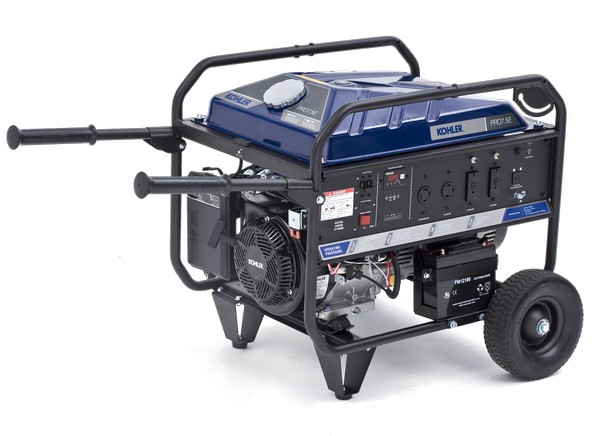 GENERATOR REVIEWS
 Build & Buy Car Buying Service
Save thousands off MSRP with upfront dealer pricing information and a transparent car buying experience.
 Get Ratings on the go and compare
while you shop