Best Frozen Meals, Lab-Tested and Reviewed
We tested 30 picks from 10 brands to find the ones that are big on both flavor and nutrition. Plus, how to find a tasty, healthy option from any brand.


Frozen meals can be a smart choice when you’re short on time and energy—or when you just don’t feel like cooking. And they can be a healthful one, too.
You can still find classics like Salisbury steak and mac and cheese filling the freezer aisle, but increasingly, you’ll see more wholesome-sounding options, like grain-filled power bowls, plant-based dishes with global flavors, and creamy pastas with a sizable serving of greens. To emphasize their wellness attributes, many packages sport claims like “GLP-1 friendly” or “no preservatives,” or list the amount of protein, fiber, or calories.
“Claims like these can make it seem like a meal is a health-focused choice, when those factors are just a small part of the bigger picture,” says Amy Keating, RD, a nutritionist at Consumer Reports. “There can still be big differences between meals that look very similar at a glance,” she says. This means that selecting your quick-fix meal requires a lot of label reading to figure out which ones are really good for you.
To help, our nutrition experts conducted a thorough review of the offerings from 10 brands that prioritize whole-food ingredients, make health-related claims, or just give off an overall good-for-you vibe: Amy’s, Blue Zones Kitchen, Evol, Healthy Choice, Kevin’s Natural Foods, Lean Cuisine, Saffron Road, Smart Ones, Tattooed Chef, and Trader Joe’s.
CR's Frozen Meal Test Results
In our initial broad-market review, we looked at the nutrition for more than 250 frozen meals in all—those offered by the 10 brands at the time of our review. We searched for meals with whole-food ingredients that weren’t wrapped up with excess sodium, added sugars, texture enhancers, or other additives. See “What Makes a Frozen Meal Healthier,” below, for our criteria for a healthy frozen meal.
We chose 30 meals—three of the best from each brand—for a blind taste test, making sure to include a range of flavors and a good mix of plant-based and meat-based options. For more on our experts’ overview of the brands we evaluated, see “How the Brands Stack Up,” below.
We picked the meals for our taste test based on a range of factors, including ingredients and nutrition, protein source, and cuisine type. Within each brand in the drop-down menu below, the meals are listed in order of their nutritional score. Recommended meals have the best combination of nutrition and taste, according to our experts. In addition to serving as a main dish, many of the grain and vegetable dishes make for a quick, healthy side for two people.
Turns out you don’t have to sacrifice nutrition for convenience. “We gave top nutrition marks to almost two-thirds (19) of the 30 meals we tested,” Keating says, “and 16 of those also did well in our blind taste tests, earning our recommendation.” Four other entrées tasted great but missed the mark on several of our criteria for a healthy frozen meal.

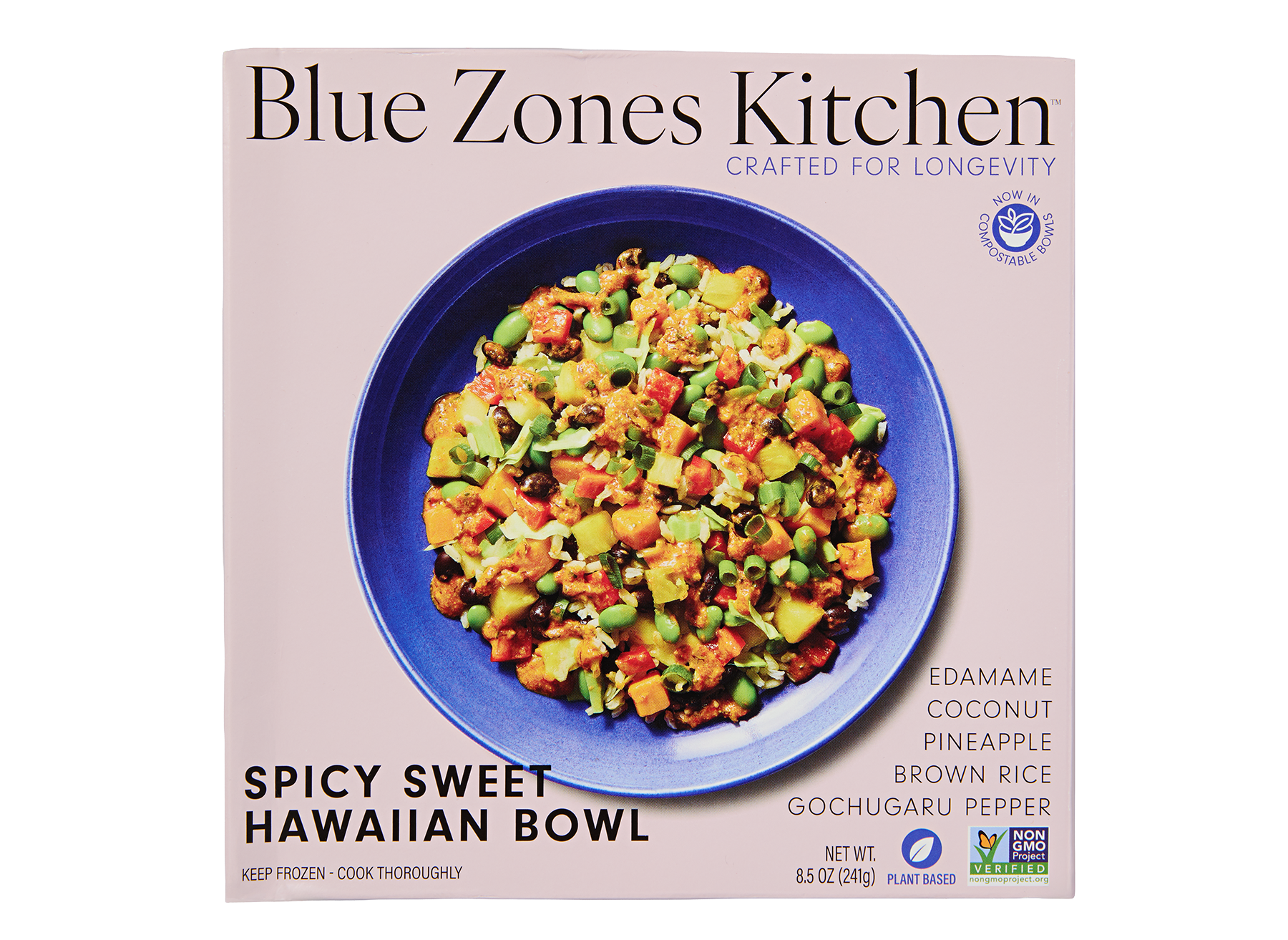
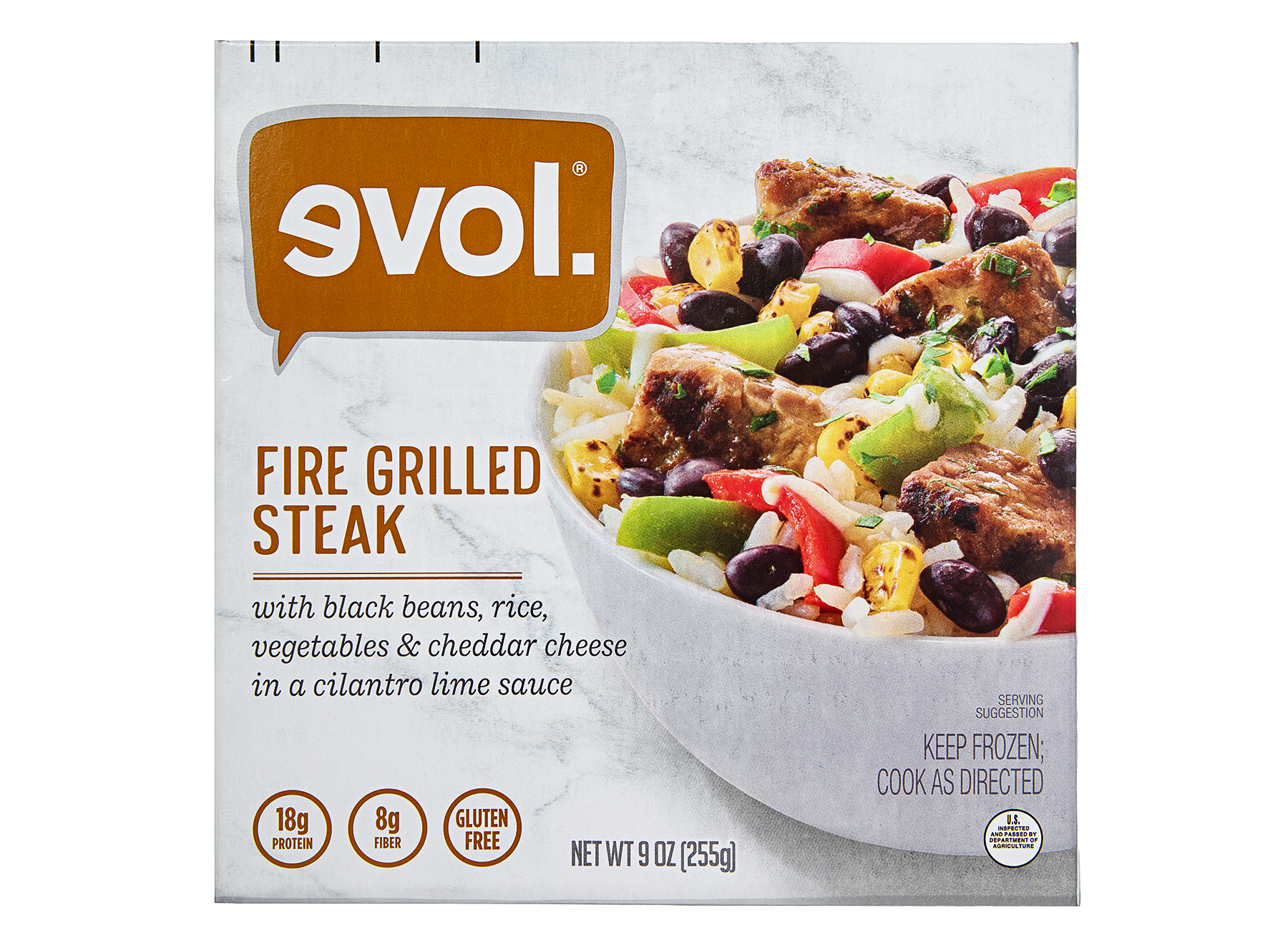
0Fire Grilled Steak
$4 for 9 oz.
Although some of the beef pieces are tender and others slightly chewy, the overall dish is quite good. The cilantro-lime sauce has hints of fresh herbs, and there's a tasty blend of white rice, black beans, sweet corn, and red and green peppers.
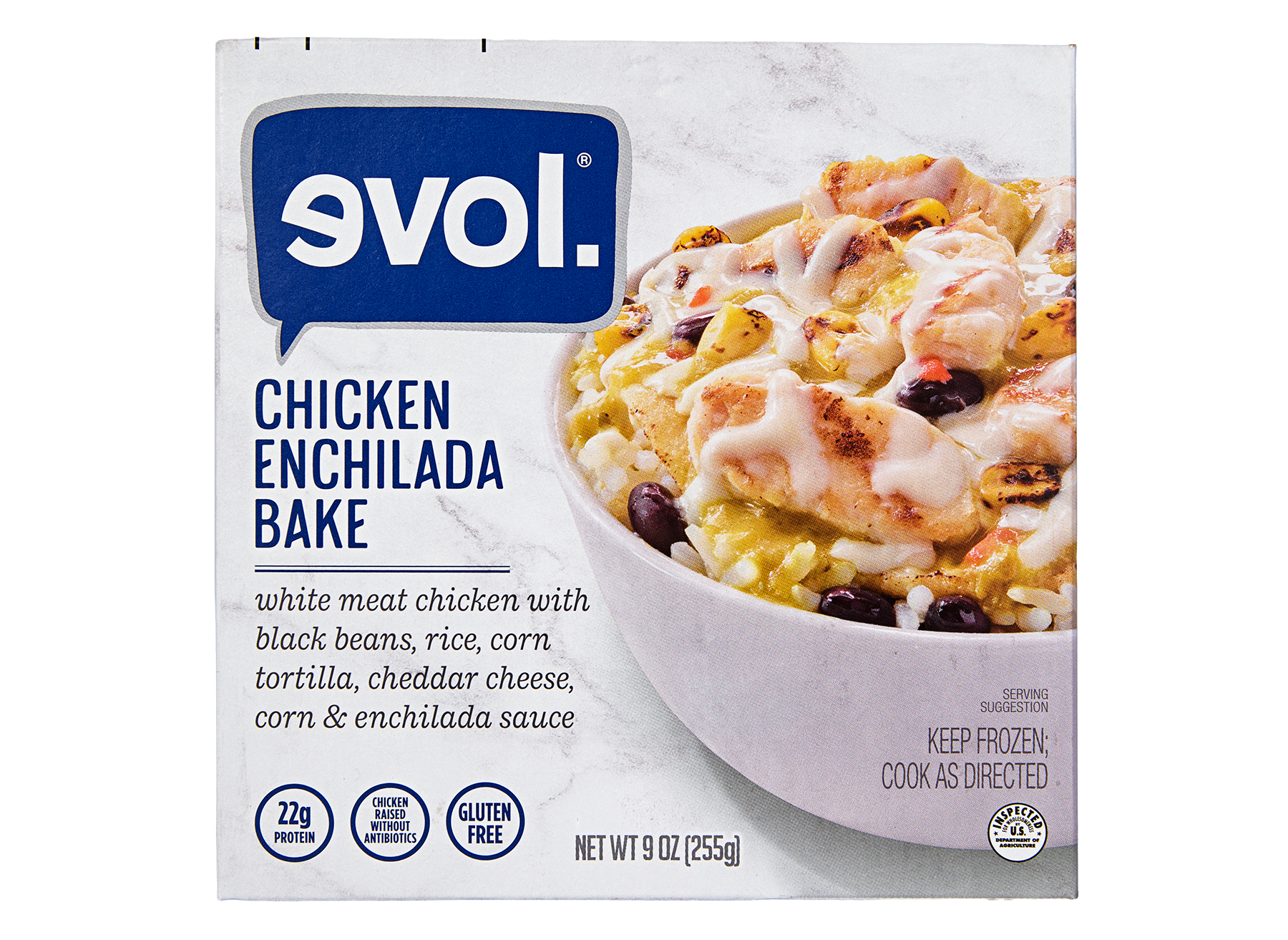
0Chicken Enchilada Bake
$4 for 9 oz.
This dish is a tasty blend of black beans, white rice, and chicken chunks, with a mildly tangy green tomatillo sauce with cheddar cheese and a hint of lime. The tortilla is a bit soggy.
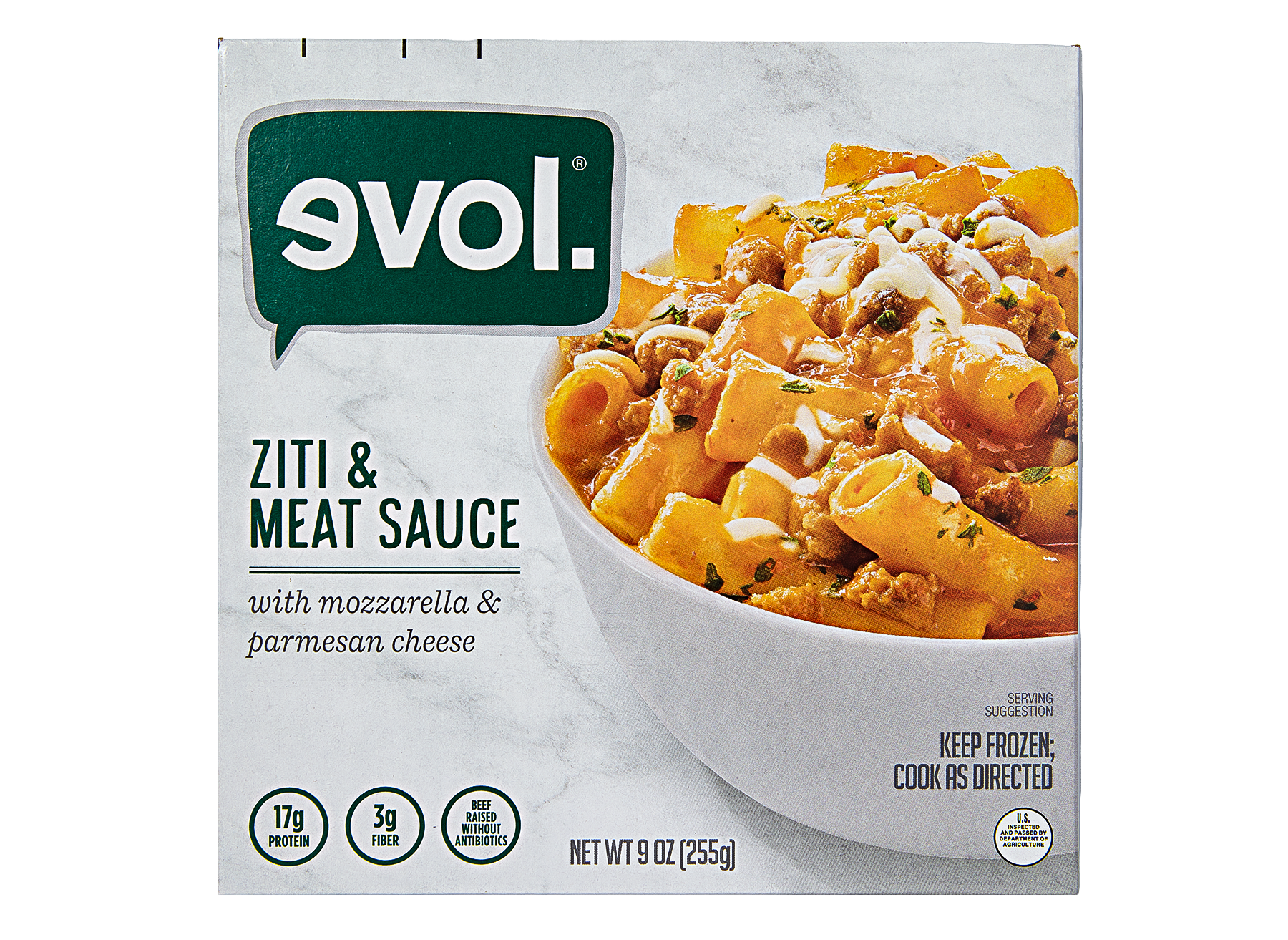
Ziti & Meat Sauce
$4 for 9 oz.
You get a hearty portion of ziti in a flavorful tomato-meat sauce. But the pasta is a bit soft, and in one sample, the meat didn't taste particularly fresh.
What Makes a Frozen Meal Healthier
CR’s nutrition experts used these criteria to evaluate the nutritional value of the frozen meals in our tests, and they’re a good rule of thumb to use when shopping for frozen meals from any brand.
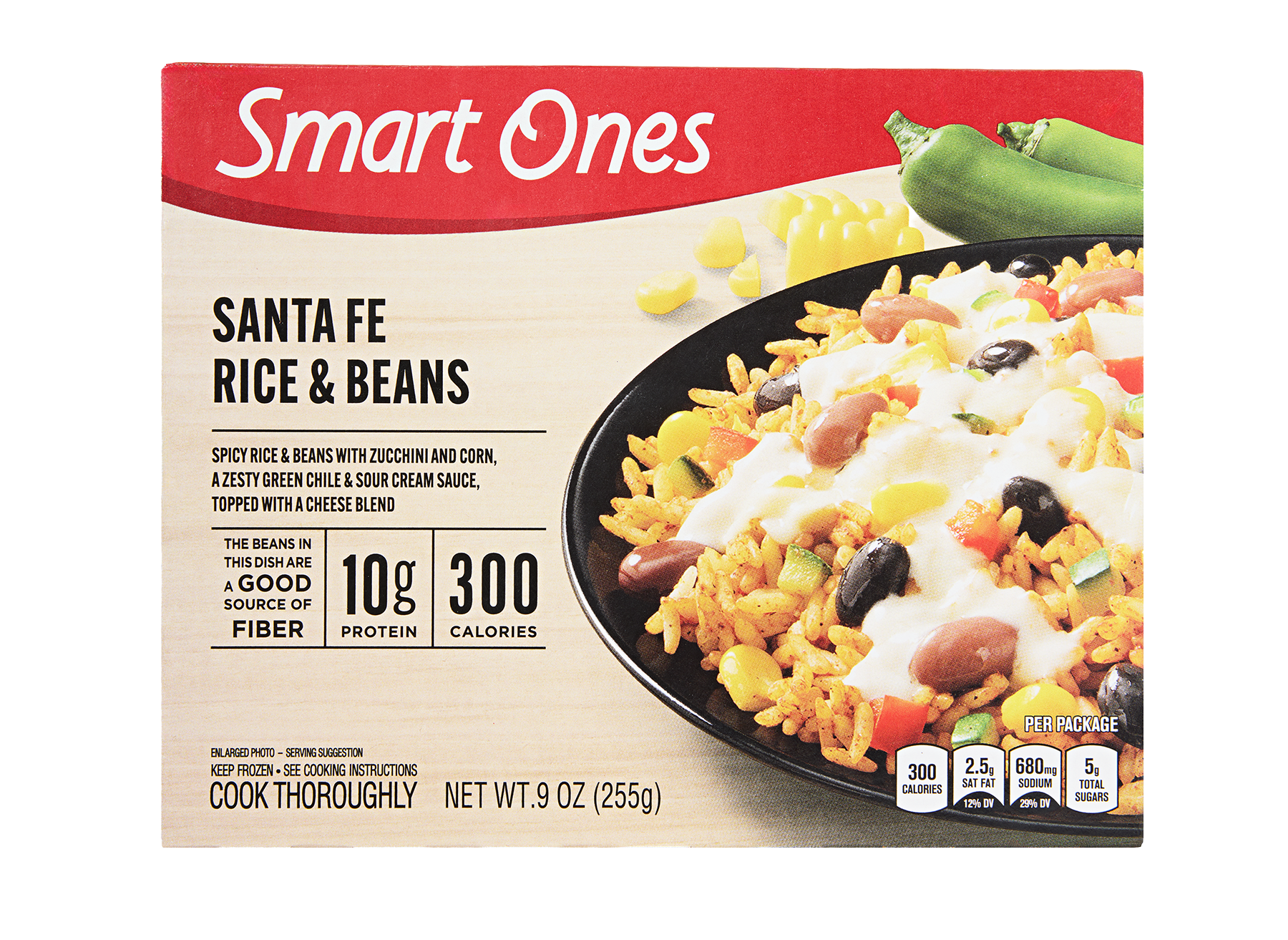
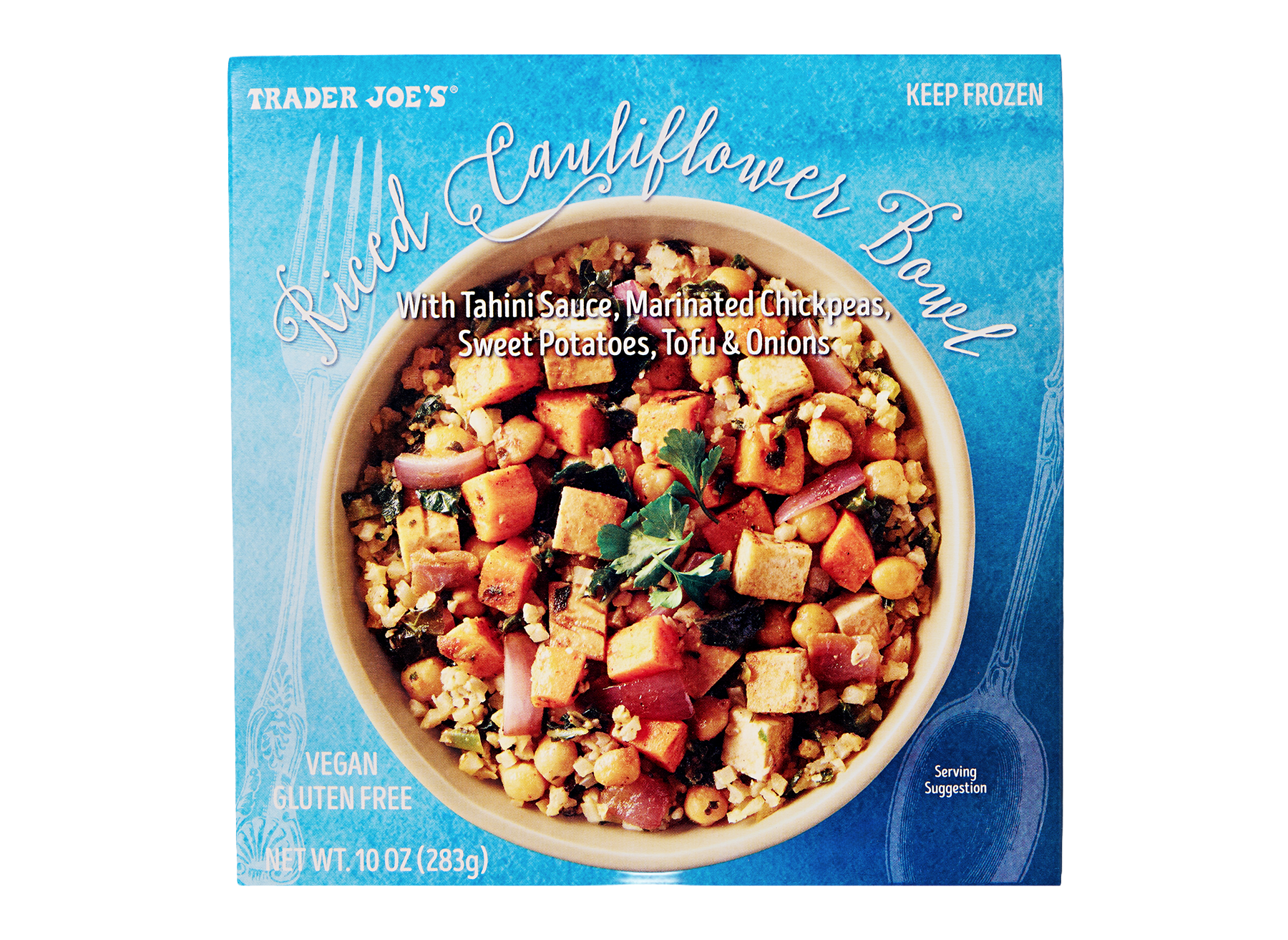
Whole food ingredients. You should be able to recognize all the ingredients listed on the back of the package, says Keating. Plus a frozen entrée should contain plenty of healthy items. To find out, our testers measured the amount of grains, beans, vegetables, nuts, and fruits in each dish we tested, and the portions vary. “One meal we tried—Smart Ones Santa Fe Rice & Beans—had only about ⅓ cup of vegetables and beans combined. It was mostly white rice,” Keating says. “The ones that stood out in our tests had at least 1½ cups of vegetables and beans, such as the Trader Joe’s Riced Cauliflower Bowl.”
How the Brands Stack Up
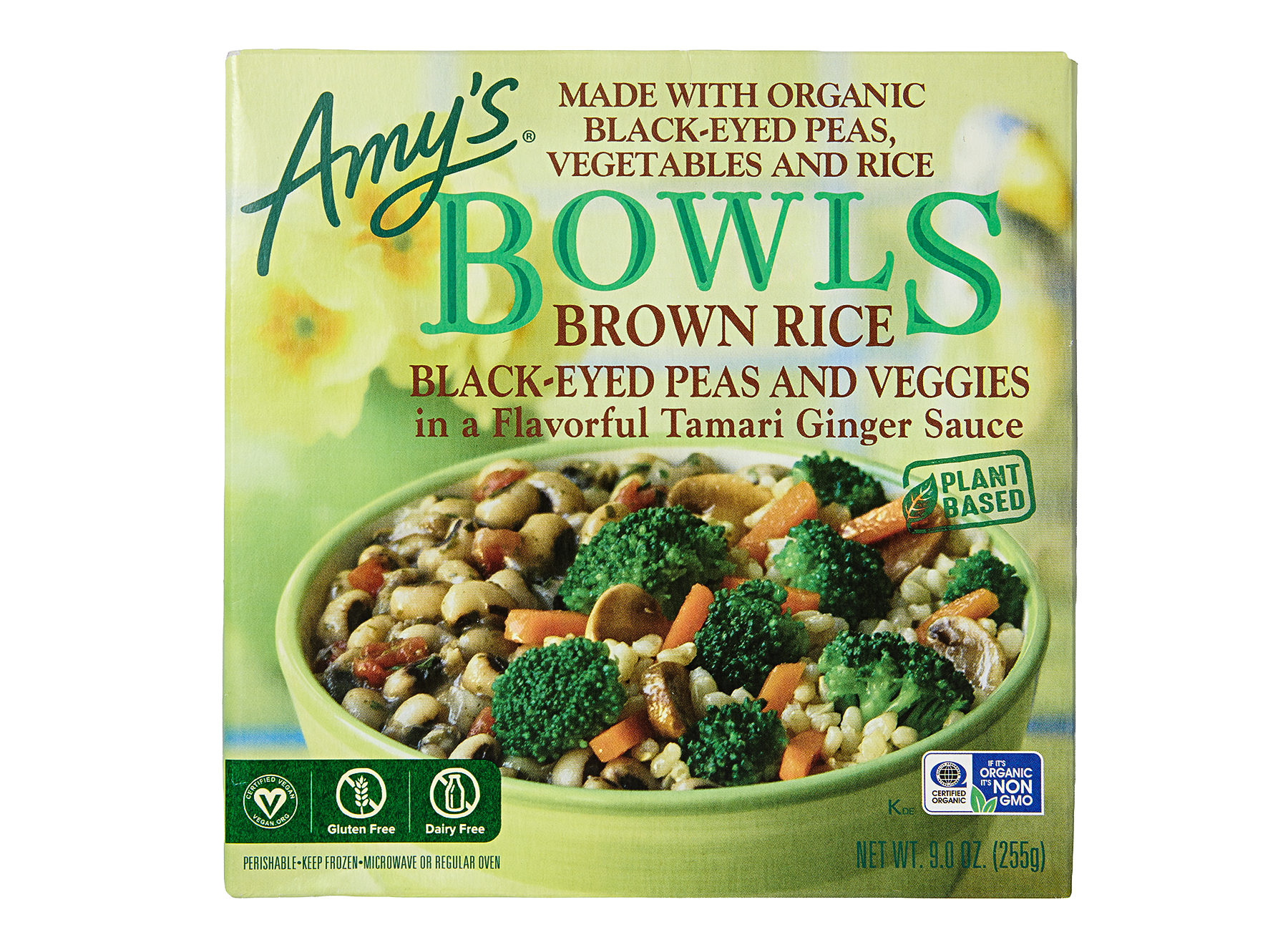
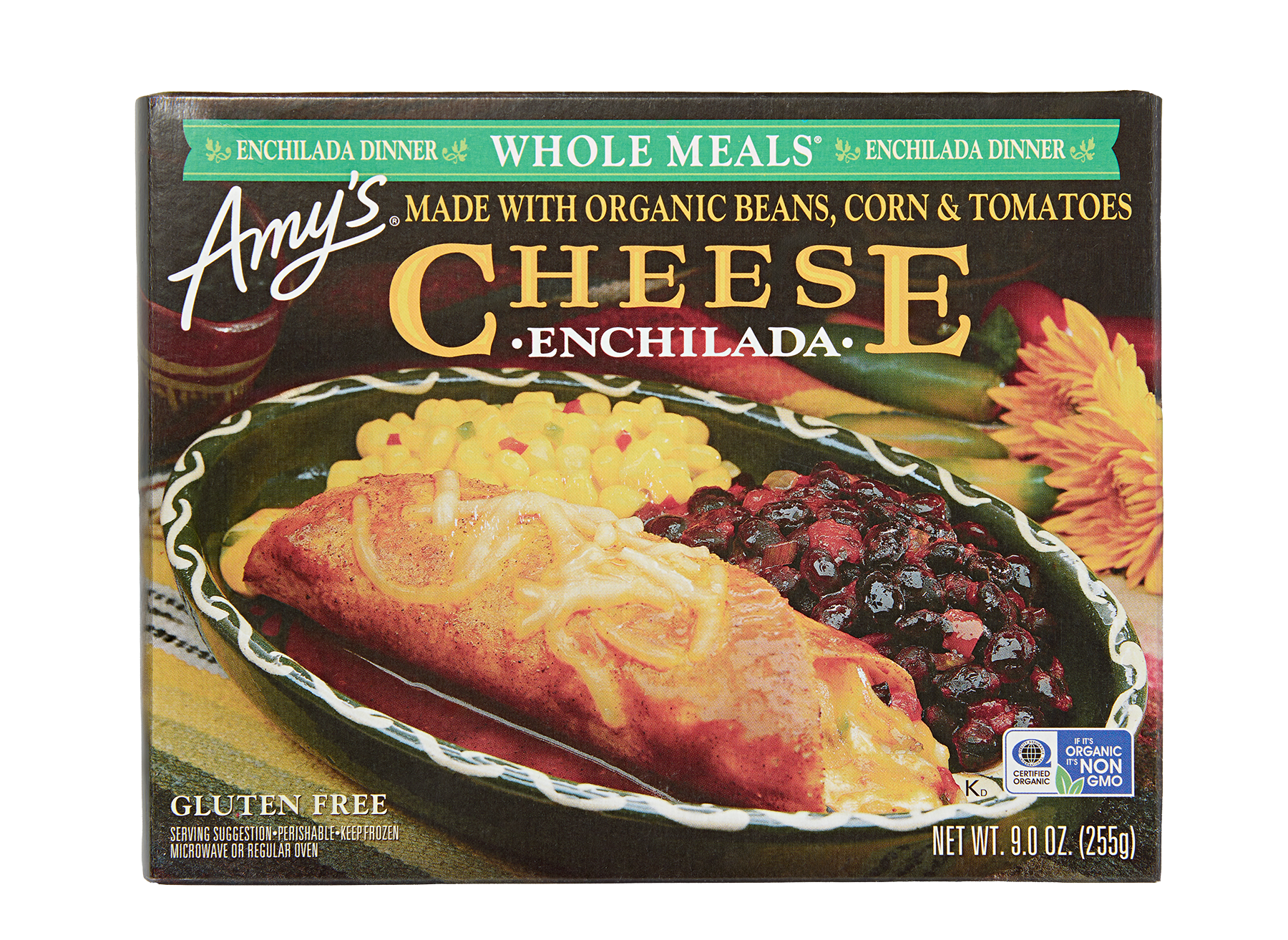
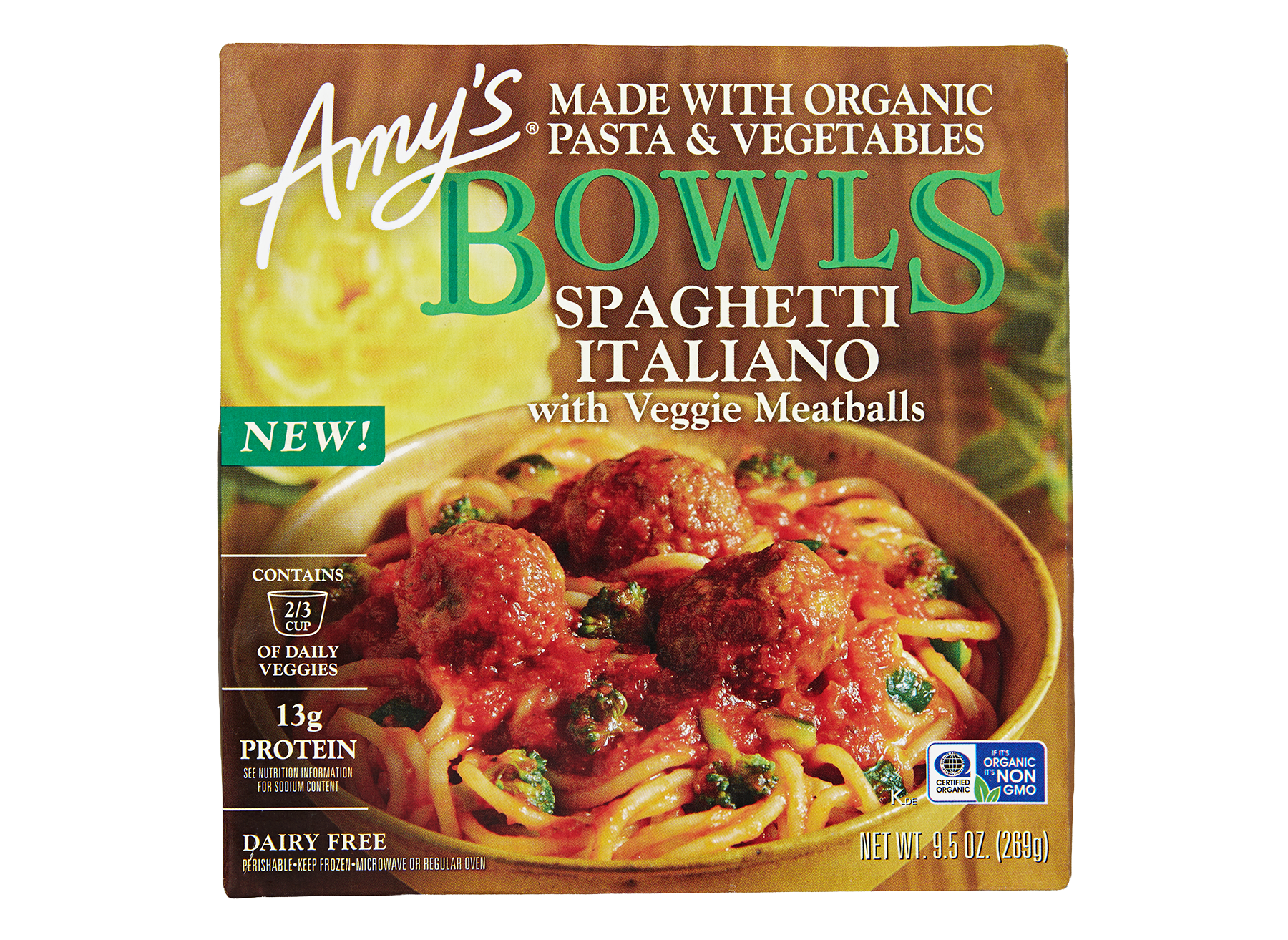
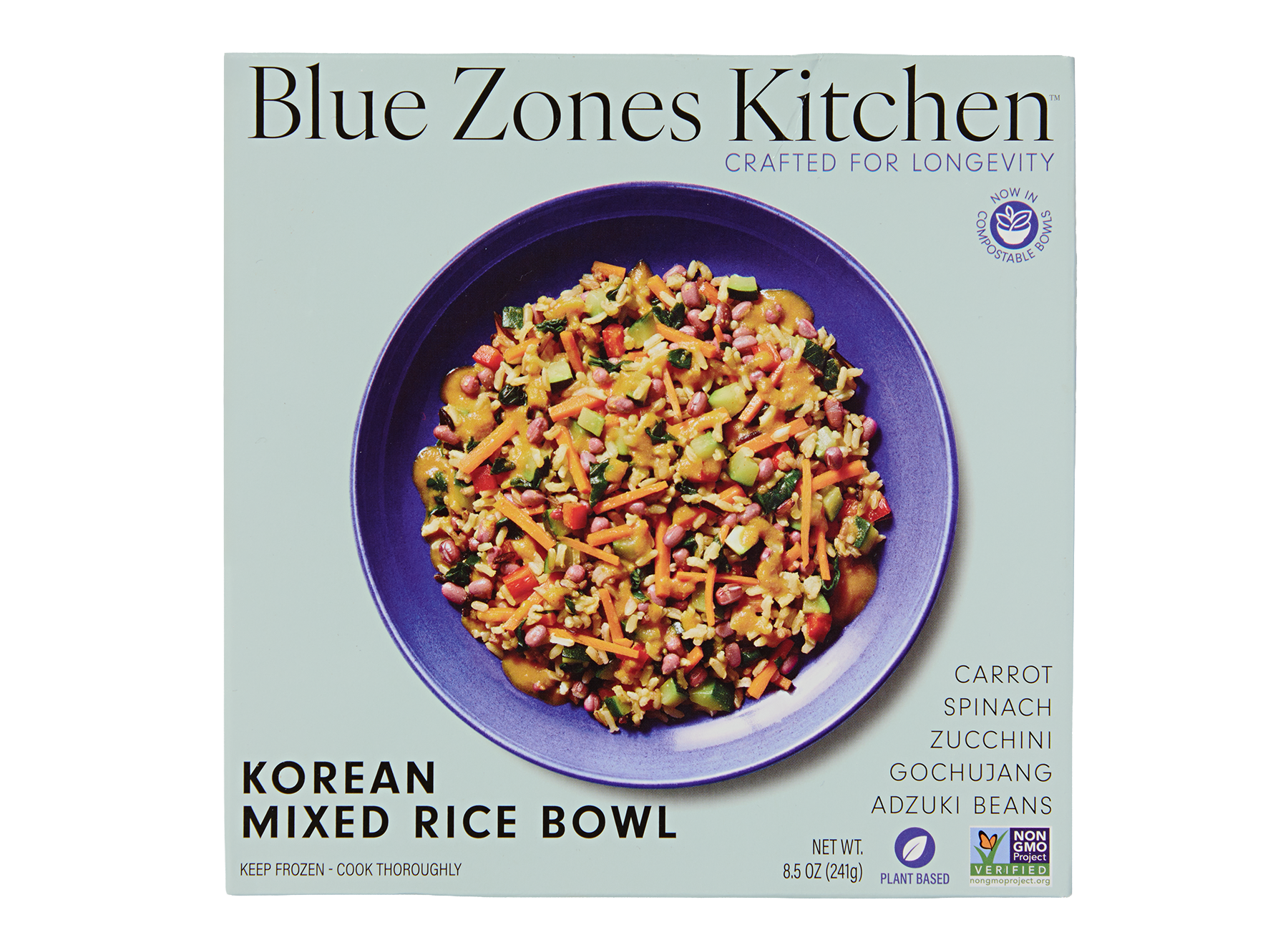
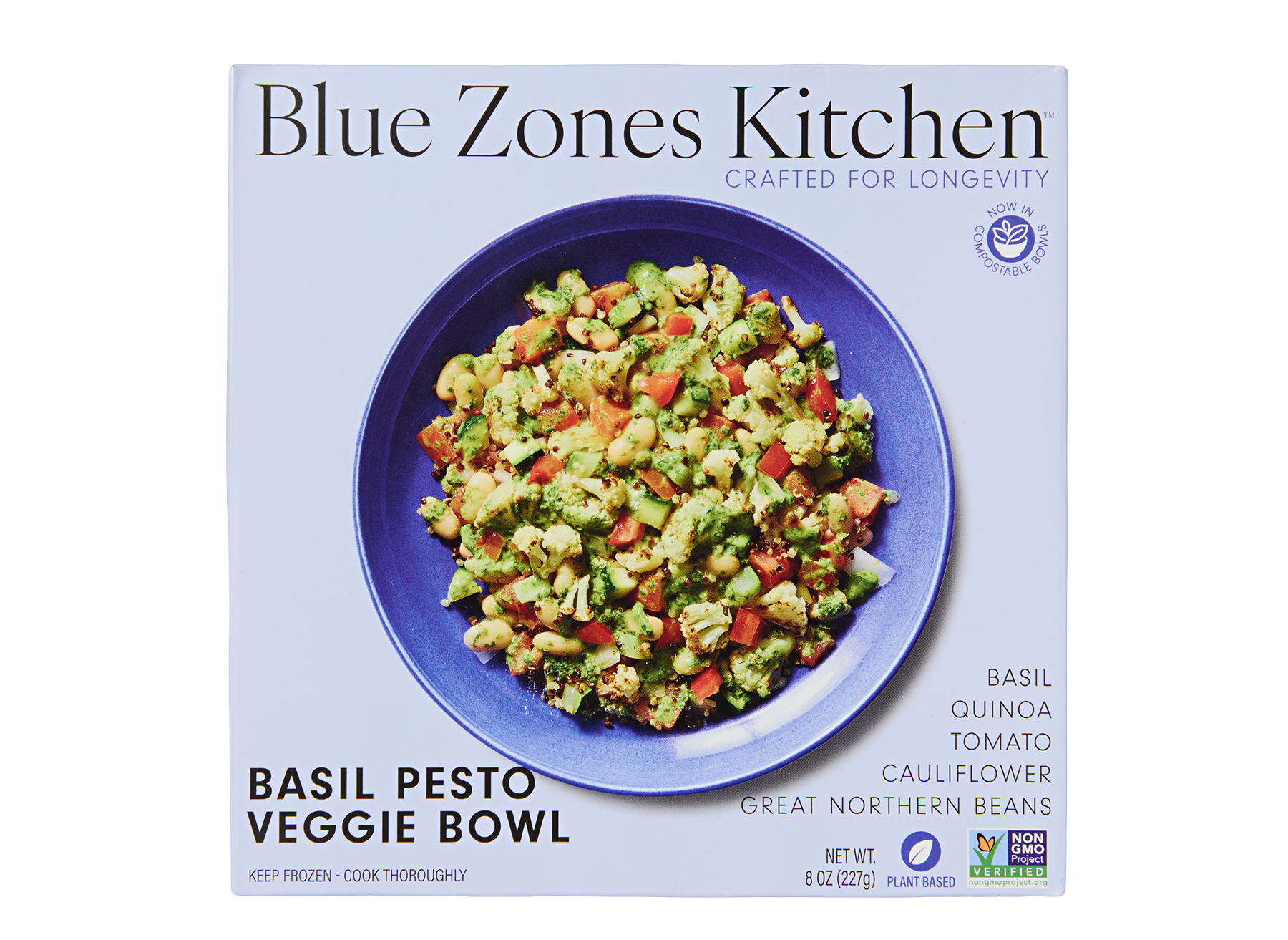
Across two brands—Amy’s and Blue Zones Kitchen—we recommend all the dishes we tested. But you’ll do well with any of the entrées Blue Zones offers, based on our nutritional survey (they were among the highest in fiber, with 7 to 10 grams, and none have more than 600 mg of sodium). The Amy’s meals we tested were also among the best we tried, but if you’re looking at other options, just check the sodium and fiber levels, which we found can vary.
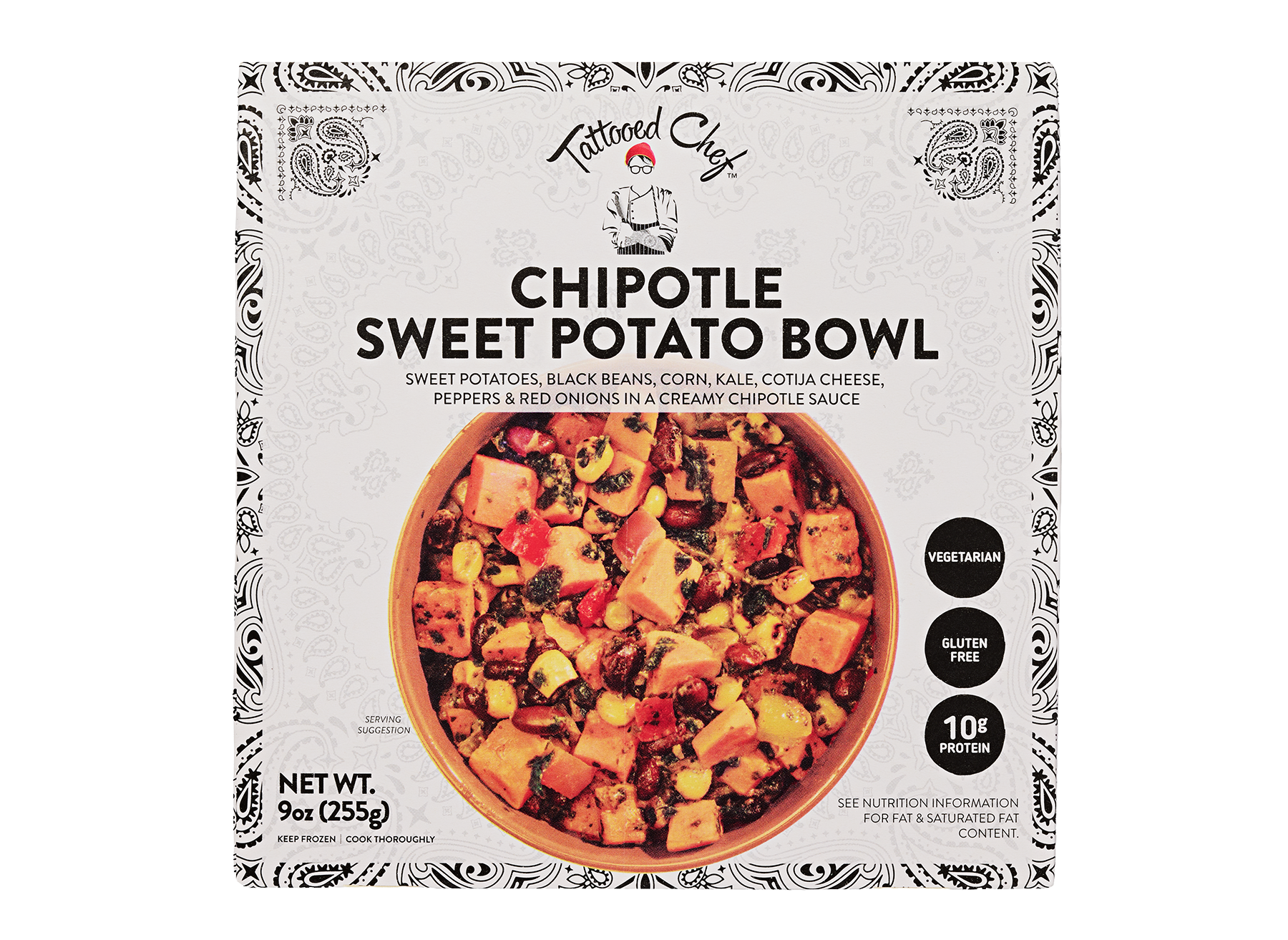
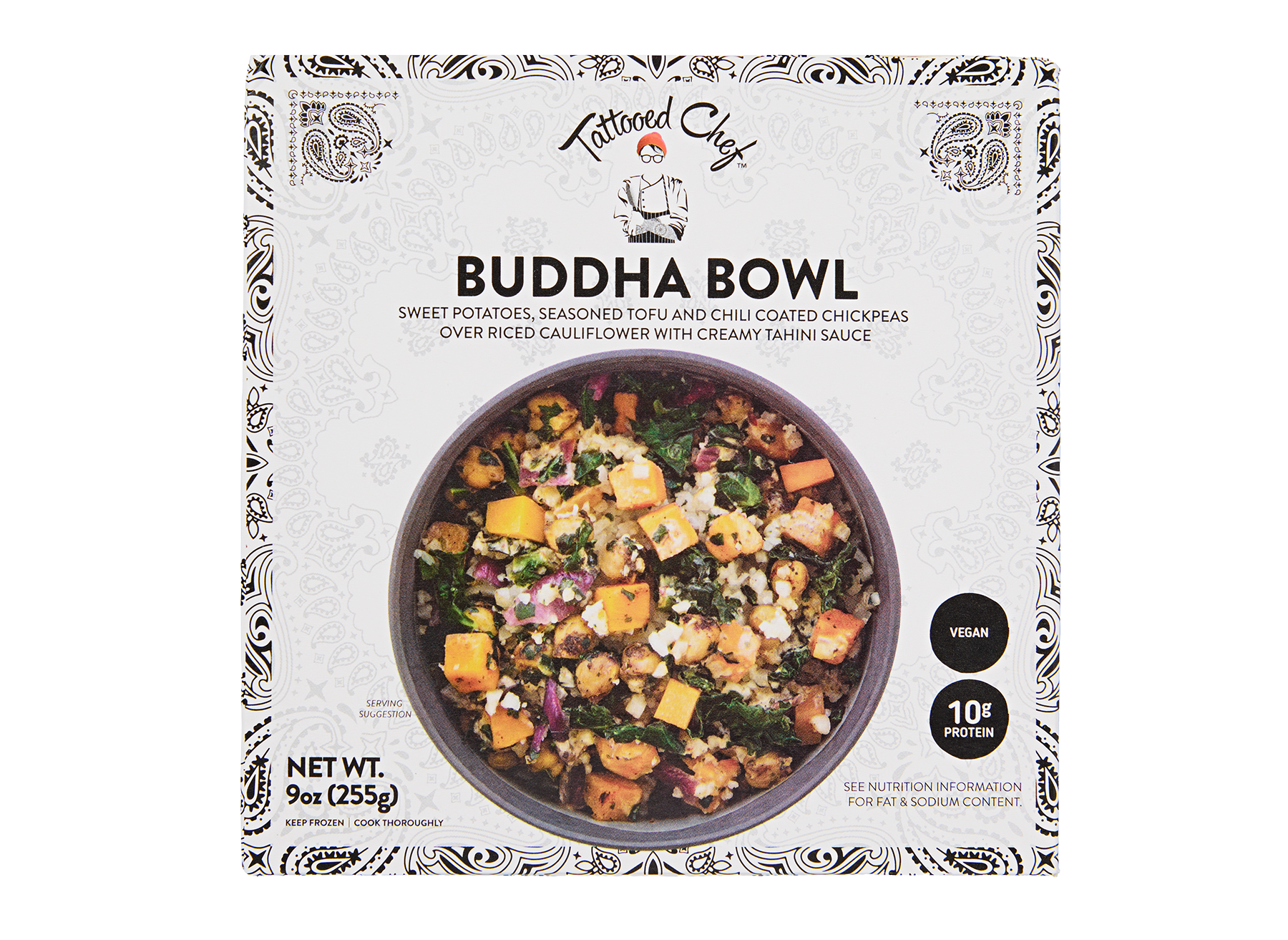
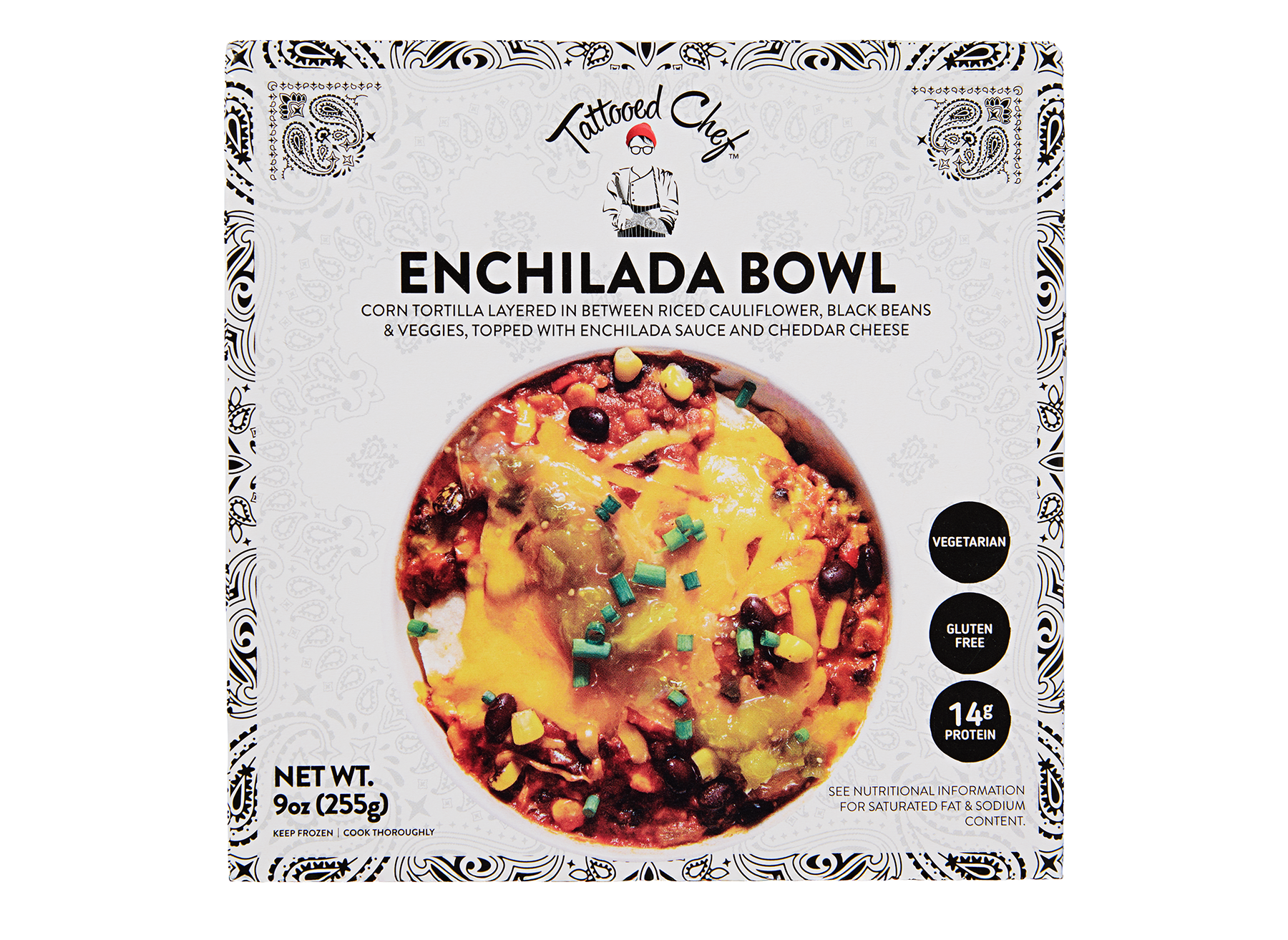
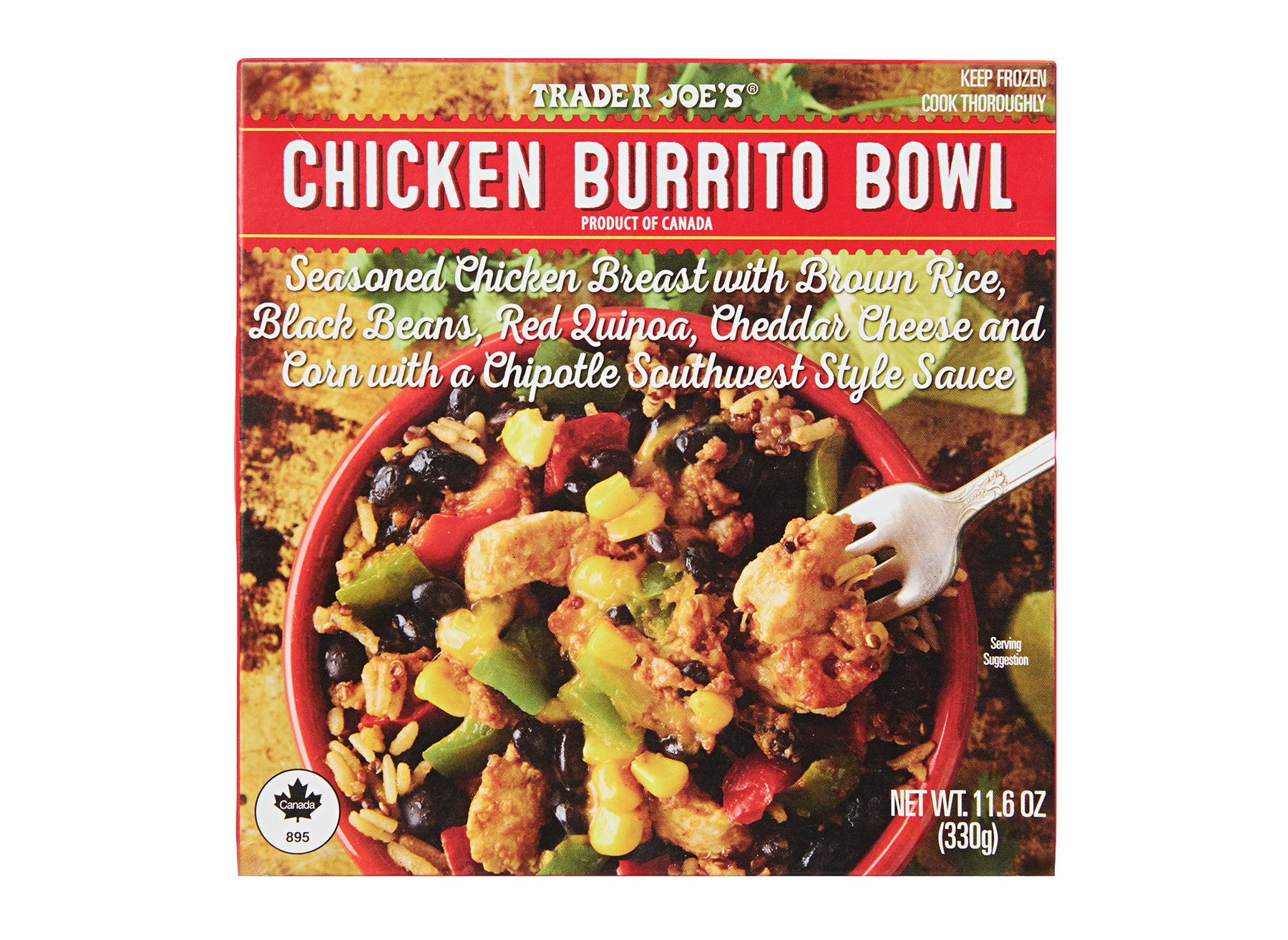
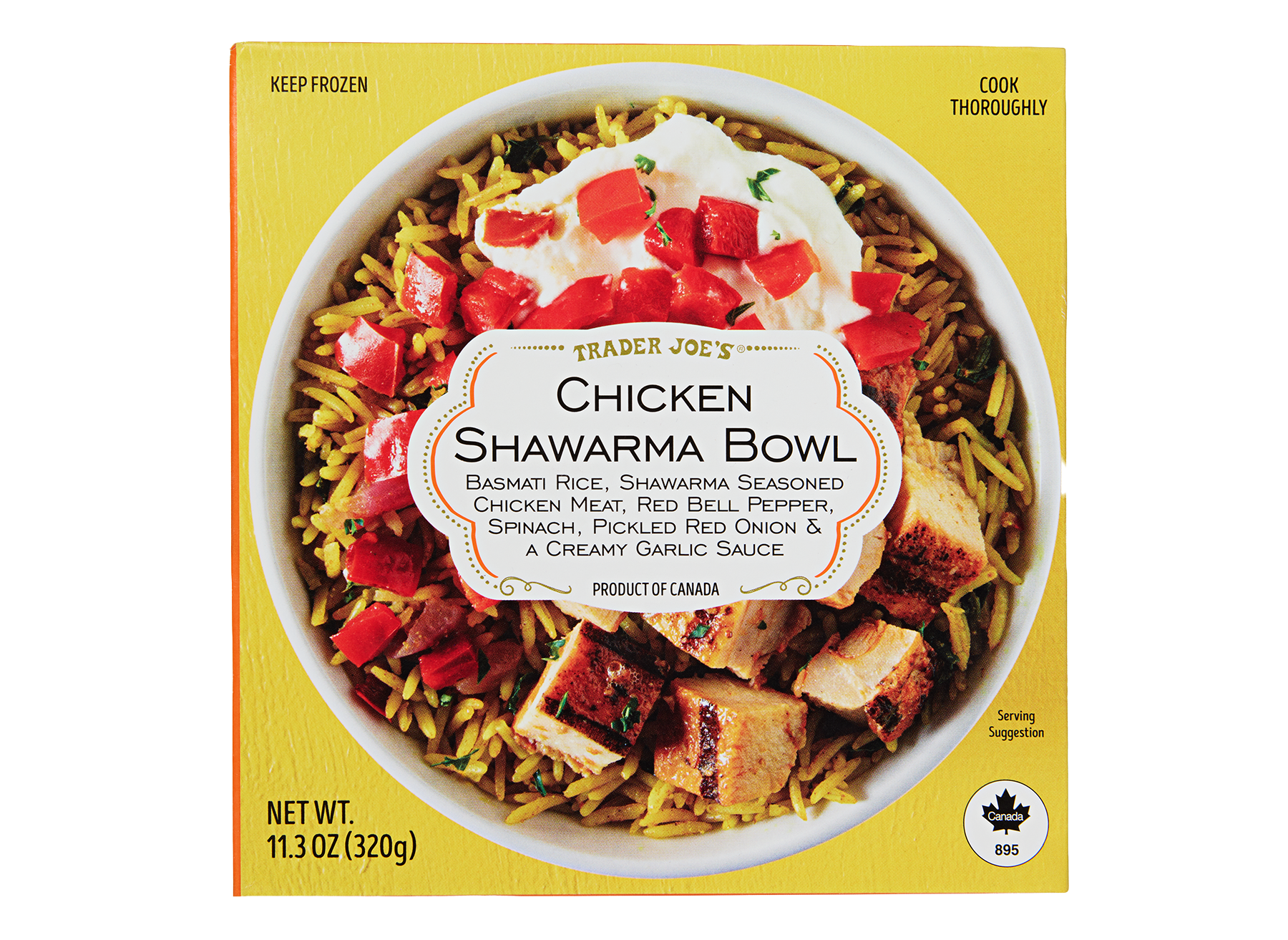
We also had flavorful meals from Tattooed Chef (try the Chipotle Sweet Potato Bowl or the Buddha Bowl) and Trader Joe’s (the Chicken Burrito Bowl and the Riced Cauliflower Bowl were both crave-worthy), which all had a cup or more of healthful whole ingredients, packed in the fiber, and had minimal or no additives. “These might not go head-to-head with a similar dish you’d make at home or have at a restaurant,” Keating says, “but they’re definitely among the better-tasting entrées from the freezer section.” Just watch the sodium and saturated fats, because some meals from these brands contain more than others.
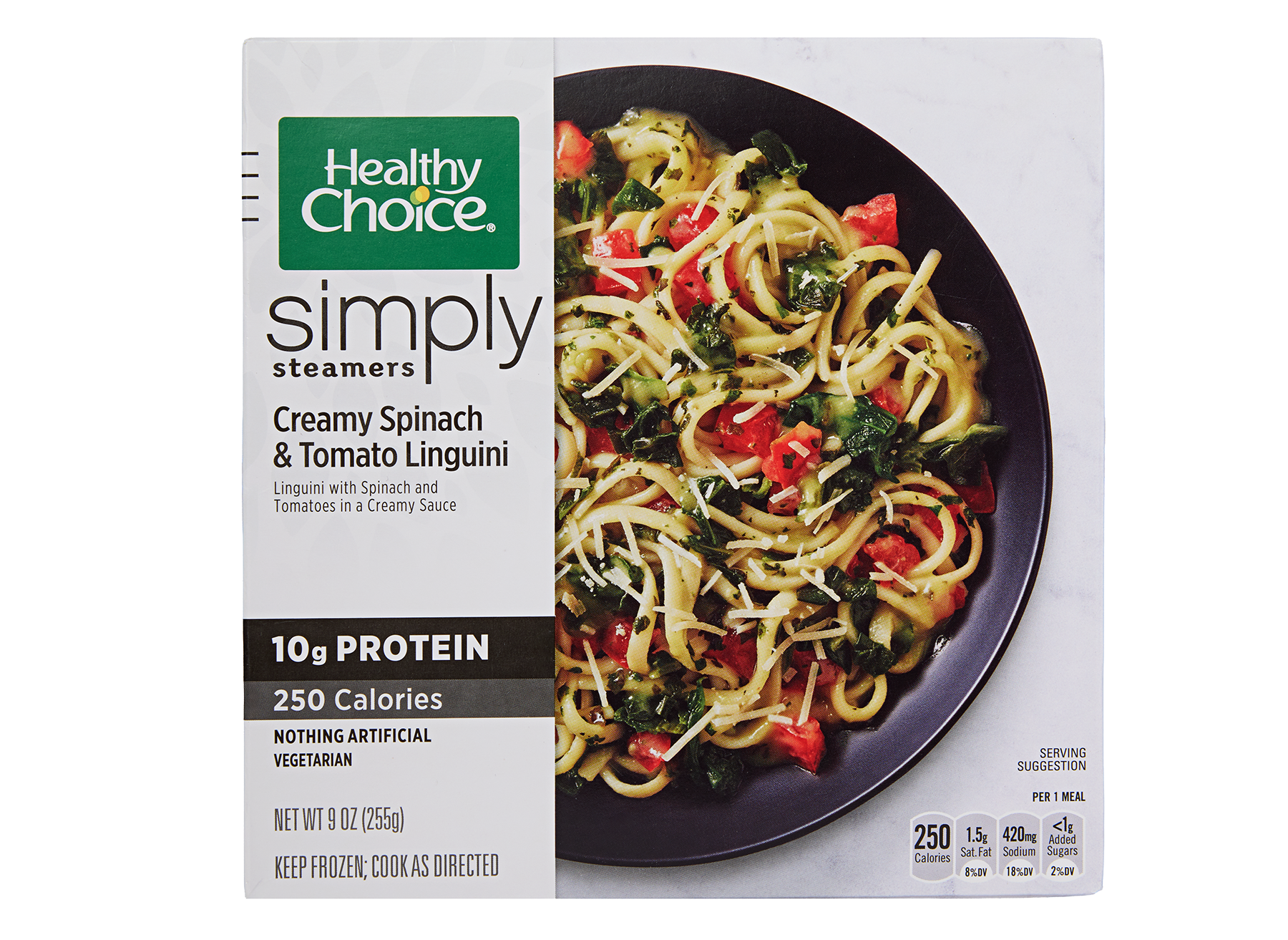
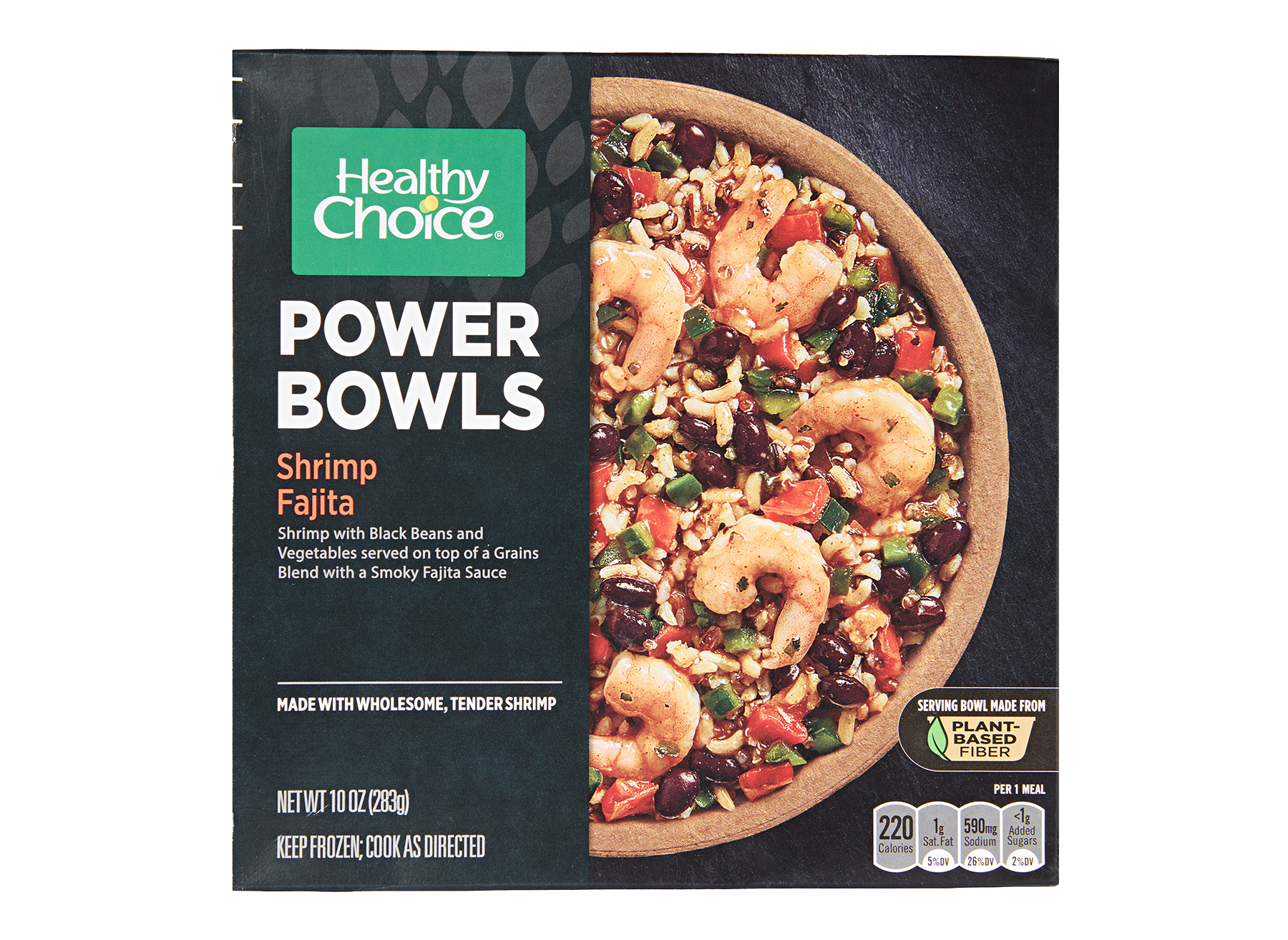
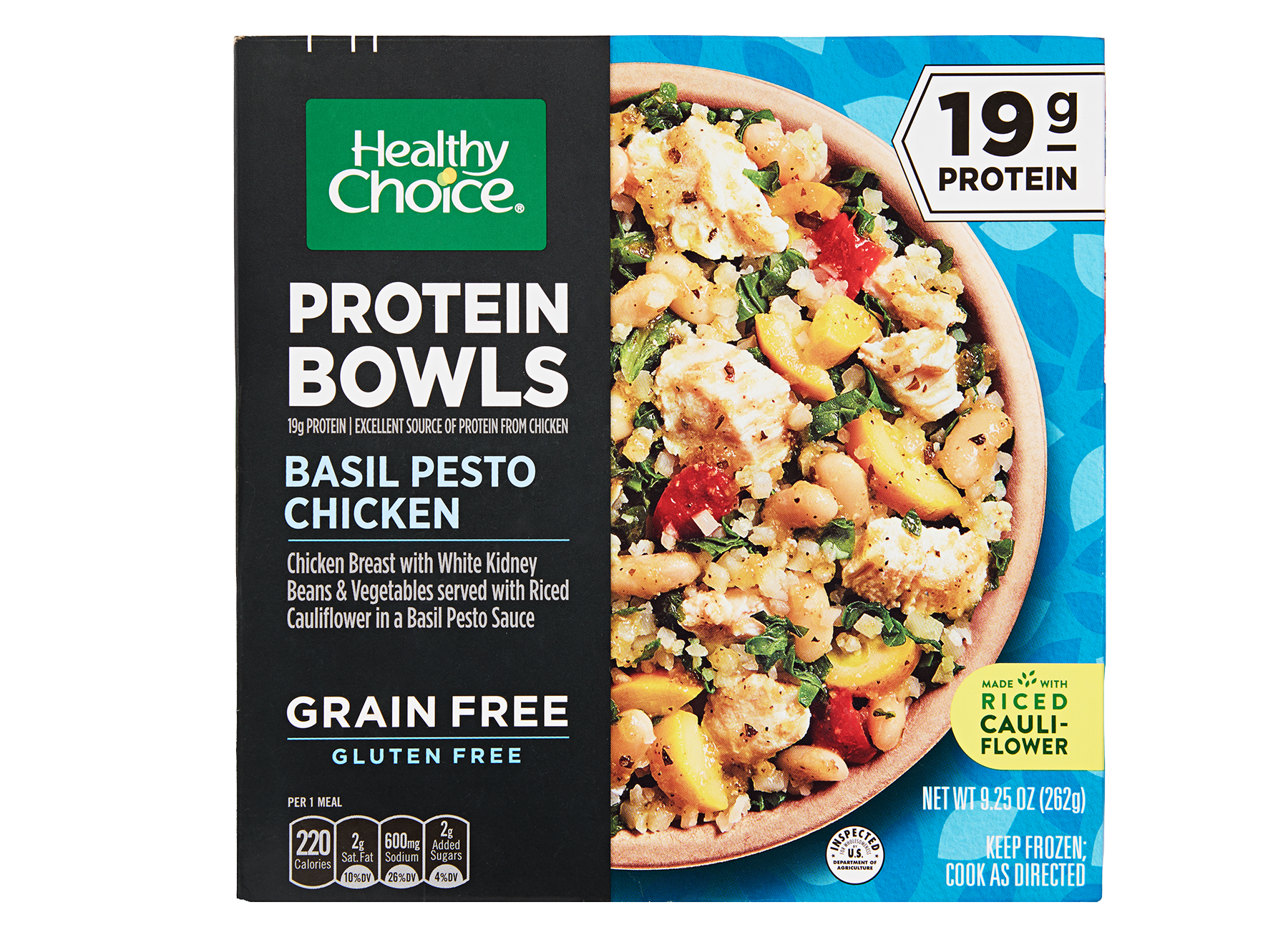
All three Healthy Choice meals we tried earned high nutrition scores, and two won over our testers for taste. When you’re shopping this brand, look specifically for the Simply Steamers, Power Bowls, or Protein Bowls lines, which tend to have less additives than other lines.
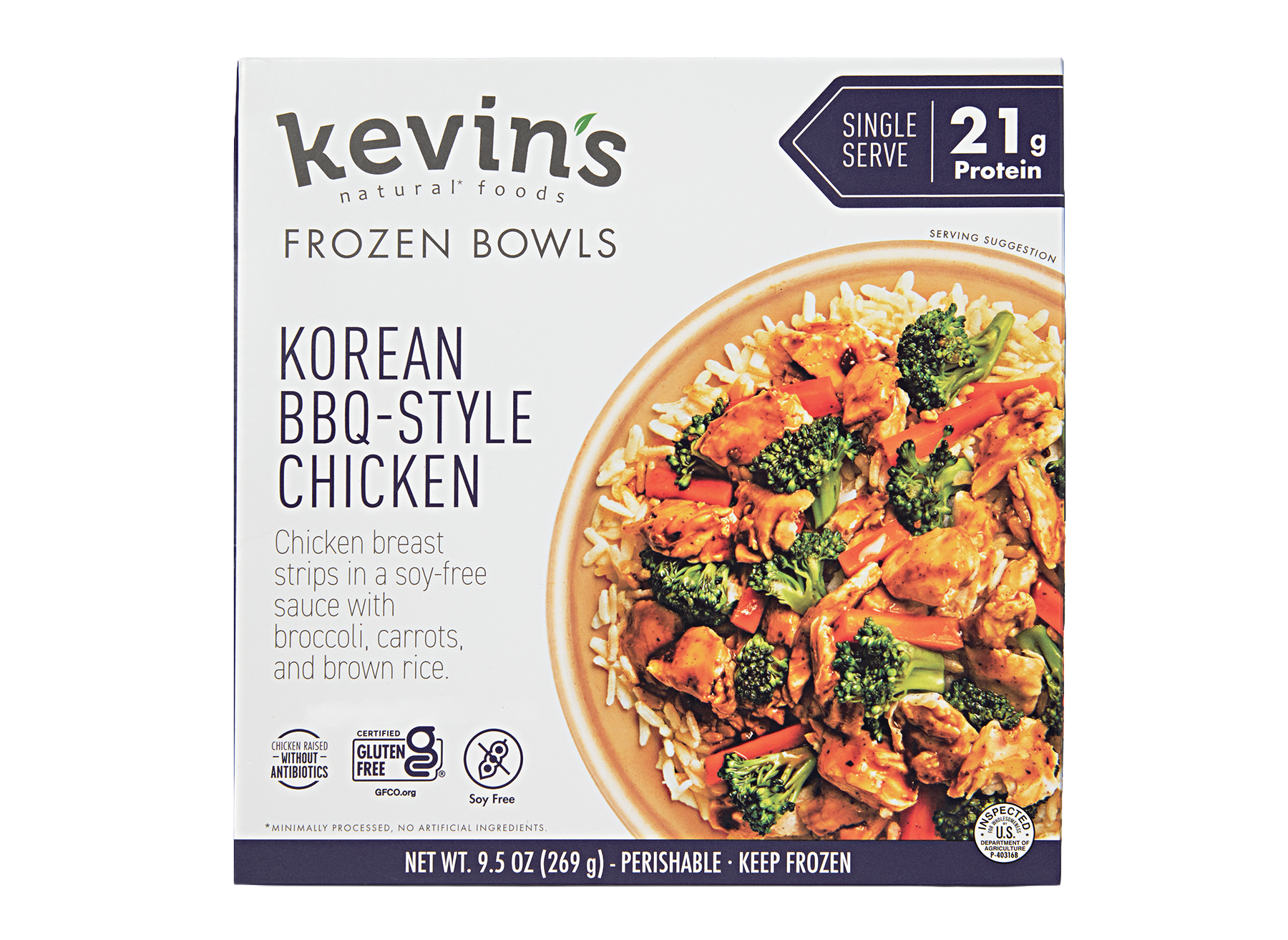
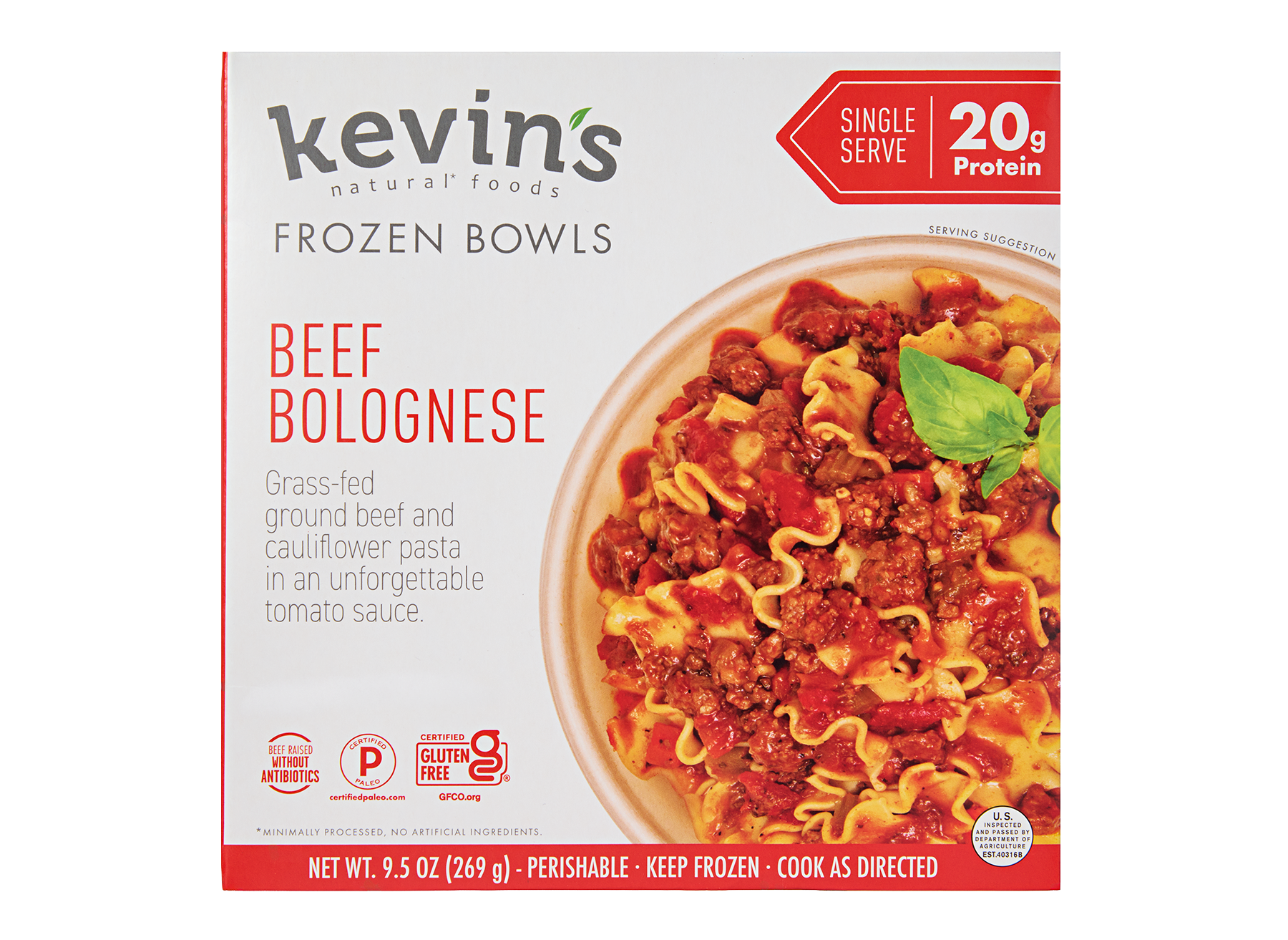
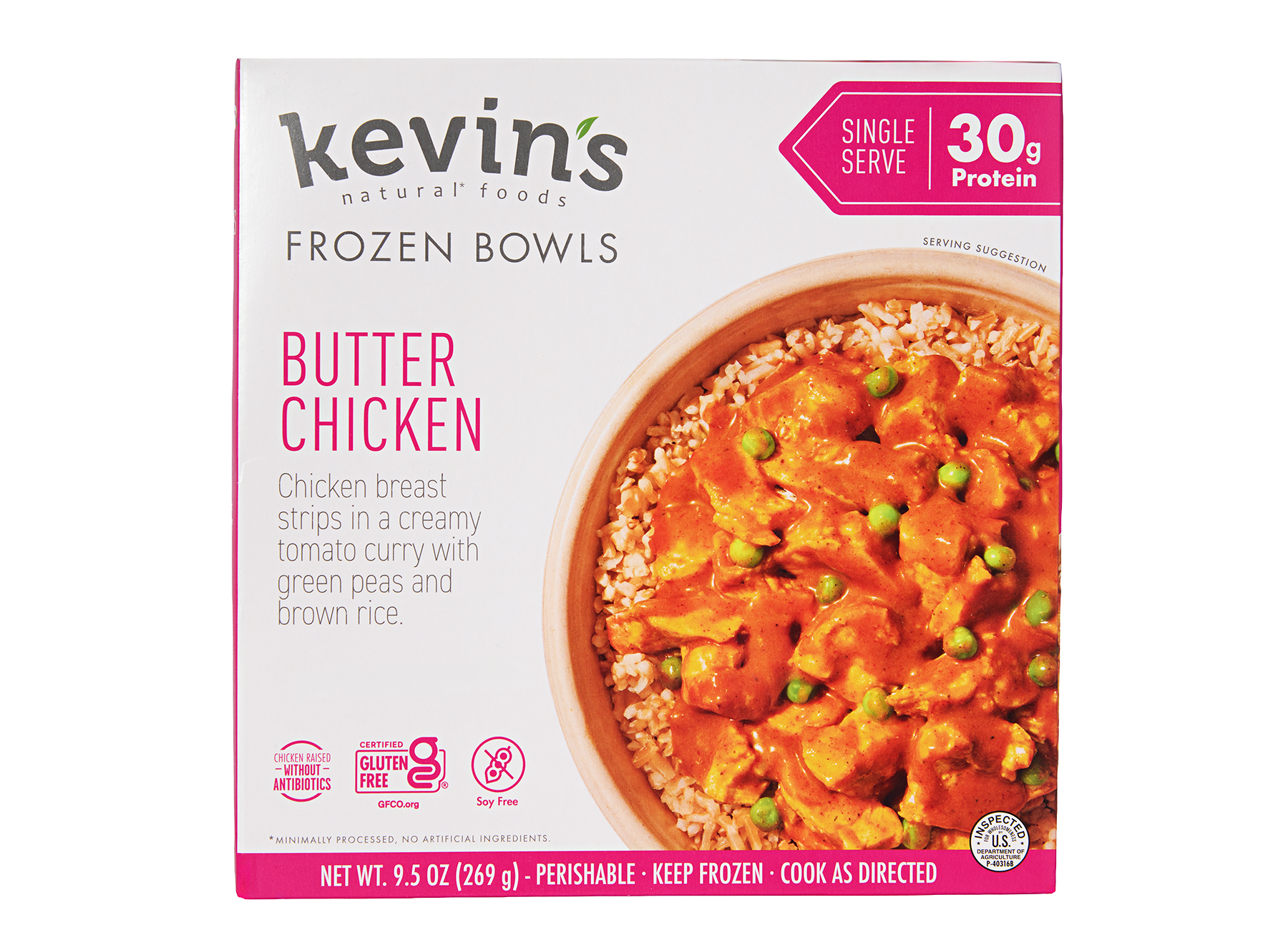
It’s easy to find a high-protein dish from Evol and Kevin’s Natural Foods, but they had small flaws. Two of the three Kevin’s meals were light on vegetables, and some of the Evol meals had more saturated fat than some of the other dishes in our tests.
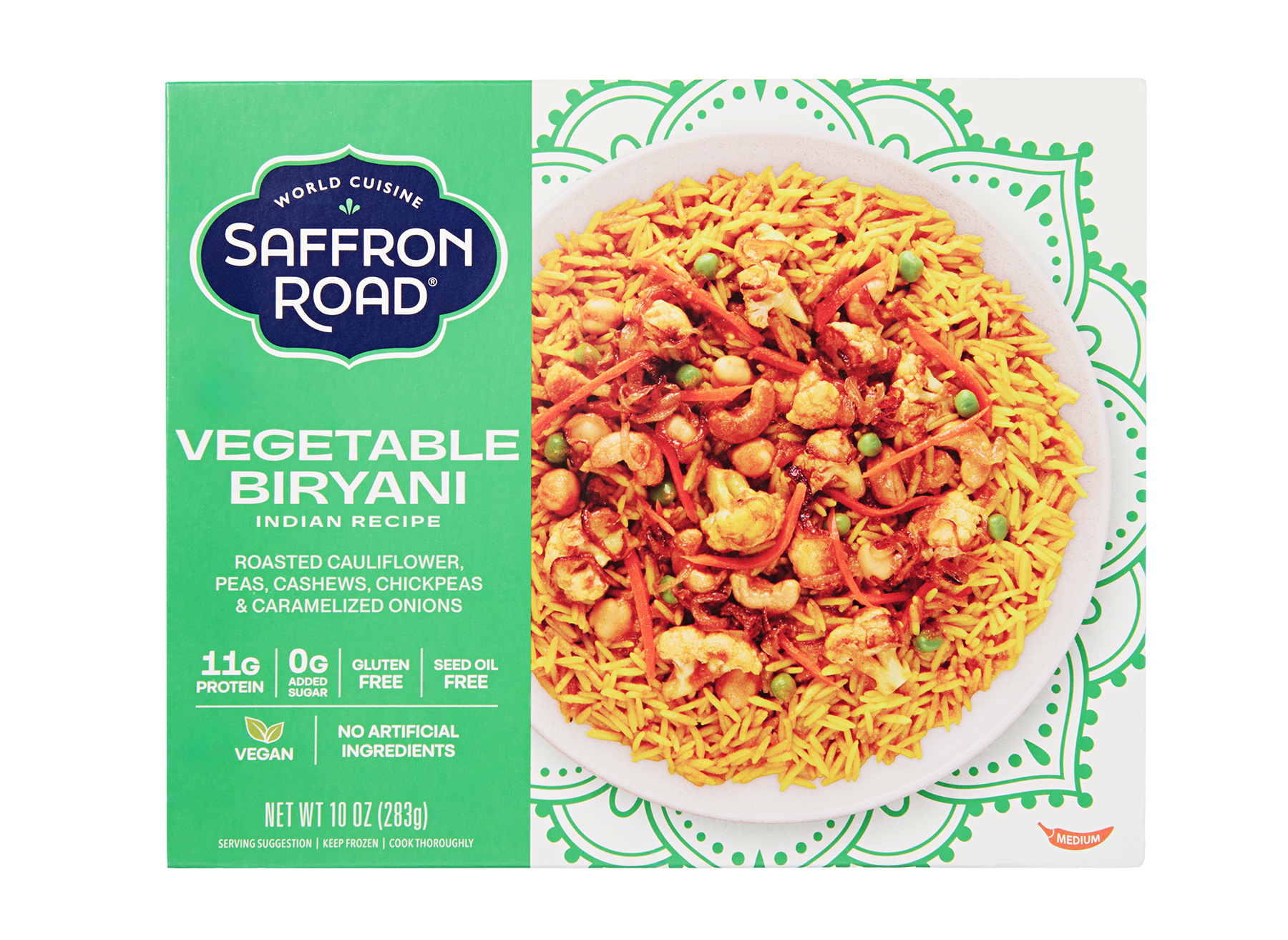
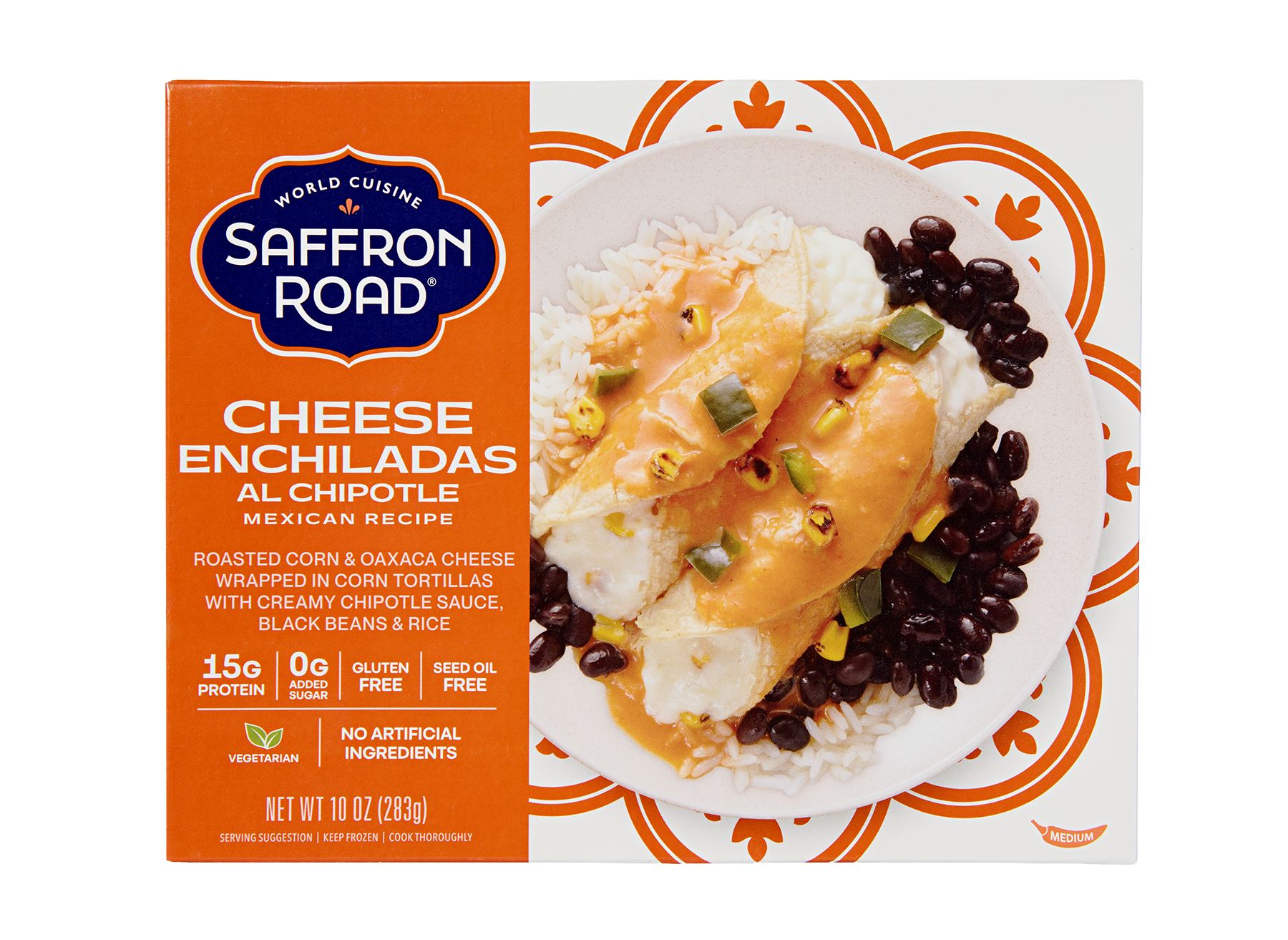
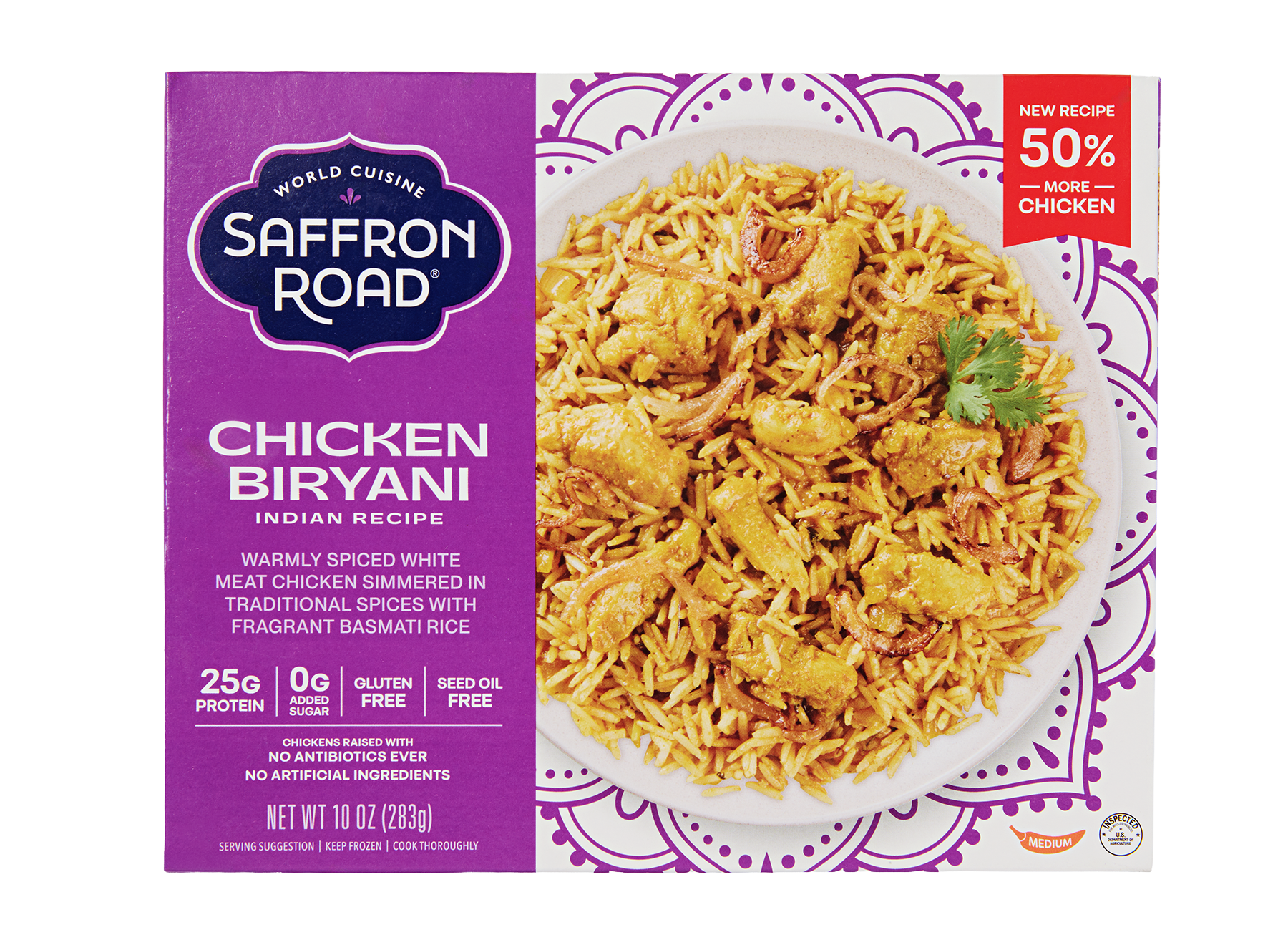
We liked some of Saffron Road’s globally inspired meals more than others. The Vegetable Biryani had more to offer, nutritionally, than the chicken version (including 10 grams of fiber), but both tasted good. The Cheese Enchiladas al Chipotle got high marks for nutrition, but the flavor didn’t wow us.
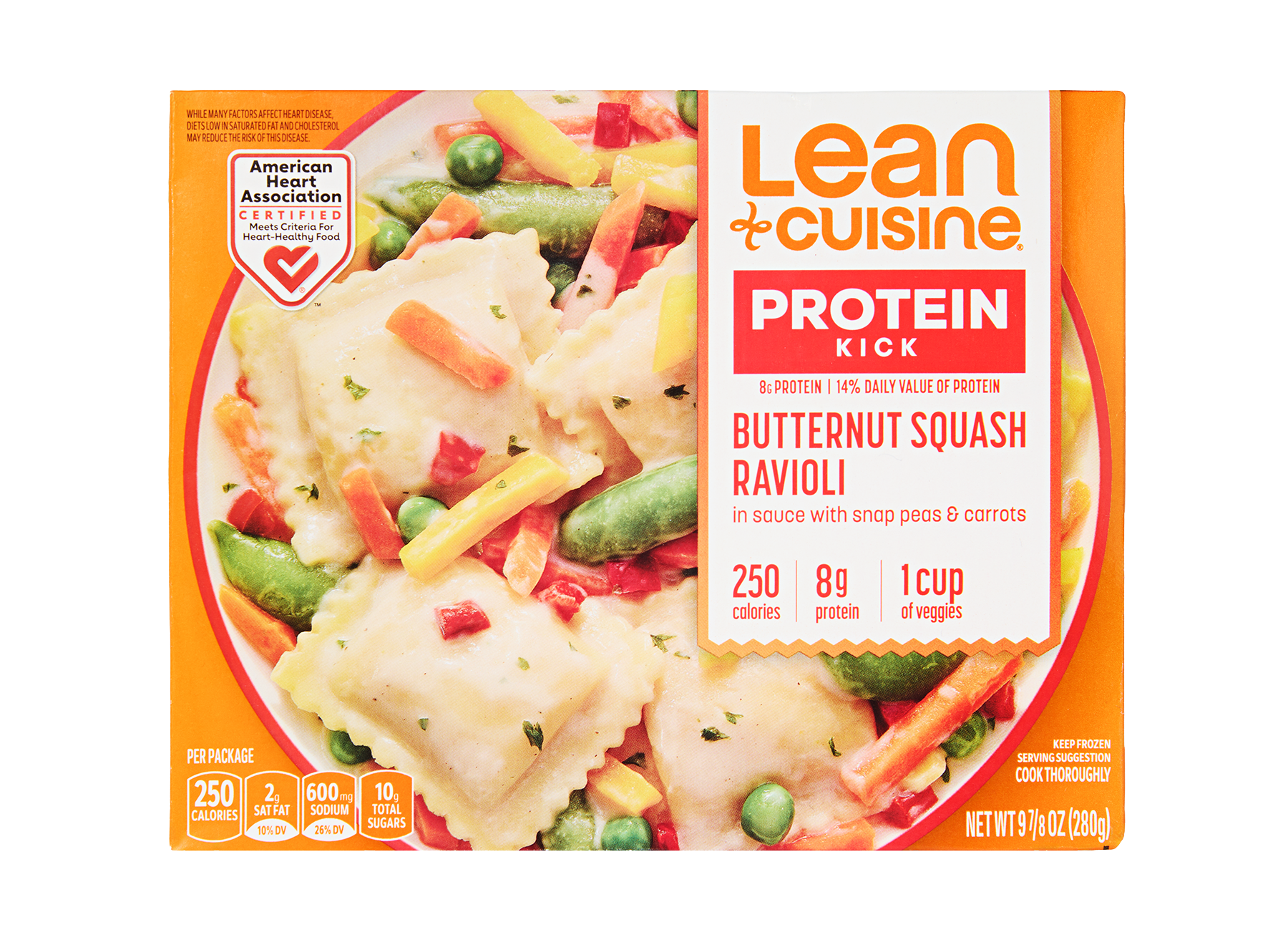
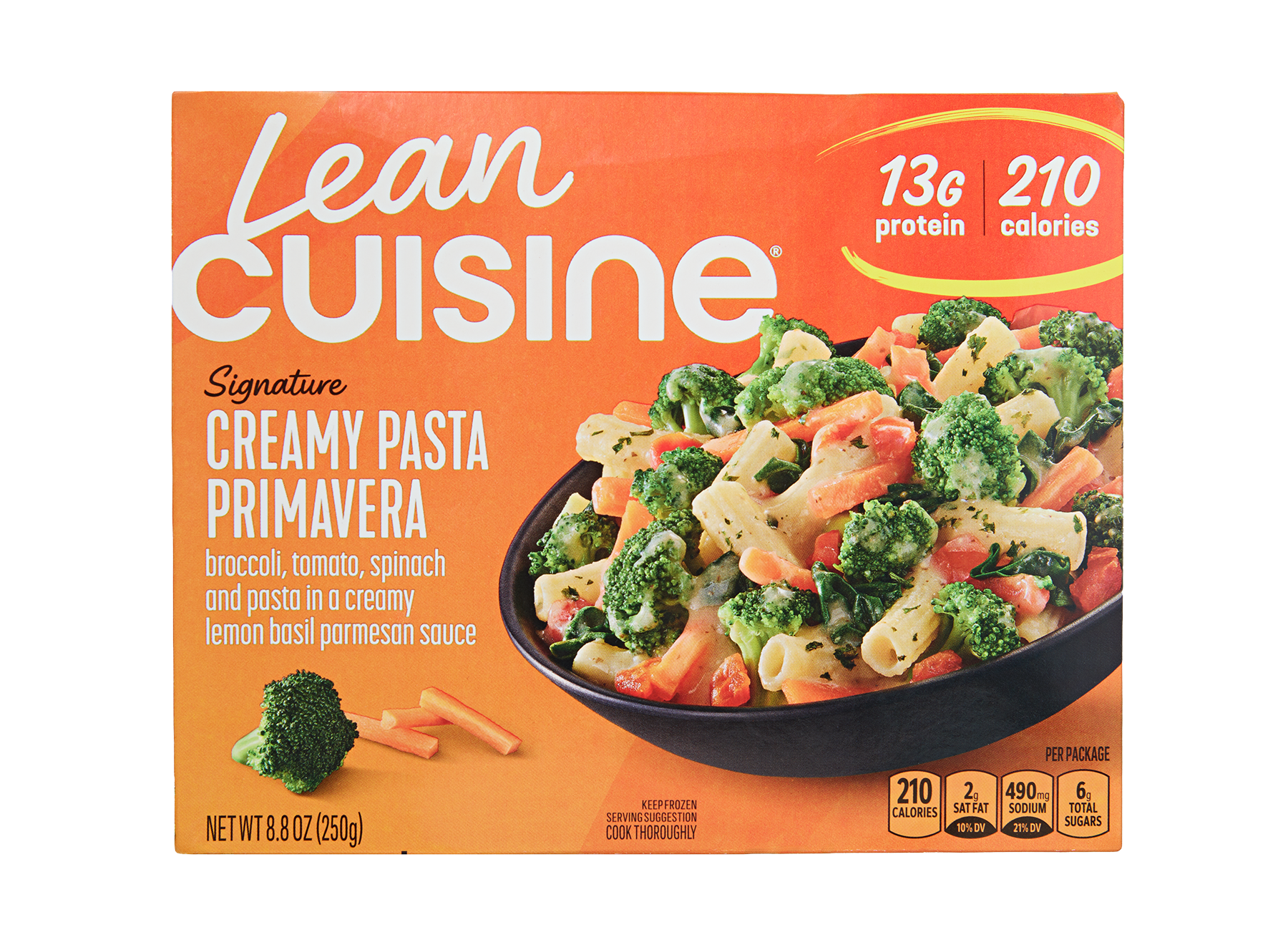
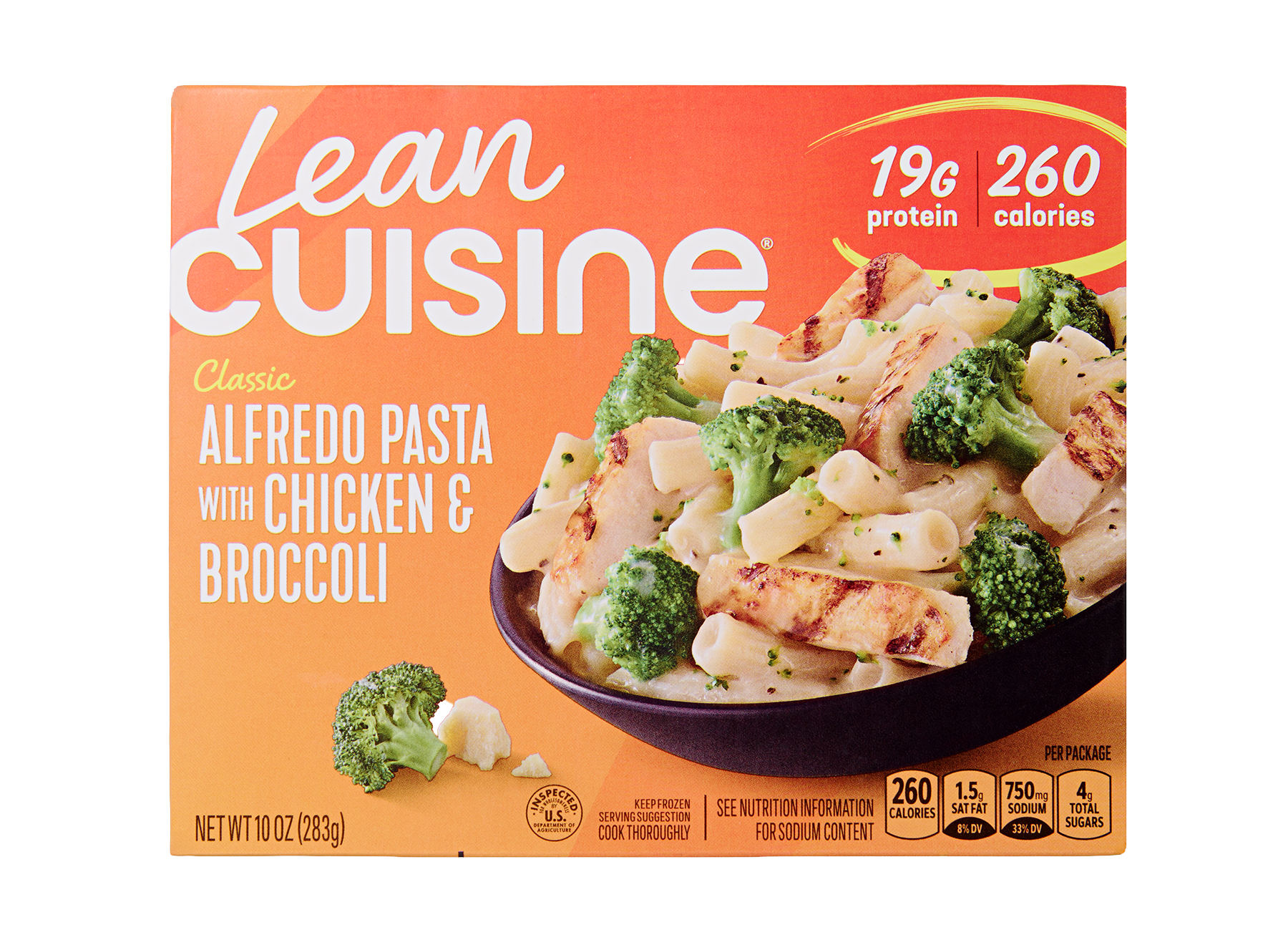
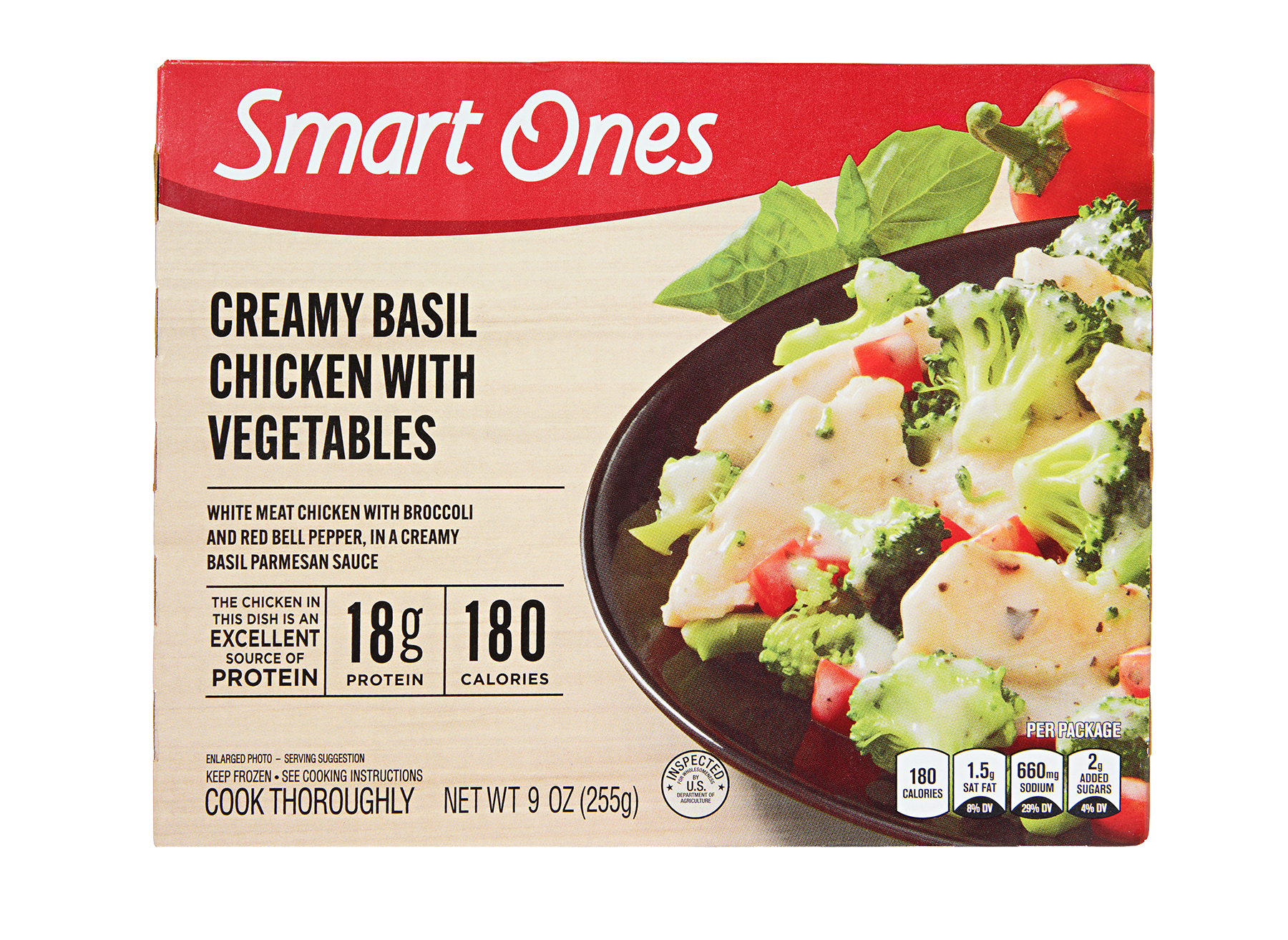
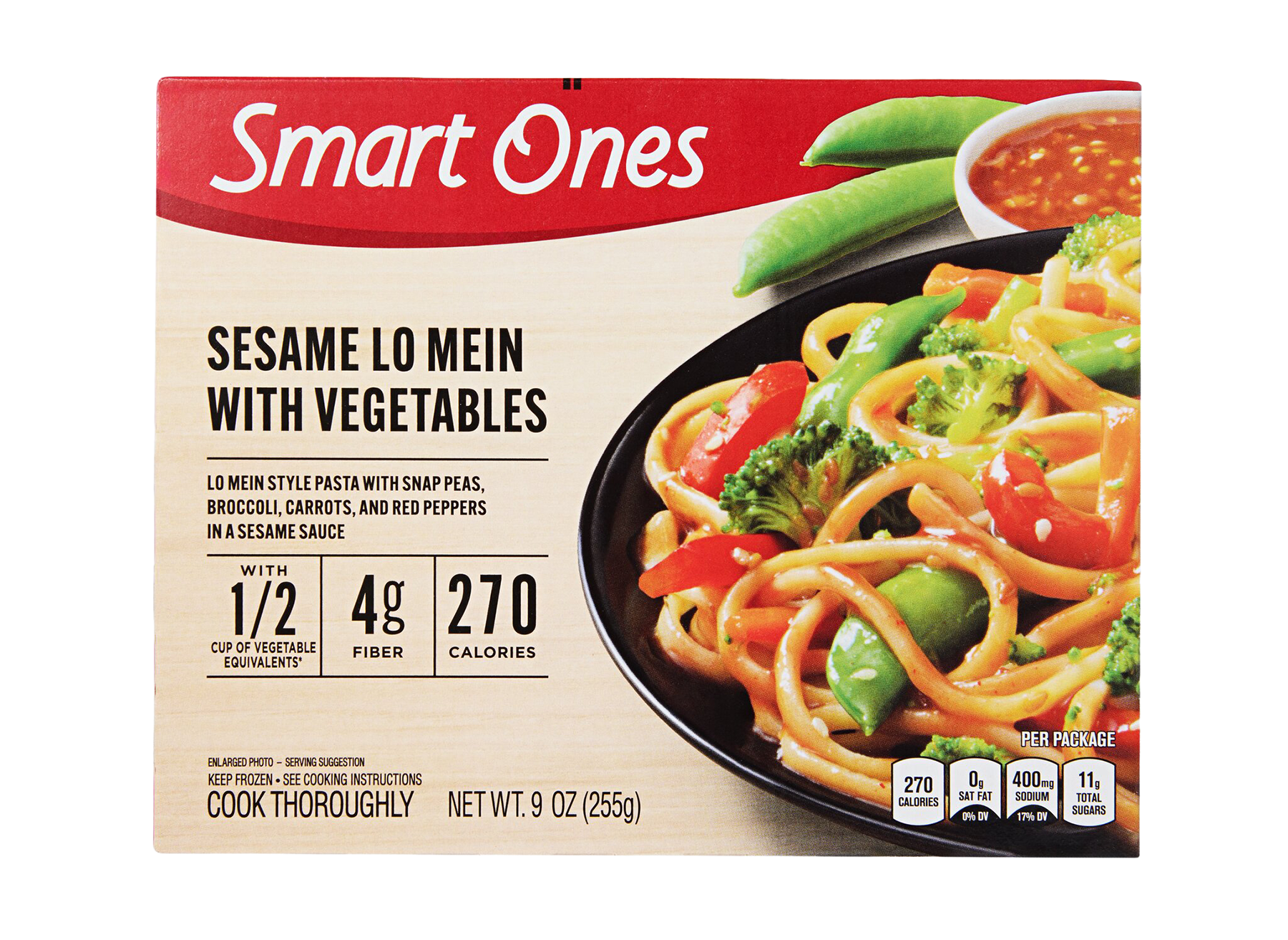
We didn’t find any winners among the Lean Cuisine and Smart Ones meals we tried. While the Butternut Squash Ravioli we tasted from Lean Cuisine did well in our nutrition evaluation, it was bland overall. The three entrées we tried from Smart Ones were lackluster in both taste and nutrition.
Make Frozen Meals More Filling
Still hungry? Us too. In some dishes we tried, we felt the portion size wasn’t quite enough to satisfy as a stand-alone meal, so you might need a side to feel full. In other cases, the flavor or texture after reheating wasn’t up to our standards. But we won’t stand for sad lunches or depressing dinners: Here are a few fast ways to boost the flavor, nutritional value, and general satisfaction when you’re relying on a frozen meal as your main course.
ADD ON
• Chopped cilantro and pepitas for Mexican-style dishes
• Pine nuts and fresh basil for Mediterranean fare
• A scrambled or hard-boiled egg to round out a grain bowl
• Sliced avocado or a drizzle of olive oil to boost plant-based fats
MIX IN
• A heaping tablespoon of kimchi for added fiber and probiotics—especially in Korean-style dishes
• A handful of baby arugula or spinach to cheesy pasta after heating
• ⅛ cup or more of sliced almonds or other nuts to grain-based dishes
• 1 cup of frozen cauliflower rice or ¼ cup or more of frozen peas, heated separately and stirred into your meal
SERVE WITH
• Green salad with sliced cucumbers and a lemon juice-olive oil drizzle
• Fiber-rich fruit, like an apple, an orange, or ½ cup berries
• Whole-grain toast with butter or nut butter
• Small bowl of soup, like tomato or lentil
Minimize the Risk From Plastic in Frozen Meal Trays
All the frozen foods we tested are intended to be cooked in their trays in a microwave, or in some cases, in a conventional oven. But some plastic trays and cardboard trays lined with plastic may contain compounds like bisphenols or phthalates, which several studies have shown can migrate from packaging into foods while heating. While we didn’t test food packaging as part of our evaluation, if you’re concerned, transfer the food to a nonplastic container before heating. Follow these steps
• Let the package sit out for a few minutes to thaw slightly.
• Then pop the frozen food out of the tray into a microwave-safe, nonplastic dish.
• Cover with a food-safe silicone lid and heat according to directions.
• If the instructions say to poke a hole in the plastic before heating, place the lid slightly askew to allow steam to escape.
Editor’s Note: This article also appeared in the September/October 2026 issue of Consumer Reports magazine.


