How to Choose a Shampoo With Fewer Harmful Chemicals
We analyzed almost 100 shampoos for safety and sustainability. Rahua, Innersense, and Everist were among our top nontoxic shampoo brands.


In partnership with Made Safe and Made Wise, programs that educate both consumers and companies about consumer products and safety and sustainability, we reviewed the ingredients lists of almost 100 shampoos to look for red flags. In our analysis of shampoo ingredients for sustainability and long-term safety, we evaluated a wide range of products, from luxury brands to drugstore favorites. We found the majority of shampoos we reviewed contained ingredients linked to concerns. Learn more about what’s inside a shampoo bottle and how to shop for more sustainable options below.
But we also found over 20 top choices that avoid ingredients linked to human health and environmental concerns—substances like parabens, ethoxylated ingredients, dyes, silicones, and more. Our top choices prioritize better ingredients to help you make a more sustainable shampoo choice. We also spoke with experts who provided shopping tips based on your hair’s unique needs and flagged which products are free of common allergens, using data from our partners at SkinSafe.
Top Sustainable Shampoo Choices
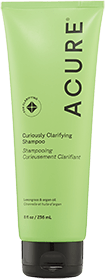
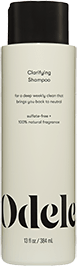
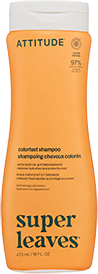
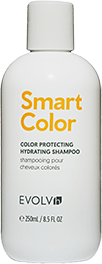
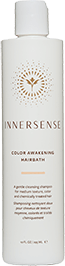
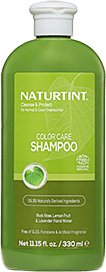
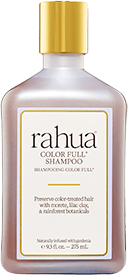
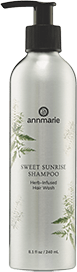
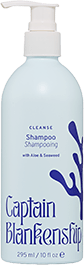
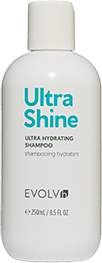
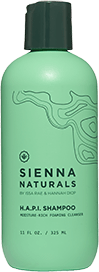
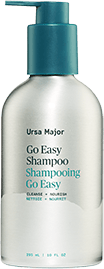
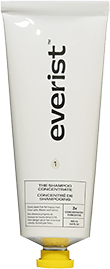
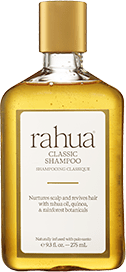
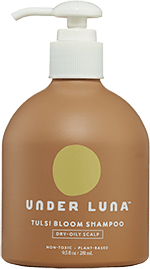
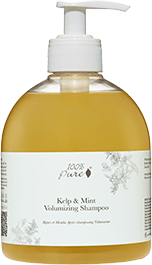
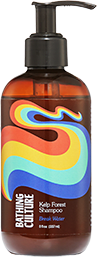
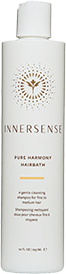
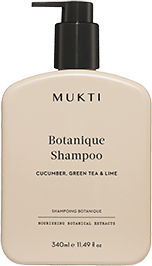
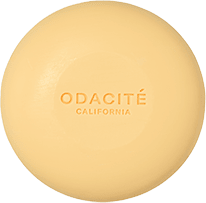
When you shop through retailer links on our site, we may earn affiliate commissions. 100% of the fees we collect are used to support our nonprofit mission. Learn more.
What’s Inside Shampoo and How to Shop for More Sustainable Options
Fragrance
The majority of the shampoos we reviewed contained “fragrance,” an all-encompassing term that refers to a scent-providing formulation. While “fragrance” sounds like one single ingredient, it can actually contain hundreds of ingredients. Not all fragrance ingredients are problematic, but many have been linked to health and environmental concerns.
Dyes
You can spot dyes on packaging by looking for the term FD&C followed by a color and number. Examples include FD&C Yellow No. 5 and FD&C Blue No. 1. Dyes are not inherently problematic, but many dyes are linked to environmental concerns due to not breaking down in the environment and because their raw materials are typically petroleum. They’re also technically unnecessary, as they typically serve no other purpose than to change the product’s aesthetics, so avoiding them is an easy way to go gentler on the planet without sacrificing ingredient performance.
Surfactants
Surfactants are the workhorses of shampoos, providing the cleansing and cleaning properties to get your hair clean. Without a chemistry background, they’re tricky to spot on labels. So what’s the trick to choosing better surfactants? Look for formulations that state they’re biodegradable. While not a universal rule, biodegradable surfactants are typically gentler on the planet and aquatic life, which is important because most down-the-drain products like shampoo end up in our water.
Another trick to choosing better surfactants is to avoid a class of chemicals called ethoxylated ingredients. These chemicals utilize a manufacturing process that can leave behind residues potentially linked to some cancers, which can then end up in shampoos. To spot and avoid these ingredients (which aren’t always surfactants, but often are), look for ingredients with the suffix “-eth” (as in “laureth” or “ceteareth”), ingredients that contain the terms PEG or polysorbate (as in PEG-7 or polysorbate 80), as well as the ingredient phenoxyethanol.
Last, but not least, another class of surfactants to be on the lookout for are called quats, short for quaternary ammonium compounds. They’re ubiquitous in haircare because their performance is hard to beat. Unfortunately, they are linked to harm to aquatic life and aren’t typically readily biodegradable. On labels, ingredient names vary widely, making quats difficult to spot. One trick is to look for the term “quaternium”, which is usually followed by a number and sometimes preceded by the prefix “poly” (as in polyquaternium 10), the suffix “-omidopropyl” (as in lauramidopropyl betaine), or the prefix “hydroxypropyl-” (as in guar hydroxypropyltrimonium chloride).
Sulfates
Sulfates are a kind of cleansing ingredient that may be harsh for certain hair and scalp types. “Sulfates may strip away protective lipids from the scalp, leading to more breakage, especially in textured or chemically treated hair,” Tung told CR. However, according to Marta Teixeira, a clinical trichologist and dermatology specialist nurse in the UK, a sulfate-free formulation isn’t necessarily more gentle, due to the complexities of product formulation. If you do choose a sulfate-free formula, pay attention to how your scalp and hair respond. To find them on labels, look for the word “sulfate” as part of an ingredient name (as in sodium laureth sulfate and sodium coco sulfate).
Parabens
Parabens are a type of preservative commonly added to consumer products to prevent mold and bacterial growth and extend a product’s shelf life. Tung says these preservatives are linked to allergic reactions, so it’s best to avoid them. In addition to allergies, parabens have been associated with endocrine disruption, an interference with normal hormonal signaling, which can lead to various health impacts. The term “paraben” indicates ingredients within this family on the label (like: propylparaben and methylparaben).
Silicones
Silicone may be added to shampoo as a conditioning ingredient to enhance shine and help with detangling. You may have heard that avoiding silicone in shampoo is recommended due to the potential for buildup in hair, but Teixeira says this concern is overstated. According to Teixeira, silicones don’t necessarily lead to buildup, and it’s more about how the product as a whole is formulated that influences product buildup in hair.
However, some silicones are linked to environmental concerns. For example, dimethicone, a common silicone ingredient in shampoos, is linked to resisting biodegradation and toxicity to aquatic life. If your goal is a greener product, avoiding silicones may align with your shopping values.
Which Shampoos Work Best for Different Hair Types?
We put our hair through a 12-week boot camp to find the best nontoxic shampoos for curly, fine, and color-treated hair.
What to Look for in a Shampoo, According to Experts
You probably think of shampoo as a hair care product. But what many people might be overlooking is their scalp. The experts we spoke to say that the key to choosing the right shampoo is finding a product that suits your individual scalp and hair needs. “The primary function of a shampoo is to cleanse the scalp, not the hair itself. I always advise patients to think of a shampoo as a scalp product first,” Teixeira told CR.
“Scalp health always comes first, because a healthy scalp creates the best environment for hair growth and appearance,” says Tung. For example, someone with a scalp that produces more sebum, that oily substance that can make hair feel greasy, might need a product with stronger cleansing ingredients. And on the flip side, someone with a dry scalp may benefit from gentler formulas.
“Hair and scalp health are deeply connected to whole-body wellness, and paying attention to changes can provide valuable insight into what the body is trying to communicate,” Tung says. Chronic scalp inflammation and hair loss, for example, might signal health considerations that should be discussed with your doctor or another professional. Tung emphasizes that unchecked scalp inflammation can lead to hair loss. Teixeira told CR that certain conditions, like centrifugal cicatricial alopecia, can be misidentified as breakage or hair loss without a professional assessment. When in doubt, seek a professional opinion rather than aiming to self-treat with hair products.
Teixeria emphasized that washing frequency is important too: “Balance between moisture preservation and adequate scalp hygiene is key.” Going too long between washes, going “no-poo” (not using shampoo at all), or using only a co-wash (conditioner only) can result in buildup or worsening seborrhoeic dermatitis, or contribute to dandruff. One myth Tung busted: Frequent hair washing doesn’t necessarily lead to hair loss. Again, the important part is washing based on your individual requirements. Those with an oily scalp may need to wash more, and individuals with a dry scalp or textured hair may need to wash less to maintain moisture levels. Regardless of how often you need to wash, Tung recommends focusing on the scalp rather than the hair, and massaging gently.
While the scalp is a critical component of shampoo selection, your hair type can still play a role. Textured, coily, or curly hair is more prone to dryness and breakage, which is why Teixeira doesn’t recommend shampoos that strip moisture for individuals with those hair types. Instead, she suggests trying low-lather formulations and co-washing between regular washings. Again, the message is clear—it’s all about your individual hair needs.


