Breakfast really is the most important meal of the day. Many traditional breakfast foods—eggs, fruit, whole-grain cereal, and yogurt, for instance—are packed with nutrients, and eating in the a.m. also helps you maintain a healthy weight, control your cholesterol and triglyceride levels, and improve your sensitivity to insulin, which regulates blood sugar levels.
People who regularly eat breakfast have lower rates of type 2 diabetes and are less likely to develop heart failure and other heart problems over their lifetime than those who don't, research suggests.
And breakfast also has more immediate benefits—it boosts your energy and improves cognition, memory, and problem-solving skills, says Amy Keating, R.D., a nutritionist at Consumer Reports. "Plus studies show your metabolism is primed in the morning, so it makes sense to eat a good meal early in the day."
A healthy breakfast may even help you live longer. Regularly eating breakfast was among the key behaviors linked to longevity in the Georgia Centenarian Study, which tracked hundreds of older Americans from 1988 to 2009 to determine which variables predicted a longer-than-average life span.
Considering how vital a good breakfast is for your body and brain, it's important to approach it mindfully. Following are some easy ways to maximize your morning meal.
1. Eat at Home
Increasingly, people are picking up breakfast in a coffee shop or fast-food restaurant, and though you can find some healthy options there, our recent review and test of breakfast items from six chains shows it isn't so easy. When you eat at home, you have more control over what goes into your dish. Dining at home may be especially helpful if you're watching your weight. A University of Massachusetts study found that people who often ate out in the morning were more likely to be obese than those who didn't.
2. Front-Load Your Calories
Aim to consume 20 to 25 percent of your total daily calories at breakfast (up to 400 calories for women, up to 500 for men, and a bit more for vigorous exercisers). Research shows that it increases levels of the satiety hormone PYY, helping you to feel full, and may reduce the number of calories you consume at lunch, according to Heather Leidy, Ph.D., an assistant professor in the department of nutrition and exercise physiology at the University of Missouri, Columbia. It may also help you avoid overeating later in the day, which may lead to weight gain.
3. Think Protein
Research suggests that eating protein first thing in the morning is crucial. Having 24 to 35 grams may help prevent weight gain and promote weight loss by stabilizing your blood sugar, decreasing your appetite, and making you feel full. Morning protein also helps limit high-fat evening snacking. A study in the American Journal of Clinical Nutrition found that people who ate a protein-rich breakfast consumed 200 fewer calories at night.
4. Time It Right
"In general, researchers agree that you should have a meal within 2 hours of getting up," says Rania Mekary, Ph.D., an associate professor at the Massachusetts College of Pharmacy and Health Sciences University in Boston. "If you eat later, you may be fasting too long."
5. Pump Up Your Cereal
Ready-to-eat cold cereal isn't always the healthiest of breakfasts on its own. That's because it's primarily carbohydrates, with little fat or protein to help control blood sugar levels and keep you full. Still, a cereal can be considered "good for you" if it has few ingredients, 5 grams or more of fiber, and no more than 3 grams of fat, 8 grams of sugars, and 140 mg of sodium.
Milk adds protein, but not enough. Topping cereal with 1 cup (8 ounces) of Greek yogurt and a quarter-cup of almonds will supply 33 grams of protein. (Add fresh fruit, if you like, for extra fiber and sweetness.) If only milk will do, supplement your cereal with an egg or a slice of whole-wheat toast with nut butter.
If you prefer hot cereal, try using milk instead of water to make it and mix slivered almonds or chopped walnuts. For a less traditional option, try brown rice layered with yogurt and fresh fruit and seasoned with cardamom, cinnamon, or cloves. Or cook barley or quinoa and top with cinnamon, dried fruit, or nuts.
6. Choose Yogurt Carefully
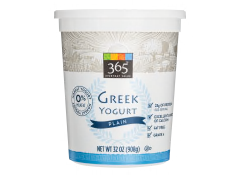
All yogurts contain lactose, a naturally occurring sugar, but vanilla and fruit-based yogurts often contain added sugars. One way to keep the sugar down is to choose a plain variety, then add a tiny amount of vanilla extract and honey, or mix in some fruit. You can also blend it with a healthy trail mix. In general, when shopping for yogurt, look for one that has 20 grams or less of sugars per serving and at least 15 percent of the daily value of calcium. There's some evidence that whole-milk yogurt may be okay from a health standpoint, but if fat intake is a concern, choose low-fat or nonfat products when possible.
7. Don't Be Afraid of Eggs
True, eggs are high in dietary cholesterol, but their effect on your blood cholesterol level is minimal. People with normal levels of LDL (bad) cholesterol who limit their intake of saturated fat can safely eat up to seven eggs a week; those with high LDL should limit themselves to four or use egg whites or an egg substitute.
Having them at breakfast helps dieters lose weight, research suggests, possibly because they're so filling that they reduce the chance of overeating later. And eggs have been found to reduce levels of the hunger-stimulating hormone ghrelin and to increase levels of the PYY satiety hormone. You can increase the fullness factor by incorporating fiber-rich vegetables into your eggs, such as spinach or another dark leafy green, tomatoes, peppers, even sweet potatoes.
8. Add Some Whole Grains
Make pancakes or waffles from scratch with whole-wheat flour, or use packaged whole-wheat pancake mix. Make French toast with whole-grain bread, and boost fiber and protein by adding nonfat dry milk or ground flaxseed to the egg mixture. Skip the butter, syrup, and whipped cream in favor of fruit or low-fat ricotta cheese flavored with cinnamon or vanilla extract.
You can also consider open-faced sandwich options. Spread peanut butter on whole-wheat toast and top with fresh apple or banana slices. Or put smoked salmon on a whole-wheat bagel with sliced tomato and onion and low-fat cream cheese.
9. Go Easy on the Fruit Juice
A small glass each day—4 ounces or a half-cup—is fine, but don't overpour. Choose whole fruit instead, which has less sugars and more fiber, and is more filling. You can also consider making a healthy smoothie, blending bananas, berries, or other fruit with low-fat milk or yogurt.
10. Consider Mixing It Up
There's no rule that breakfast has to consist of food specifically designated for that meal. In fact, last night's leftovers may be perfect. That's because most people consume about 50 to 60 percent of their total daily protein at dinner, and shifting those calories to the morning may have health benefits. In studies, eating protein at breakfast vs. lunch or dinner led to a greater feeling of fullness. Other research indicates that morning protein might encourage weight loss and increase muscle mass. Some good options: grilled chicken with vegetables, steak kebabs, or an egg-based casserole.
5 Tips to Change the Way You Eat
Does your diet need an overhaul? On the 'Consumer 101' TV show, Consumer Reports' expert Paul Hope offers host Jack Rico 5 healthy eating tips.