Sign In

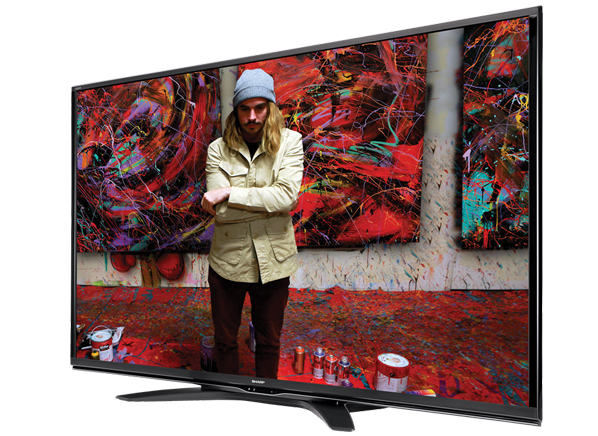
There's a deepening paradox about rear-projection TVs (RPTVs), those video giants with screens that run upwards of 70 inches in size. On the one hand, based on our Ratings of RPTVs (available to ConsumerReports.org subscribers), sets have continued to get better. And as we learned at the Consumer Electronics Show this month, there's still quite a bit of innovation in the category. Mitsubishi and Samsung have been experimenting with alternative backlighting sources for these sets—Samsung already with a growing number of LED-based sets (such as the HL-T6187S rear-projection TV set seen at right), and Mitsubishi poised to launch the first laser-lit rear-projection sets later this year. In addition, both companies have been offering fairly impressive 3D demos when their sets are used with optional 3D glasses and stereoscopic content.
But those pluses aren't enough for most consumers, who can now get a thinner plasma or LCD set of comparable size to an RPTV set at a comparable price. As a result, RPTV sales continue to dwindle; Toshiba, for one, now estimates the total rear-projection market at a paltry 650,000 units, out of an overall digital TV market of more than 23 million sets.
Little wonder, then, that the number of manufacturers making rear-projection sets continues to decline. Sony and Toshiba recently defected from the rear-projection TV market, and, based on what we saw at CES this month, there's a strong likelihood that by this summer, there will only be two major rear-projection players left: Samsung and Mitsubishi. Neither JVC nor Panasonic, traditionally strong RPTV players, showed new rear-projection models at the show and a JVC executive this week confirmed that no new sets are on the horizon this year. That leads us to believe these companies will announce their exits from the RPTV market sometime in the coming months.
The slimming of the market means that both LCoS (the technology used by JVC, which markets it as D-ILA) and rear-projection LCD (the format used by Panasonic) would essentially disappear from the market. That would leave DLP as the only remaining rear-projection technology. (LCD and LCoS continue to remain important technologies in the front-projector TV market, however.)
For consumers, the decline of RPTV will mean fewer model to choose from if a projection set does make sense for your needs. (See our buying advice on rear-projection TVs to determine if an RTPV is right for you.) It might also provide good deals on really big sets, as Samsung and Mitsubishi duke it out for the remaining RPTV buyers. We'll continue to monitor the rear-projection business, including testing the likes of those laser-lit Mitsubishis later in the year. But it appears that the handwriting is already on the wall: it's only a matter of time before RPTVs follow in the path of CRT sets and become a historical footnote in the evolution of TV displays.
—James K. Willcox

 WASHING MACHINE REVIEWS
 GENERATOR REVIEWS
 Build & Buy Car Buying Service
Save thousands off MSRP with upfront dealer pricing information and a transparent car buying experience.
 Get Ratings on the go and compare
while you shop